What Is Omakase? Exploring the Art of Chef’s Choice Dining
Omakase is a Japanese dining tradition where the diner entrusts the chef to select and serve seasonal, often exquisite dishes, typically sushi, based on their expertise. This means rather than ordering from a menu, the chef curates a multi-course meal, showcasing their skill and the freshest ingredients available.
This style of eating emphasizes trust between guest and chef and offers a personalized experience that highlights culinary creativity and the best of what’s in season. Omakase is often considered a culinary journey, providing diners with unique flavors and presentations they might not encounter elsewhere.
This article will explain the history and meaning of omakase, what to expect during an omakase meal, how it differs from other Japanese dining styles, and tips for enjoying and selecting an omakase experience that fits your tastes.
The Origins and Meaning of Omakase

Historical Context of Omakase
Omakase, meaning 'I leave it up to you' in Japanese, has roots embedded in the culture of trust and craftsmanship between chefs and patrons. Traditionally linked to sushi dining, it evolved as chefs aimed to present a bespoke dining journey.
In the Edo period, skilled sushi chefs began crafting meals that highlighted their freshest catches and creativity, setting the stage for today's omakase as an artful expression of culinary expertise.
Literal and Cultural Meaning
Omakase literally translates to entrusting the decision to the chef, reflecting a cultural emphasis on respect and confidence in the person preparing your meal.
This philosophy not only applies to food selection but conveys appreciation for the chef’s judgment, transforming dining into an interactive and curated experience.
Understanding the Omakase Dining Experience

Typical Course Structure
An omakase meal usually unfolds as a multi-course dinner, often starting with lighter dishes such as sashimi and progressing to more complex preparations including grilled or simmered items.
Each course is carefully timed and presented to enhance textures and flavors, offering a progression that highlights seasonality and the chef’s techniques.
Interaction Between Chef and Diner
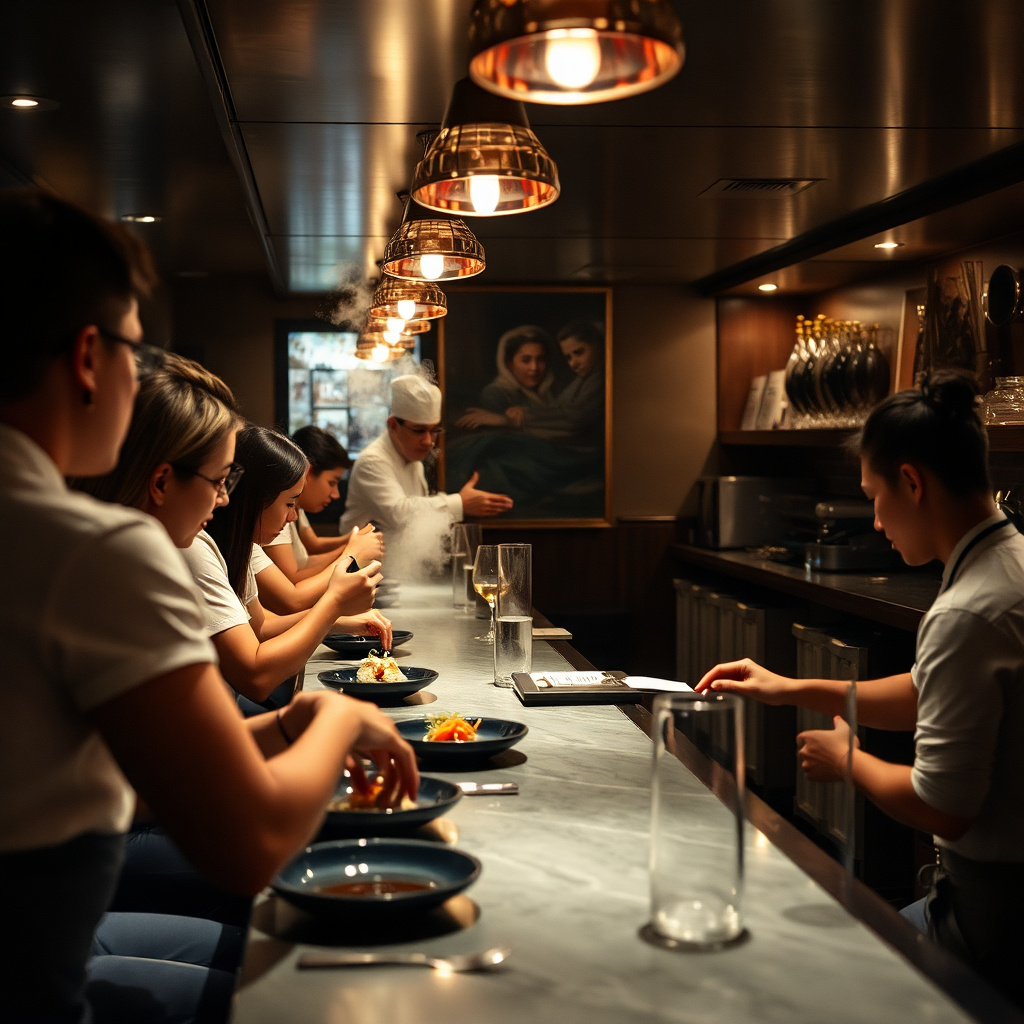
Unlike a typical restaurant setting, omakase dining encourages direct interaction with the chef, often seated at a sushi bar where you can observe preparation and ask questions.
This engagement deepens appreciation of the meal, allowing insights into ingredients and techniques, making the chef's choice sushi experience both educational and intimate.
How Omakase Differs from Other Japanese Dining Options
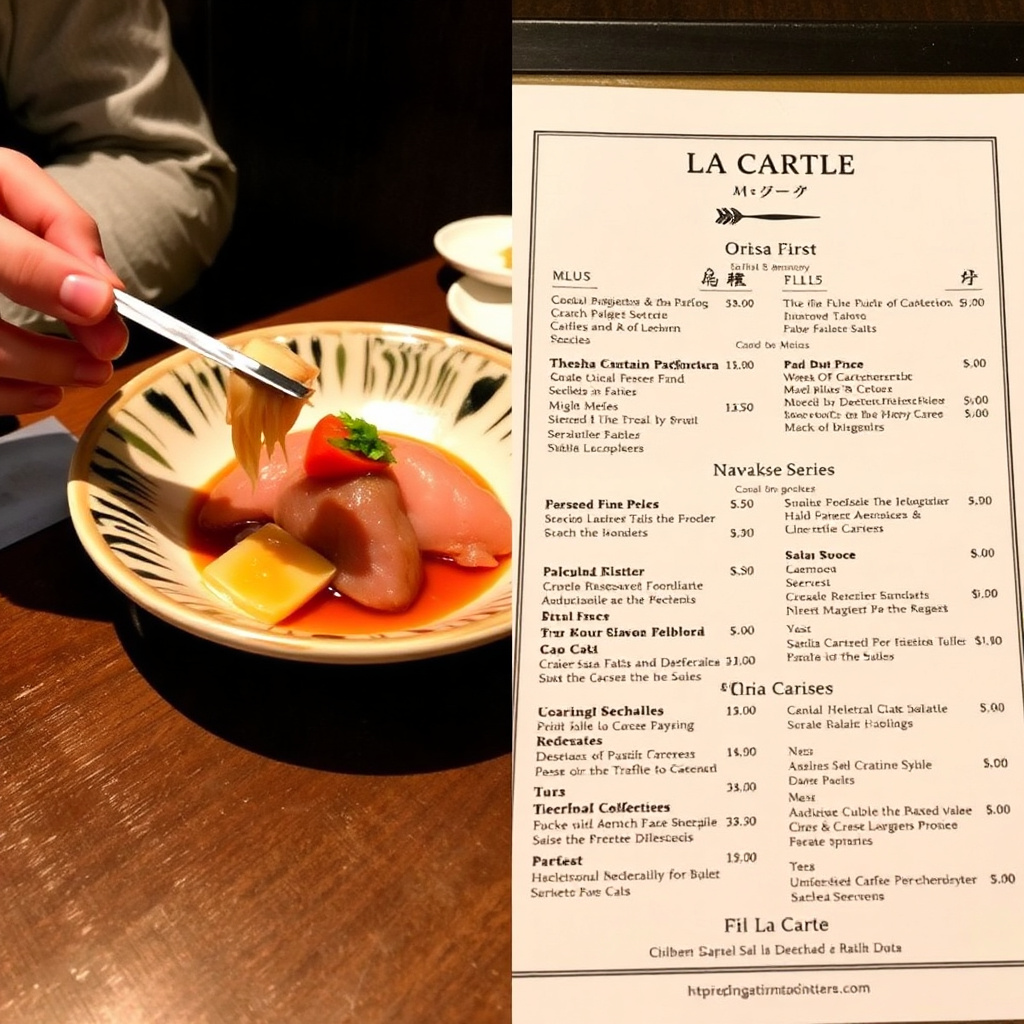
Omakase vs. À La Carte Ordering
À la carte offers diners flexibility to pick dishes, suited for those with specific cravings, while omakase relies on the chef's expertise to craft a tailored tasting menu without pre-selection.
Omakase can introduce diners to unfamiliar items and flavors that they might not choose independently, broadening their palate and appreciation for Japanese cuisine.
For more on this, see our related guide: What Is Nigiri? A Complete Guide to This Classic Japanese Sushi.
Comparison with Kaiseki
While omakase shares similarities with kaiseki, a traditional Japanese multi-course meal, kaiseki is more formally structured and often follows strict course sequences tied to seasonal themes.
Omakase is usually more flexible and spontaneous, focusing on sushi and seafood specialties, whereas kaiseki encompasses a broader range of cooking styles and ingredients.
Choosing the Best Omakase Experience
Factors to Consider
Selecting an omakase restaurant involves evaluating the chef’s reputation, ingredient quality, and style of service. Restaurants in major cities may offer a range of prices and experiences, from casual to high-end.
Personal preferences such as dietary restrictions, interest in adventurous eating, and budget should shape your choice to maximize enjoyment.
- Chef credentials and reviews
- Seasonality of ingredients
- Menu focus (seafood-centric vs. varied)
- Price range
Booking and Etiquette Tips
Reservations are often needed as omakase seats can be limited. Arriving on time and respecting the flow of courses adds to the experience.
Communicating dietary restrictions upfront and being open to the chef’s suggestions helps create a satisfying meal for both sides.
- Make reservations early
- Be punctual
- Respect course timing
- Share dietary needs ahead
Popular Ingredients and Dishes in Omakase

Key Sushi Ingredients
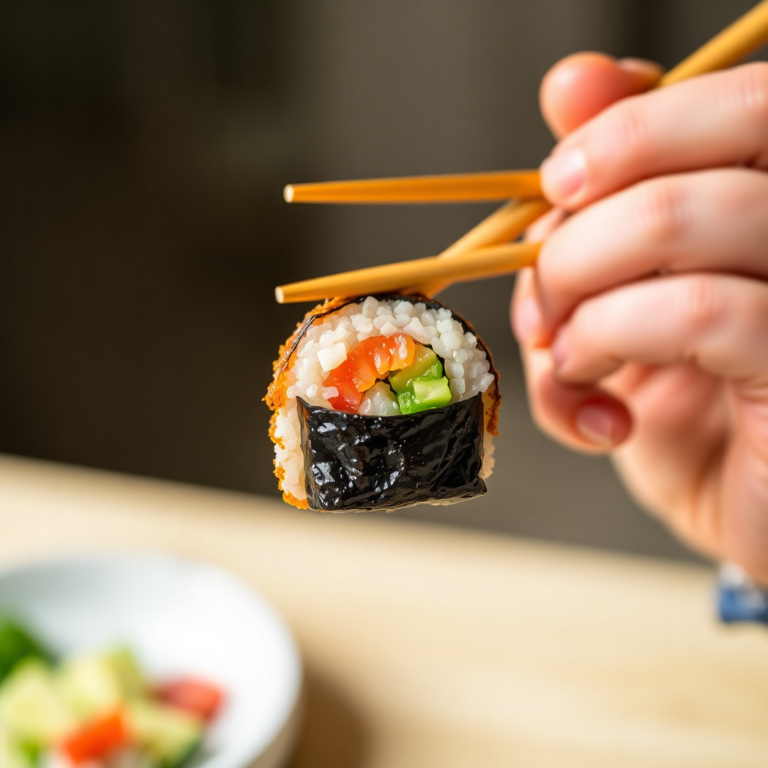
Omakase often features premium sushi ingredients such as toro (fatty tuna), uni (sea urchin), and fresh seasonal fish caught locally or imported from Japan.
Chefs may also integrate rare or lightly prepared items like lightly seared fish or marinated shellfish to balance flavors and textures.
- Toro (fatty tuna)
- Uni (sea urchin)
- Hamachi (yellowtail)
- Ebi (shrimp)
Common Signature Dishes
Aside from sushi, omakase may include dishes like chawanmushi (steamed egg custard), tempura vegetables, or miso soup as palate cleansers.
Specialty items vary by chef, making each omakase experience unique and reflective of the kitchen's creativity.
Budgeting for an Omakase Meal

Typical Omakase Price Ranges
Omakase prices vary widely, generally starting around $50-$100 for casual venues and going up to several hundred dollars at renowned restaurants, especially in major cities.
Price often correlates with ingredient quality, chef prestige, and number of courses served.
- Casual omakase: $50–$100
- Mid-range omakase: $100–$200
- High-end omakase: $200+
For a more detailed background, you can explore the history and cultural significance of omakase on Wikipedia. Omakase on Wikipedia.
Getting Value from Your Experience
To get the most out of your budget, consider asking the chef for recommendations, being flexible with ingredient choices, and selecting fewer but higher-quality courses.
Some restaurants offer shorter omakase menus at lower prices, which can be a great introduction without a large commitment.
Omakase Dining Category Comparison
This table compares different omakase dining experiences based on price, course count, and typical ambiance to help you find the best fit.
| Category | Price Range | Number of Courses | Typical Ambiance |
|---|---|---|---|
| Casual Omakase | $50–$100 | 6–8 | Relaxed, informal sushi bars |
| Mid-range Omakase | $100–$200 | 8–12 | Upscale venues with experienced chefs |
| High-end Omakase | $200+ | 12–20+ | Exclusive, luxury settings with renowned chefs |
| Specialty Regional Omakase | $80–$150 | 7–10 | Focused on local seasonal ingredients |
Frequently Asked Questions
Is omakase always sushi?
While omakase is commonly associated with sushi, it can include a variety of Japanese dishes crafted by the chef, such as grilled seafood, soups, and seasonal specialties.
Do I need to know Japanese to enjoy omakase?
Knowing Japanese is not necessary; many chefs or staff will communicate in English. Interaction is often simple and friendly, and the focus is on the food experience.
Can I request changes in an omakase meal?
It's best to inform the chef of allergies or dietary restrictions in advance. Some flexibility may exist, but omakase relies on trusting the chef's selections.
How long does an omakase meal typically last?
Omakase meals usually take about 60 to 90 minutes, allowing for a measured pace to enjoy each carefully-prepared course.
Is tipping expected for omakase meals?
In many countries, tipping is customary at omakase restaurants, especially in North America, but practices can vary by region.
Key Takeaways
- Omakase means trusting the chef to choose your meal, often featuring seasonal Japanese cuisine.
- The experience is interactive and personalized, usually at a sushi bar with direct chef involvement.
- Prices and ambiance range widely, from casual to luxury settings.
- Being open to new tastes and informing chefs of any restrictions enhances the experience.
Conclusion
Choosing an omakase dining experience involves understanding its unique approach of entrusting your meal to the chef’s expertise and creativity. This method offers a personalized and evolving journey through Japanese flavors that reflect seasonality and culinary skill. The trust factor creates a relationship between diner and chef that elevates traditional dining into a memorable event, defined by carefully crafted courses designed to delight the palate.
Depending on your budget and appetite for adventure, options range from casual neighborhood sushi bars offering approachable omakase menus to exclusive high-end restaurants featuring extensive multi-course meals with rare ingredients. For newcomers or those seeking a more predictable setting, mid-range omakase offerings strike a balance between quality and comfort, providing an excellent introduction to the chef’s choice sushi experience and Japanese culinary artistry.
If you’re considering an omakase meal, start by selecting a reputable restaurant and communicate any dietary preferences ahead of time. Arrive with an open mind and prepare to be guided through a distinctive culinary progression each coachfully designed by the chef. Embrace the trust-based dynamic—it’s the heart of the omakase tradition and key to savoring an authentic and enriching dining adventure.