What Is a Bento Box? Understanding Its Meaning, Uses, and Varieties
A bento box is a single-portion, compartmentalized meal container originally from Japan, designed to hold a balanced meal neatly divided into sections. It typically includes rice, protein, vegetables, and sometimes fruit or pickles, all arranged to be visually appealing and practical for on-the-go eating.
Bento boxes have been an integral part of Japanese culture for centuries and have gained worldwide popularity due to their convenience, portion control, and beautiful presentation. The concept extends beyond merely a food container; it reflects care in meal preparation and aesthetics.
This article will explore the origins and cultural significance of bento boxes, examine the different types and materials, review practical uses, discuss how to pack one effectively, and compare various options suitable for different lifestyles and dietary needs.
Origins and Cultural Significance of Bento Boxes

Historical Background of Bento Boxes
Bento boxes date back to the 5th century in Japan, originally used to carry simple meals to work or during travel. Over the centuries, their design evolved to emphasize balance, nutrition, and aesthetic appeal, paralleling Japan's rich culinary traditions.
In the Edo period (1603-1868), bento boxes became popular at outdoor events and public performances, often crafted from lacquered wood, highlighting artistry and cultural values. This history gives modern bento boxes a cultural depth beyond their practical function.
Cultural Values Reflected in Bento
The concept of bento reflects Japanese values around meal balance, seasonality, and visual harmony. Each item is chosen and arranged thoughtfully to create an appealing, nutritious meal that respects ingredients and care from the maker.
Bento preparation also showcases expressions of love or care, commonly seen in homemade bentos prepared by parents for children, incorporating cute or themed food designs that encourage healthy eating.
Types of Bento Boxes and Materials
Common Bento Box Materials
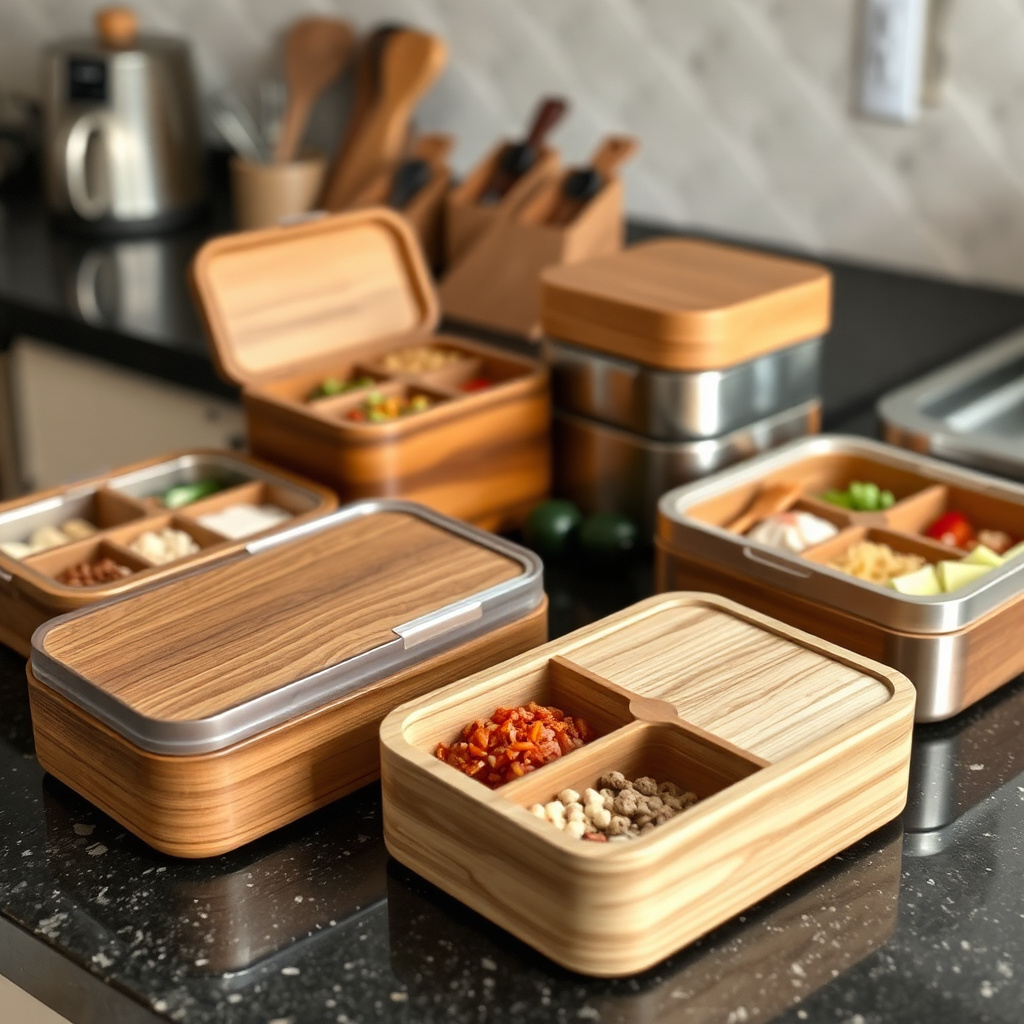
Plastic bento boxes are lightweight, affordable, and often microwave-safe, making them a convenient choice for everyday use. However, high-quality plastic should be BPA-free to ensure safety.
Wooden bento boxes provide a traditional aesthetic and natural insulating properties but usually require careful hand washing and maintenance to prevent cracking or mold.
- Plastic: lightweight, microwave safe, inexpensive
- Wood: traditional look, eco-friendly, delicate
- Stainless steel: durable, odor-resistant, non-microwavable
Styles and Compartments in Bento Boxes
Simple two-compartment bento boxes are ideal for separating rice and main dishes, while more complex multi-compartment designs are preferable for detailed meal arrangements featuring protein, vegetables, and sides.
Some bento boxes feature stackable tiers, which maximize portability and keep different food items fresh without mixing flavors. Silicone or silicone-lined compartments add flexibility and leak resistance.
Practical Uses of Bento Boxes

Bento Boxes for Work and School Lunches
Bento boxes allow portion control and encourage diverse nutrition, making them excellent for office or school meals. Their compact design fits easily into bags and lunchboxes.
Many users appreciate the convenience of preparing meals ahead of time, reducing reliance on fast food while promoting healthier eating habits through varied, appealing portion sizes.
For more on this, see our related guide: Tempura vs Katsu: Understanding the Difference Between These Japanese Classics.
Outdoor and Travel Uses
Because bento boxes are designed for portability, they are perfect companions for picnics, hiking, and long journeys. Leak-proof compartments and sturdy construction keep food secure.
Their modular compartments help organize foods that can be eaten cold or at room temperature, eliminating the need for additional packing containers and reducing waste.
How to Pack a Bento Box Effectively

Balancing Nutrition and Presentation
Packing a bento box involves selecting a colorful range of proteins, carbohydrates, and vegetables to create a visually attractive and nutritionally balanced meal. Careful arrangement prevents mixing flavors and textures.
Using dividers or silicone cups helps keep wet and dry items separate, maintaining intended crispness or moisture. Adding small portions of pickles or fruit can provide refreshing contrasts.
- Include at least three different food colors
- Use dividers for moisture control
- Portion sizes adapted to appetite
Tools and Tips for Packing Bentos
Essential tools for bento packing include small reusable containers or silicone cups, compact forks or chopsticks, and an insulated bag to keep food fresh.
Packing the box tightly minimizes movement and reduces spillage risks. Preparing some ingredients in advance, such as cooked rice or steamed vegetables, can streamline daily assembly.
Choosing the Right Bento Box for Your Needs

Selecting Bento Boxes for Dietary Requirements
For those following vegetarian, vegan, or gluten-free diets, bento boxes offer creative ways to pack meals that meet specific nutritional needs, emphasizing fresh produce and plant-based proteins.
Boxes with multiple compartments help keep allergens separate to avoid cross-contamination, making lunch safe and satisfying regardless of dietary restrictions.
For more on this, see our related guide: How to Eat Healthy at a Sushi Restaurant Without Sacrificing Flavor.
Bento Box Features for Lifestyle Compatibility
Individuals with busy schedules may prefer microwave-safe plastic bento boxes for easy reheating, whereas eco-conscious users might select reusable wooden or stainless-steel options.
Size and weight matter for frequent travelers or athletes who pack meals on the move. Leak-proof lids and durable construction contribute to long-term usability.
Bento Box Care and Maintenance

Cleaning Different Bento Box Materials
Plastic bento boxes are often dishwasher safe but should be air-dried thoroughly to prevent mold. Wooden boxes require gentle hand washing and sunscreen drying to preserve the finish.
Stainless steel containers can be washed in a dishwasher but should be dried promptly to avoid water spots. Using mild detergents helps maintain material longevity.
For a thorough historical and cultural overview, the Bento box Wikipedia article offers extensive background information. Bento box Wikipedia article.
Storage Tips to Extend Bento Box Life
Store bento boxes with lids off to prevent odors and maintain shape. For wooden boxes, avoid prolonged exposure to moisture or direct sunlight to prevent warping or cracking.
Inspect containers regularly for cracks or stains and replace worn parts such as seals or rubber gaskets to preserve leak resistance.
Bento Box Material Comparison
This table compares common bento box materials by durability, maintenance, and ideal use scenarios.
| Material | Durability | Maintenance | Ideal Usage |
|---|---|---|---|
| Plastic | Moderate | Dishwasher safe, avoid high heat | Everyday use, microwave heating |
| Wood | Delicate | Hand wash only, air dry thoroughly | Traditional meals, aesthetic presentation |
| Stainless Steel | High | Dishwasher safe, dry immediately | Durable travel, odor resistant |
| Glass | Fragile | Hand wash, avoid impacts | Microwave safe, visually appealing |
Frequently Asked Questions
Is a bento box only used for Japanese food?
No, while bento boxes originated in Japan, they can hold any type of meal. People worldwide use them for diverse cuisines, making them versatile containers for lunch and snacks.
Can I microwave food in a bento box?
Microwaving depends on the material—plastic and glass bento boxes are generally microwave-safe if labeled so, whereas wooden and stainless-steel bento boxes should not be microwaved.
How do I prevent my bento box meals from mixing flavors?
Using dividers, silicone cups, or separate compartments helps keep different foods separate, preserving individual flavors and textures during transportation.
Are bento boxes reusable and eco-friendly?
Yes, modern bento boxes are designed to be reusable and reduce disposable packaging waste, contributing to a more eco-conscious lifestyle.
What is the typical size of a bento box?
Bento boxes vary but commonly range from 500ml to 1000ml capacity, suitable for a single balanced meal portion depending on appetite and dietary needs.
Key Takeaways
- A bento box is a compartmentalized meal container originating from Japan.
- It promotes balanced, visually appealing meals with separate sections for each food item.
- Materials vary from plastic to wood and stainless steel, influencing care and functionality.
- Bento boxes suit diverse lifestyles, from packed lunches to travel meals.
Conclusion
Evaluating the purpose behind a bento box purchase—whether for traditional Japanese meals, everyday lunch needs, or travel—helps focus choices on the material, size, and design that support those goals. Understanding the cultural background of bento boxes enriches appreciation for their role in balancing nutrition and aesthetics. Careful packing techniques make the meal both enjoyable and practical.
For those seeking convenience and microwave use, high-quality BPA-free plastic bento boxes offer versatile options. If you prioritize traditional look and eco-friendliness, wooden bento boxes bring distinct charm but require maintenance. Sturdy stainless-steel choices favor durability and odor resistance for active users. Multi-compartment layouts help with dietary variety or allergen separation, catering to individual dietary restrictions.
Begin by identifying your typical meals and portability needs, then choose a bento box material and size accordingly. Investing in accessories like silicone dividers and an insulated carrying bag can improve meal freshness and presentation. Bento boxes offer a sustainable and enjoyable way to carry meals that encourage healthier eating habits, making them a practical and culturally enriching addition to your daily routine.