What Is a Clay Pot Dish? Everything You Need to Know
A clay pot dish is a meal cooked inside a porous, heat-retentive clay vessel, which evenly distributes heat and locks in moisture, creating rich, tender flavors. This cooking method often involves slow simmering or baking, making meats, vegetables, and grains deeply flavorful while preserving their natural juices.
Clay pot cooking is a centuries-old technique used globally across cultures. The unique properties of clay pots allow heat to circulate slowly and gently, resulting in dishes that often taste more aromatic and succulent compared to other cookware. The porous nature of clay also helps release steam gradually, keeping the food moist without becoming soggy.
This article will explore the materials and types of clay pots, how clay pot dishes are prepared, popular recipes from around the world, and tips for getting the best results with clay pot cooking. Whether you want to try an authentic tagine from Morocco or a comforting Chinese claypot rice, understanding these basics will improve your culinary skills.
Understanding Clay Pots and Their Benefits
What Are Clay Pots Made Of?
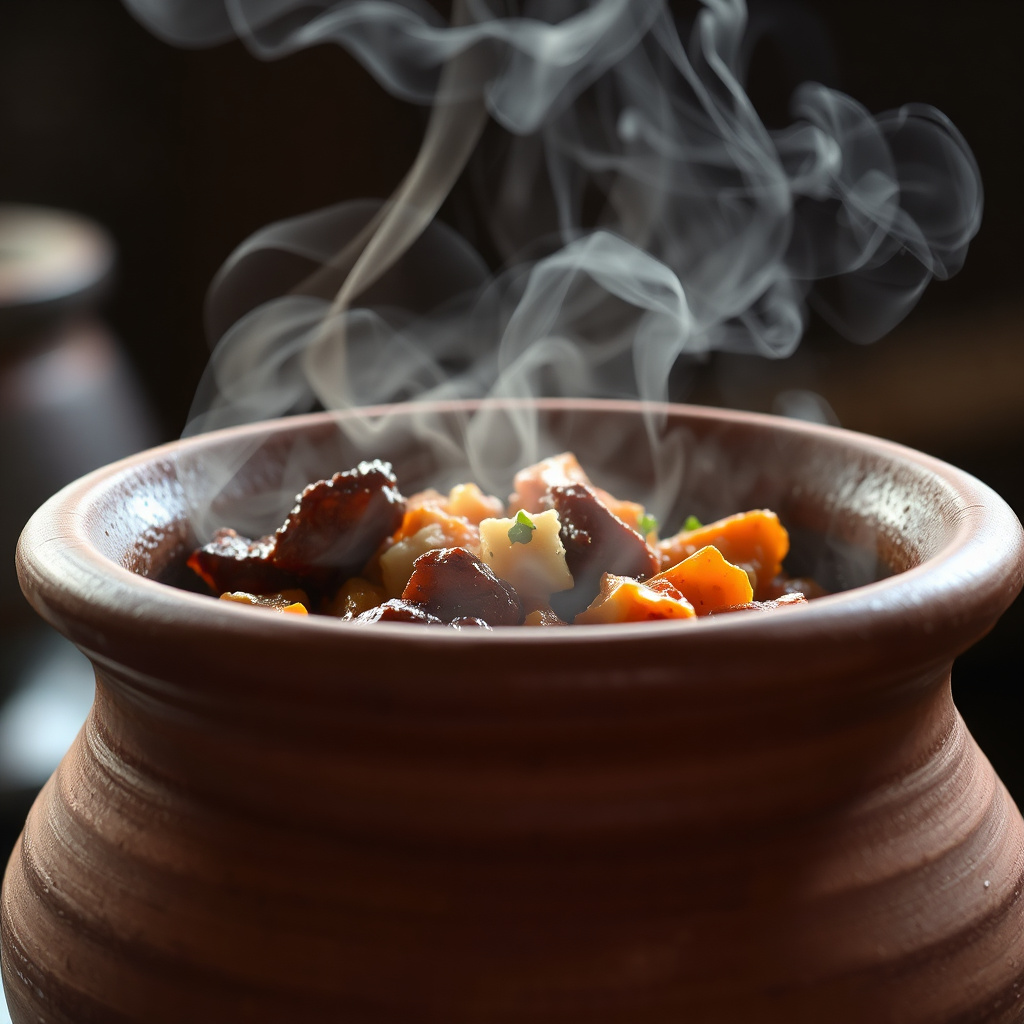
Clay pots are typically made from natural, porous clay that may or may not be glazed. Unglazed pots allow moisture and heat to interact directly with food, enhancing flavor and texture, while glazed versions offer easier cleaning and durability.
The clay used is often fired at low temperatures to maintain porosity, which means the pot can absorb water and slowly release steam during cooking. This technique helps tenderize tougher ingredients like meats and fibrous vegetables without drying them out.
- Unglazed vs glazed differences
- Low-temperature firing preserves porosity
- Natural insulation and moisture retention
Why Cook in a Clay Pot?
The main advantage of cooking in a clay pot is the gentle, even heat distribution and steam circulation, which elevates the flavor profile of dishes making them rich and hearty. Unlike metal pots, clay pots reduce hot spots, preventing burning.
The slow cooking process also helps meld ingredients together, developing complex flavors often missing in fast-cooked meals. Moisture stays locked inside, resulting in tender meats and perfectly cooked grains.
- Slow, steady heat conduction
- Steam retention keeps food moist
- Enhances natural flavors of ingredients
Preparing and Cooking Clay Pot Dishes
Steps to Prepare a Clay Pot Dish
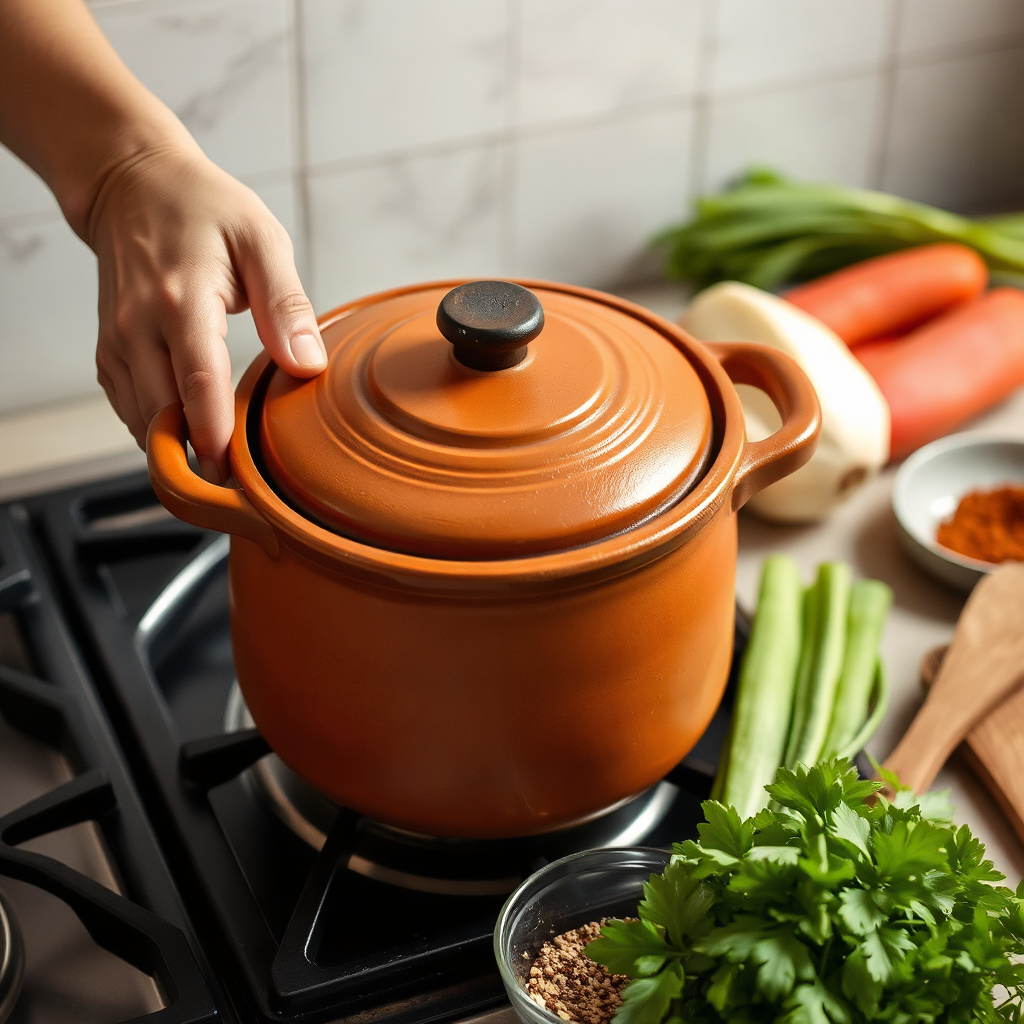
Before using a clay pot for the first time, it often requires seasoning by soaking it in water to prevent cracking and help it retain moisture. Ingredients should be layered thoughtfully, since heat transfers gradually from the pot’s bottom upward.
Start with a base of aromatics and liquids, add protein or vegetables, and avoid cooking on very high heat to prevent sudden damage. Cooking times are usually longer but yield tender results that make patience worthwhile.
- Soak the pot before initial use
- Layer ingredients from dense to light
- Cook on low to medium heat only
Common Tips for Best Results
Keep the lid on during cooking to trap steam and flavor. If the pot doesn’t have a lid, cover it tightly with foil. Avoid drastic temperature changes to prevent cracks.
Clean the pot gently with warm water and avoid harsh detergents that can damage the clay’s seasoning. Frequent use of the pot helps build a natural non-stick surface, improving cooking over time.
- Use a lid or cover to trap steam
- Avoid sudden temperature changes
- Hand wash carefully without detergents
Popular Global Clay Pot Dishes
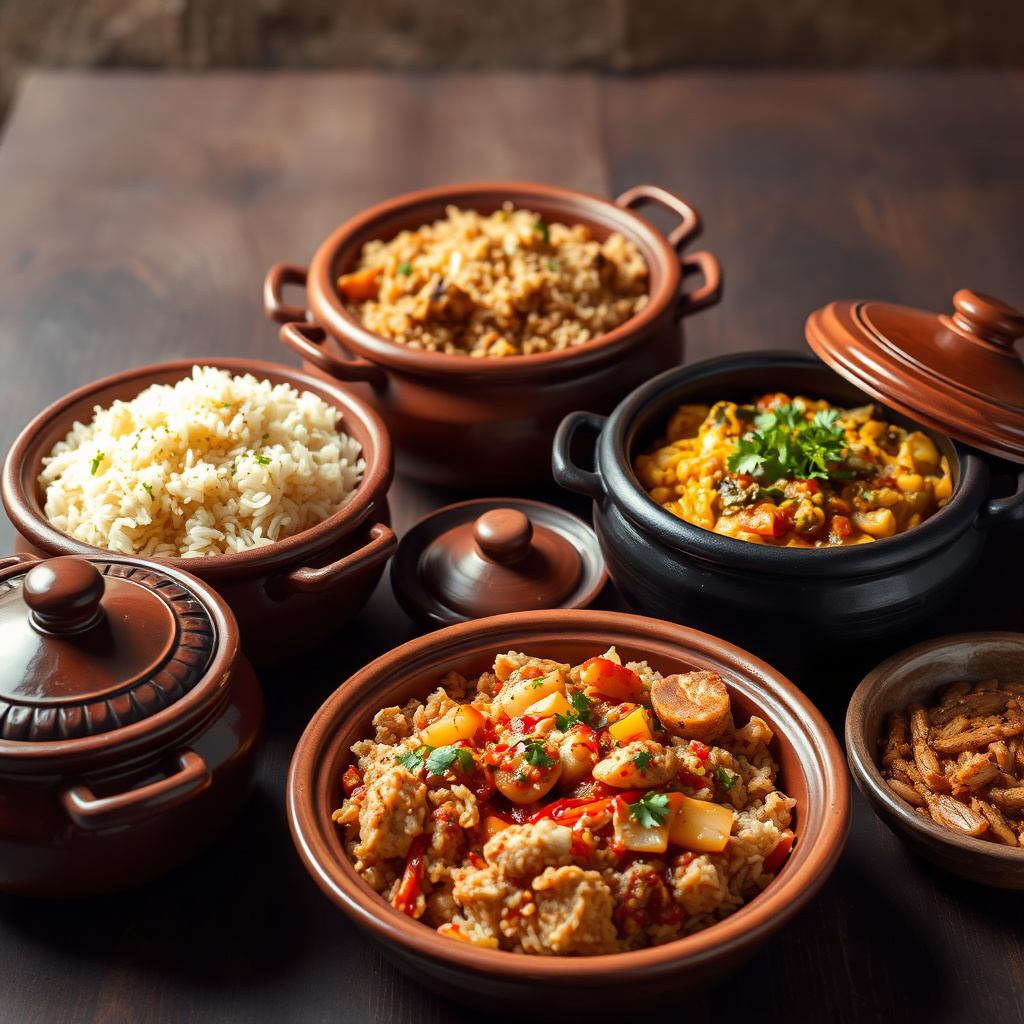
Moroccan Tagine
Tagine, a classic North African dish, is slow-cooked in a conical clay pot bearing the same name. It often combines meats like lamb or chicken with spices, dried fruits, and vegetables.
The pot’s shape helps steam circulate while condensing back into the dish, blending sweet and savory flavors uniquely. Tagines are well-loved worldwide for their aromatic spices and tender textures.
For more on this, see our related guide: How to Make Clay Pot Tofu: A Step-by-Step Authentic Recipe.
Asian Clay Pot Rice
In Chinese cooking, claypot rice is a staple where rice, meats, and vegetables are cooked together in a single pot, allowing the bottom layer of rice to crisp up, creating a desirable texture contrast.
Variations include adding marinated chicken, salted fish, or preserved sausages. The slow cooking infuses flavor throughout, making it a popular comfort food in many Asian households.
Versatile Ingredients for Clay Pot Cooking
Proteins That Work Well
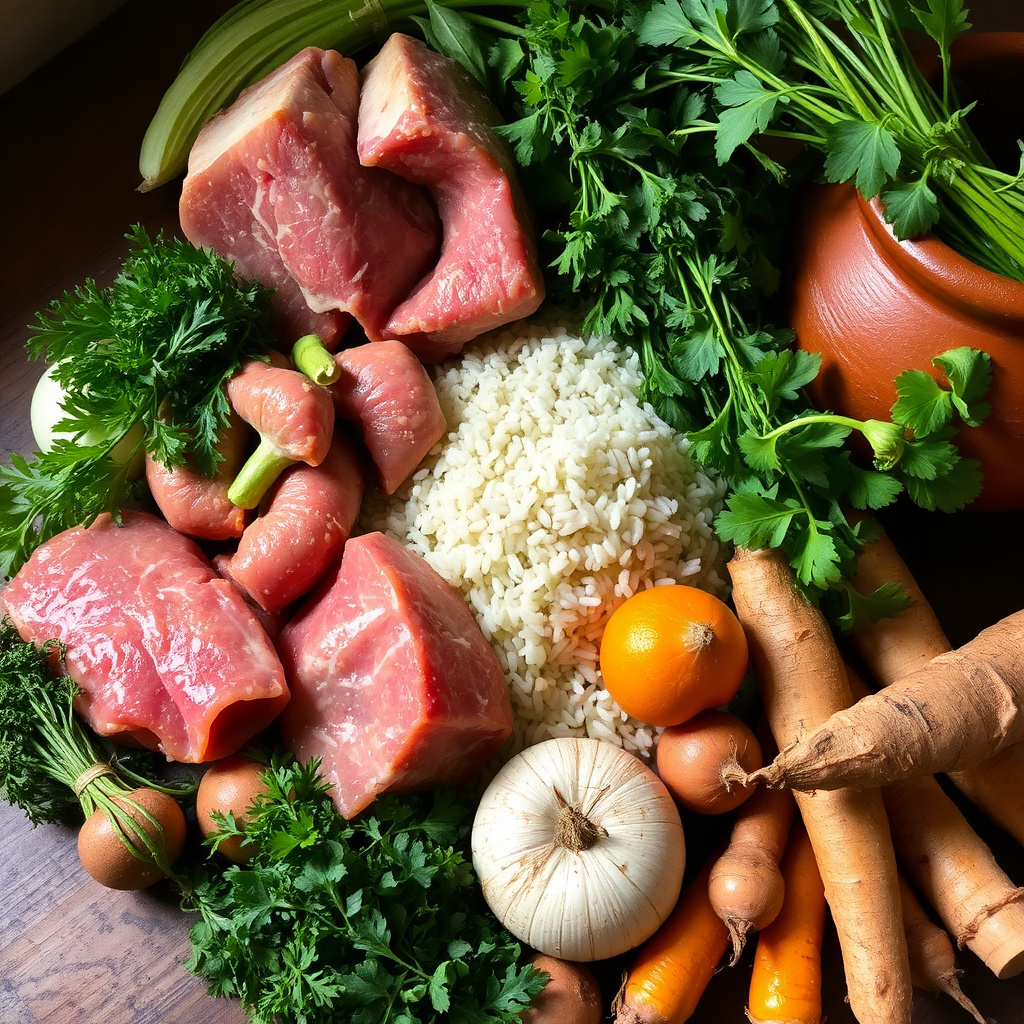
Tougher cuts of meat such as beef chuck, pork shoulder, or whole chickens respond well to slow cooking in clay pots, becoming tender and flavorful without drying out. Seafood can also be cooked gently to retain moistness.
Beans and lentils absorb flavors richly in clay pot dishes and benefit from the slow, even heating that prevents scorching and uneven cooking.
- Beef chuck, pork shoulder, chicken
- Fish and shellfish
- Beans and lentils
Ideal Vegetables and Grains
Root vegetables like carrots, potatoes, and turnips become soft and fragrant when slow-cooked in clay pots. Leafy greens are better added later to avoid overcooking.
Grains such as rice and quinoa cook evenly with clay pot cooking, often absorbing the broth’s essence to enhance taste.
- Carrots, potatoes, turnips
- Rice, quinoa, barley
- Add delicate greens toward the end
Maintaining and Caring for Clay Pots

Cleaning Techniques
Clay pots should be cleaned with warm water immediately after use to remove residue before it hardens. Avoid soap or detergents as they can seep into the porous material, altering flavors.
If food sticks, soak the pot for a while then scrub gently with a soft brush. Proper cleaning maintains the pot’s seasoning and extends its life.
- Clean promptly after cooking
- Use warm water and soft brush
- Avoid detergents and harsh scrubbers
For more on this, see our related guide: What Is Clay Pot Cooking? A Complete Guide to Benefits and Techniques.
Storage and Handling
Store the pot in a dry, ventilated place to prevent mold growth. Avoid stacking heavy objects on top which can cause cracks or chips.
Handle carefully, especially when hot, since clay pots can be brittle and prone to chipping if dropped.
- Keep dry and ventilated
- Avoid stacking heavy items
- Handle with care when hot
Frequently Made Mistakes and How to Avoid Them

Common Cooking Errors
One frequent mistake is cooking on too high heat, which can crack the pot or burn the food. Clay pots require gradual heating and consistent low to medium temperatures.
Another error is failing to soak the pot beforehand or not covering it, which can cause dryness or uneven cooking.
- Avoid sudden high heat
- Soak the pot before first use
- Always cover during cooking
For a deeper historical and technical background, see the overview of clay pot cooking on Wikipedia. Clay pot cooking on Wikipedia.
Maintenance Pitfalls
Using soap or harsh detergents diminishes the pot’s natural seasoning and flavor retention. Also, rapid cooling by soaking a hot pot in cold water may cause cracks.
Allow the pot to cool before cleaning and store properly to reduce damage risks.
- Do not use soap to clean
- Avoid rapid temperature changes
- Store dry and handle carefully
Clay Pot Dish Varieties Category Comparison
This table compares common global clay pot dish types, highlighting typical ingredients, cooking times, and flavor profiles for quick reference.
| Dish Type | Typical Ingredients | Cooking Time | Flavor Profile |
|---|---|---|---|
| Moroccan Tagine | Lamb, spices, dried fruits | 2-3 hours | Savory, sweet, aromatic |
| Chinese Claypot Rice | Rice, sausage, chicken | 40-60 minutes | Umami, slightly crispy |
| Indian Clay Pot Biryani | Spiced rice, chicken or lamb | 1-2 hours | Spicy, fragrant |
| Mexican Cazuela | Beans, meat, chilies | 1-2 hours | Hearty, spicy |
| Korean Ttukbaegi Stew | Tofu, vegetables, broth | 30 minutes | Savory, comforting |
Frequently Asked Questions
Can I use a clay pot on a gas stove?
Yes, clay pots can be used on gas stoves, but you should start cooking on low heat and increase gradually to avoid cracking. Avoid sudden temperature changes and never place a hot pot on a cold surface.
What makes clay pot dishes taste different?
The porous clay allows even heat distribution and gradual steam release, which locks in moisture and enhances the natural flavors of ingredients, producing richer and more tender dishes.
Do clay pots need seasoning?
Most unglazed clay pots require soaking before first use to prevent cracking and build moisture retention. Some pots benefit from oil seasoning to create a better cooking surface over time.
Is it safe to eat food cooked in a clay pot?
Yes, cooking in clay pots is safe. Ensure the pot is properly fired and food-grade clay is used. Avoid unglazed pots with harmful additives or lead-based glazes to maintain food safety.
How should I clean and store my clay pot?
Clean your clay pot with warm water and a soft brush, avoiding soap. Let it air dry completely before storing in a dry, ventilated place to prevent mold and damage.
Key Takeaways
- Clay pot dishes slow cook food with gentle heat for rich, tender results.
- Porous clay enhances moisture retention and flavor development.
- Proper preparation and careful handling extend clay pot lifespan.
- Various cultures offer unique, flavorful clay pot recipes to try.
Conclusion
Understanding the characteristics of clay pots and how they influence cooking is essential when deciding to try clay pot dishes. The gradual heat distribution and moisture retention provide an experience that differentiates these dishes from those cooked in metal or nonstick cookware. When choosing or cooking with a clay pot, consider the type of clay, pot shape, and the particular dish to optimize flavors and texture.
For those aiming to explore clay pot cooking, starting with recipes like Moroccan tagine or Chinese claypot rice offers an accessible way to appreciate its benefits. Tough cuts of meat and root vegetables, when slow-cooked in clay pots, also yield excellent dishes, ideal for hearty meals. Simple precautions such as soaking the pot before use, cooking over controlled heat, and careful cleaning ensure long-lasting performance.
Your next step can be experimenting with a traditional clay pot from a specialty kitchen store or online and trying a trusted recipe that suits your taste. With patience and practice, clay pot cooking can become a rewarding method that adds depth and comfort to your meals.