How to Make a Philadelphia Roll at Home: Step-by-Step Guide
Making a Philadelphia roll at home is simple and rewarding. This sushi roll combines smoked salmon, cream cheese, and cucumber wrapped in seaweed and rice, offering a rich yet fresh flavor that's easy to recreate in your kitchen. You only need a handful of ingredients and straightforward techniques.
The Philadelphia roll stands out for its unique mix of creamy and smoky elements, diverging from traditional raw fish rolls. Its popularity stems from this creamy texture and mild taste, making it an excellent introduction to sushi for beginners and a favorite among seasoned sushi lovers alike.
In this article, you'll find a detailed ingredient list, preparation tips, and a clear step-by-step process for creating the perfect Philadelphia roll. Additionally, we’ll cover variations and common mistakes to avoid, making your sushi-making experience enjoyable and successful.
Essential Ingredients for a Philadelphia Roll
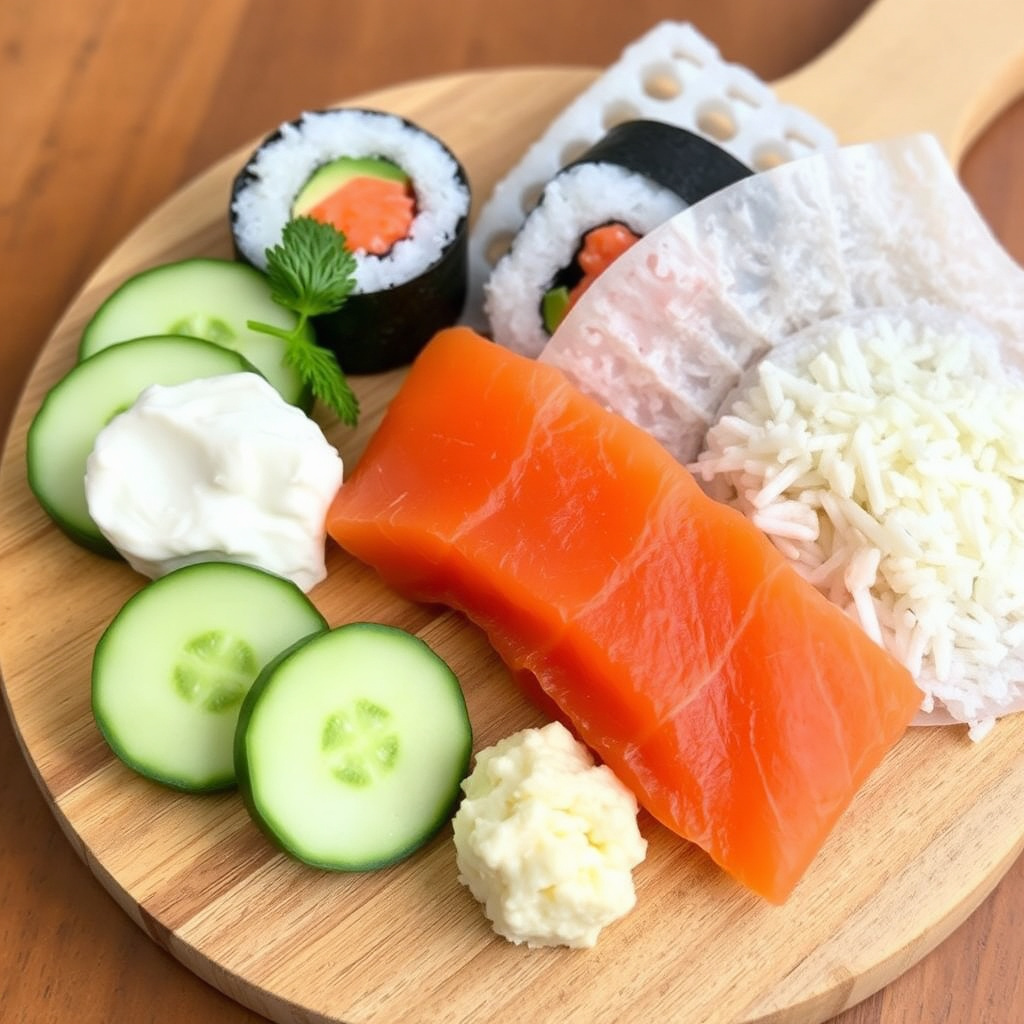
Choosing Quality Smoked Salmon
Selecting good-quality smoked salmon is key to achieving the authentic flavor in a Philadelphia roll. Look for salmon labeled 'lox' or cold-smoked salmon, which has a silky texture and mild smoky taste without overpowering the other ingredients.
Avoid pre-packaged slices with additives and choose salmon from trusted sources or fish markets. Freshness affects not only taste but also the overall presentation of the roll.
- Cold-smoked salmon for delicate flavor
- Avoid overly salty or heavily processed options
- Check for vibrant color and firm texture
Other Core Ingredients
Cream cheese provides the Philadelphia roll with its signature creamy texture, so opt for full-fat cream cheese for richness. Fresh cucumber adds a crisp, refreshing contrast, and sushi rice is essential for proper binding and flavor.
Nori sheets (seaweed) should be dry and intact to hold the roll tightly. Rice vinegar, sugar, and salt are mixed into the sushi rice to enhance the taste and texture.
- Full-fat cream cheese, cut into long strips
- Fresh cucumber peeled and julienned
- Short-grain sushi rice prepared with vinegar mix
- Whole nori sheets, preferably high-quality
Preparing Ingredients Correctly for the Philadelphia Roll

Making Perfect Sushi Rice
Rinse sushi rice several times until the water runs clear to remove excess starch. Cook as per package instructions, then transfer to a wide bowl to cool. Mix rice vinegar, sugar, and salt, then gently fold into the rice without mashing it, aiming for a sticky but fluffy texture.
Cooling the rice adequately before rolling prevents the nori from becoming soggy and ensures easier handling during assembly.
- Rinse rice until water is clear
- Use vinegar mixture evenly folded in
- Cool rice to room temperature before use
Preparing Fillings for Consistent Rolls
Slice the smoked salmon into thin, even strips that will fit well within the roll width. Cut cream cheese into similar-sized strips to balance the texture and flavor throughout each bite.
Peel the cucumber if the skin is thick, then cut into julienne for a crisp bite without overpowering. Uniform sizes make rolling easier and result in an aesthetically pleasing sushi roll.
- Evenly sliced smoked salmon strips
- Cream cheese cut to match salmon size
- Julienned cucumber, peeled if needed
Step-by-Step Philadelphia Roll Assembly

Rolling Techniques for a Tight, Neat Roll
Place a nori sheet shiny side down on a bamboo sushi mat. Spread an even layer of sushi rice, covering the whole sheet to the edges. Flip the nori so rice faces down and the nori side is up, then arrange smoked salmon, cream cheese, and cucumber horizontally near one edge.
Using the bamboo mat’s edge, carefully lift and roll the nori over the fillings, applying gentle pressure to keep it tight. Continue rolling, pressing lightly, until sealed with a strip of rice at the edge.
- Place nori shiny side down
- Cover evenly with sushi rice
- Arrange fillings closely and uniformly
- Use bamboo mat to roll tightly
For more on this, see our related guide: What’s in a Spicy Tuna Roll? Ingredients and Variations Explained.
Cutting and Serving the Philadelphia Roll
Wet a sharp knife with water before cutting the roll into 6-8 bite-sized pieces to prevent sticking. Slice gently with a back-and-forth sawing motion rather than pressing down hard, which risks squashing the roll.
Arrange pieces on a serving plate and garnish with pickled ginger, wasabi, and soy sauce. The Philadelphia roll’s creamy and savory profile pairs well with these traditional accompaniments.
- Use a wet, sharp knife for clean cuts
- Cut into 6-8 pieces with gentle sawing motion
- Serve with pickled ginger, wasabi, and soy
Variations and Customizations of the Philadelphia Roll

Adding Avocado and Other Fillings
Some variations include ripe avocado slices, which add a buttery texture complementing the cream cheese and smoked salmon. Thinly sliced scallions or a drizzle of spicy mayo can add flavor layers for those preferring a more adventurous roll.
Experimenting with fillings while keeping the core ingredients intact enables creativity and personalization without losing the signature Philadelphia roll identity.
- Avocado adds creamy richness
- Scallions give a mild onion flavor
- Spicy mayo adds heat and tang
Using Different Types of Smoked Fish
While smoked salmon is traditional, some enjoy substituting smoked trout or smoked whitefish for a milder or more delicate taste. Adjust seasoning and cream cheese quantity accordingly to balance with different smoked fish flavors.
This variation keeps the roll interesting for repeat sushi enthusiasts or those who want to accommodate dietary preferences.
- Smoked trout for a subtle flavor change
- Smoked whitefish offers a lighter taste
- Adjust cream cheese to complement fish type
Common Mistakes to Avoid When Making a Philadelphia Roll

Preventing Soggy or Loose Rolls
Too much rice or over-wetting the nori can cause soggy rolls that fall apart. Use a light hand when spreading rice and avoid adding excess moisture during assembly. Properly cooled rice helps maintain the structural integrity of the roll.
Consistent rolling pressure with the bamboo mat ensures compactness without crushing ingredients.
- Use moderate amounts of rice
- Avoid wetting nori excessively
- Apply even rolling pressure
For more on this, see our related guide: What Is in a Philadelphia Roll? Ingredients and Variations Explained.
Avoiding Overstuffing Fillings
Overloading the roll with cream cheese or salmon disrupts rolling and causes the sushi to burst open. Stick to proportionate ingredient amounts to maintain balance and ease of rolling. Keeping ingredients aligned along one edge makes rolling smoother.
It's better to have a thinner roll that holds together than a large roll that falls apart.
- Keep cream cheese and salmon strips moderate
- Align ingredients close together near one edge
- Roll firmly but not too tightly
Serving and Storing Philadelphia Rolls

Serving Suggestions for Best Flavor
Serve Philadelphia rolls immediately after making for the freshest taste and optimal texture. Pair with classic sushi sides like soy sauce, wasabi, and pickled ginger, which balance the creaminess and smokiness of the roll.
Garnishes such as toasted sesame seeds or thin sliced scallions can add extra texture and visual appeal.
- Serve promptly for freshness
- Classic condiments enhance flavor
- Optional garnishes add texture
For further details on the origin and variations of the Philadelphia roll, you can visit the Philadelphia roll Wikipedia page. Philadelphia roll Wikipedia.
Proper Storage and Leftovers Handling
If storing leftover Philadelphia rolls, wrap them tightly in plastic wrap and refrigerate for no more than 24 hours to prevent the rice from drying out. Avoid freezing as the texture of rice and cream cheese degrades. Reheat gently if preferred, but raw-style sushi is typically enjoyed cold.
Consume leftovers soon to enjoy the roll near its original quality.
- Wrap tightly and refrigerate for up to 24 hours
- Do not freeze Philadelphia rolls
- Enjoy chilled or gently warmed if desired
Philadelphia Roll Variations Comparison
Here is a comparison of popular Philadelphia roll variations highlighting their ingredients and flavor profiles.
| Variation | Additional Ingredients | Flavor Profile | Difficulty Level |
|---|---|---|---|
| Classic Philadelphia Roll | None | Creamy, smoky, fresh | Easy |
| Philadelphia Roll with Avocado | Avocado slices | Creamy, rich, smooth | Easy |
| Spicy Philadelphia Roll | Spicy mayo, scallions | Creamy, spicy, tangy | Medium |
| Smoked Trout Roll | Smoked trout instead of salmon | Mild, smoky, delicate | Medium |
| Whitefish Philadelphia Roll | Smoked whitefish | Light, slightly smoky | Medium |
Frequently Asked Questions
Can I use fresh salmon instead of smoked salmon for a Philadelphia roll?
Yes, but using fresh salmon changes the flavor and texture significantly. The Philly roll is known for its smoky taste, so fresh salmon will create a different sushi experience.
Is it necessary to use sushi rice for the Philadelphia roll?
Sushi rice is preferred because its sticky texture and vinegar seasoning hold the roll together and provide authentic flavor that regular rice cannot replicate.
How do I prevent the cream cheese from melting inside the roll?
Ensure all ingredients, including cream cheese, are well chilled before rolling, and serve the roll shortly after preparation to maintain texture.
Can I make Philadelphia rolls without a bamboo mat?
While a bamboo mat helps maintain tightness and shape, you can use parchment paper and your hands carefully to roll, but it may be more challenging to get a neat cylinder.
How long can I store Philadelphia rolls in the refrigerator?
It’s best to consume them within 24 hours when refrigerated tightly wrapped to maintain freshness and avoid rice drying or texture changes.
Key Takeaways
- Use quality smoked salmon and full-fat cream cheese for authentic flavor.
- Prepare and cool sushi rice properly with vinegar seasoning.
- Roll ingredients evenly using a bamboo mat for firm, neat rolls.
- Serve immediately for best taste or refrigerate tightly for up to 24 hours.
Conclusion
Making a Philadelphia roll at home is a manageable and enjoyable process that yields delicious sushi with a creamy, smoky profile. Focusing on ingredient quality, especially choosing proper smoked salmon and well-prepared sushi rice, makes the biggest difference. The rolling technique with a bamboo mat ensures even texture and presentation, delivering a sushi roll comparable to restaurant-quality dishes. Understanding the balance of fillings helps you avoid common pitfalls like overstuffing or soggy nori.
If you want to keep it classic, stick to the traditional smoked salmon, cream cheese, and cucumber combination for a straightforward experience. For a twist, try adding avocado or a little spicy mayo, or switch the smoked salmon for smoked trout for a different flavor. These variations give you options based on your taste preferences or ingredient availability, while still capturing the essence of the Philadelphia roll. Beginners will find simple rolling steps adequate, while enthusiasts can experiment with presentation styles and accompaniments.
To start, gather fresh ingredients and have sushi rice properly seasoned and cooled. Practice rolling a couple of times to build confidence and use a sharp, wet knife for slicing. The next step is enjoying your creation with soy sauce, pickled ginger, and wasabi. Whether you’re creating for a casual meal or impressing guests, mastering the Philadelphia roll is a rewarding skill that adds variety to home sushi preparation.