How to Eat Healthy at a Sushi Restaurant Without Sacrificing Flavor
Eating healthy at a sushi restaurant is entirely possible by making mindful choices focused on fresh ingredients, balanced portions, and nutrient-rich selections. Opt for sashimi, vegetable rolls, and brown rice options to cut down on calories and boost your intake of omega-3 fatty acids and fiber. Choosing wisely helps you enjoy sushi without overdoing sodium or unhealthy fats.
Sushi is often seen as a healthy option due to its lean protein and vegetable content, but many popular dishes can be high in calories, sodium, or added sugars. Understanding what to order and which ingredients to avoid matters if you aim to maintain a nutritious meal plan while still savoring authentic flavors. This knowledge helps you get the best from sushi without unintended dietary setbacks.
This guide will explore how to select the healthiest sushi items, what to avoid, the benefits of traditional sushi ingredients, and ideas for customizing your meal. You'll also find recommendations on portion control and pairing tips to make your dining experience both tasty and aligned with your health goals.
Choosing Healthy Sushi Ingredients

Selecting Lean Protein Options
Lean proteins like sashimi-grade salmon, tuna, and other fish varieties are excellent choices at sushi restaurants. They provide high-quality omega-3 fatty acids and essential amino acids with minimal saturated fat. Avoid fried or heavily sauced options, as these can add extra calories and unhealthy fats that undermine the benefits of lean seafood.
In addition to fish, consider shellfish like shrimp or crab, which are low in calories but high in protein. Tofu-based rolls or edamame are great plant-based alternatives that keep your meal light while still delivering nutrients.
- Sashimi slices for pure protein
- Avoid tempura (fried) items
- Choose grilled or steamed seafood
- Include edamame or tofu for variety
Incorporating Vegetables and Seaweed
Vegetables add essential vitamins, fiber, and antioxidants to your sushi meal. Rolls with cucumber, avocado, carrots, or asparagus provide crunch and nutrients without extra calories. Seaweed, a key sushi component, is low-calorie and rich in iodine, vitamins, and minerals that support thyroid health and metabolism.
Look for sushi options that highlight fresh vegetables or consider ordering a side salad with ginger dressing. Vegetable-based rolls are especially useful for increasing fiber intake, which supports digestion and helps keep you full longer.
- Choose rolls with cucumber, avocado, or carrot
- Add a seaweed salad as a side
- Opt for vegetable rolls to boost fiber
- Avoid creamy or fried vegetable tempura additions
Managing Portions and Rice Choices at a Sushi Restaurant

Limiting Refined White Rice Intake
White sushi rice is often seasoned with sugar and vinegar, which increases calorie content. Controlling portions or opting for brown rice sushi, which contains more fiber and nutrients, helps make your meal healthier. However, brown rice sushi is less common, so ask if it's available.
If brown rice isn’t an option, choose smaller rolls and balance your meal with sashimi or vegetable sides to reduce overall carbohydrate intake and avoid blood sugar spikes.
- Ask for brown rice sushi if possible
- Eat smaller portion sizes of white rice rolls
- Balance rice-heavy rolls with sashimi
- Avoid extra rice servings or rice-heavy bento boxes
Controlling Overall Portion Sizes
Sushi can be deceptively filling due to the small, bite-sized pieces. Paying attention to portions helps prevent overeating, especially with high-calorie rolls that include mayonnaise or tempura. Selecting a mix of sashimi, vegetable rolls, and small portions of rice-based sushi keeps your meal satisfying without excessive calories.
Sharing larger platters or ordering a la carte rather than combo meals lets you control quantity and focus on nutritionally dense items. Stop eating when comfortably full instead of finishing every bite out of habit.
- Mix sashimi and rolls to limit rice
- Share larger platters to avoid overeating
- Order a la carte for portion control
- Recognize fullness signals early
Navigating Sauces, Condiments, and Sides

Minimizing Sodium with Smart Soy Sauce Use
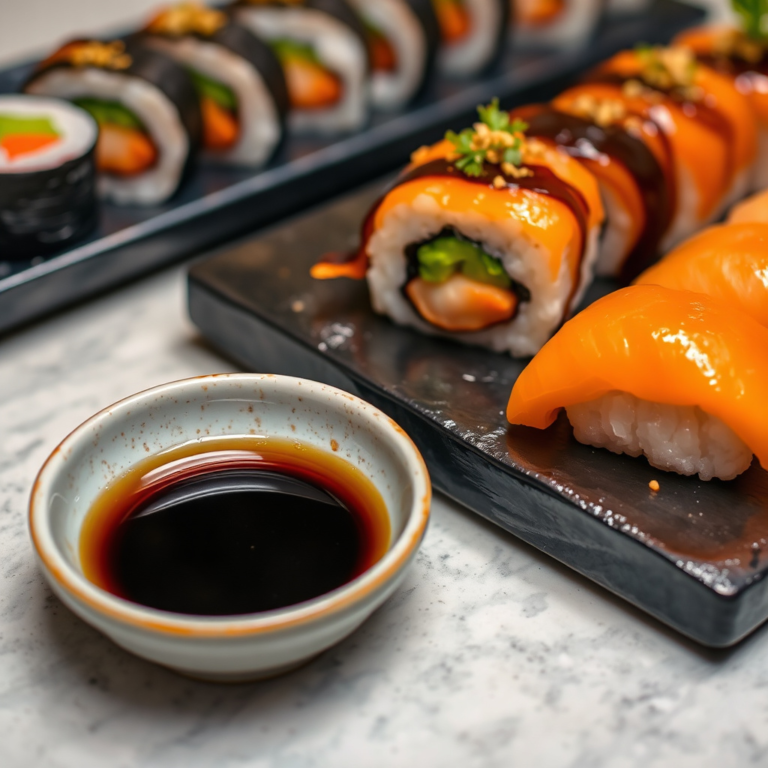
Soy sauce can be very high in sodium, which may contribute to elevated blood pressure if consumed excessively. Use low-sodium soy sauce versions or dip sushi lightly rather than soaking it. Wasabi and ginger add flavor without extra salt, which helps keep meals tasty yet healthier.
Avoid soy sauce-based marinades that may also contain added sugars or preservatives. Controlling soy sauce intake is especially significant for individuals watching their salt consumption.
- Use low-sodium soy sauce options
- Dip sushi lightly without soaking
- Complement with wasabi and fresh ginger
- Skip soy sauce-based marinades
For more on this, see our related guide: How to Make Shrimp Tempura Roll: A Step-by-Step Guide for Sushi Lovers.
Choosing Healthy Side Dishes
Sides like miso soup, seaweed salad, and edamame are typically low calorie and packed with nutrients. Miso soup offers probiotics and minerals, while seaweed salad provides fiber and iodine. Avoid fried sides such as tempura vegetables or dumplings, as these add unnecessary fats and calories to your meal.
Water or unsweetened green tea complements sushi well and avoids extra sugar found in many refreshments.
- Opt for miso soup or seaweed salad
- Choose steamed edamame as a snack
- Avoid fried or creamy sides
- Drink water or green tea
Understanding Low-Calorie Sushi Options

Examples of Low-Calorie Sushi Rolls
Cucumber rolls, tuna sashimi, and vegetable rolls are among the lowest-calorie sushi choices. These selections emphasize fresh, simple ingredients and limit sauces or rice. Rolls using avocado add healthy fats but slightly increase calories, so consider balancing accordingly.
Avoid rolls with tempura, spicy mayonnaise, or cream cheese, which increase fat and calorie content substantially. Low-calorie sushi options keep your total meal lighter and better aligned with wellness targets.
- Cucumber and avocado rolls
- Tuna, salmon, or yellowtail sashimi
- Vegetable rolls with asparagus or carrot
- Avoid fried and creamy rolls
Using Low-Calorie Options for Weight Management
Including more low-calorie sushi choices can support weight management by limiting calorie density while keeping you full with lean protein and fiber. These options fit well into meal plans where calorie control is important but balanced nutrition is still a priority.
Rotating sushi selections to include these low-calorie options ensures variety without sacrificing flavor or satisfaction during outings at sushi restaurants.
Balancing Nutrition and Flavor When Eating Sushi
Combining Protein, Carbs, and Fats for Satisfaction
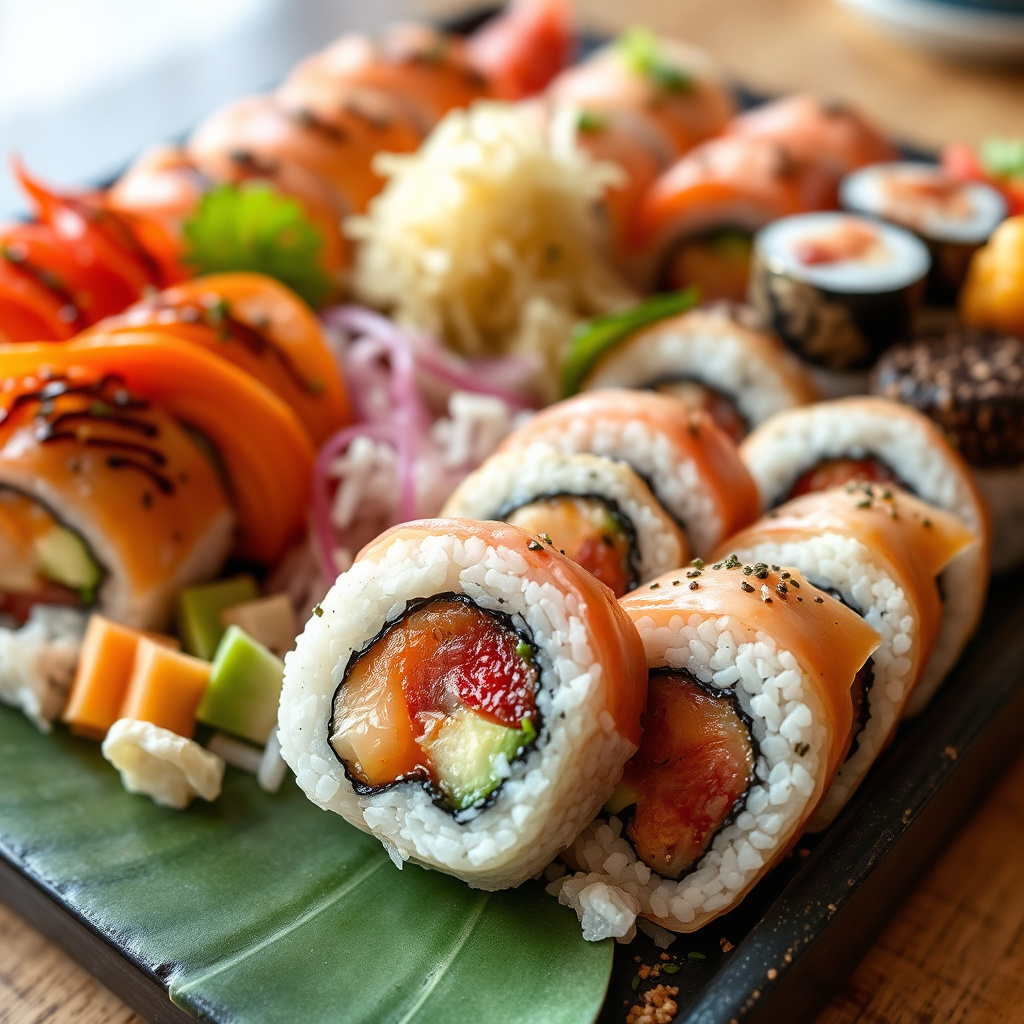
A satisfying sushi meal balances lean protein, carbohydrates, and healthy fats. Include fatty fish like salmon for omega-3s, moderate portions of rice for energy, and avocado for good fats. Vegetables add fiber and micronutrients, rounding out a nutritionally sound plate.
Balanced nutrition not only supports health but also keeps you feeling satiated longer, which helps avoid unnecessary snacking later in the day.
- Include fatty fish such as salmon
- Moderate rice portions
- Add avocado for healthy fats
- Incorporate vegetables for fiber
For more on this, see our related guide: What Is Temaki? A Complete Guide to the Hand-Rolled Sushi Cone.
Customizing Rolls to Match Your Dietary Needs
Many sushi restaurants allow customization, letting you request no mayonnaise, no tempura, or brown rice alternatives. Tailoring rolls ensures that your meal aligns with specific dietary restrictions or goals. Communicating preferences with staff makes healthy eating easier and more enjoyable.
Choosing simple, fresh ingredients also limits added sugars and unhealthy fats, providing a clean, flavorful experience tuned to your wellness priorities.
- Request rolls without mayonnaise or creamy sauces
- Ask for no tempura or fried toppings
- Inquire about brown rice substitutions
- Choose minimal added sauces
Tips for a Healthy Sushi Dining Experience

Eating Mindfully and Recognizing Fullness
Eating slowly and paying attention to your hunger cues helps prevent overeating at sushi restaurants, where pieces are deceptively small. Chewing thoroughly and savoring flavors enhances satisfaction and digestion. Stop eating once comfortably full to avoid unnecessary calories.
Mindful eating also deepens enjoyment of the meal, encouraging better digestion and appreciation of each bite.
- Eat slowly and chew thoroughly
- Pause between bites to assess fullness
- Focus on flavor and texture
- Avoid distractions while eating
For a deeper understanding of sushi nutrition, you can explore comprehensive details on the Wikipedia page about sushi. nutrition facts about sushi.
Planning Ahead and Making Informed Choices
Reviewing menu options in advance can help you decide on healthy sushi choices before ordering. Look for items rich in lean proteins, vegetables, and moderate rice portions. Being informed reduces impulsive orders of high-calorie or fried dishes.
Bringing awareness to nutritional content and balancing your meal with water or green tea enhances the overall dining experience.
- Check menu nutrition info if available
- Decide on lower-calorie options beforehand
- Pair sushi with water or green tea
- Avoid impulse ordering of fried items
Sushi Roll Category Comparison for Healthy Eating
This table compares common sushi roll types to help you identify healthier options based on calories, fat, and ingredients.
| Roll Type | Average Calories (per roll) | Fat Content (grams) | Common Ingredients |
|---|---|---|---|
| Cucumber Roll | 140 | 0.5 | Cucumber, rice, seaweed |
| California Roll | 250 | 6 | Crab, avocado, cucumber, rice, mayo |
| Tempura Roll | 500 | 25 | Fried shrimp or vegetables, rice, mayo |
| Salmon Sashimi | 200 (per 6 pieces) | 12 | Raw salmon |
| Vegetable Roll | 180 | 2 | Assorted vegetables, rice, seaweed |
| Spicy Tuna Roll | 290 | 10 | Tuna, spicy mayo, rice, seaweed |
Frequently Asked Questions
Is sushi rice unhealthy?
Sushi rice contains sugar and vinegar that increase its calorie content compared to plain rice, but eaten in moderation it can fit into a healthy diet.
Can I eat sushi if I’m watching my sodium intake?
Yes, but limit soy sauce usage and choose low-sodium options to reduce total salt intake during your meal.
Are vegetarian sushi rolls a healthy option?
Vegetarian rolls are typically lower in calories and fat while providing fiber and vitamins from fresh vegetables, making them a healthy choice.
Is sashimi a better choice than sushi rolls?
Sashimi has no rice and is rich in protein and omega-3 fatty acids, making it a lower-calorie, nutrient-dense option compared to many sushi rolls.
How can I avoid hidden calories in sushi dishes?
Avoid rolls with mayonnaise, cream cheese, or tempura, and ask about ingredients to steer clear of added sugars and fats.
Key Takeaways
- Prioritize sashimi and vegetable rolls to reduce calories and increase nutrients.
- Control portion sizes and limit white rice to avoid excess carbohydrates.
- Use low-sodium soy sauce and avoid fried or creamy sauces.
- Customize orders to accommodate dietary goals and preferences.
Conclusion
Choosing how to eat healthy at a sushi restaurant involves focusing on fresh, nutrient-dense ingredients while moderating rice and added sauces. By selecting lean proteins like sashimi, incorporating vegetables, and managing portion sizes, you can enjoy sushi that supports your well-being without sacrificing flavor. Mindful choices reduce exposure to hidden calories and excessive sodium often found in popular rolls, allowing for a meal that is both satisfying and balanced.
For those prioritizing lower calorie meals, sashimi and vegetable rolls stand out as excellent selections. Brown rice options add fiber but may not be available everywhere, so balancing white rice with more sashimi or vegetable-based items is a good strategy. Avoid traditional calorie-dense favorites like tempura or spicy mayo rolls if weight management is your goal. Instead, try customizable options that fit your dietary needs, such as requesting no mayo and skipping fried toppings, to tailor your dining experience precisely.
Ultimately, if you want to eat healthy at a sushi restaurant, plan your order consciously, pay attention to fullness cues, and opt for nutrient-rich, fresh ingredients. Starting with a clear idea of your preferences and restrictions makes it easier to enjoy diverse sushi selections without overindulgence. This approach helps you fully appreciate sushi’s unique flavors while adhering to your health goals.


2 Comments