What Is Eel Sauce Made Of? Ingredients and Uses Explained
Eel sauce is made primarily from a blend of soy sauce, mirin, sugar, and sometimes sake or rice wine vinegar. This combination creates a rich, sweet, and savory glaze that is frequently used as a dipping sauce or topping in Japanese cuisine, especially with grilled eel dishes.
The importance of eel sauce lies in its ability to balance salty and sweet flavors, adding depth to a variety of dishes beyond just eel. Its thick, glossy texture makes it ideal for glazing and enhancing flavor without overpowering the natural ingredients.
In this article, you will learn about the common ingredients used to create authentic eel sauce, variations you can try at home, cooking techniques to maximize its flavor, and practical ways to incorporate this versatile sauce into your meals.
Core Ingredients of Eel Sauce

Soy Sauce as the Base
Soy sauce provides the essential salty and umami foundation for eel sauce. Its fermented flavor complements the sweetness of other ingredients, creating a complex base that enhances the overall taste.
The choice of soy sauce can influence the final flavor; darker, aged varieties offer more depth, while lighter ones keep the sauce brighter and less intense.
The Role of Mirin and Sugar
Mirin, a sweet rice wine, contributes both sweetness and a subtle tang to balance saltiness. Combined with sugar, it thickens the sauce and gives eel sauce its characteristic glossy texture.
Balancing these two ingredients allows for control over the sauce's sweetness, essential for pairing with savory dishes without overwhelming them.
- Mirin adds mild acidity and sweetness
- Sugar thickens and sweetens
- Ratio impacts sauce viscosity
Optional Additions and Variations

Incorporating Sake for Depth
Sake can be added to eel sauce to introduce subtle fruity and alcoholic notes, enhancing complexity without overpowering the traditional flavors.
The alcohol content usually cooks off during simmering, leaving behind a delicate aroma that complements grilled or broiled dishes.
For more on this, see our related guide: What Is Mapo Tofu Sauce Made Of? Ingredients & Flavor Profile Explained.
Using Vinegar and Aromatics
Some recipes include rice wine vinegar or fresh aromatics like ginger and garlic to add a bright, slightly sharp contrast that cuts through the sauce's sweetness.
These additions are often subtle but provide variation to the standard eel sauce recipe when tailored to specific dishes or personal tastes.
- Rice wine vinegar adds mild acidity
- Ginger introduces warmth
- Garlic enhances savoriness
Preparation Techniques for Eel Sauce
Simmering and Reducing
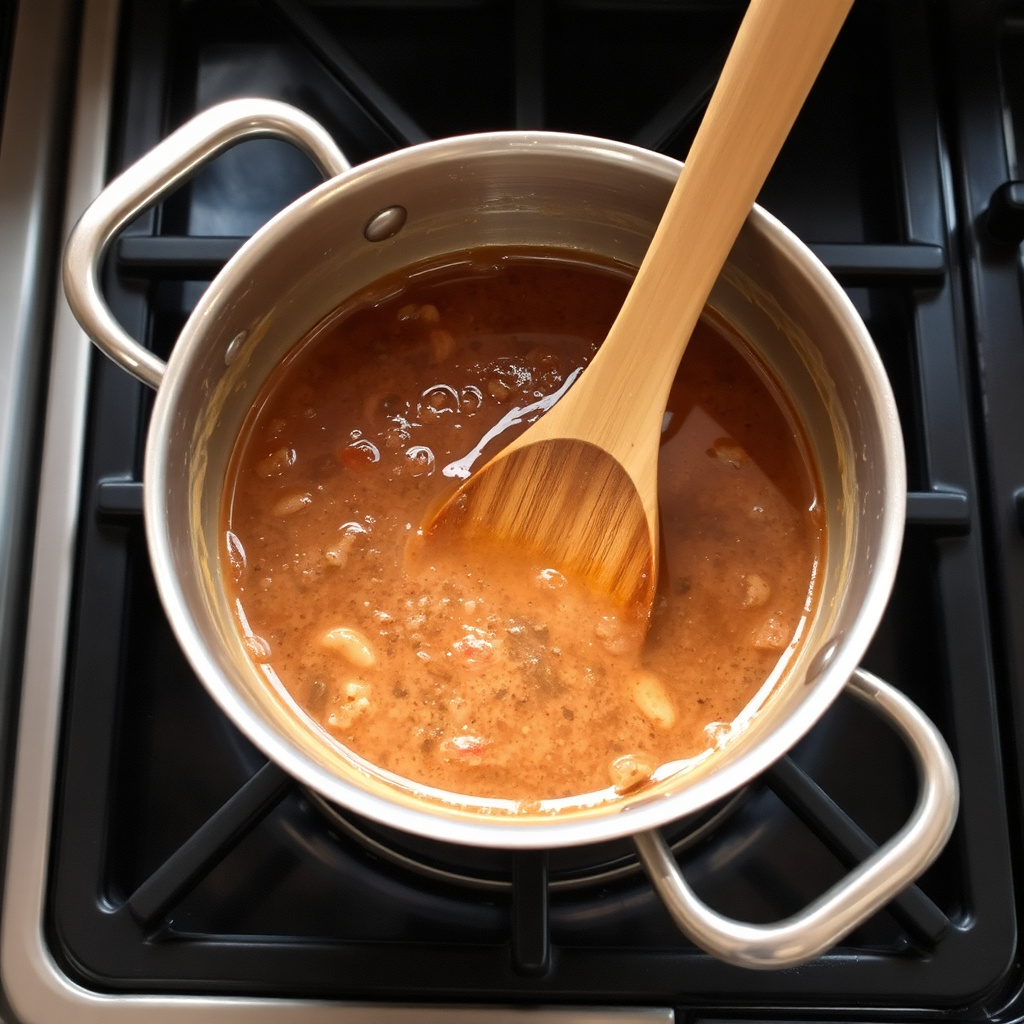
To create eel sauce, ingredients are combined in a saucepan and simmered gently to dissolve sugar and reduce the mixture until it reaches a thick, syrupy consistency.
Careful attention during simmering prevents burning and ensures flavors meld evenly, resulting in a balanced and smooth sauce.
- Use medium heat
- Stir regularly to avoid sticking
- Simmer until thickened
Storage and Shelf Life
Properly cooled eel sauce can be stored in the refrigerator for up to two weeks, maintaining flavor and texture if kept in a sealed container.
Re-heating gently before use helps restore its glossy appearance and improves pourability.
Common Uses of Eel Sauce in Cooking

Traditional Japanese Cuisine
Eel sauce is most famously used in dishes like unagi kabayaki and eel sushi rolls where it acts as both a glaze and dipping sauce, enhancing the natural flavor of the eel.
Its sticky texture helps it cling to the ingredients, providing a pleasant mouthfeel and balanced flavor profile.
For more on this, see our related guide: What Is Sweet and Sour Sauce Made Of? A Detailed Ingredient Guide.
Adaptations in Other Dishes
Beyond eel, this sauce complements grilled vegetables, salmon, chicken, or even drizzled over rice bowls, offering a savory-sweet glaze that elevates everyday recipes.
Experimentation with eel sauce can bring a Japanese-inspired twist to Western dishes needing a flavorful finishing touch.
- Glaze for grilled meats
- Dressing for rice or veggies
- Dip for tempura
Tips for Making Eel Sauce at Home

Measuring and Balancing Flavors
Accuracy in ingredient ratios is key to making a well-balanced eel sauce; too much sugar can overpower, while insufficient soy sauce makes it too bland.
Start with small quantities and adjust sweetness or saltiness to your preference during the simmering process.
- Typical ratio: 3 parts soy sauce, 3 parts mirin, 2 parts sugar
- Taste test frequently
- Adjust simmering time for thickness
For more detailed culinary history and variations, check out the comprehensive overview of eel sauce on Wikipedia. Eel sauce on Wikipedia.
Preventing Common Mistakes
Overcooking eel sauce can cause burning or bitterness, while undercooking leads to watery sauce that won't cling well. Consistent stirring and moderate heat help avoid this.
Using fresh ingredients, like good quality mirin and soy sauce, greatly influences the final taste.
Comparison of Popular Eel Sauce Variations
Here’s a quick comparison of several common eel sauce recipes highlighting their key differences.
| Variation | Ingredients | Flavor Profile | Use Case |
|---|---|---|---|
| Classic | Soy sauce, mirin, sugar | Sweet and salty, balanced | Traditional eel dishes |
| With Sake | Soy sauce, mirin, sugar, sake | Mildly fruity, deeper aroma | Grilled seafood and meats |
| With Vinegar & Aromatics | Soy sauce, mirin, sugar, vinegar, ginger | Sweet with tangy and spicy notes | Versatile glaze and dipping sauce |
| Sweetened Only | Soy sauce, sugar | Heavily sweet, less complex | Quick glaze for simple dishes |
Frequently Asked Questions
Is eel sauce made from actual eel?
No, eel sauce does not contain eel. It is a savory-sweet sauce made from soy sauce, mirin, and sugar, traditionally used to complement grilled eel dishes.
Can I substitute mirin in eel sauce?
Yes, sweet cooking wine or a mixture of sake and sugar can substitute mirin, but the flavor profile may slightly differ from the traditional sauce.
How thick should eel sauce be?
Eel sauce should be thick and glossy enough to coat the back of a spoon without running off quickly, providing a sticky glaze that clings well to food.
Is eel sauce gluten-free?
Traditional soy sauce contains gluten, so eel sauce is typically not gluten-free unless made with tamari or a gluten-free soy sauce substitute.
How long can I store homemade eel sauce?
Homemade eel sauce can be refrigerated in a sealed container for up to two weeks while maintaining its flavor and texture.
Key Takeaways
- Eel sauce is a blend of soy sauce, mirin, and sugar creating a sweet-savory glaze.
- Mirin and sugar balance saltiness and give the sauce its signature texture.
- Optional ingredients like sake or vinegar add depth and variation.
- Proper simmering and ingredient ratios are essential for a great eel sauce.
Conclusion
Choosing the right ingredients and carefully balancing them shapes the character of eel sauce. Its fundamental components – soy sauce, mirin, and sugar – create a distinctive sweet and savory flavor that complements a variety of dishes. Attention to simmering and storage ensures the sauce preserves its appealing texture and taste for multiple uses in the kitchen.
For traditional uses, the classic eel sauce made with a simple mix of soy, mirin, and sugar works perfectly with grilled eel or sushi. Adding sake or aromatic ingredients like ginger can expand its versatility, making it a flavorful glaze for grilled meats or vegetables. Adjusting the sweetness level allows home cooks to tailor the sauce to personal preferences or particular recipes.
If you want to try making eel sauce yourself, start with small batches and taste as you go, allowing easy corrections to balance. Store it refrigerated and gently warm it before serving to bring out its full flavor. Once comfortable, experiment with variations to create signature sauces suited to your cooking style.