Is Sushi Healthy? Exploring the Nutritional Benefits and Risks
Sushi can be a healthy food choice when made with fresh ingredients and balanced components. It typically offers lean protein from fish, essential omega-3 fatty acids, and nutrients from vegetables and seaweed. However, the healthiness depends on the type of sushi and portion sizes.
Understanding how sushi fits into your diet matters because not all types have the same nutritional profile. Some rolls contain added sugars, fried ingredients, or high sodium sauces, which can reduce their health benefits. Knowing these differences helps you make better choices.
This article will cover the nutritional benefits of sushi, potential health risks, how to choose healthier options, and provide tips on enjoying sushi as part of a balanced diet. We will also compare common sushi types to help you decide what to order.
Nutritional Benefits of Sushi

Protein and Omega-3 Fatty Acids
Sushi is an excellent source of high-quality lean protein, especially varieties with raw fish like salmon and tuna. These fish provide omega-3 fatty acids known for supporting heart and brain health.
Regular consumption of omega-3 rich sushi can reduce inflammation and improve cardiovascular function. For those who eat fish frequently, sushi is a convenient and tasty way to boost omega-3 intake.
Vitamins, Minerals, and Antioxidants
Seaweed in sushi, commonly nori, is nutrient-dense, supplying iodine, vitamin A, and antioxidants. Vegetables like cucumber, avocado, and radish add fiber, vitamins, and minerals to sushi dishes.
These micronutrients support metabolism, immune function, and skin health. Vegetables also add bulk that promotes fullness and aids digestion when eating sushi.
Potential Health Drawbacks of Sushi

Mercury and Food Safety Concerns
Certain types of fish used in sushi, like tuna and mackerel, can contain mercury that poses risks if consumed frequently in large amounts. Pregnant women and children especially should limit intake.
Raw fish carries a small risk of parasites and bacterial contamination. Choosing reputable restaurants that follow strict hygiene standards minimizes these risks significantly.
Sodium and Added Sugars
Soy sauce, sauces, and some sushi rice mix contain high sodium and added sugar levels. Overconsumption of these can negatively impact blood pressure and contribute to type 2 diabetes.
Being mindful of condiments and opting for low-sodium soy sauce or limiting sauce use can help reduce unwanted sodium and sugar intake with sushi meals.
How to Choose Healthier Sushi Options
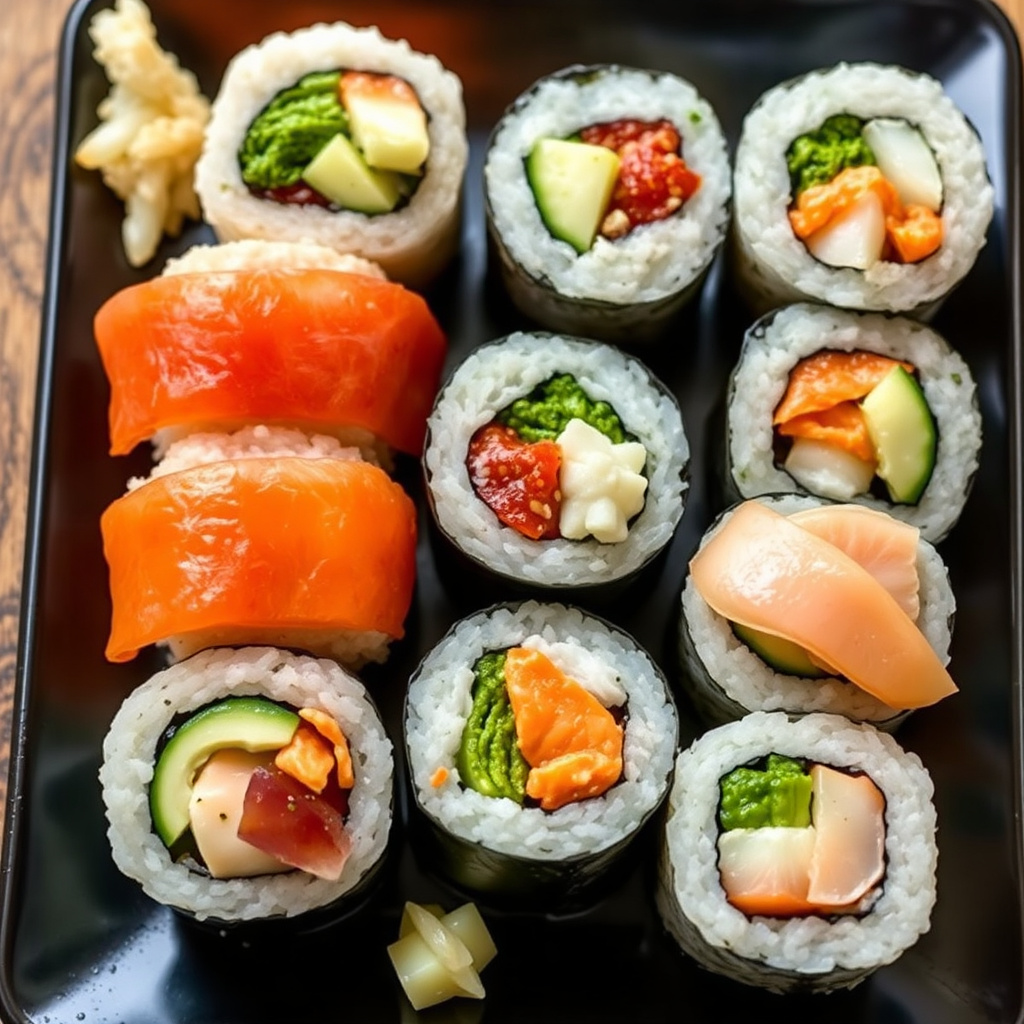
Selecting Ingredients Wisely
Look for sushi made with fresh fish, plenty of vegetables, and minimal added sauces. Simple nigiri or sashimi choices often contain fewer calories and sodium than rolls with fried tempura or creamy sauces.
Opt for brown rice sushi when available for added fiber and nutrients compared to traditional white rice. Vegetable rolls also provide lower calories and more vitamins.
- Fresh, wild-caught fish
- Vegetable-heavy rolls
- Brown rice options
- Avoid fried tempura or mayo-based sauces
For more on this, see our related guide: How to Eat Healthy at a Sushi Restaurant Without Sacrificing Flavor.
Portion Control and Balanced Meals
Eating sushi in reasonable portions helps avoid excess calorie and sodium intake. Combining sushi with miso soup or seaweed salad promotes a balanced meal without overeating.
Order smaller rolls or share sushi plates to keep portions moderate. Pay attention to your body's fullness signals to prevent eating beyond comfort.
Comparing Popular Sushi Types

Nigiri and Sashimi
Nigiri combines a slice of raw fish atop a small ball of rice, while sashimi is just sliced raw fish without rice. Both are typically lower in calories, carbohydrates, and added sodium compared to rolls.
These options highlight the healthy protein and omega-3 content of fish, making them good choices for those seeking low-calorie sushi.
Maki and Specialty Rolls
Maki rolls include fish, vegetables, and rice wrapped in seaweed and vary widely in nutritional content. Specialty rolls often add fried ingredients or creamy sauces that increase calories and sodium.
Choosing simpler maki rolls with mostly vegetables or lean fish provides a good balance of nutrients while limiting unhealthy extras.
Sushi and Dietary Restrictions

Gluten-Free Sushi Choices
Traditional sushi ingredients like fish, rice, and vegetables are naturally gluten-free, but soy sauce and imitation crab often contain gluten. Gluten-free soy sauce or tamari is a safer choice for those avoiding gluten.
Being aware of hidden gluten in sauces and processed ingredients helps maintain a gluten-free sushi diet safely.
For more on this, see our related guide: How to Make Chirashi: A Simple Guide to Preparing Authentic Chirashi Sushi.
Vegetarian and Vegan Sushi
Vegetarian sushi uses ingredients like cucumber, avocado, pickled radish, and mushrooms. Vegan options exclude egg and mayo-based sauces, focusing on plant-based fillings.
These rolls provide a variety of nutrients without fish but may need supplementation for omega-3 fatty acids found in fish. Some use algae-based alternatives.
Incorporating Sushi into a Balanced Diet

Pairing Sushi with Complementary Foods
Combining sushi with fiber-rich miso soup, seaweed salad, and green tea adds antioxidants and nutrients that complement the sushi meal.
Avoid heavy fried sides or sugary drinks to keep the meal light and support digestion.
For further reading on sushi’s cultural background and preparation, visit Sushi – Wikipedia. Sushi – Wikipedia.
Frequency and Moderation
Eating sushi once or twice a week can fit well into a varied diet without overexposing you to mercury or excess sodium.
Listening to portion sizes and choosing nutrient-rich sushi options ensures enjoyment without compromising health.
Comparison of Popular Sushi Types
This table compares common sushi categories based on calories, protein, omega-3 content, and typical sodium levels.
| Category | Calories (per 6 pieces) | Protein (g) | Omega-3 (mg) | Sodium (mg) |
|---|---|---|---|---|
| Nigiri (salmon) | 240 | 22 | 1000 | 500 |
| Sashimi (tuna) | 180 | 25 | 800 | 100 |
| Maki (vegetable roll) | 180 | 5 | 50 | 300 |
| Specialty Roll (tempura shrimp) | 400 | 15 | 200 | 900 |
| Brown Rice Roll (avocado) | 220 | 4 | 100 | 350 |
Frequently Asked Questions
Is sushi a good source of protein?
Yes, sushi made with fish provides high-quality lean protein, essential for muscle repair and overall health.
Can sushi cause food poisoning?
Raw fish in sushi can carry bacteria or parasites, but reputable restaurants follow hygiene standards to minimize this risk.
Is sushi safe during pregnancy?
Pregnant women should limit raw fish intake due to mercury risk and choose fully cooked sushi options instead.
Does sushi contain gluten?
Ingredients like soy sauce and imitation crab may contain gluten, but traditional sushi rice and fish are naturally gluten-free.
How often should I eat sushi for health benefits?
Consuming sushi 1-2 times weekly allows you to enjoy benefits like omega-3s while minimizing risks from mercury or sodium.
Key Takeaways
- Sushi provides lean protein and omega-3 fatty acids important for health.
- Watch for high sodium and added sugars in sauces and rice.
- Opt for simpler nigiri, sashimi, and vegetable rolls to maximize nutrition.
- Moderation and mindful portion sizes help maintain sushi’s health benefits.
Conclusion
Deciding if sushi is healthy depends on how it is prepared and consumed. The nutritional benefits mainly come from fresh fish rich in protein and omega-3 fatty acids as well as nutrient-dense seaweed and vegetables. However, added sauces, fried ingredients, and excessive portion sizes can turn sushi into a high-sodium, high-calorie meal. Considering these factors allows you to enjoy sushi healthily as part of a balanced diet.
For those seeking healthful sushi options, simple nigiri or sashimi delivers excellent lean protein without excess calories or sodium. Vegetable maki and brown rice rolls provide fiber and micronutrients with fewer risks. Avoiding specialty rolls with heavy sauces or fried fillings reduces negative impacts. Pregnant individuals and those sensitive to mercury should limit certain raw fish varieties. Additionally, choosing low-sodium soy sauce and balancing sushi meals with miso soup or seaweed salad supports overall nutrition.
To get started, try selecting sushi bars known for fresh ingredients and ask for healthier substitutions like brown rice or extra vegetables. Remember that eating sushi in moderation, ideally 1-2 times per week, helps maintain benefits like omega-3 intake without exposure to harmful compounds. By making mindful selections and paying attention to ingredients, you can safely incorporate sushi into a nourishing, enjoyable diet.



One Comment