What Is Mapo Tofu Sauce Made Of? Ingredients & Flavor Profile Explained
Mapo tofu sauce is traditionally made from a blend of fermented broad bean paste (doubanjiang), chili oil, Sichuan peppercorns, garlic, ginger, soy sauce, and sometimes fermented black beans. These ingredients combine to create the sauce's signature spicy, numbing, and savory flavor that characterizes Sichuan cuisine.
This sauce plays a central role in the classic Chinese dish mapo tofu, known for its bold combination of heat, spice, and mouth-tingling numbing sensations. Understanding the sauce’s components helps explain why it stands out among other spicy sauces and why replicating it authentically requires specific ingredients.
This article will explore the key ingredients that make up mapo tofu sauce, how each contributes to the flavor and texture, regional variations, and tips on preparing the sauce in a traditional style or adapting it for home cooking.
Core Ingredients of Mapo Tofu Sauce
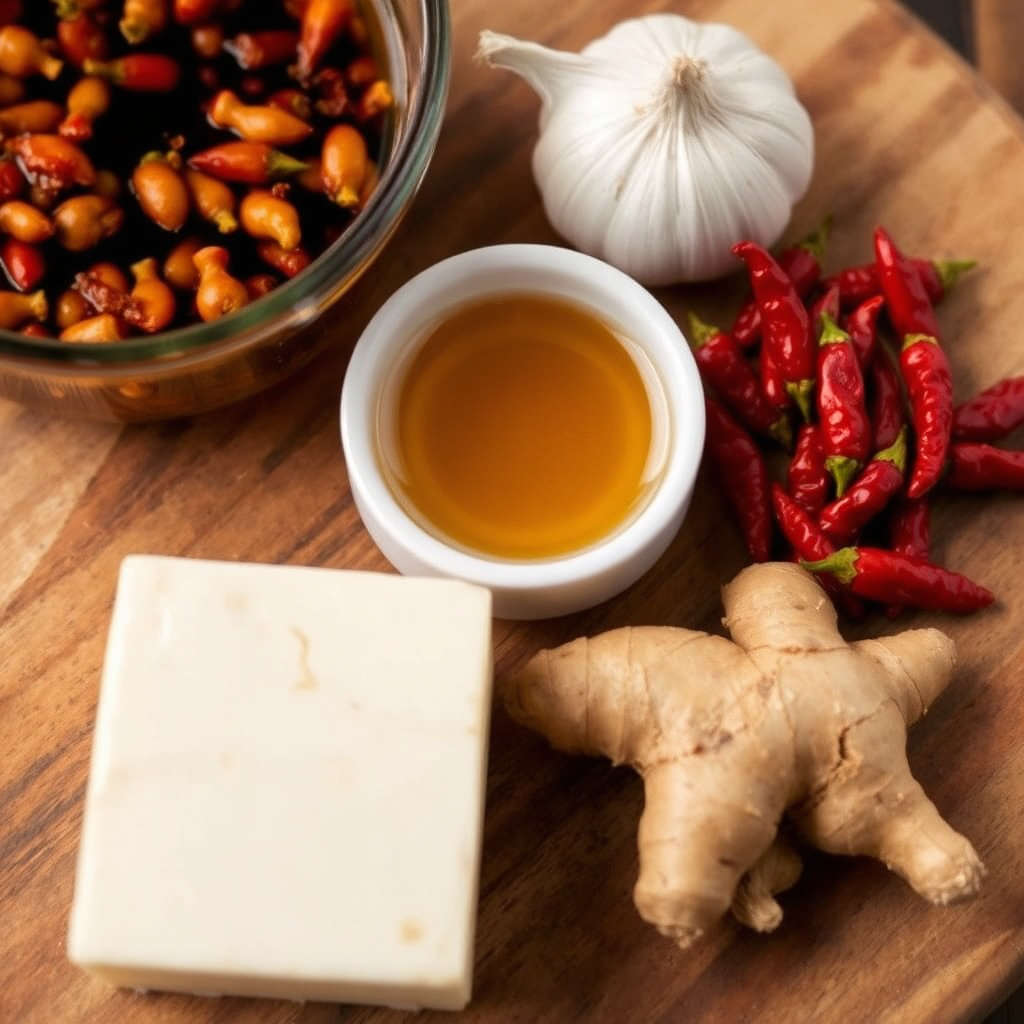
Fermented Broad Bean Paste (Doubanjiang)
Doubanjiang is a spicy, salty, and savory fermented paste made from broad beans, chili peppers, and salt. It is the foundational umami ingredient in mapo tofu sauce, giving it its deep red color and signature punchy flavor.
Because doubanjiang is aged and fermented, it imparts a complexity and depth not achievable with simple chili pastes. Quality doubanjiang from Sichuan is often dark red and has a slightly grainy texture.
Sichuan Peppercorns and Chili Oil
Sichuan peppercorns provide the distinctive numbing, tingling sensation known as "mala" which balances the spiciness with a unique flavor profile. They are usually toasted and ground before being added to the sauce.
Chili oil adds heat and a rich aromatic base to the sauce. It is typically made by infusing oil with dried chili flakes and sometimes aromatics like star anise or cinnamon for extra depth.
- Provides numbing effect (Sichuan peppercorns)
- Delivers heat and aroma (chili oil)
Supporting Flavor Components in Mapo Tofu Sauce

Aromatics: Garlic and Ginger
Fresh garlic and ginger are stir-fried at the start of the sauce preparation to release their fragrant oils and create a savory aroma base that complements the spicy ingredients.
These aromatics elevate the flavor complexity, adding pungency and slight sweetness that balances the intense chili and fermented paste.
Soy Sauce and Fermented Black Beans
Soy sauce adds additional umami and saltiness, enriching the sauce's savory depth without overpowering the fermented elements.
Fermented black beans (douchi), when included, contribute a subtle earthy and salty flavor that enhances the overall complexity of mapo tofu sauce, especially in authentic variations.
The Role of Texture and Thickening Agents

Cornstarch Slurry for Consistency
Cornstarch slurry (a mixture of cornstarch and water) is commonly added near the end of cooking to thicken the sauce, allowing it to coat the tofu and other ingredients evenly.
This finishing step ensures the sauce is glossy and clings well, creating the characteristic slightly viscous texture associated with mapo tofu.
For more on this, see our related guide: What Is Hot and Sour Soup? A Complete Guide to Its Flavor and Origins.
Oil Content and Mouthfeel
Oil—both from chili oil and cooking oil—plays a critical role in the sauce’s mouthfeel, providing richness that balances the sharpness of the spices and fermented components.
The oil helps carry flavors on the palate and adds a luxurious sensation, essential for authentic mapo tofu.
Variations in Mapo Tofu Sauce Recipes

Regional Differences in Sichuan
Within Sichuan province, recipes for mapo tofu sauce vary in spiciness level, type of fermented bean paste, and amount of Sichuan peppercorn used, reflecting local ingredient availability and taste preferences.
Some versions emphasize more numbing spice from peppercorns; others highlight smoky depth from specific doubanjiang brands.
Adaptations for Home Cooking
Home cooks outside China often substitute doubanjiang with chili bean paste or even chili garlic sauce if authentic ingredients are unavailable, adjusting seasoning to mimic the flavor profile.
To reduce heat or numbness, the quantity of chili and Sichuan peppercorn can be scaled back, making the sauce approachable for all palates.
- Use chili bean paste if doubanjiang is unavailable
- Adjust spice and numbing elements to taste
Preparing the Sauce: Step-by-Step Methods
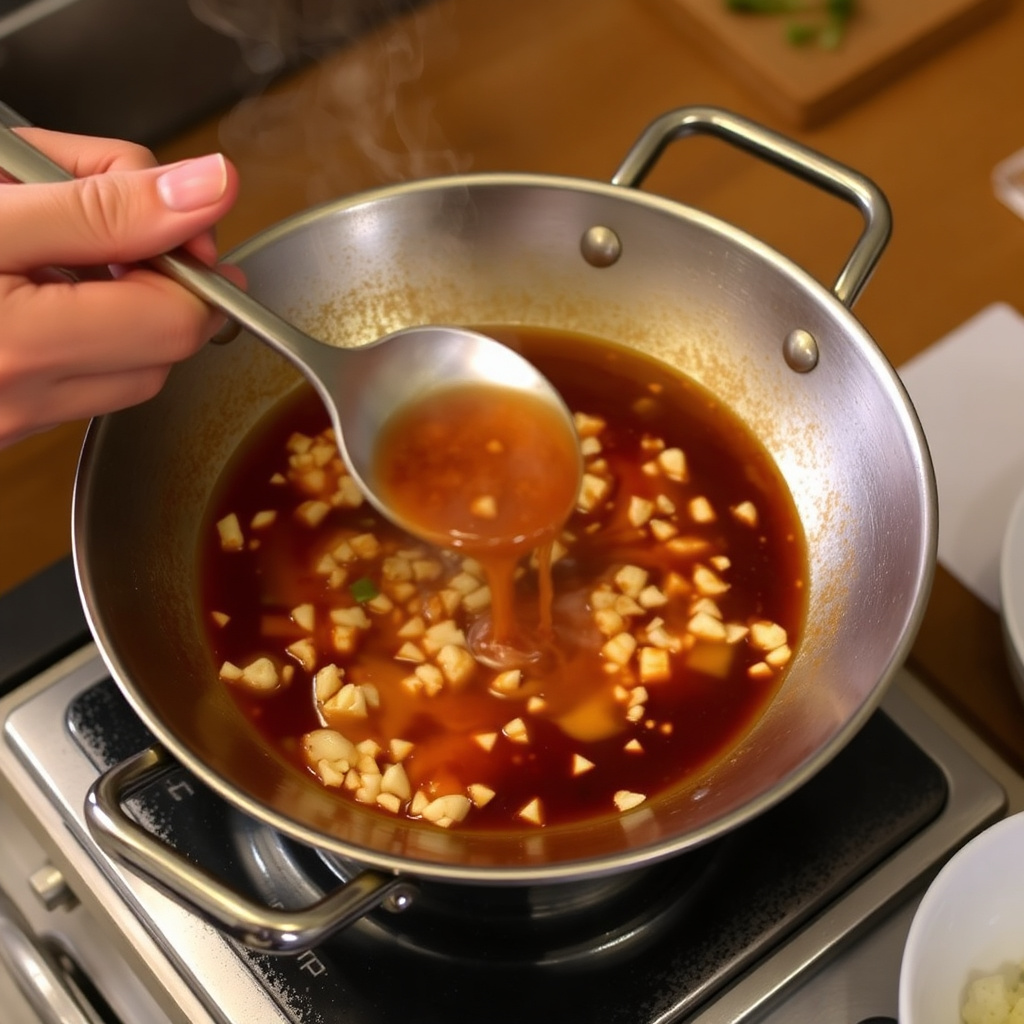
Initial Sauté of Aromatics and Doubanjiang
The sauce begins with heating oil and frying the minced garlic, ginger, and doubanjiang until fragrant, releasing their essential flavors into the oil.
This step builds the foundation of the sauce and infuses the oil with the characteristic pungency and spiciness that permeates the dish.
- Heat oil on medium heat
- Add garlic, ginger, and doubanjiang
- Sauté until oil turns red and fragrant
For more on this, see our related guide: What Is Sweet and Sour Pork? A Flavorful Chinese Classic Explained.
Adding Liquids and Thickening
Once the aromatics are fragrant, broth or water is added to adjust the sauce's consistency and provide moisture for simmering, allowing flavors to meld.
A cornstarch slurry is stirred in at the end to thicken the sauce, ensuring a glossy, clingy texture that binds the tofu and meat together.
- Pour in broth or water
- Simmer briefly to blend flavors
- Slowly stir in cornstarch slurry to thicken
Pairing and Serving Mapo Tofu Sauce
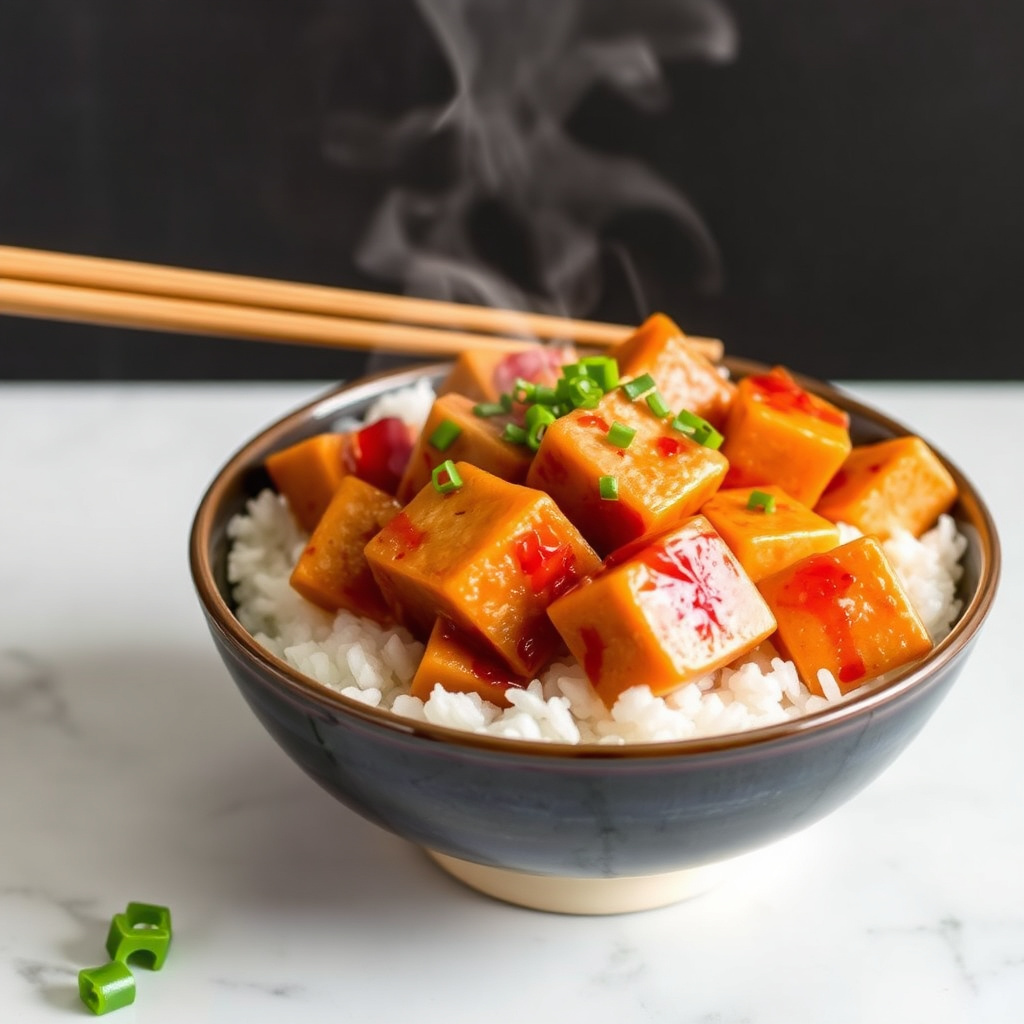
Traditional Pairings with Tofu and Meat
Mapo tofu sauce pairs traditionally with soft tofu cubes and ground pork or beef, where the rich, spicy sauce complements the smooth texture of tofu and umami of meat.
The interplay between the sauce’s bold flavors and the mildness of tofu creates a balanced and satisfying dish.
For further reading on the history and cultural significance of mapo tofu, see the detailed entry on Mapo tofu on Wikipedia. Mapo tofu on Wikipedia.
Serving Suggestions and Accompaniments
This sauce is best served hot over steamed white rice which absorbs the flavorful, spicy sauce perfectly. Side dishes like stir-fried greens or pickled vegetables help balance the heat.
Chilled beverages such as jasmine tea or cold beer also complement the complex flavors and spiciness of mapo tofu.
- Serve with steamed rice
- Pair with mild vegetable dishes
- Enjoy with jasmine tea or light beer
Comparison of Mapo Tofu Sauce Variations
Here's how different mapo tofu sauce styles compare based on spice level, numbing sensation, and traditional ingredients.
| Variation | Spice Level | Sichuan Peppercorn Usage | Fermented Bean Paste Type | Typical Protein Used |
|---|---|---|---|---|
| Authentic Sichuan | High | Generous amount | Traditional doubanjiang | Ground pork |
| Milder Home Style | Medium | Small amount | Chili bean paste substitute | Ground beef or chicken |
| Spicy Black Bean | Very High | Moderate | Doubanjiang with fermented black beans | Ground pork or beef |
| Vegetarian Version | Medium | Moderate | Doubanjiang or chili paste | No meat, tofu only |
Frequently Asked Questions
What is the main ingredient that gives mapo tofu sauce its spiciness?
The primary source of spiciness in mapo tofu sauce is doubanjiang, a fermented broad bean paste with chili peppers, along with chili oil added for extra heat.
Can I make mapo tofu sauce without Sichuan peppercorns?
Yes, but omitting Sichuan peppercorns removes the characteristic numbing sensation that defines authentic mapo tofu, altering the traditional flavor experience.
Is mapo tofu sauce gluten-free?
It depends on the soy sauce and doubanjiang brands you use; many contain wheat so choosing gluten-free varieties is necessary to make the sauce gluten-free.
How can I store leftover mapo tofu sauce?
Leftover sauce can be stored in an airtight container in the refrigerator for up to 3-4 days. Reheat gently before using to maintain texture and flavor.
What type of tofu is best for mapo tofu sauce?
Silken or soft tofu is typically used because it absorbs the sauce well and provides a smooth texture that contrasts with the spicy, savory sauce.
Key Takeaways
- Mapo tofu sauce's core is fermented broad bean paste (doubanjiang) combined with chili oil and Sichuan peppercorns.
- Garlic, ginger, soy sauce, and fermented black beans enhance the sauce's savory depth and aroma.
- Cornstarch slurry thickens the sauce, giving it a glossy texture that coats tofu perfectly.
- Regional and home variations adjust heat and ingredient availability while retaining key flavor traits.
Conclusion
Understanding the ingredients that make up mapo tofu sauce provides insight into why this dish is a beloved staple of Sichuan cuisine. The combination of fermented broad bean paste, spicy chili oil, and the numbing effect of Sichuan peppercorns creates a unique balance of flavors and sensations. When recreating mapo tofu sauce, focusing on these core elements leads to an authentic and satisfying result.
For cooks seeking authenticity, traditional doubanjiang and Sichuan peppercorns are essential. Those preferring mild heat can opt for chili bean paste substitutes or reduce the amount of chili oil. Regional versions showcase variety through additional fermented black beans or meat types, giving room to tailor the sauce to personal tastes and dietary preferences.
If you're ready to make mapo tofu sauce at home, start by sourcing quality doubanjiang and fresh aromatics. Experiment with spice levels and Sichuan peppercorns to find the right balance, and finish with a cornstarch slurry for perfect texture. This foundational sauce will enrich your cooking with one of China's most dynamic and flavorful sauces.




One Comment