How to Make Teriyaki Chicken: A Simple Homemade Recipe
To make teriyaki chicken, start by preparing a sauce composed of soy sauce, mirin, sake (or rice wine), and sugar. Marinate the chicken in this mixture for at least 30 minutes, then cook it in a hot pan until glazed and cooked through. The process results in tender, flavorful chicken coated with a shiny teriyaki sauce.
Teriyaki chicken stands out because of its balance of salty, sweet, and umami flavors which come from the combination of the sauce ingredients and the cooking method. Achieving that perfect glaze requires attention to cooking time and heat level, so the sauce reduces and thickens as the chicken caramelizes.
This recipe will cover selecting the right chicken cuts, preparing an authentic teriyaki sauce, proper marinating and cooking techniques, and tips to get that glossy finish on your teriyaki chicken. Plus, you’ll find advice on serving suggestions to create a complete meal.
Choosing the Right Chicken for Teriyaki Chicken
Chicken Thighs Versus Chicken Breast
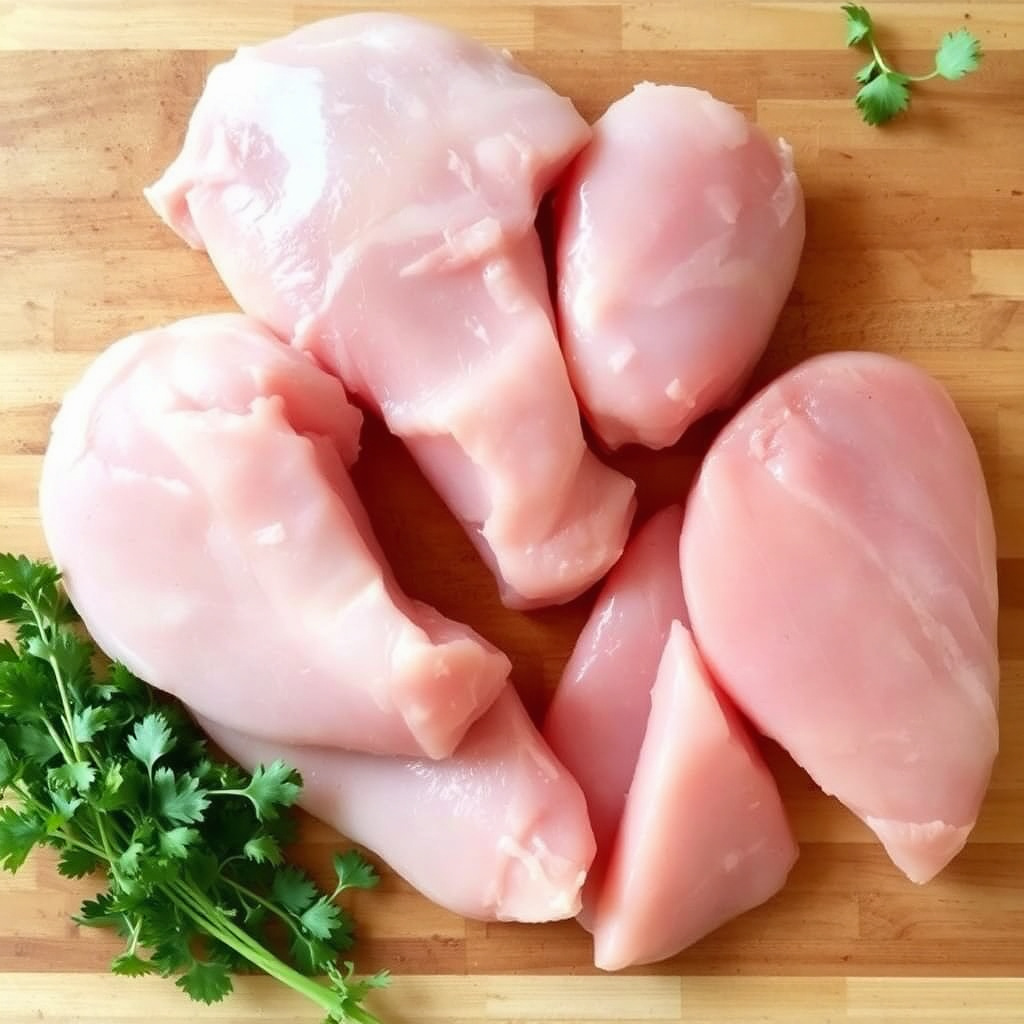
Chicken thighs are the preferred choice for teriyaki chicken due to their higher fat content, which keeps the meat moist and flavorful during cooking. The dark meat absorbs the teriyaki sauce better and remains tender even when cooked at higher heat.
Chicken breast is a leaner option and can work well if you prefer a lighter dish. However, it requires careful cooking to avoid drying out, often needing shorter cooking times or tenderizing before marinating.
- Chicken thighs: Juicier, more flavorful
- Chicken breasts: Leaner but prone to drying
- Boneless, skin-on thighs recommended for texture
Prepping the Chicken for Cooking
Before marinating, pat the chicken dry to help the sauce adhere better. Trim any excess fat or connective tissue for even cooking and a cleaner presentation.
Scoring the surface lightly can help the marinade penetrate deeper into the meat. If using bone-in cuts, adjust cooking time to ensure thorough doneness.
Making an Authentic Teriyaki Sauce
Key Ingredients in Teriyaki Sauce
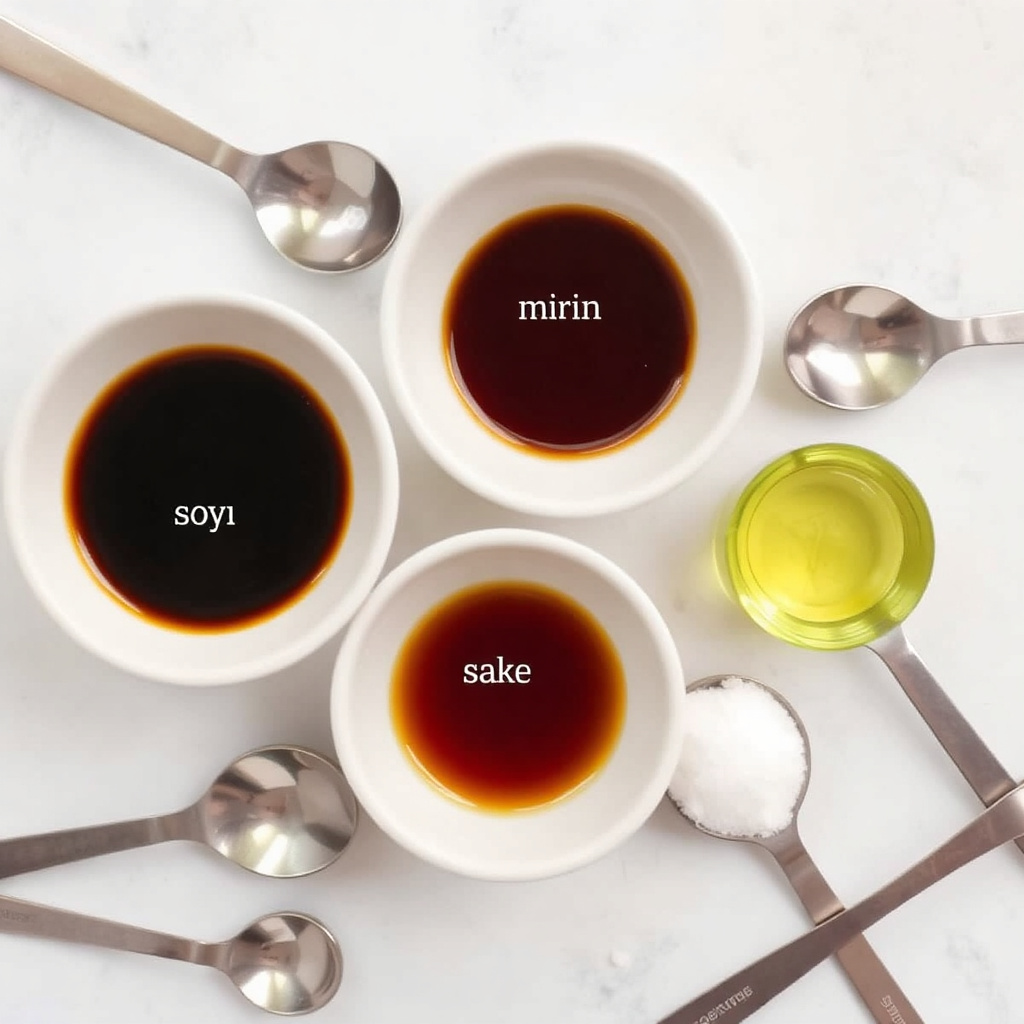
Traditional teriyaki sauce combines soy sauce, mirin (a sweet rice wine), sake, and sugar for a harmonious blend of salty, sweet, and umami notes. Some variations add ginger or garlic for complexity.
Mirin provides sweetness and acidity, while sake contributes depth. If mirin or sake isn't available, substitutions like a rice wine vinegar and sugar mix can be used but will alter the flavor slightly.
- Soy sauce for saltiness
- Mirin for sweetness
- Sake for umami
- Sugar to balance flavors
For more on this, see our related guide: What Is Teriyaki? Understanding the Flavor and Uses of Teriyaki Sauce.
Balancing Flavors and Consistency
The sugar amount controls how sweet the sauce becomes and how it caramelizes on the chicken. Stirring the sauce while simmering helps dissolve sugar and develop thickness.
Adjust ratios to your taste preference; more sugar if you like sweeter chicken or additional soy for saltier flavor. Achieving a shiny glaze requires the sauce to reduce to a syrupy consistency before coating the chicken.
Marinating and Cooking Teriyaki Chicken
Marinating Tips for Maximum Flavor
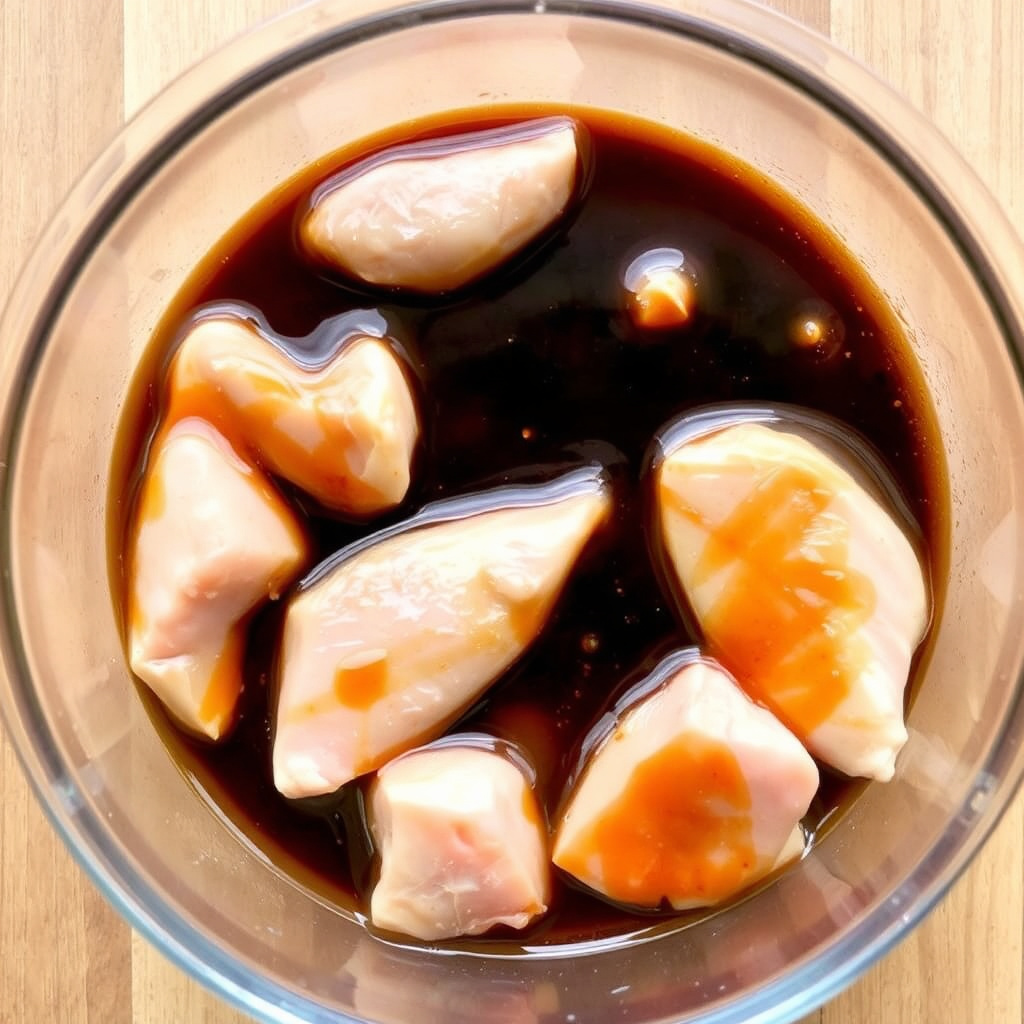
Marinate the chicken in the teriyaki sauce for at least 30 minutes, but an hour or more allows the flavors to penetrate deeper. Refrigerate during marinating to keep the meat safe.
Avoid over-marinating for more than 24 hours as the acid in the sauce can change the texture of the chicken, making it mushy.
- Marinate at least 30 minutes
- Refrigerate while marinating
- Avoid over 24 hours
Cooking Techniques for Perfect Teriyaki Chicken
Cook the marinated chicken in a hot skillet or grill. Remove excess marinade to prevent flare-ups if grilling and pour fresh sauce over during cooking to build layers of flavor.
Cook until the chicken is fully done and the sauce has caramelized into a sticky glaze. Turning the chicken occasionally helps it cook evenly and develop a nice golden crust.
- High heat for caramelization
- Use fresh sauce during cooking
- Turn for even cooking
Serving Suggestions and Garnishes for Teriyaki Chicken
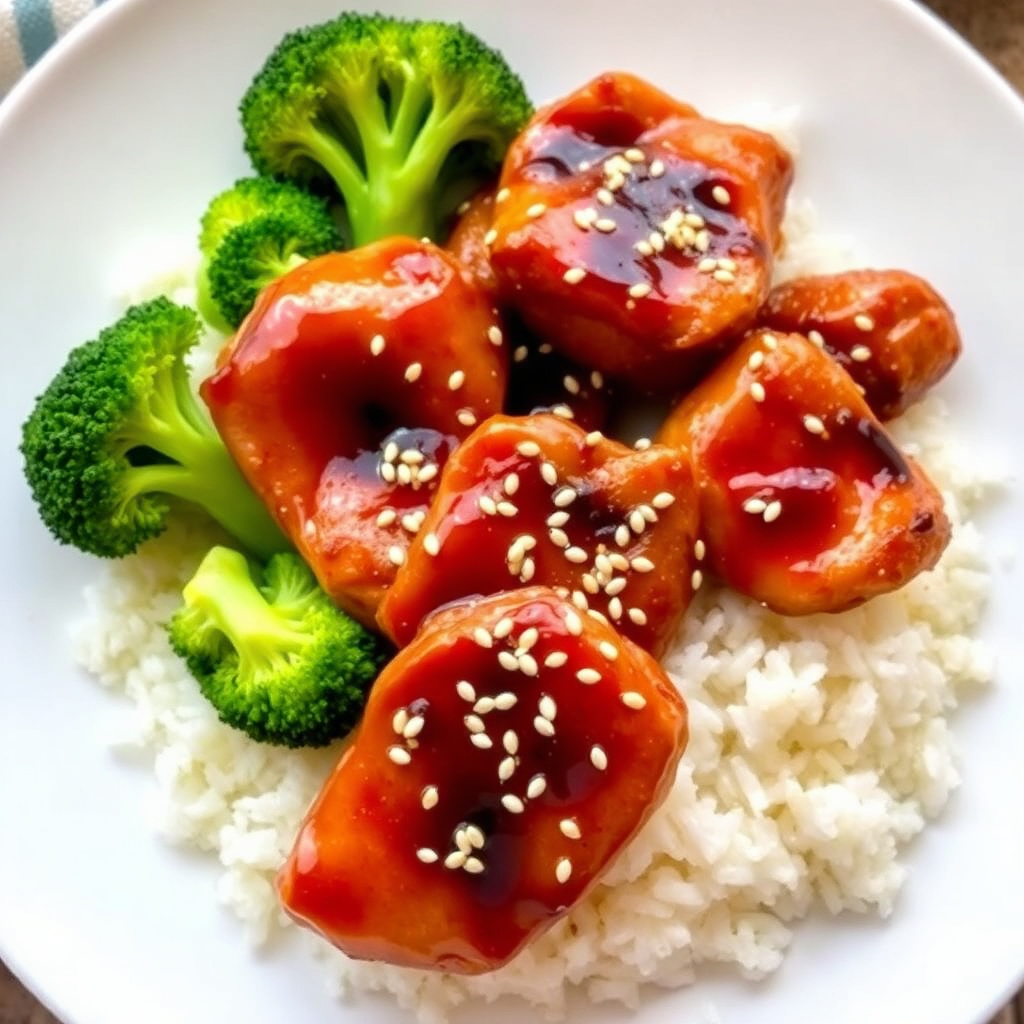
Traditional Sides to Complement Teriyaki Chicken
White rice is the classic accompaniment as its neutral flavor balances the rich, sweet-salty chicken. Steamed or sautéed green vegetables like broccoli or snap peas add freshness and texture contrast.
Pickled vegetables or a simple salad can provide acidity to cut through the glaze's richness, balancing the meal beautifully.
- Steamed white rice
- Broccoli or snap peas
- Pickled ginger or cucumber salad
For more on this, see our related guide: What is General Tso Sauce Made Of? A Complete Ingredient Breakdown.
Garnishes to Enhance Flavor and Presentation
A sprinkle of toasted sesame seeds adds subtle nuttiness and crunch to teriyaki chicken. Thinly sliced green onions provide a fresh, sharp contrast and improve visual appeal.
Adding a drizzle of extra reduced teriyaki sauce right before serving enhances both flavor intensity and glossiness.
- Toasted sesame seeds
- Sliced green onions
- Extra sauce drizzle
Storing and Reheating Tips for Teriyaki Chicken
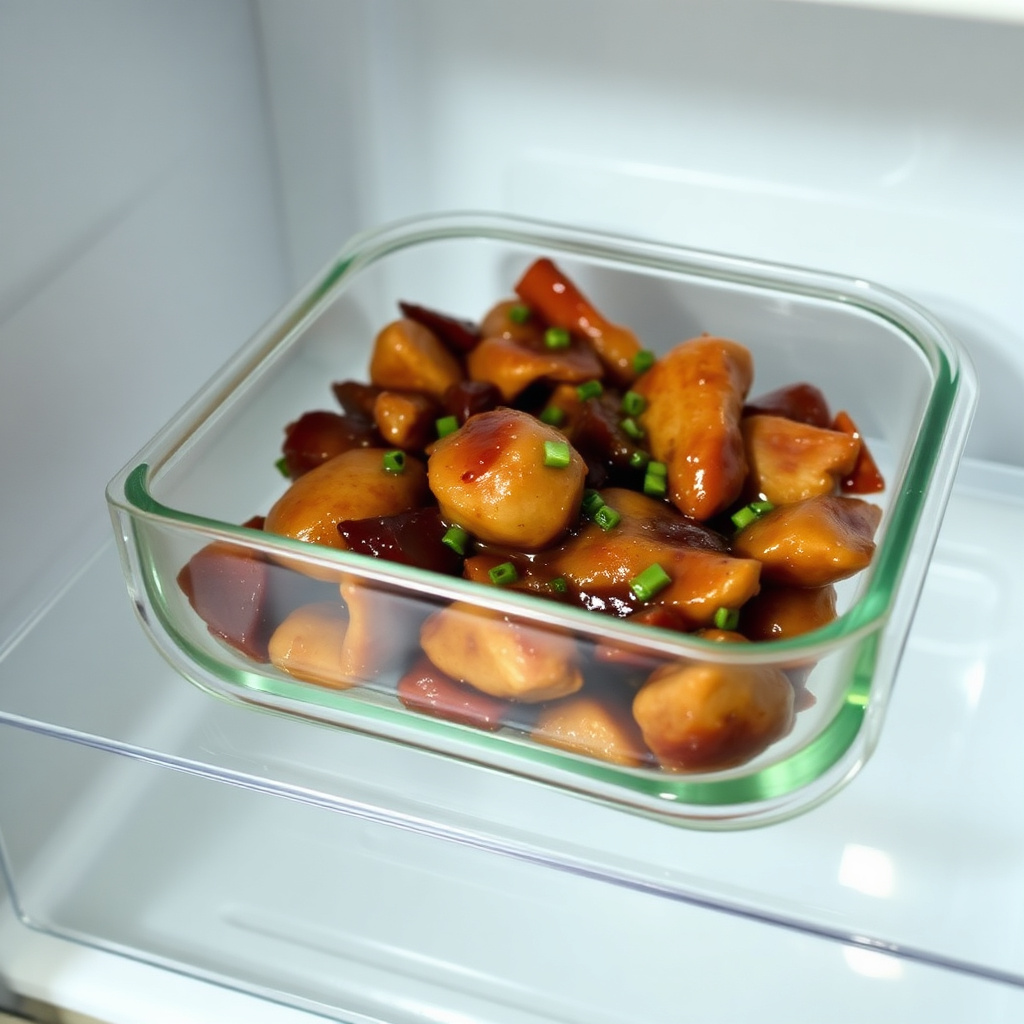
Proper Storage to Maintain Flavor
Store leftover teriyaki chicken in an airtight container in the refrigerator for up to three days. Keeping sauce separate can prevent the chicken from becoming soggy.
Make sure chicken has cooled before refrigeration to avoid condensation, which can affect texture.
- Use airtight container
- Separate sauce if possible
- Refrigerate within 2 hours
For more background on the origins and variations of teriyaki, you can consult the teriyaki chicken Wikipedia article. teriyaki chicken Wikipedia article.
Best Methods to Reheat
Reheat gently in a skillet over medium heat to warm evenly and restore some crispness to the glazed skin or coating. Avoid microwaving if possible, as it can make the chicken rubbery.
Add a small splash of water or fresh teriyaki sauce while reheating to prevent drying out and keep the flavors vibrant.
- Reheat in skillet medium heat
- Avoid microwaving
- Add sauce or water when warming
Teriyaki Chicken Category Comparison
Here’s a comparison of popular chicken cuts and cooking methods for teriyaki chicken to help you choose what suits your taste and schedule.
| Category | Flavor Intensity | Cooking Time | Ease of Preparation | Best For |
|---|---|---|---|---|
| Boneless Chicken Thighs | High | 15-20 minutes | Easy | Juicy, quick weeknight meals |
| Bone-in Chicken Thighs | Very High | 25-30 minutes | Moderate | More flavorful, family dinners |
| Chicken Breast | Moderate | 12-15 minutes | Easy | Lean, lighter option |
| Grilled Teriyaki Chicken | High | 20-25 minutes | Moderate | Smoky flavor, outdoor cooking |
| Pan-seared Teriyaki Chicken | High | 15-20 minutes | Easy | Indoor convenience with glaze |
Frequently Asked Questions
Can I use bottled teriyaki sauce instead of making it from scratch?
Yes, bottled teriyaki sauce can be used for convenience, but homemade sauce lets you control sweetness, saltiness, and thickness for a fresher, more balanced dish.
Is teriyaki chicken healthy?
Teriyaki chicken can be healthy depending on ingredient amounts and portion size. Using lean chicken breast and limiting added sugar can make it a nutritious choice.
How long should I marinate chicken for teriyaki?
Marinate the chicken for at least 30 minutes to allow flavors to penetrate; up to 24 hours is fine but longer may affect texture negatively.
Can I freeze teriyaki chicken after cooking?
Yes, cooked teriyaki chicken freezes well for up to 2-3 months. Thaw in the refrigerator and reheat gently to maintain texture and flavor.
What sides go best with teriyaki chicken?
Classic sides include steamed white rice, sautéed green vegetables like broccoli or snap peas, and pickled vegetables for acidity and texture contrast.
Key Takeaways
- Use chicken thighs for juicier teriyaki chicken with deeper flavor.
- A balanced homemade teriyaki sauce with soy, mirin, sake, and sugar yields the best glaze.
- Marinate at least 30 minutes and cook over high heat for caramelized glaze.
- Serve with steamed rice and green vegetables for a classic, balanced meal.
Conclusion
Making teriyaki chicken at home is a rewarding way to enjoy a well-loved Japanese dish that yields flavorful, tender meat coated in a glossy, sweet-savory sauce. The choice of chicken cut, whether thighs or breasts, significantly impacts juiciness and texture. Combining soy sauce, mirin, sake, and sugar provides the authentic backbone of the dish’s signature flavor. Carefully marinating and then cooking the chicken on high heat ensures a caramelized exterior while maintaining moisture inside. These steps form the foundation of mastering teriyaki chicken and allow you to customize sweetness and saltiness to your preference.
For practical recommendations, boneless chicken thighs are ideal for quick, juicy meals without fuss, while bone-in thighs add richness for family dinners. Grilling introduces a smoky layer, and pan-searing offers indoor convenience without sacrificing flavor. Utilize the homemade sauce recipe outlined here to tailor the glaze thickness and balance. Pairing with steamed white rice complements the robust sauce, while bright green vegetables or pickled sides enhance texture and freshness. These combinations help create a satisfying, complete meal that highlights the teriyaki chicken.
The next step is to gather your ingredients and experiment with the marinating times and sauce balance to match your personal taste. Remember, temperature control during cooking is key to avoid dryness or burnt edges. Whether you’re preparing a quick dinner or a flavorful treat for guests, this teriyaki chicken recipe provides a reliable, flavorful formula to cook confidently. Enjoy crafting your version of teriyaki chicken and exploring variations that keep this classic dish exciting.