How to Make Pot Stickers: A Step-by-Step Homemade Recipe
Making pot stickers at home is straightforward when you use simple ingredients and follow clear steps. Pot stickers are pan-fried dumplings with a tender wrapper and a juicy filling, typically made from ground meat and vegetables. You start by preparing the dough or using store-bought wrappers, then stuff them with the filling, seal, fry, and steam them perfectly.
This recipe matters because homemade pot stickers deliver a texture and flavor store-bought varieties rarely match. Their appeal lies in the delightful contrast between the crispy bottom and tender, steamed tops. Crafting them yourself lets you customize fillings to suit your taste, creating a fresh, satisfying appetizer or main dish.
This article will cover essential aspects of making pot stickers, from dough preparation and filling choices to folding techniques and cooking methods. You’ll also find tips for getting the perfect crisp and avoiding common pitfalls that can make homemade pot stickers less than ideal.
Preparing the Pot Sticker Dough
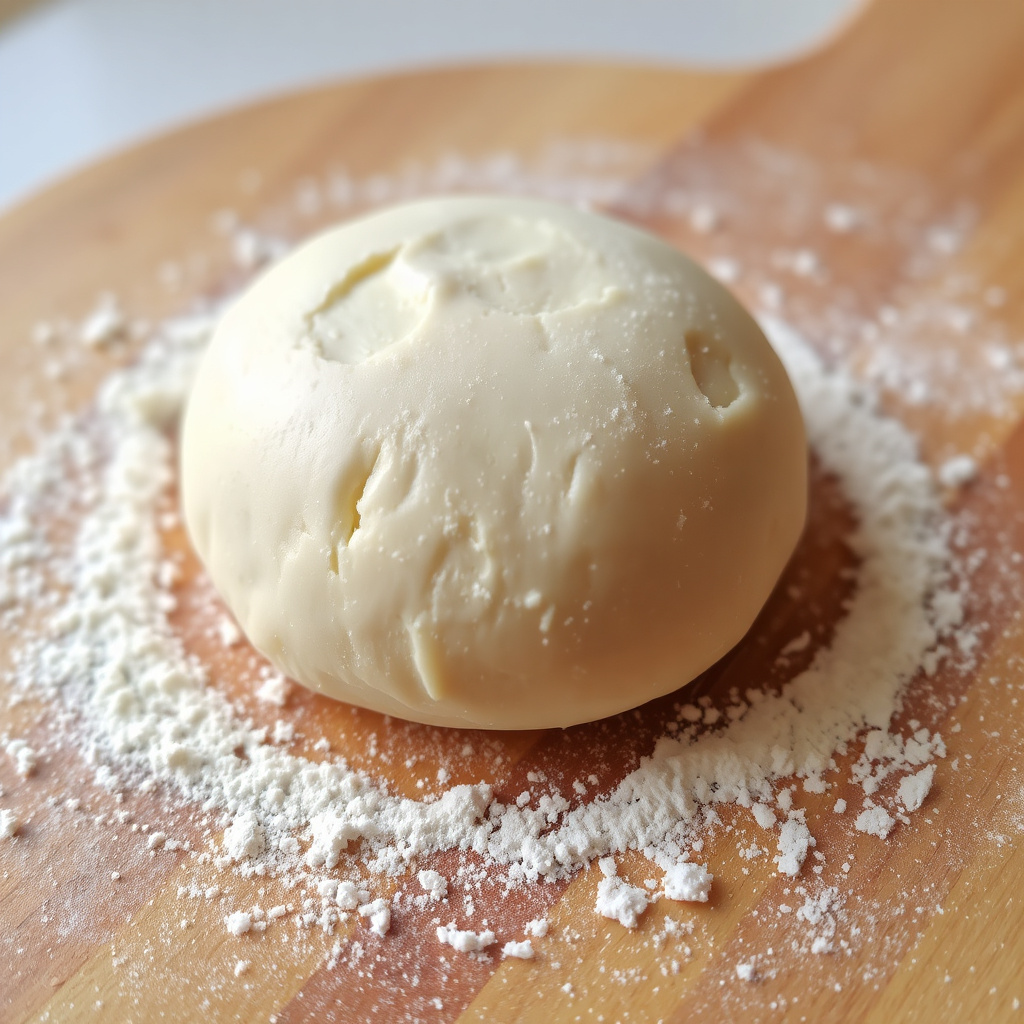
Ingredients for Homemade Dough
Making pot sticker dough requires only a few basic ingredients: all-purpose flour, water, and a pinch of salt. The flour provides structure, while water hydrates and binds it. Salt adds subtle flavor to the dough. Cold water yields a more elastic dough, which results in wrappers that are easier to work with and less prone to tearing during folding.
Measuring precisely and mixing gently prevents overworking the dough, which can make it tough. After mixing, resting the dough for at least 30 minutes allows the gluten to relax, making it smoother and easier to roll out into thin, even circles needed for pot stickers.
Using Store-Bought Wrappers
For convenience, many cooks opt for store-bought pot sticker wrappers. These are pre-rolled, circular, thin dough sheets often found in the refrigerated section of Asian grocery stores. They save preparation time and still produce excellent results.
When using store-bought wrappers, it’s important to keep them covered with a damp towel to prevent drying out while filling and folding. Also, gently separate each wrapper without tearing before filling to maintain the integrity of the pot stickers.
Selecting and Preparing the Pot Sticker Filling

Best Pot Sticker Filling Ingredients
Traditional pot sticker fillings often feature ground pork combined with chopped cabbage, garlic, ginger, and scallions. The pork adds juicy richness, while the vegetables provide crunch and freshness. Seasonings like soy sauce, sesame oil, and white pepper create balanced umami flavors.
Vegetarian options are also popular and can include finely chopped mushrooms, tofu, and shredded vegetables. The key is to have a filling that is moist but not soggy, which helps maintain good texture after cooking.
- Ground meat or tofu
- Cabbage or Napa cabbage
- Fresh ginger and garlic
- Scallions
- Soy sauce and sesame oil
Mixing and Preparing the Filling
Combine all filling ingredients in a bowl and mix gently to blend flavors without mashing the vegetables. Overmixing can cause the filling to become dense and dry. The mixture should hold together yet remain tender.
Chilling the filling for 15-30 minutes before assembly allows flavors to marry and firms up the mixture, making it easier to scoop and preventing wrappers from tearing during sealing.
Pot Sticker Folding Techniques

Basic Half-Moon Fold
The simplest method folds the circular wrapper in half over the filling to form a half-moon shape. Pinch the edges together tightly to prevent leaks during cooking. Use a bit of water on the edges to create a good seal.
This fold is quick and practical, forming a sturdy dumpling that cooks evenly. It’s ideal for beginners who want to master pot sticker assembly without complex techniques.
For more on this, see our related guide: What Are Pot Stickers? A Complete Guide to This Popular Dish.
Pleated Fold for Traditional Look
The pleated or crimped fold creates an elegant, textured edge by making small folds along the semi-circular seam. It requires practice but results in a distinctive appearance often associated with restaurant-quality dumplings.
Start at one end and make even pleats, pressing each fold to seal firmly. This helps hold more filling securely and can slightly affect texture by concentrating thickness at the edge.
- Start at one edge
- Make 5-7 pleats
- Press folds firmly
Cooking Methods for Pot Stickers

Pan-Frying and Steaming Hybrid Cooking
The classic pot sticker cooking method starts by frying the dumplings in a little oil until their bottoms turn golden and crispy. Next, add a small amount of water and cover the pan tightly to steam the pot stickers until the filling is cooked through.
This dual method achieves the signature contrast of crispy-bottom and tender top textures. It requires monitoring water evaporation carefully to avoid burning or sticking.
Boiling and Steaming Alternatives
While pan-fried pot stickers are popular, boiling is a simpler method that produces uniformly soft dumplings rather than crispy ones. Boil gently in salted water until they float, signaling doneness.
Steaming is another option that yields soft dumplings and preserves delicate fillings. Steaming requires a bamboo steamer or rack and clean layering to prevent sticking.
- Boil until dumplings float
- Steam for 8-10 minutes
- Use parchment or cabbage leaves to prevent sticking
Serving and Storing Pot Stickers
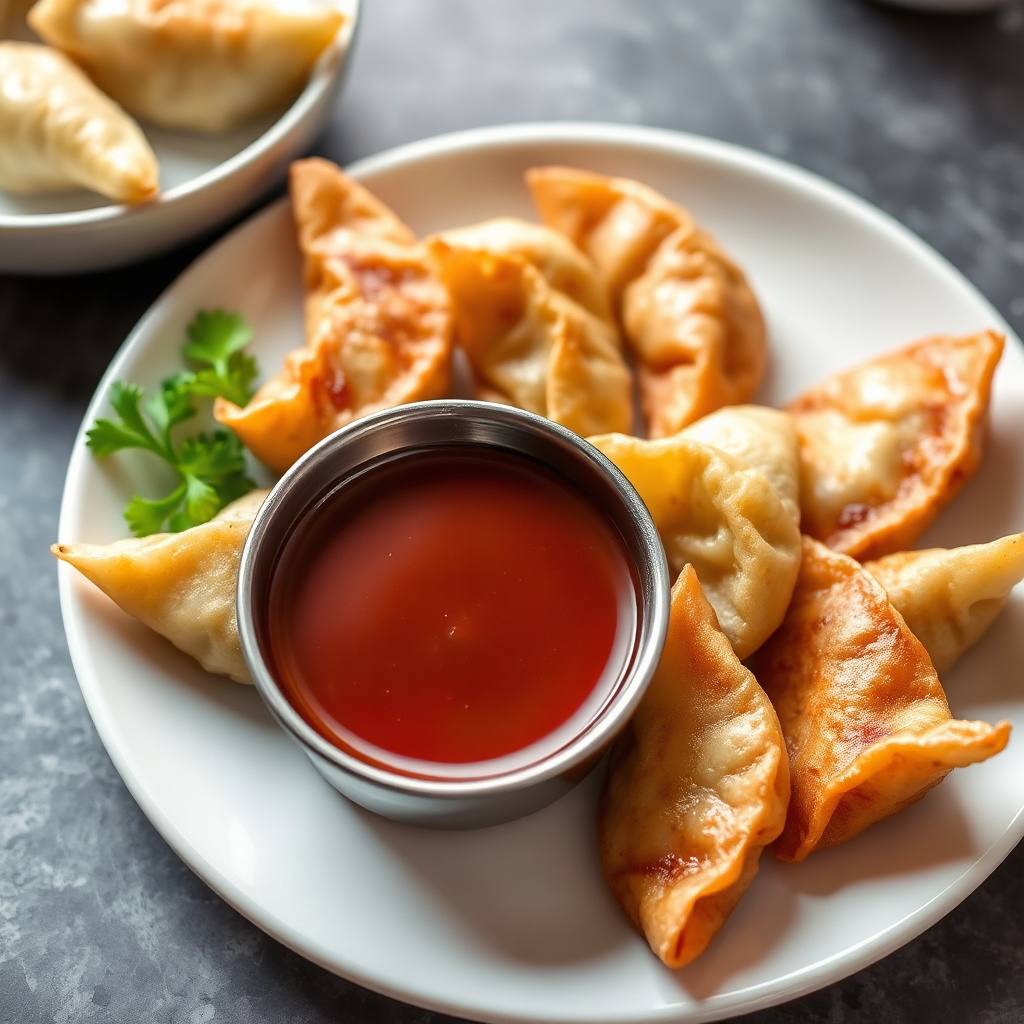
Dipping Sauces and Garnishes
Pot stickers pair well with a range of dipping sauces, from classic soy sauce mixed with vinegar and chili oil to more complex blends including minced garlic or ginger. These add zest and depth, complementing the dumplings’ rich filling.
Garnishes like chopped scallions, toasted sesame seeds, or a drizzle of sriracha can enhance both presentation and flavor, creating a well-rounded dish that excites the palate.
- Soy sauce and rice vinegar
- Chili oil or paste
- Scallions and sesame seeds
For more on this, see our related guide: What Is Gyoza? A Complete Guide to This Popular Japanese Dumpling.
Storing and Reheating Leftovers
Leftover pot stickers can be refrigerated in an airtight container for up to 3 days or frozen for longer storage. When reheating, pan-frying again briefly restores crispiness, while microwaving may cause sogginess.
To reheat frozen pot stickers, steam them directly from frozen or pan-fry with a bit of water to replicate the original cooking method.
Common Challenges When Making Pot Stickers

Preventing Wrappers from Tearing
Tear-prone wrappers are a common issue, often stemming from dough that is too dry or too thin. Keeping the dough well-rested and rolling wrappers evenly thicker can help avoid tearing during filling and folding.
Using enough water on the edges during sealing creates a strong adhesive bond, keeping the pot sticker intact through frying and steaming.
For more historical and cultural background on pot stickers, visit the Pot Sticker Wikipedia page. Pot Sticker Wikipedia page.
Avoiding Soggy or Undercooked Filling
Soggy fillings usually result from excess moisture in the vegetables or undercooking. Squeezing shredded vegetables to remove water before mixing reduces sogginess.
Cooking pot stickers with the pan-fry then steam method ensures thorough cooking. Avoid overfilling dumplings, which might cause uneven cooking or rupturing during frying.
- Drain and squeeze vegetables
- Use correct filling proportions
- Fry then steam properly
Pot Sticker Wrappers Category Comparison
Here's a comparison of different pot sticker wrappers, highlighting ease of use, texture, and availability to help you choose the best option.
| Wrapper Type | Ease of Use | Texture After Cooking | Availability |
|---|---|---|---|
| Homemade Dough | Moderate | Chewy and Fresh | Requires preparation |
| Store-Bought Refrigerated | Easy | Tender and Reliable | Asian grocery stores |
| Frozen Pre-Made | Very Easy | Softer, Less Elastic | Supermarkets |
| Wonton Wrappers | Easy | Thin and Delicate | Widely Available |
Frequently Asked Questions
Can I make pot sticker dough ahead of time?
Yes, pot sticker dough can be made in advance and refrigerated for up to 2 days or frozen for longer storage. Cover tightly to prevent drying out.
What meat is best for pot sticker filling?
Ground pork is traditional and offers juicy flavor, but ground chicken, turkey, or beef can also be used depending on preference.
How do I prevent pot stickers from sticking to the pan?
Use a non-stick pan or a well-seasoned cast iron skillet and sufficient oil when pan-frying. Avoid moving pot stickers until the bottoms are golden.
Are pot stickers the same as dumplings?
Pot stickers are a type of dumpling, specifically pan-fried and steamed to create a crispy bottom, differing in cooking style from boiled or steamed dumplings.
Can I freeze assembled pot stickers before cooking?
Yes, place assembled pot stickers on a tray to freeze individually, then transfer to a freezer bag. Cook directly from frozen, adjusting steaming time.
Key Takeaways
- Pot stickers combine pan-frying and steaming for a unique texture.
- Homemade dough and freshly prepared filling enhance flavor and texture.
- Folding techniques affect dumpling appearance and sealing strength.
- Proper cooking and reheating preserve crispiness and filling juiciness.
Conclusion
Making pot stickers requires balancing dough elasticity, flavorful filling, and correct cooking techniques. Understanding each step—from mixing dough and stuffing to folding and the critical pan-fry-then-steam method—allows you to craft dumplings with the classic crispy bottom and tender steamed top. Attention to detail avoids common issues like tearing wrappers or soggy filling, resulting in a satisfying homemade experience.
If convenience matters, store-bought wrappers paired with a homemade ground pork and cabbage filling produce delicious results with less prep time. For those interested in vegetarian options, mushroom and tofu blends deliver tasty, albeit softer, fillings suitable for pan frying or steaming. Try both half-moon and pleated folds to find what feels manageable and looks appealing for your plate.
The next step is to gather your ingredients and kitchen tools, then follow the step-by-step approach outlined here. With practice, you can customize flavors and shapes, serving pot stickers that impress family and friends. Experiment with dipping sauces and reheating techniques to maximize enjoyment from every batch.