What Is Gyoza? A Complete Guide to This Popular Japanese Dumpling
Gyoza is a type of Japanese dumpling characterized by a thin, wheat-based wrapper filled with seasoned ground meat and vegetables. It is typically pan-fried until crispy on one side, then steamed, offering a satisfying combination of textures and rich flavors. Whether served as an appetizer or a main dish, gyoza is beloved throughout Japan and internationally.
The origins of gyoza trace back to Chinese jiaozi, but the Japanese version features a thinner wrapper and a slightly different filling mix, often incorporating garlic, ginger, and soy sauce for a distinct flavor profile. Gyoza’s popularity stems from its convenience, versatility, and the unique cooking method that creates a crispy yet tender bite.
This article explores what gyoza is, including its history, varieties, typical fillings, and cooking techniques. You will also find tips to make your own gyoza at home, information on store-bought options, and advice on pairing gyoza with dipping sauces or beverages.
History and Cultural Significance of Gyoza

Origins of Gyoza in Japanese Cuisine
Gyoza was introduced to Japan from China during the early 20th century, evolving from the Chinese jiaozi dumpling. Unlike its Chinese counterpart, gyoza became thinner and crispier due to Japanese tastes favoring texture contrast. It became widespread after World War II, especially in regions like Hamamatsu and Utsunomiya, which are famous for their unique gyoza styles.
The adaptation of local ingredients and Japanese flavors helped gyoza carve out a distinct identity within Japan's broader culinary landscape. It quickly grew beyond restaurant menus to become a staple in home cooking and convenient ready-made dishes.
Gyoza’s Place in Japanese Food Culture
Gyoza is more than just a dish; it's a social food often shared among friends and family over drinks or meals. Eating gyoza at specialized eateries or as street food is a popular cultural experience, highlighting Japan’s love for small, shareable dishes called "izakaya" style dining.
Many cities feature their own gyoza festivals that celebrate regional variations, emphasizing the dish’s significance not just as food but as community identity. This cultural role has boosted gyoza’s popularity both domestically and abroad.
Common Types of Gyoza and Their Differences

Pan-Fried Gyoza (Yaki Gyoza)
Yaki gyoza is the most popular type, cooked by frying one side in oil until golden and crispy, then adding water to the pan and covering it to steam the filling. This method produces gyoza with a crunchy bottom and tender top, favored for its contrasting textures.
This style is often served with dipping sauces made from soy sauce, vinegar, and chili oil. The cooking technique requires attention to heat and timing, making it a favorite among chefs for balancing crispness with juicy filling.
Boiled (Sui Gyoza) and Deep-Fried (Age Gyoza)
Sui gyoza are boiled until soft and tender, often served in broth or as part of soups. They provide a lighter alternative with a chewy, smooth texture from the steamed wrapper, highlighting the filling rather than the wrapper's crispness.
Age gyoza are deep-fried to a crunchy texture throughout, offering a richer and heavier snack or appetizer. This variation is common in bars or ramen shops as a crunchy complement to meals.
Typical Ingredients and Fillings in Gyoza
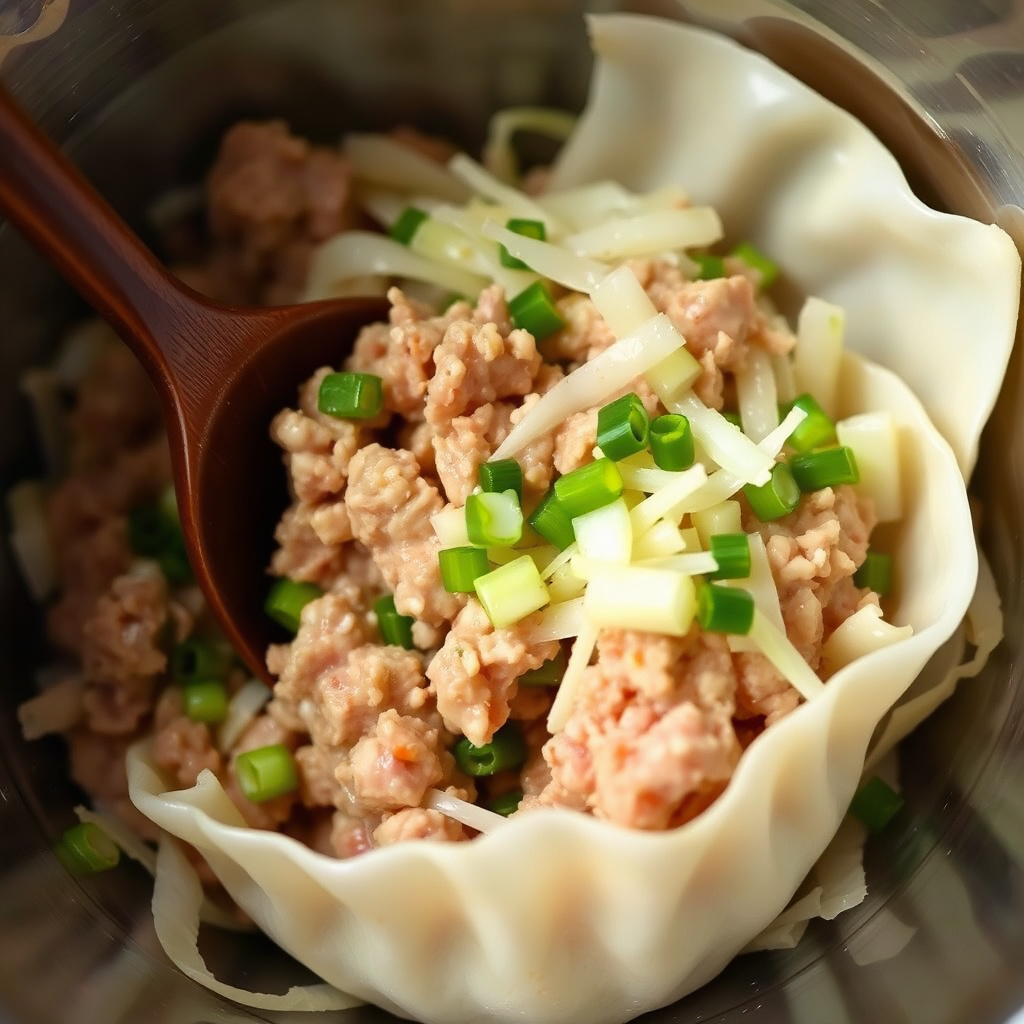
Classic Gyoza Filling Ingredients
The quintessential filling for gyoza consists of ground pork, finely chopped cabbage, garlic, ginger, and green onions mixed with soy sauce, sesame oil, and sometimes sake. This blend creates a savory, aromatic filling that remains juicy after cooking.
Variations might include adding mushrooms, chives, or other vegetables to accommodate dietary preferences or regional tastes, but the balance between meat and vegetables is usually maintained to keep the ideal texture and moisture.
For more on this, see our related guide: What Are Pot Stickers? A Complete Guide to This Popular Dish.
Vegetarian and Alternative Fillings
Vegetarian gyoza fillings often replace meat with tofu, mushrooms, or even kimchi, seasoned with similar spices and oils to mimic traditional flavors. These are increasingly popular as plant-based diets grow worldwide.
Seafood versions, including shrimp or crab, also appear on menus, bringing a lighter, sweeter option that pairs well with simpler dipping sauces to highlight the delicate ingredients.
How to Make Gyoza at Home

Preparing the Filling and Wrapping Gyoza
Begin by finely chopping ingredients for the filling and mixing them thoroughly for an even distribution of flavors. Gyoza wrappers are typically round and thin; spoon a small amount of filling in the center, wet the edges with water, and fold into a half-moon shape, pleating the edges to seal tightly.
Correct sealing ensures juices remain inside during cooking and that gyoza retain their shape. Mastering folding techniques improves presentation and cooking quality.
- Use fresh ingredients for best flavor
- Seal edges firmly to avoid filling leakage
- Experiment with pleating styles for aesthetics
Cooking Techniques: Pan-frying and Steaming
To achieve crispy pan-fried gyoza, heat a non-stick skillet with oil, place gyoza flat-side down, and fry until golden. Add water (about one-third the pan volume) and cover immediately, steaming until water evaporates. This dual cooking method seals in moisture and creates a crisp bottom crust.
For boiled or deep-fried versions, maintain gentle boiling or monitor oil temperature closely (around 350°F or 175°C) to cook evenly without burning.
- Use a lid for steaming during pan-frying
- Adjust heat for even cooking
- Drain excess oil after deep-frying
Serving Gyoza: Dipping Sauces and Pairings

Classic Dipping Sauces for Gyoza
The standard dipping sauce for gyoza combines soy sauce, rice vinegar, and a few drops of chili oil, balancing salty, sour, and spicy notes to complement the rich filling. Variations may include grated garlic, sesame oil, or ponzu for added complexity.
Tailoring dipping sauces to personal preference enhances the gyoza experience, encouraging experimentation with flavors and spice levels.
- Soy sauce and rice vinegar base
- Chili oil or fresh chili for heat
- Optional garlic or sesame oil additions
Beverages and Side Dishes That Pair Well
Gyoza pairs beautifully with light beers, sake, or green tea, balancing richness with refreshing notes. Popular side dishes include miso soup, steamed rice, or simple salads to round out the meal without overpowering gyoza’s flavors.
In casual dining settings, gyoza often accompanies ramen or udon noodles, adding a satisfying textural contrast.
Buying Gyoza: Fresh, Frozen, and Restaurant Options

Fresh and Frozen Gyoza in Stores
Supermarkets and Asian grocers offer fresh and frozen gyoza ranging from mass-produced brands to artisanal options. Frozen gyoza provide convenient, quick meals with decent quality, while fresh gyoza often have more delicate wrappers and richer fillings but require refrigeration and prompt cooking.
Labels and ingredient lists can guide shoppers looking for organic, low-sodium, or vegetarian varieties.
- Check manufacture date and storage instructions
- Look for authentic filling ingredients
- Consider gluten-free wrappers if needed
For detailed historical and cultural information, you can visit the Gyoza Wikipedia page. Gyoza Wikipedia page.
Eating Out: What to Expect in Restaurants
Restaurants usually serve freshly made gyoza featuring the pan-fried style, often handcrafted in small batches. Quality and taste can vary widely, with specialized gyoza shops focusing on unique regional flavors or innovative fillings.
Ordering gyoza alongside other Japanese dishes can offer a richer taste experience, exposing diners to traditional and modern interpretations.
Gyoza Cooking Methods Comparison
The following table compares popular gyoza cooking methods by texture, flavor, and preparation time to help you choose your preferred style.
| Cooking Method | Texture | Flavor Profile | Preparation Time | Best For |
|---|---|---|---|---|
| Pan-Fried (Yaki Gyoza) | Crispy bottom, tender top | Savory with rich meat flavors | 10-15 minutes | Traditional taste and texture lovers |
| Boiled (Sui Gyoza) | Soft and chewy | Mild, lighter filling flavor | 8-12 minutes | Soups and lighter meals |
| Deep-Fried (Age Gyoza) | Crunchy all over | Rich and oily | 5-8 minutes | Snack or appetizer with crispy texture |
| Steamed | Tender, delicate wrapper | Mild, steamed flavor | 10-12 minutes | Health-conscious eaters |
Frequently Asked Questions
Is gyoza the same as dumplings?
Gyoza is a specific type of Japanese dumpling with thin wrappers and distinct fillings. Dumplings vary worldwide, but gyoza have unique cooking methods like pan-frying and steaming that set them apart.
Can I make gyoza without pork?
Yes, you can substitute pork with ground chicken, shrimp, tofu, or vegetables to customize your gyoza. Many vegetarian and seafood options are delicious and popular.
What is the best way to cook frozen gyoza?
For frozen gyoza, pan-frying with steaming is recommended. Cook directly from frozen by frying the bottom until golden, adding water, and covering to steam until fully cooked and tender.
How should I store leftover gyoza?
Store leftover cooked gyoza in an airtight container in the refrigerator and consume within two days. Reheat by pan-frying or steaming to restore texture and warmth.
Are gyoza wrappers gluten-free?
Traditional gyoza wrappers are made from wheat flour and are not gluten-free. Some specialty stores offer gluten-free wrappers made from rice or other flours.
Key Takeaways
- Gyoza is a Japanese dumpling with thin wrappers and savory fillings, often pan-fried for texture contrast.
- Different cooking methods like boiling and deep-frying affect texture and flavor distinctly.
- Gyoza fillings range from classic pork to vegetarian and seafood variations.
- Making gyoza involves precise folding and cooking techniques to achieve ideal texture.
Conclusion
Understanding what gyoza is requires appreciating its balance of texture, flavor, and cultural significance. As a versatile dumpling, gyoza offers a crispy bottom with a juicy filling that Japanese cuisine has perfected. Deciding how to enjoy or prepare gyoza involves choosing from different cooking methods and fillings, reflecting personal tastes and dietary needs.
If you're interested in a traditional experience, pan-fried gyoza with pork and cabbage filling is a classic choice beloved across Japan. For lighter meals, boiled or steamed gyoza offers a mellow texture, while deep-fried gyoza caters to those seeking extra crunch. Vegetarian alternatives also provide excellent options for plant-based diets, maintaining the dish's appeal without sacrificing flavor.
For your next meal, consider making gyoza at home using fresh ingredients and precise cooking steps to enjoy the full experience of this Japanese dumpling. Alternatively, sampling various gyoza styles at local specialty restaurants will deepen your appreciation. Whatever path you choose, gyoza’s unique combination of crispiness and savory filling guarantees a satisfying culinary treat.