How to Make Dumplings: A Step-by-Step Guide for Beginners
Making dumplings at home involves preparing a simple dough, creating flavorful fillings, and shaping the dumplings before cooking them by boiling, steaming, or frying. This hands-on process lets you customize flavors and textures for a satisfying meal.
Dumplings have a rich history across many cultures, often enjoyed as comfort food or festive dishes. Understanding how to make dumplings allows you to recreate these traditional delights with your preferred ingredients and cooking methods.
This article covers the essential components of dumpling-making, including dough preparation, fillings, shaping techniques, cooking methods, and tips for serving. Whether you're aiming for classic pork dumplings or vegetarian options, you'll find practical advice to get started.
Preparing the Dumpling Dough
Choosing the Right Flour for Dumpling Dough
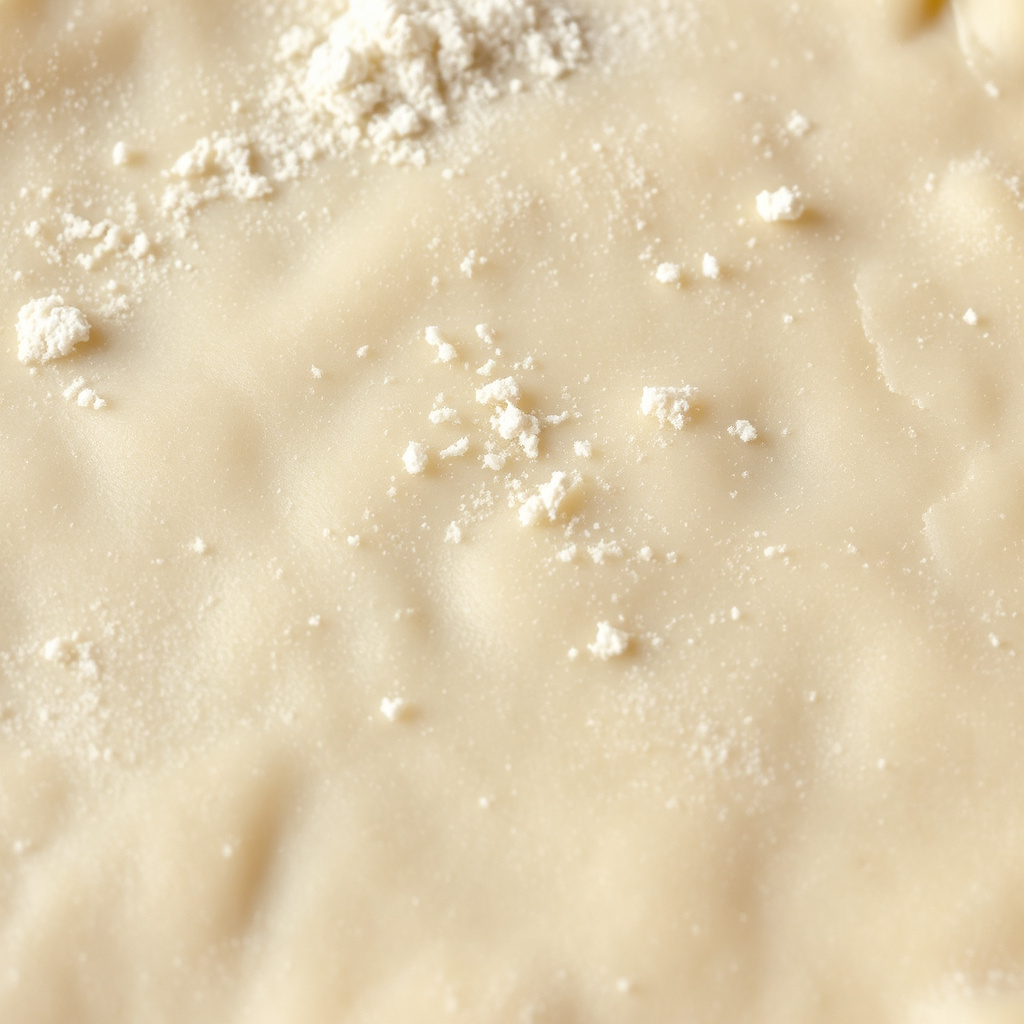
The most common flour for dumpling dough is all-purpose flour because it yields a tender yet pliable wrapper. Some recipes combine all-purpose with cake flour or tapioca starch to adjust texture, resulting in chewier or softer dough.
Avoid using bread flour alone as its high gluten content can make the dough too tough. For gluten-free options, rice flour or cornstarch blends might be used but require precise water ratios to maintain elasticity.
- All-purpose flour for balance
- Cake flour for softness
- Tapioca starch for chewiness
- Avoid high-gluten flours
Techniques for Kneading and Resting Dough
Knead the dough until it becomes smooth and elastic, usually about 10 minutes by hand. Proper kneading develops gluten, giving the wrapper strength to hold fillings without tearing.
After kneading, resting the dough covered for 30 minutes to an hour relaxes the gluten, making rolling easier and preventing shrinkage during cooking.
- Use moderate pressure while kneading
- Keep the dough covered to retain moisture
- Rest dough for better pliability
Crafting Flavorful Dumpling Fillings

Popular Meat and Vegetable Filling Combinations
Traditional fillings often combine ground pork with ingredients like napa cabbage, garlic chives, ginger, and scallions for a balanced taste. Chicken, beef, or shrimp can offer different protein profiles.
Vegetarian fillings use mushrooms, tofu, shredded carrots, and napa cabbage seasoned with soy sauce and sesame oil. Combining various textures enhances the mouthfeel of each bite.
- Ground pork with cabbage and ginger
- Chicken with mushroom and scallions
- Vegetarian: tofu, shiitake, and carrots
For more on this, see our related guide: How to Make Pot Stickers: A Step-by-Step Homemade Recipe.
Mixing and Seasoning Fillings for Best Results
Mix ingredients gently to retain a chunky, appealing texture. Season with salt, white pepper, soy sauce, sesame oil, and a touch of sugar to balance flavors. Adding a small amount of cornstarch helps bind the filling and retain moisture.
Letting the filling rest for 10-15 minutes before wrapping improves flavor development and makes stuffing easier.
- Use light mixing to maintain texture
- Season with a blend of salt, soy sauce, and sesame oil
- Add cornstarch for moisture retention
- Rest filling before use
Shaping Dumplings: Wrapping Techniques

Classic Fold and Pleat Method
Place a small spoonful of filling in the center of the wrapper, fold the dough in half, and start creating pleats from one side toward the other. This technique seals the filling tightly while producing attractive ridges.
Ensure there is enough moisture on the wrapper edges to stick them firmly; a light water brush works well. Practice improves speed and uniformity.
- Place filling centrally
- Fold dough in half first
- Make 5-7 pleats along the edge
- Seal edges with water
Alternative Shapes: Half-Moon and Round Dumplings
The half-moon shape is simpler, folding the dough over the filling without pleats, suitable for beginners or quick meals. Round dumplings involve pinching the edges in a circular fashion creating a purse-like shape.
Each shape offers a slightly different texture and presentation; experimenting lets you discover your preferred style.
- Half-moon: fold and seal
- Round: pinch edges circularly
- Try various shapes for texture
Cooking Dumplings: Methods and Tips

Boiling and Steaming Dumplings
Boiling dumplings in gently simmering water takes about 6-8 minutes until they float, indicating doneness. Steaming preserves a softer wrapper texture and takes around 10-12 minutes using bamboo or metal steamers.
Adding enough water or lining steamers with parchment paper prevents sticking. Both methods are healthy options that maintain the filling's juiciness.
- Boil until dumplings float and cook through
- Steam on parchment or cabbage leaves to avoid sticking
- Monitor timing carefully to prevent overcooking
For more on this, see our related guide: How to Make Wonton Soup: A Step-by-Step Guide to Classic Chinese Comfort.
Pan-Frying for Crispy Bottoms
Pan-frying combines frying and steaming for dumplings with a crispy golden bottom and tender tops. Start by frying in oil until bottoms brown, add water, cover, and steam until water evaporates.
Use a non-stick skillet and moderate heat to prevent burning. This method enhances flavor with a satisfying contrast of textures.
- Fry bottoms until golden brown
- Add water and cover to steam
- Cook until water evaporates
- Use non-stick pan
Serving and Storing Dumplings
Popular Dipping Sauces and Garnishes
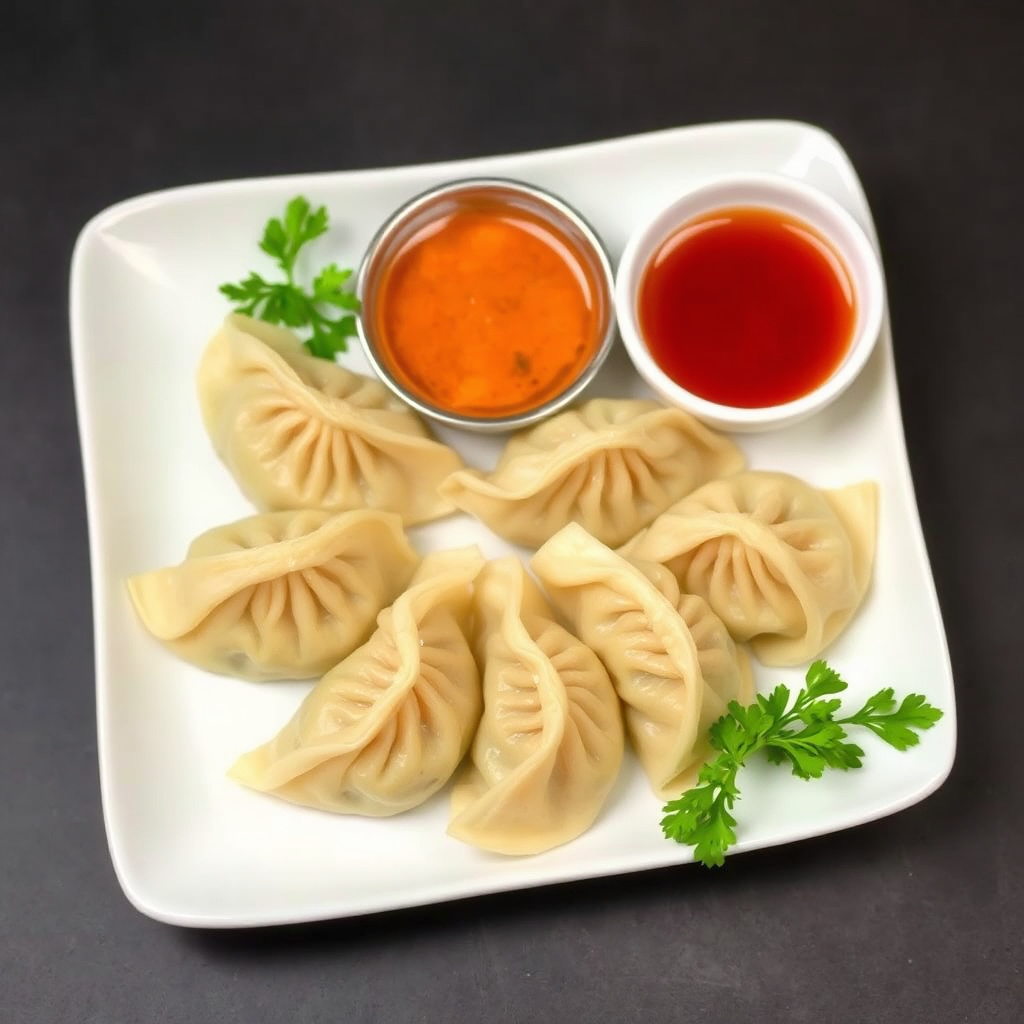
Classic dipping sauce often includes soy sauce, vinegar, sesame oil, and optional chili flakes or garlic. Fresh herbs like cilantro or sliced scallions complement the flavor and appearance.
Serving dumplings warm with these condiments enhances the overall experience and allows customizing taste according to personal preference.
- Soy sauce and vinegar base
- Add chili flakes or minced garlic
- Garnish with scallions or cilantro
For more detailed background and variations of dumplings worldwide, visit the Dumpling article on Wikipedia. Dumpling article on Wikipedia.
Storage Tips for Leftover Dumplings
Cooked dumplings can be refrigerated for 2-3 days or frozen for up to 2 months. Freeze uncooked dumplings on trays before transferring into bags to prevent sticking.
Reheat by steaming or pan-frying for best texture; microwaving might result in soggy wrappers.
- Refrigerate cooked dumplings for short term
- Freeze uncooked on trays before storing
- Reheat with steam or pan-fry
- Avoid microwaving to keep texture
Dumpling Cooking Methods Comparison
Here’s a quick overview comparing different methods to cook dumplings, focusing on texture, time, and health considerations.
| Method | Texture Result | Typical Cooking Time | Healthiness |
|---|---|---|---|
| Boiling | Soft and tender | 6-8 minutes | Low fat, healthy |
| Steaming | Soft and moist | 10-12 minutes | Low fat, healthy |
| Pan-Frying | Crispy bottom with tender top | 10-12 minutes | Moderate fat |
| Deep-Frying | Crispy and crunchy | 3-5 minutes | High fat |
Frequently Asked Questions
Can I use store-bought dumpling wrappers instead of making dough?
Yes, store-bought wrappers save time and are convenient. Choose fresh or frozen wrappers from Asian markets, which come in various thicknesses suitable for boiling, steaming, or frying.
How do I prevent dumplings from sticking during cooking?
Use enough water in boiling and add oil to boiling water or line steamers with parchment or cabbage leaves. For pan-frying, use a non-stick pan and ensure the wrapper edges are sealed tightly.
What are some vegetarian filling options for dumplings?
Common vegetarian fillings include mixtures of tofu, shiitake mushrooms, napa cabbage, carrots, and scallions seasoned with soy sauce and sesame oil for rich flavor.
How can I tell when dumplings are fully cooked?
For boiled dumplings, they float to the surface when done. Steamed dumplings become translucent and slightly firm. Pan-fried dumplings should have golden crispy bottoms and be steamed through.
Is it better to freeze dumplings before cooking?
Freezing uncooked dumplings individually on a tray before bagging prevents sticking and allows you to cook them directly from frozen, preserving shape and texture.
Key Takeaways
- Dumpling dough should be elastic and rested for best handling
- Fillings combine protein and vegetables seasoned for balanced flavor
- Wrap dumplings carefully to avoid leaks and enhance presentation
- Cooking methods affect texture; choose based on preference
Conclusion
Understanding how to make dumplings hinges on mastering the dough and filling components along with selecting a cooking method that complements your taste preferences. The process allows flexibility for adjustments, whether you favor tender boiled dumplings or crispy pan-fried versions. Practicing wrapping techniques and seasoning ensures consistently good results with every batch.
If you prefer traditional flavors, try pork and napa cabbage filling with the classic pleated fold and pan-fried cooking for a crispy bottom. For an easy vegetarian option, opt for tofu and mushroom filling, use half-moon shapes, and steam for a soft texture. Storing leftover dumplings either cooked or uncooked enables quick meals anytime.
Starting with simple recipes and experimenting with fillings, shapes, and cooking styles will build your confidence. Gather quality ingredients, allocate time for dough resting, and prepare dipping sauces to enjoy homemade dumplings that rival restaurant quality. Your next step is to pick a filling and begin crafting dough, turning an enjoyable cooking activity into a delicious tradition.


