American Chinese vs Authentic Chinese Food: What’s the Real Difference?
American Chinese food and authentic Chinese food differ significantly in ingredients, cooking techniques, and overall flavor profiles. While American Chinese cuisine often adapts traditional dishes to appeal to local tastes using sweeter sauces, thicker batters, and more fried items, authentic Chinese food reflects regional diversity and emphasizes balance, seasonality, and fresh ingredients.
This contrast exists primarily because Chinese immigrants modified their recipes to please American palates and available ingredients. As a result, many dishes commonly found in American Chinese restaurants are quite different from what one might find in China. Authentic Chinese cuisine is vast, varying considerably from north to south, and prioritizes harmony in taste and texture rather than just heaviness or sweetness.
In this article, we'll explore the fundamental differences between American Chinese versus authentic Chinese food, focusing on ingredients, cooking styles, flavor profiles, cultural influences, and dining experiences. You'll gain insights on how each approach reflects distinct culinary traditions and what to expect when choosing between them.
Ingredients and Flavors: American Chinese vs Authentic Chinese Food

Ingredient Differences
American Chinese dishes typically use ingredients that are widely available in the U.S., such as broccoli, carrots, and battered proteins like chicken or shrimp. These often are coated in sweeter, thicker sauces like orange or General Tso’s sauce. In contrast, authentic Chinese food relies on fresh, region-specific ingredients such as bok choy, Chinese eggplant, tofu, and more variety of meats and seafood.
Many authentic recipes use fermented and preserved ingredients like doubanjiang (fermented bean paste) and dried mushrooms that add depth to dishes. The balance of fresh herbs and spices is also more delicate compared to Americanized versions, where heavier seasoning and sugar are often more prominent.
Flavor Profiles
American Chinese food emphasizes bold, sweet, and savory flavors with an often oily or crispy texture designed to appeal to the Western palate. Sweetness is a dominant trait in many dishes which contrasts with authentic Chinese food’s focus on balance, incorporating sour, bitter, salty, and umami notes harmoniously.
In genuine Chinese cuisine, flavors can range from spicy Sichuan peppercorn heat to Cantonese subtle sweetness and freshness. This variety reflects regionally influenced approaches rather than a one-size-fits-all flavor profile.
Cooking Techniques in American Chinese and Authentic Chinese Food
Common Techniques in American Chinese Food
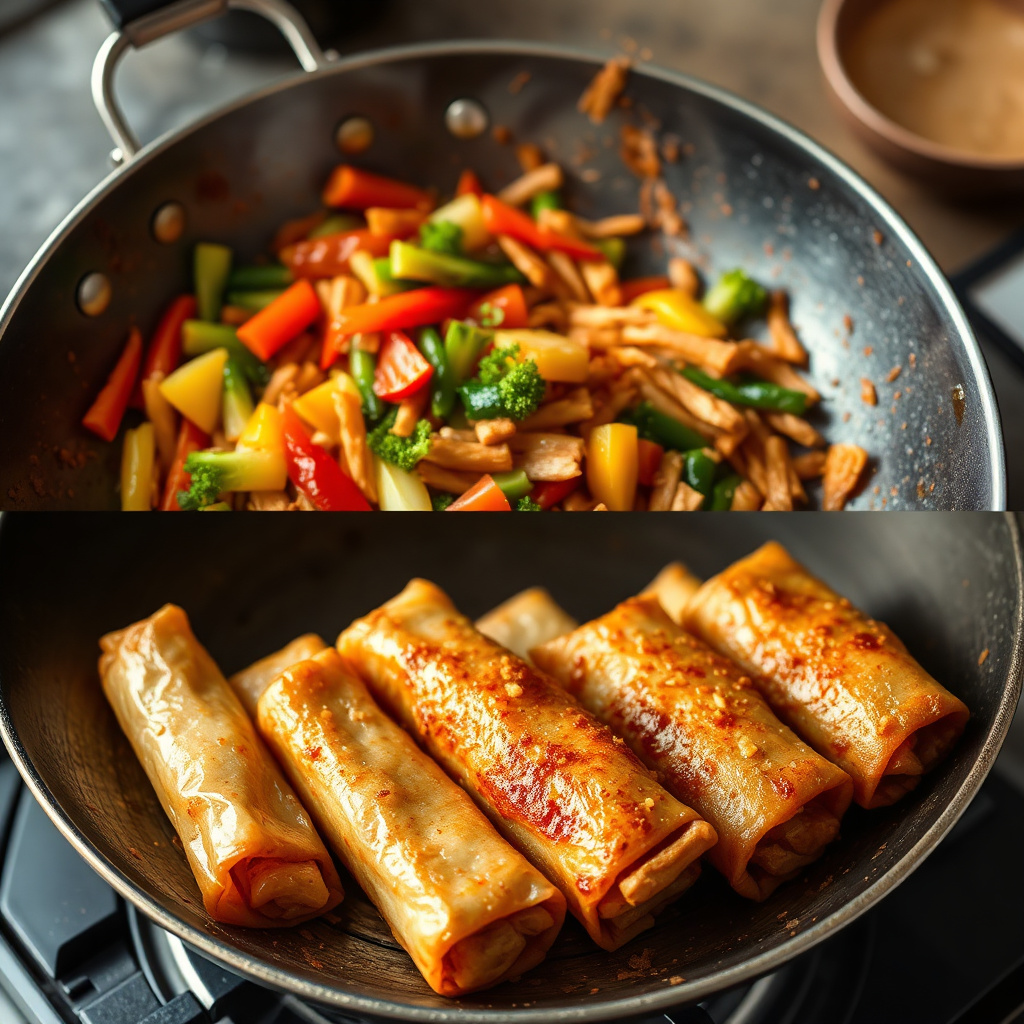
Deep frying and heavy battering are central to American Chinese food, creating crispy textures favored in dishes like General Tso's chicken and egg rolls. Stir-frying and steaming exist but are frequently overshadowed by fried elements. Sauces are thickened with cornstarch to create glossy, clingy coatings.
This style suits fast service and keeps dishes flavorful over takeout delivery. However, the reliance on frying and sugar can make American Chinese dishes heavier and less nuanced than their authentic counterparts.
- Deep frying proteins
- Battering and breading
- Cornstarch-thickened sauces
- Quick stir-frying for vegetables
Traditional Cooking Methods in Authentic Chinese Cuisine
Authentic Chinese cooking employs diverse methods including steaming, braising, quick stir-frying over high heat, poaching, and slow roasting. Each method aims to preserve or enhance the natural flavor and texture of ingredients without overpowering them.
Techniques like steaming maintain nutrition and subtle taste, popular especially in Cantonese cuisine. Slow braising allows complex flavors to develop in meat dishes. Stir-frying is precise and fast to retain freshness and crunch of vegetables.
- Steaming for delicacy
- Slow braising for richness
- High-heat stir-frying
- Balanced seasoning
Cultural Influences Shaping Each Cuisine

How Immigration Shaped American Chinese Food
Chinese immigrants to America in the 19th and early 20th centuries adapted their cooking to suit limited ingredient availability and American tastes. Dishes became sweeter and fried due to popular local preferences and to appeal to non-Chinese customers.
This fusion created a distinct culinary identity that is less about pure tradition and more about cultural accommodation, helping Chinese restaurants thrive in America by blending culinary elements.
For more on this, see our related guide: Soy Sauce vs Tamari: Which One Should You Choose for Your Kitchen?.
Preserving Tradition in Authentic Chinese Cuisine
Within China, cooking traditions remain deeply tied to regional identity, family recipes, and centuries-old culinary philosophies like balancing yin and yang through food. The use of traditional ingredients and techniques reflects cultural continuity and pride.
Authentic Chinese food is not a single style but a collection of regional cuisines like Sichuan, Cantonese, Hunan, and others, each with their unique ingredients and methods, preserving the cultural heritage embedded in every dish.
Menu Variety and Typical Dishes

Popular American Chinese Menu Items
Standard dishes include General Tso’s chicken, sweet and sour pork, egg rolls, fried rice, and lo mein, often modified for consistency and speed. Many restaurants feature buffet-style options emphasizing quantity and variety over authenticity.
The heavy reliance on fried foods and sweet sauces streamlines preparation but limits exposure to the full breadth of Chinese culinary tradition.
- General Tso's chicken
- Sweet and sour pork
- Egg rolls
- Fried rice and lo mein
Signature Authentic Chinese Dishes
Authentic menus offer items like mapo tofu from Sichuan, dim sum from Canton, Peking duck from Beijing, and hot pot popular in many regions. Ingredients and preparation reflect seasonality and locality, often changing daily or seasonally.
These dishes focus on balance and freshness over heaviness. Recipes use complex layering of flavors, showcasing textures and the natural quality of the ingredients.
- Mapo tofu
- Dim sum
- Peking duck
- Regional hot pots
Dining Experience and Presentation

American Chinese Dining Style
American Chinese food is often served in casual, fast-food style settings or for takeout with meals packaged conveniently. Presentation focuses on generous portions rather than aesthetics, catering to casual dining and family-style sharing familiar in America.
Restaurants may emphasize value combos, buffet options, and easy-to-eat dishes instead of formal dining rituals.
For more on this, see our related guide: Yang Chow Fried Rice vs House Fried Rice: Which One Should You Try?.
Authentic Chinese Dining Traditions
In China, meals are social occasions with dishes shared communally, served on rotating trays to make every dish accessible. Presentation is thoughtful, highlighting color, aroma, and texture to enhance appetite and enjoyment.
Dining often follows patterns such as beginning with light cold dishes, progressing to main meals, and ending with soup or dessert, reflecting cultural dining etiquette.
Health Considerations: American Chinese vs Authentic Chinese Food

Nutritional Aspects of American Chinese Food
American Chinese dishes tend to be higher in calories, fat, sugar, and sodium due to frequent frying and heavy sauces. Large portion sizes and sweet sauces also contribute to higher sugar and salt intake which can impact health negatively when consumed regularly.
While indulgent, this cuisine is generally best enjoyed occasionally or with mindful choices like steamed options or less sauce.
- High fat and sugar content
- Frequent deep frying
- Large portion sizes
- High sodium levels
For more detailed historical and cultural background, see this comprehensive Chinese cuisine overview. Chinese cuisine overview.
Authentic Chinese Food and Health
Authentic Chinese cuisine often emphasizes vegetables, moderate protein, and cooking methods like steaming that preserve nutrients. The use of fresh ingredients and a variety of cooking techniques supports a balanced diet.
Traditional meals focus on moderation and balance, using herbs and spices to enhance flavor without excess salt or sugar, contributing to health benefits linked with traditional diets.
- Emphasis on vegetables
- Moderate protein portions
- Steaming and braising
- Balanced seasoning
Comparison of American Chinese and Authentic Chinese Food Categories
Here’s a straightforward look comparing important aspects of American Chinese and authentic Chinese food to highlight their distinct characteristics.
| Aspect | American Chinese | Authentic Chinese |
|---|---|---|
| Ingredients | Adapted local vegetables, sweeter sauces | Fresh regional produce, fermented ingredients |
| Flavors | Sweet and savory, heavy sauces | Balanced, varied regional flavors |
| Cooking Methods | Mostly deep-fried, thickened sauces | Steaming, braising, stir-frying |
| Menu Variety | Standardized favorites, fried items | Diverse dishes by region, seasonal |
| Dining Style | Casual, fast-service, takeout | Communal, formal presentation |
| Health Profile | Higher fat, sugar, sodium | More balanced, nutrient-focused |
Frequently Asked Questions
Why do American Chinese dishes taste sweeter than authentic Chinese dishes?
American Chinese food uses more sugar and sweet sauces to appeal to U.S. tastes, whereas authentic Chinese cuisine balances sweet with sour, salty, and umami notes for a complex flavor.
Can I find authentic Chinese food in the U.S.?
Yes, many cities offer authentic Chinese restaurants representing regional cuisines, though they may be less common or more expensive than American Chinese outlets.
Is American Chinese food unhealthier than authentic Chinese food?
Generally, yes. American Chinese food tends to have more fried items and sugar, leading to higher calories and fat, but healthier choices exist in both cuisines.
How did American Chinese cuisine develop?
It evolved as Chinese immigrants modified dishes due to ingredient availability and to cater to American tastes, resulting in sweeter, fried foods unlike traditional recipes.
What are some key regional authentic Chinese cuisines to try?
Popular ones include Sichuan for spice, Cantonese for dim sum and mild flavors, and Shanghainese for braises and sweet-savory dishes.
Key Takeaways
- American Chinese food adapts traditional dishes with sweeter sauces and more frying.
- Authentic Chinese cuisine varies widely by region and emphasizes balanced flavors.
- Cooking methods differ, with American styles favoring frying, authentic styles focusing on steaming and braising.
- Dining experiences reflect cultural differences, from casual fast food to communal sharing.
Conclusion
When deciding between American Chinese and authentic Chinese food, consider what experience and flavor profile you desire. American Chinese dishes often prioritize bold, sweet, and crispy characteristics designed to fit casual dining and familiar taste preferences. Authentic Chinese food offers a more varied and nuanced approach, shaped by centuries of regional traditions focused on harmony and fresh ingredients. Understanding these differences helps appreciate the culinary diversity each style presents.
For casual meals or those craving recognizable comfort foods, American Chinese cuisine offers reliable favorites like General Tso’s chicken and egg rolls that satisfy cravings with consistent flavor and texture. Conversely, if you seek to explore traditional tastes and diverse preparations, exploring authentic Chinese dishes such as Sichuan mapo tofu, Cantonese dim sum, or Peking duck reveals the depth of traditional Chinese culinary art. Both have their place depending on your mood, occasion, and culinary curiosity.
Start your journey by identifying the dishes likely to appeal most to your preferences. Visit local authentic Chinese restaurants when you want an immersive cultural meal, and choose American Chinese outlets when you want familiar dishes with convenience. Expanding your palate gradually from Americanized favorites towards traditional options can enrich your appreciation of Chinese food’s complexity and heritage.