How to Make Miso Soup: A Step-by-Step Guide for Authentic Flavor
Making miso soup is straightforward and rewarding. It starts with a simple base of dashi stock combined with miso paste, creating a savory and umami-rich broth. From here, adding ingredients like tofu, seaweed, and scallions completes the traditional recipe. This offers a quick yet flavorful dish that pairs well with many meals.
Miso soup is a fundamental element of Japanese cuisine, appreciated worldwide for its depth of taste and nutritional value. It provides probiotics from the fermented miso and is often enjoyed as a comforting appetizer or light meal. Understanding the basics of making miso soup allows you to customize it according to your taste.
This article will cover how to prepare the essential dashi stock, select the right miso paste, combine ingredients properly, and explore variations to enhance your soup. Whether you want a simple everyday miso soup or something more substantial, you'll find practical tips to make it authentic and delicious.
Understanding the Base: Preparing Dashi for Miso Soup

What is Dashi and Why It Matters
Dashi is a delicate Japanese broth that provides the essential umami foundation for miso soup. Typically made from kombu (kelp) and katsuobushi (dried bonito flakes), this stock has a subtle flavor crucial for an authentic taste. Using good-quality dashi impacts the final flavor directly.
There are variations of dashi including instant granules, which offer convenience but may lack the full depth of freshly made stock. Homemade dashi requires soaking kombu and briefly simmering it with bonito flakes, then straining before use. This creates a clean, flavorful liquid to combine with miso.
- Fresh kombu used for about 30 minutes soaking
- Boil briefly with bonito flakes then strain
- Instant dashi available for convenience
- Homemade dashi offers best flavor
Making Quick Vegetarian Dashi Options
Vegetarian or vegan versions avoid bonito flakes, using kombu and dried shiitake mushrooms instead. This option creates a rich umami flavor without fish, perfect for plant-based diets.
To prepare vegetarian dashi, soak kombu and shiitake mushrooms in water for several hours or overnight. Then heat gently to extract flavors before straining. This broth works well in miso soup while respecting dietary preferences.
- Use kombu and dried shiitake mushrooms
- Soak for 6-12 hours before heating
- Strain well to remove solids
- Great for vegan miso soup bases
Choosing and Preparing Miso Paste for Soup

Types of Miso Paste and Their Flavor Profiles
Miso paste varies from white (shiro) miso, which is mild and sweet, to red (aka) miso with a stronger, saltier taste. Mixed (awase) miso blends elements of both. Selecting the right miso paste shapes the character of your soup.
White miso is ideal for light-flavored soups, while red miso suits heartier broths. Using miso paste sparingly allows control over saltiness and texture in the soup.
- White miso: mild and slightly sweet
- Red miso: robust and saltier
- Awase miso: a balanced blend
- Choose based on desired soup strength
For more on this, see our related guide: How to Make Shrimp Tempura Roll: A Step-by-Step Guide for Sushi Lovers.
How to Properly Incorporate Miso Paste
Add miso paste toward the end of cooking to preserve its probiotics and avoid bitterness. Use a small strainer or ladle to dissolve miso in some hot dashi before mixing it back in gently.
Avoid boiling miso after adding as this diminishes its delicate flavors and health benefits. Stirring carefully ensures smooth blending without lumps.
- Dissolve miso in hot dashi before adding
- Avoid boiling after miso is added
- Stir gently for smooth texture
- Add miso last to preserve flavor
Classic Ingredients to Add to Miso Soup

Traditional Add-ins: Tofu and Wakame Seaweed
Soft tofu cubes add gentle texture and protein to miso soup without overpowering the broth, soaking in flavors subtly. Wakame seaweed contributes a mild oceanic taste and tender bite, enhancing authenticity.
Both ingredients are easy to prepare: tofu cubed and added cold, wakame soaked briefly to rehydrate then rinsed before adding near the end of cooking for best texture.
- Use soft or silken tofu for creaminess
- Rehydrate wakame seaweed before use
- Add tofu and wakame off heat to avoid overcooking
- Classic staple ingredients
Additional Options: Scallions, Mushrooms, and More
Scallions sliced thinly add color and fresh bite, usually sprinkled on top before serving. Enoki or shiitake mushrooms bring earthy depth; add them while simmering dashi for infused taste.
Other vegetables, like daikon or carrots, can be included but require longer cooking. Customizing ingredients tailors the soup to personal preference or seasonal availability.
- Slice scallions thinly for garnish
- Add mushrooms during simmering
- Root vegetables need longer cooking time
- Experiment with seasonal ingredients
Step-by-Step Miso Soup Preparation Process

Cooking the Dashi and Preparing Ingredients
Begin by making or heating dashi stock over medium heat. Meanwhile, cube tofu and soak wakame seaweed if dried. Slice scallions thinly and prepare any additional ingredients.
Keep the stock at a gentle simmer to avoid boiling off delicate flavors. Arrange ingredients to add at appropriate times for balanced cooking.
- Heat dashi to simmering temperature
- Prepare tofu, wakame, scallions in advance
- Maintain gentle heat throughout cooking
- Time vegetables based on cooking requirements
For more on this, see our related guide: How to Make Rainbow Roll: A Step-by-Step Sushi Guide.
Adding Miso and Final Assembly
Remove the pot from direct heat, scoop some dashi into a small bowl and dissolve the measured miso paste fully. Return this mixture to the pot and stir gently to incorporate evenly.
Add tofu and wakame, letting residual heat warm them through without boiling. Garnish with scallions and serve promptly to enjoy fresh flavor.
- Dissolve miso in warm dashi before adding
- Avoid reheating to boiling after miso added
- Add tofu and seaweed last for texture
- Garnish with scallions just before serving
Variations and Tips for Perfect Miso Soup
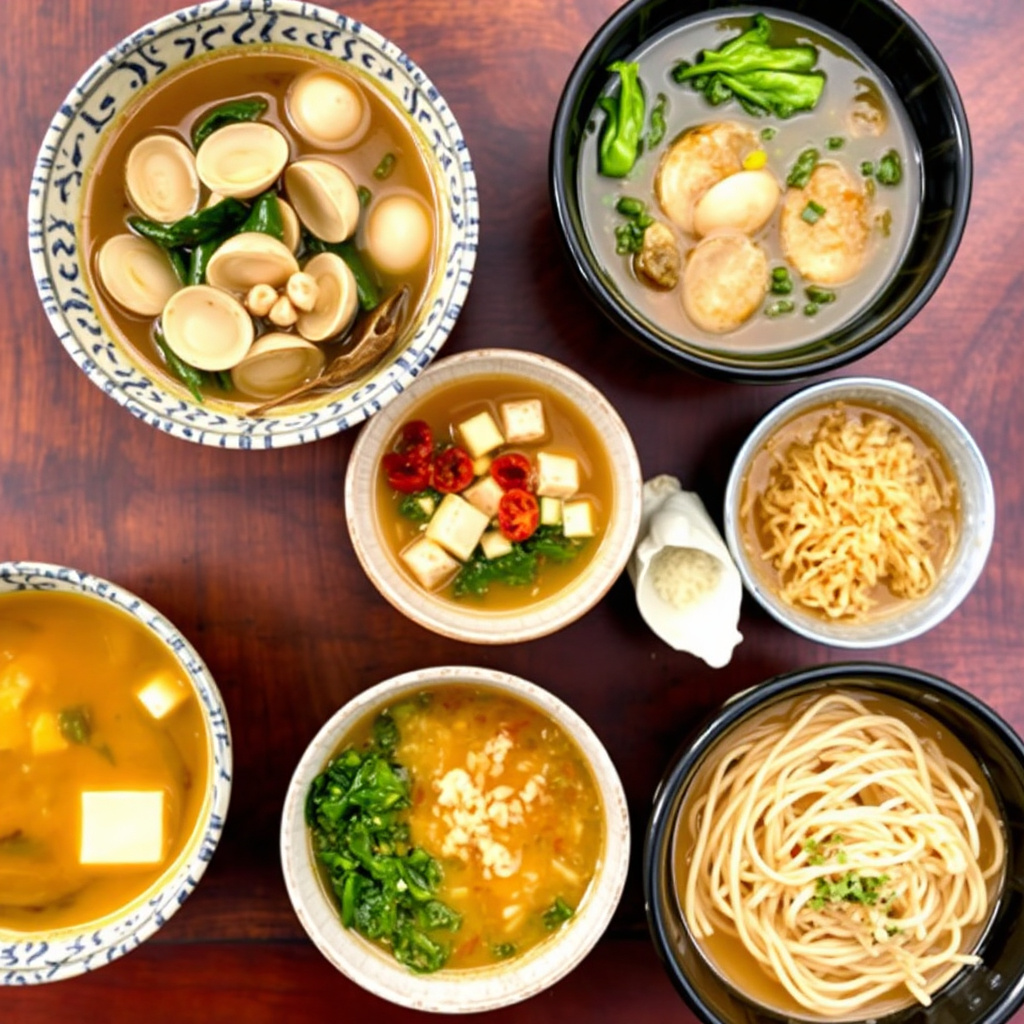
Using Different Miso Types for Flavor Variation
To adjust flavor profiles, replace or combine miso types. For example, blending white and red miso offers balance. Experimenting with darker miso adds heartiness suited for colder seasons.
Some regions in Japan prefer barley-based miso or other varieties, which give unique sweetness or nuttiness to the soup.
- Mix white and red miso for balanced taste
- Dark miso adds depth in winter recipes
- Explore regional miso varieties
- Adjust miso quantity to taste
For more detailed background on miso soup and its history, you can explore this miso soup on Wikipedia. miso soup on Wikipedia.
Creative Additions and Serving Suggestions
Adding clams, shrimp, or noodles can make miso soup more filling. Leafy greens like spinach or bok choy add color and nutrition without overwhelming the broth.
Serve miso soup as part of Japanese meals or as a light starter. Using fresh ingredients and avoiding overcooking keeps the soup bright and flavorful.
- Add seafood for protein boost
- Leafy greens enhance nutrition and color
- Noodles create a more substantial dish
- Serve immediately for best taste
Comparing Miso Soup Base Options
Here is a comparison of popular dashi base options for making miso soup, highlighting preparation ease, flavor, suitability, and dietary concerns.
| Dashi Type | Preparation Time | Flavor Profile | Dietary Notes |
|---|---|---|---|
| Traditional Kombu and Bonito | 15-20 minutes | Umami-rich, clean, smoky | Contains fish, not vegetarian |
| Instant Dashi Granules | 2-3 minutes | Convenient, moderate umami | Often contains additives or fish |
| Vegetarian Kombu and Shiitake | 6-12 hours soaking+5 minutes simmer | Umami with earthy mushroom notes | Vegetarian and vegan-friendly |
| Kombu Only | 30 minutes soaking | Light umami with kelp ocean flavor | Vegan and allergen-friendly |
Frequently Asked Questions
Can I use water instead of dashi for miso soup?
Using plain water is possible but results in a less flavorful soup. Dashi provides essential umami that defines miso soup’s taste, so it is recommended to use at least instant dashi for better flavor.
How much miso paste should I use per serving?
Typically, 1 to 2 tablespoons of miso paste per 2 cups of dashi stock is sufficient. Adjust according to taste preferences and the type of miso used.
Is miso soup healthy to eat daily?
Miso soup can be a healthy daily choice due to its probiotics, vitamins, and minerals from miso and added ingredients. However, monitor sodium intake as miso paste is salty.
Can I store leftover miso soup?
It’s best to consume miso soup fresh. Store leftovers refrigerated for up to one day but avoid reheating to boiling, which can harm flavor and nutritional properties.
How do I thicken miso soup if desired?
Miso soup is usually light and thin. To thicken, some add pureed vegetables or a small amount of starch, but this changes the traditional texture and is uncommon.
Key Takeaways
- Dashi stock is essential for authentic miso soup flavor.
- Add miso paste off the heat to preserve its taste and benefits.
- Classic ingredients include tofu, wakame, and scallions.
- Experiment with miso types and add-ins to suit preferences.
Conclusion
Mastering how to make miso soup starts with recognizing that the foundation lies in a proper dashi stock and correctly incorporated miso paste. These elements combined deliver the subtle yet complex umami flavor that defines authentic miso soup. Paying attention to ingredient quality and cooking steps helps retain healthful probiotics and delicate tastes. With practice, you’ll find the right balance of flavors and textures that suit your palate, turning this humble soup into a delicious staple of your kitchen.
For an everyday option, using kombu and bonito dashi with white or awase miso paste delivers a light but satisfying broth. If you prefer vegetarian choices, shiitake mushroom dashi pairs well with lighter miso for a rich taste. Classic add-ins such as soft tofu and wakame seaweed create a familiar texture and nutritional boost, while occasional variations like mushrooms, seafood, or leafy greens allow customizing your soup to fit different meals and occasions.
Starting with a solid base recipe and adapting by adjusting miso types and ingredients can help you confidently make miso soup that’s flavorful and balanced. Try making dashi from scratch for the best experience or use high-quality instant versions for convenience. Enjoy your freshly prepared miso soup alongside traditional dishes or as a comforting meal on its own.