Yang Chow Fried Rice vs House Fried Rice: Which One Should You Try?
Yang Chow fried rice and house fried rice are two popular Chinese fried rice dishes that often appear side by side on restaurant menus, but they differ in ingredients and flavor profiles. Yang Chow fried rice typically features shrimp, BBQ pork, and egg with distinct yellow grains, while house fried rice offers a broader mix of meats and vegetables, often tailored by each restaurant.
Understanding these differences helps you pick the right dish for your taste preferences or occasion. Yang Chow fried rice is known for its light, delicate seasoning and classic presentation, whereas house fried rice can be heartier or more colorful depending on how it’s prepared. This makes the choice between them an interesting one depending on what you want in a fried rice meal.
This article will clarify how Yang Chow fried rice compares to house fried rice by examining their ingredients, cooking techniques, flavor characteristics, nutritional aspects, cultural origins, and typical restaurant variations. By the end, you’ll know which type suits your next meal best and why each holds a place in Chinese cuisine.
Ingredients in Yang Chow Fried Rice vs House Fried Rice
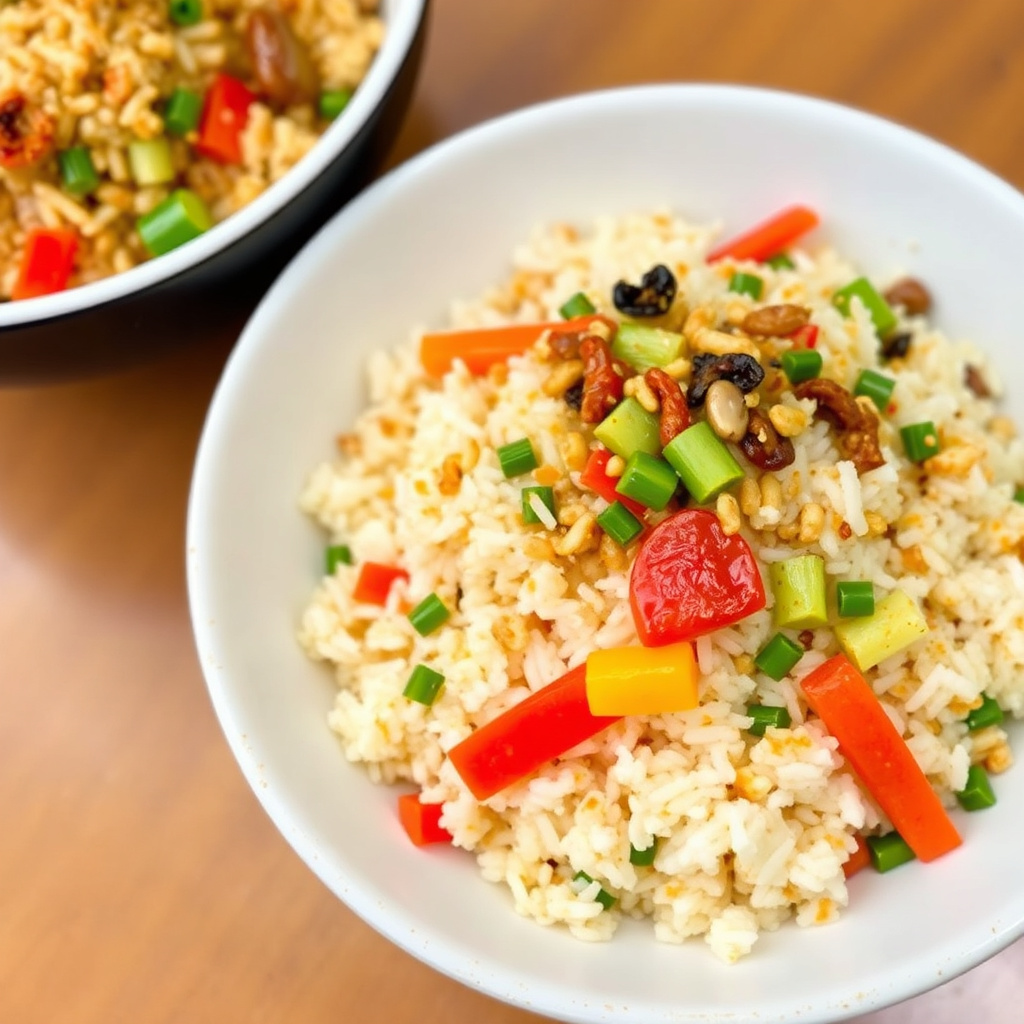
Typical Ingredients in Yang Chow Fried Rice
Yang Chow fried rice traditionally contains diced shrimp, char siu (Chinese BBQ pork), scrambled eggs, green onions, and peas. The distinctive golden yellow color often comes from using egg yolks or a light soy sauce. It avoids heavy seasoning and sticks to a simple palette that highlights the freshness of its few key proteins.
This focused ingredient list gives it a clean but savory flavor that is both satisfying and easy to enjoy with other dishes. The rice grains should remain separate and lightly coated with oil for the best texture.
- Shrimp
- Char siu BBQ pork
- Scrambled eggs
- Green onions
- Peas
Common Ingredients in House Fried Rice
House fried rice has a more flexible ingredient list that can include a combination of chicken, pork, beef, shrimp, and assorted vegetables such as carrots, corn, and mushrooms. Each restaurant may customize it with unique touches or sauces, resulting in diverse flavor variations.
While some versions use soy sauce as the primary seasoning, others add oyster sauce or garlic to deepen the taste. The variety of proteins and veggies allows house fried rice to be a hearty, all-in-one meal.
- Mixed proteins (chicken, pork, beef, shrimp)
- Varied vegetables (carrots, corn, mushrooms)
- Soy sauce or oyster sauce
- Garlic and green onions
Cooking Techniques for Each Fried Rice Style

Cooking Yang Chow Fried Rice
Yang Chow fried rice requires precise stir-frying over high heat to achieve fluffy, non-sticky rice grains. Ingredients are usually cooked separately before combining to maintain texture, especially the shrimp and char siu. Eggs are scrambled lightly and folded in last to keep the distinctive yellow color.
The wok is typically tossed rapidly to prevent clumping and to evenly distribute the seasoning without overpowering the natural flavors. This technique preserves the bright, fresh taste Yang Chow rice is known for.
Preparing House Fried Rice
House fried rice is often cooked with more ingredient integration, stirring together proteins and vegetables earlier in the process. Sauces such as soy or oyster sauce may be added to create a richer taste and darker color. Cooking times vary depending on the amount and variety of additions to ensure a balanced texture.
Wok hei—the smoky flavor from cooking over high heat—is essential but can be more pronounced in house fried rice, giving it a slightly bolder flavor compared to Yang Chow fried rice.
Flavor Profiles and Texture Differences

Flavor and Texture of Yang Chow Fried Rice
Yang Chow fried rice features a mild, savory flavor with hints of sweetness from the BBQ pork and a delicate seafood note from shrimp. The texture is light and fluffy, with individual grains remaining separate. It avoids heavy sauces or spices and is typically less oily.
This makes the dish an excellent partner for more intense or spicy main courses, balancing the meal with a clean-tasting side.
House Fried Rice Flavor and Mouthfeel
House fried rice tends toward a fuller flavor, thanks to the blend of multiple proteins, vegetables, and richer sauces. You may experience a slightly thicker, more cohesive texture because of ingredient integration and seasoning. Sometimes it can be lightly saucy or oily depending on the recipe, increasing richness.
This variety stands well as a single-dish meal since it combines numerous elements in one, but might be heavier or more intense than Yang Chow fried rice.
Nutritional Considerations for Yang Chow and House Fried Rice

Calorie and Protein Content in Yang Chow Fried Rice
Yang Chow fried rice, with its simpler ingredient list focused on shrimp and pork, generally offers moderate calories and a decent protein boost. The lean shrimp adds high-quality protein and low fat, while eggs add essential amino acids and vitamins.
Because it uses minimal oil and lighter seasoning, it is often easier to fit into a balanced diet when eaten in reasonable portion sizes.
Nutritional Profile of House Fried Rice
House fried rice may have higher calorie and fat content due to the variety of meats and use of sauces like oyster or soy sauce. The addition of vegetables improves fiber and vitamin content, but the mixed proteins can increase saturated fat levels depending on meats used.
Its nutritional value depends greatly on the recipe specifics, so if calories or sodium are a concern, it’s wise to check or ask about ingredients at your restaurant.
Cultural and Regional Origins

Origin of Yang Chow Fried Rice
Yang Chow fried rice originated from Yangzhou city in Jiangsu province and is a classic dish of eastern Chinese cuisine. It gained popularity nationwide and internationally for its precise, simple flavor combination and refined presentation.
The dish reflects Yangzhou’s culinary style, emphasizing fresh ingredients, delicate seasoning, and elegant balance rather than heavy sauces or complicated techniques.
House Fried Rice’s Broader Roots
House fried rice is less standardized and varies widely across regions and restaurants, adapting local ingredients and consumer tastes. It’s often a catchall name referring to a personalized fried rice dish made to order or including a variety of leftover ingredients.
This flexibility makes it a popular comfort food across Chinese-American and other Chinese diasporas, representing a versatile and approachable meal option.
Variations and Restaurant Serving Styles

Common Yang Chow Fried Rice Variations
While the basic Yang Chow fried rice recipe is consistent, some restaurants add small variations like diced ham instead of char siu or slightly more garlic for subtle extra aroma. Portions and presentation may also differ but the core ingredients remain the same to keep authenticity.
Some chefs use high-quality shrimp or freshly roasted pork to elevate the dish’s flavor, making it popular as a staple in Cantonese and other Chinese dining.
For more detailed history and variations of fried rice, check out fried rice on Wikipedia. Fried rice on Wikipedia.
House Fried Rice Menu Adaptations
House fried rice can vary extensively; some versions even include pineapple, cashews, or other unique components depending on the chef’s creativity or regional preferences. It's often customized with extra egg, spicy sauce, or added seafood.
Restaurants may label these variations as ‘special house fried rice’ or adjust them seasonally, making it a frequently changing dish that reflects local tastes or seasonal availability.
Yang Chow Fried Rice vs House Fried Rice: Side-by-Side Comparison
Here’s a quick comparison to highlight key differences between Yang Chow fried rice and house fried rice based on common features.
| Feature | Yang Chow Fried Rice | House Fried Rice |
|---|---|---|
| Primary Proteins | Shrimp and char siu BBQ pork | Varies (chicken, pork, beef, shrimp, mixed) |
| Vegetables | Green onions and peas | Carrots, corn, mushrooms, green onions (varies) |
| Sauce/Seasoning | Light soy sauce, minimal seasoning | Soy sauce, oyster sauce, garlic (varies) |
| Texture | Fluffy, separate grains | More integrated and sometimes saucier |
| Flavor Profile | Mild, savory, balanced | Richer, bolder, varied |
| Typical Origin | Yangzhou, Jiangsu Province | Varies by restaurant and region |
Frequently Asked Questions
Is Yang Chow fried rice always made with shrimp?
Yes, shrimp is a traditional and essential ingredient in Yang Chow fried rice, providing its characteristic flavor and texture. Some variations may substitute or add proteins, but shrimp remains standard.
Can house fried rice include only vegetables?
House fried rice can be made vegetarian depending on the restaurant or cook’s preference. Although it often includes meat or seafood, a vegetable-only version is quite common and customizable.
Which fried rice has fewer calories, Yang Chow or house fried rice?
Yang Chow fried rice generally contains fewer calories because it uses less oil and has a simpler ingredient list focusing on lean shrimp and eggs compared to the often heavier, meat- and sauce-rich house fried rice.
How can I tell the difference just by looking at the dish?
Yang Chow fried rice usually has a lighter yellow color with visible shrimp and char siu pieces evenly spaced. House fried rice often appears darker due to sauces and has a more mixed, colorful presentation with varied ingredients.
Are both types of fried rice suitable for takeaway orders?
Yes, both Yang Chow and house fried rice travel well and remain tasty when refrigerated and reheated, making them popular choices for Chinese food takeout or delivery.
Key Takeaways
- Yang Chow fried rice emphasizes shrimp, char siu, and a light seasoning for a delicate flavor.
- House fried rice is more variable with mixed proteins, vegetables, and richer sauces.
- Cooking techniques differ: Yang Chow uses separate ingredient cooking and stir-frying for fluffiness, house fried rice integrates ingredients more.
- Nutritional content varies; Yang Chow tends to be lighter while house fried rice is often richer and more filling.
Conclusion
Selecting between Yang Chow fried rice and house fried rice depends largely on your taste preferences and meal context. Yang Chow fried rice offers a refined, balanced dish focusing on a few key ingredients like shrimp and char siu, delivering a clean, mild flavor with fluffy grains. It pairs excellently with bold or spicy entrees, adding harmony to the meal. In contrast, house fried rice provides a versatile, heartier dish incorporating various meats, vegetables, and seasoning profiles, serving well as a standalone satisfying option. By weighing your flavor desires, protein choices, and nutritional goals, you can make an informed selection that suits your palate and dining occasion.
For those seeking a classic fried rice experience, Yang Chow fried rice is the recommended choice, especially if you appreciate a lighter dish that showcases traditional elements from Yangzhou cuisine. If you prefer more flavor complexity or a one-bowl meal with diverse ingredients, house fried rice is likely the better fit. Its customizable nature means you can find versions tailored to your liking, whether with extra vegetables or your preferred meat combination. Restaurants often offer multiple twists on house fried rice to cater to different tastes or dietary needs, so sampling a few can help determine your favorite variant.
As a next step, try ordering both dishes from your favorite local Chinese restaurants to compare firsthand. Notice the differences in how each is cooked, seasoned, and presented, and think about how each complements your meal preferences. Experimenting with different versions of house fried rice may lead you to a custom favorite, while Yang Chow fried rice remains a reliable classic. This hands-on approach will solidify your understanding and appreciation for these two well-loved fried rice staples.



One Comment