Why Is Szechuan Food Spicy? Understanding the Heat in Szechuan Cuisine
Szechuan food is spicy primarily because of two key ingredients: chili peppers and Szechuan peppercorns. These ingredients create a distinctive heat that not only burns the tongue but also causes a unique tingling, numbing sensation. This spiciness is integral to Szechuan cuisine’s identity and flavor experience.
This bold spiciness originated from the Sichuan province in southwestern China, where the climate and historical trade routes introduced hot peppers and the native Szechuan peppercorn. These ingredients were readily available and became staples in local cooking, providing warmth and intensity that balance the region's often humid weather.
This article explores why Szechuan food is spicy by examining its cultural origins, key flavor components such as chili peppers and the Szechuan peppercorn flavor profile, the science behind the heat and numbness, and how this affects cooking techniques and dishes. You'll learn the relationship between heat and flavor that defines this vibrant cuisine.
The Cultural Roots of Spiciness in Szechuan Food
Historical Factors Shaping Szechuan’s Spicy Cuisine
The spiciness of Szechuan food dates back centuries to when Sichuan province’s humid climate made warming foods valuable. The trade of chili peppers from the Americas in the 16th century introduced a new dimension of heat that quickly merged with local ingredients.
Locals embraced chili peppers for their preservative qualities and flavor enhancement. The region’s agricultural conditions favored growing both chili peppers and Szechuan peppercorns, resulting in a culinary tradition where spicy, numbing flavors prevailed.
How Geography Influenced Ingredient Use
Sichuan’s geographic isolation by mountains led to a self-contained culinary culture where bold spices were used liberally to enhance relatively simple staples like rice, tofu, and vegetables.
Spices also helped mask less fresh ingredients, which were common before modern refrigeration. This necessity shaped the palate of Szechuan cooking, making intense spiciness a hallmark.
The Role of Chili Peppers in Szechuan Heat

Varieties of Chili Peppers in Szechuan Cuisine
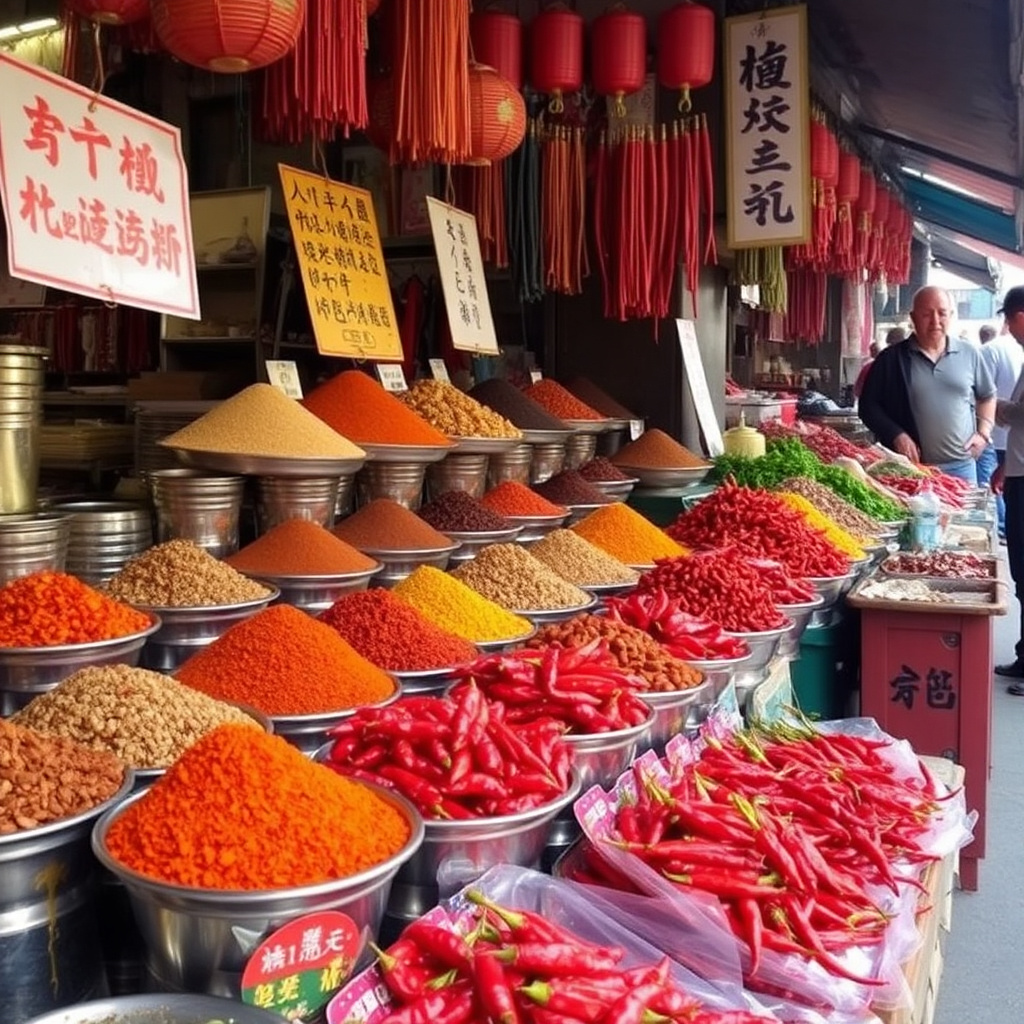
Szechuan chefs use several chili types, including facing heaven peppers and bird’s eye chilies, chosen for their pungency and fruity heat. Both fresh and dried forms contribute to diverse heat intensities in dishes.
Chili oil and chili flakes are common spice carriers, releasing concentrations of heat as they cook together with garlic, ginger, and fermented beans, creating complex layers of spice that enhance the main ingredients.
- Facing heaven chili – moderately hot with aromatic notes
- Bird’s eye chili – small but intense heat
- Dried chili flakes for oil infusion
How Chili Peppers Activate Heat Sensations
The chemical capsaicin in chili peppers binds to nerve receptors, signaling a burning sensation to the brain. This triggers the body’s natural responses like sweating and increased heart rate, intensifying the eating experience.
In Szechuan cuisine, the chili's heat is balanced with sour, salty, and sweet elements to prevent overwhelming the palate while keeping dishes exciting and memorable.
Understanding the Unique Szechuan Peppercorn Flavor Profile

What Makes Szechuan Peppercorns Special
Unlike traditional black pepper or chili peppers, Szechuan peppercorns contain hydroxy-alpha-sanshool, which causes a tingling numbness rather than heat. This sensation complements the chili’s burn, creating the signature ma la flavor.
The peppercorns contribute floral, citrusy, and slightly woody notes that add complexity to the cuisine beyond just spiciness, making it a multi-sensory flavor experience.
For more on this, see our related guide: Is General Tso Chicken Spicy? Understanding Its Flavor Profile.
The Role of Numbness in Szechuan Dishes
The numbing effect of Szechuan peppercorns tempers the chili heat, allowing diners to enjoy intense flavors without being overwhelmed. This interplay engages different sensory receptors to enhance appetite.
Chefs use peppercorns toasted or ground to release these properties, often combining them with chili flakes in the famous mala sauce, key in dishes like mapo tofu and hot pot.
How Szechuan Spiciness Influences Cooking Techniques

Infusing Oil with Spices for Aroma and Heat
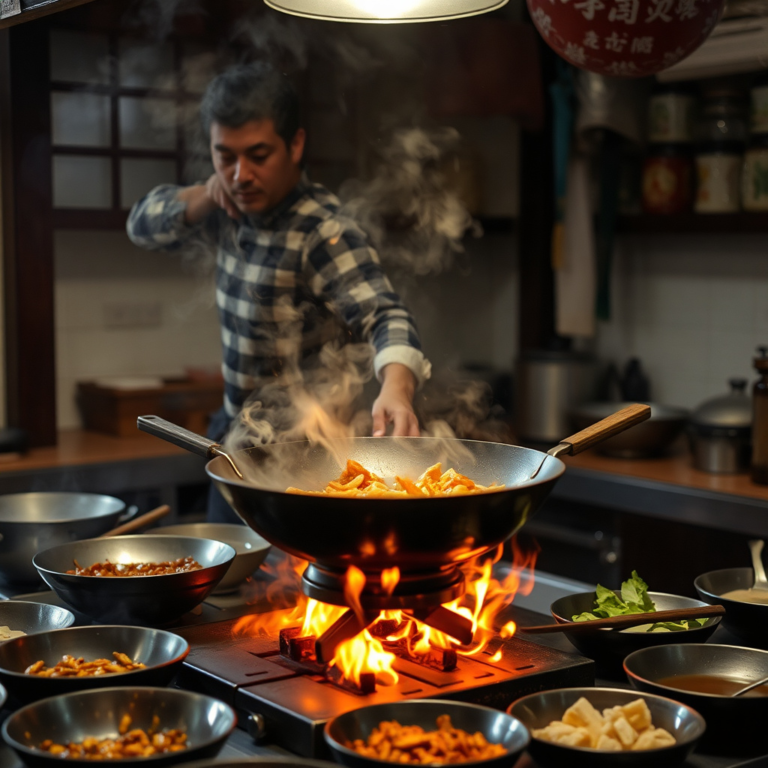
Stir-frying with chili-infused oil unlocks volatile aromas and capsaicin quickly, distributing spiciness evenly. This technique intensifies flavor while softening the raw chili sharpness.
Oil soaking chili flakes or whole peppercorns also contributes deep color and texture, signaling a dish’s level of heat and complexity.
Balancing Heat with Other Flavor Elements
Szechuan cooking skillfully integrates spicy heat with sweet fermented bean paste, salty soy sauce, and sour vinegar to build equilibrium. These contrasts help moderate chili burn while elevating the overall dish.
Layering flavors over time in braises, soups, and sauce bases allows capsaicin and sanshool effects to develop harmony and remarkable flavor depth.
Popular Spicy Szechuan Dishes and Their Heat Characteristics

Iconic Dishes Known for Spiciness
Mapo tofu features silky tofu in a spicy, numbing sauce with chili, peppercorns, and fermented beans. Its heat is penetrative yet balanced.
Kung pao chicken blends diced chicken with dried chili pods and peppercorns, producing a playful heat with crunchy texture.
- Mapo tofu’s vibrant chili and numbness
- Kung pao’s fiery and aromatic profile
For more on this, see our related guide: Where Did Mongolian Beef Originate? Tracing the Roots of a Popular Dish.
Heat Levels and Regional Variations
Hot pot style varies from moderately spicy to intensely fiery, accommodating different heat preferences while maintaining the ma la signature.
Northern and Western Sichuan dishes often have drier heat with more peppercorn influence, while urban Chengdu styles use saucier, chili-forward preparations.
Health Effects and Tips for Enjoying Szechuan Spiciness

Potential Health Benefits of Spicy Ingredients
Capsaicin in chili peppers may boost metabolism, improve circulation, and release endorphins, enhancing mood. Szechuan peppercorn compounds might aid digestion and have antimicrobial properties.
Moderate consumption of spicy Szechuan dishes can stimulate appetite and promote heart health, though individual tolerance varies widely.
For a detailed overview of the history and ingredients of Szechuan cuisine, see its dedicated article on Wikipedia. Szechuan cuisine on Wikipedia.
Managing Heat Sensitivity in Szechuan Food
To enjoy the spicy flavors without discomfort, start with milder dishes or request reduced chili levels. Drinking milk or eating starchy foods can neutralize capsaicin’s burn when needed.
Balancing bites with cooling ingredients like cucumber or tofu also helps temper the chili heat and enhances the overall dining experience.
- Request less spicy preparation
- Use dairy to soothe heat
- Pair with cooling side dishes
Szechuan Chili Varieties and Heat Profiles
Here is a comparison of common chili types used in Szechuan cuisine, focusing on heat level, flavor notes, and typical dishes.
| Chili Variety | Scoville Heat Units (SHU) | Flavor Profile | Common Use |
|---|---|---|---|
| Facing Heaven Pepper | 30,000-50,000 | Fruity, bright spice | Mapo tofu, chili oil |
| Bird’s Eye Chili | 50,000-100,000 | Sharp, intense heat | Kung pao chicken, hot pot broth |
| Dried Red Chili Flakes | Varies (15,000-45,000) | Smoky, aromatic heat | Chili oil, stir-fries |
| Fresh Green Chili | 5,000-15,000 | Mild, fresh flavor | Salads, light sautés |
Frequently Asked Questions
What causes the numbing sensation in Szechuan food?
The numbing sensation comes from hydroxy-alpha-sanshool, a compound in Szechuan peppercorns. It causes a tingling or buzzing feeling on the tongue that balances the chili’s heat.
Are all Szechuan dishes extremely spicy?
Not all Szechuan dishes are very spicy. Some emphasize the numbing peppercorn flavor or have a milder heat level. Many dishes offer customization to suit individual tolerance.
Can I find Szechuan peppercorns outside China?
Yes, Szechuan peppercorns are widely available globally in Asian grocery stores and online. Ensure you get genuine Szechuan peppercorns for authentic flavor.
Why is chili important in Szechuan cuisine?
Chili peppers add heat that complements and enhances the other flavors. They also have a preservative effect and help create the bold, vibrant taste Szechuan food is known for.
How can beginners enjoy Szechuan food without being overwhelmed by spice?
Start with dishes labeled as mild or medium-spicy, or ask restaurants for reduced chili levels. Balancing spicy bites with rice or refreshing vegetables helps ease heat.
Key Takeaways
- Szechuan food’s spiciness stems from chili peppers and unique Szechuan peppercorns.
- Szechuan peppercorns cause a numbing sensation that complements the chili’s heat.
- The regional climate and history shaped the spicy flavor profile.
- Cooking techniques infuse chili heat while balancing flavors for complex dishes.
Conclusion
Understanding why Szechuan food is spicy requires appreciating both its history and the specific ingredients that define its character. The combined effects of chili peppers’ fiery capsaicin and Szechuan peppercorns’ numbing hydroxy-alpha-sanshool create a unique sensory experience that is integral to this cuisine’s identity. Spiciness in Szechuan dishes is more than just heat; it works synergistically with sour, salty, and sweet components to produce complexity that engages multiple taste receptors. This approach reflects the province’s climate and cultural heritage, where spicing food intensely helped flavor preservation and offered warming benefits. When tasting Szechuan food, knowing this interplay explains why dishes can feel both fiery and pleasantly tingling simultaneously.
For those interested in exploring Szechuan spiciness, iconic dishes like mapo tofu and kung pao chicken showcase the spectrum of chili heat and peppercorn numbness. Hot pot styles provide opportunities to adjust spice levels and experience regional variations. Choosing different types of chili peppers or balancing dishes with cooling vegetables allows diners to match the heat to their preference without losing essential flavor. Home cooks can replicate these effects by combining ground Szechuan peppercorns with chili oil and fermented bean pastes, using technique to build the signature ma la sensation.
If you want to experience Szechuan food’s bold spiciness firsthand, start with dishes labeled medium heat or mild ma la to become accustomed gradually. Exploring authentic ingredients like Szechuan peppercorns will deepen your appreciation for how this cuisine transforms simple ingredients with layered flavor and heat. Whether eating out or cooking at home, understanding why Szechuan food is spicy helps unlock a more enjoyable and informed experience of one of China’s most exciting culinary styles.