Maki vs Nigiri: Understanding the Key Differences in Sushi Styles
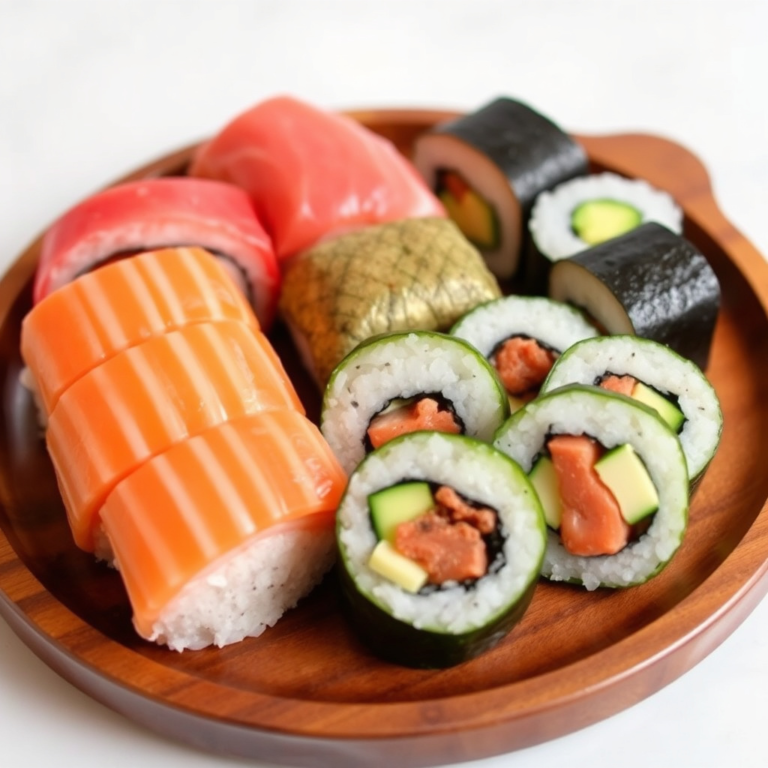
Maki and nigiri are two of the most popular and recognizable forms of sushi, but they differ significantly in preparation, presentation, and eating experience. Maki features rice and fillings wrapped in seaweed, while nigiri consists of hand-formed rice topped with slices of fish or other ingredients. Understanding these differences helps you appreciate sushi more deeply and choose the style that suits your taste.
Both maki and nigiri have rich origins in Japanese cuisine and offer unique textures and flavors. Maki rolls often combine multiple ingredients in a convenient bite-sized roll, making them great for sharing or trying various combinations. Nigiri highlights the quality and freshness of the topping, with a minimalist approach that puts the fish or seafood front and center.
This guide explains the main differences between maki vs nigiri, covering their preparation methods, common varieties, flavor profiles, and tips for selecting them at sushi restaurants. It also compares their nutritional aspects and cultural significance to help you enjoy sushi at its best.
Understanding Maki Sushi: Composition and Varieties

What Is Maki Sushi?
Maki sushi is a rolled form where sushi rice and various fillings are wrapped in a sheet of nori seaweed, then sliced into bite-sized pieces. The filling can include raw or cooked fish, vegetables, and sometimes cream cheese or other additions depending on the style.
Maki's structure makes it easy to eat with chopsticks or fingers, and the seaweed wrap helps maintain the roll's shape while adding a subtle umami flavor.
Types of Maki Sushi Rolls
There are several categories of maki distinguished by size and ingredients: hosomaki (thin rolls with one filling), futomaki (thick rolls with multiple fillings), and uramaki (inside-out rolls with rice outside and nori inside).
Popular maki rolls include cucumber rolls, spicy tuna, California rolls, and dragon rolls, each offering different textures and tastes to cater to diverse preferences.
- Hosomaki: thin, simple rolls
- Futomaki: thick, multi-ingredient rolls
- Uramaki: inside-out rolls with rice on the outside
Exploring Nigiri Sushi: Simplicity and Freshness

What Is Nigiri Sushi?
Nigiri sushi consists of a small mound of sushi rice hand-pressed by the chef and topped with a slice of fresh fish or other seafood, often with a small dab of wasabi between the rice and topping.
The rice is typically seasoned with vinegar and lightly pressed so it holds together but remains tender. Nigiri emphasizes the quality and freshness of the topping, making it a minimalist but flavorful choice.
Common Types of Nigiri Toppings
Popular nigiri toppings include tuna, salmon, shrimp, eel, and octopus, each imparting a unique flavor and texture to the dish.
Some variations involve lightly searing the fish or adding a touch of soy sauce glaze for additional flavor nuance.
- Tuna (Maguro)
- Salmon (Sake)
- Eel (Unagi)
- Shrimp (Ebi)
Flavor and Texture Differences Between Maki vs Nigiri

Taste Profiles in Maki Rolls
Maki sushi offers a combination of flavors in each bite thanks to its multiple ingredients, which can include fish, vegetables, sauces, and rice wrapped in nori, providing a complex and often contrasting flavor experience.
The seaweed wrap adds a slightly briny, umami element, while fillings like cucumber give a crisp texture and avocado adds creaminess, making maki versatile and sometimes rich.
For more on this, see our related guide: Sashimi vs Nigiri: Understanding the Key Differences in Japanese Cuisine.
Taste Profiles in Nigiri Sushi
Nigiri's simplicity allows the freshness and natural flavor of the topping fish or seafood to shine, paired delicately with the vinegar-seasoned rice.
The textural contrast between the tender fish and the slightly chewy rice base is a key part of the nigiri eating experience, with little distraction from additional ingredients.
Practical Tips for Choosing Between Maki vs Nigiri

When to Choose Maki Sushi
Maki is ideal if you want to enjoy a variety of flavors and textures in one bite or share a range of sushi with others.
If you prefer combinations of ingredients like cucumber, avocado, and spicy tuna or want a less fish-forward taste, maki is a better choice.
When to Choose Nigiri Sushi
Choose nigiri if you want to focus on tasting the quality and freshness of the fish or seafood itself without additional ingredients competing for attention.
Nigiri is perfect for those who appreciate simpler, clean flavors and the classic sushi experience that centers on expertly prepared fish.
Nutrition and Health Aspects of Maki vs Nigiri
Calorie and Macronutrient Considerations
Maki rolls can vary widely in calories depending on the number and type of fillings used, often containing vegetables, sauces, or fried components that increase fat and calorie content compared to nigiri.
Nigiri is generally lighter per piece, focusing on fish protein and lower rice volume, making it a lean, lower-calorie sushi option.
For more on this, see our related guide: Sushi vs Sashimi: Understanding the Key Differences and Choosing Your Favorite.
Sodium and Dietary Fiber
Maki can contain higher sodium levels due to sauces like soy, spicy mayo, or imitation crab, and the seaweed wrap adds fiber, though in modest amounts.
Nigiri typically has less added sodium unless soy sauce is used during consumption and provides little dietary fiber, focusing primarily on protein and carbohydrates.
Cultural and Serving Etiquette Differences

Traditional Sushi Presentation
Nigiri is often prepared and served individually by sushi chefs, highlighting craftsmanship and ingredient freshness, traditionally eaten with one or two bites.
Maki rolls are usually pre-sliced into multiple pieces before serving, making them convenient for group dining and casual meal settings.
For more detailed history and cultural context on nigiri, refer to the Wikipedia article on Nigiri. Wikipedia article on Nigiri.
Eating Etiquette for Maki and Nigiri
Nigiri is traditionally eaten by hand or with chopsticks dipped lightly in soy sauce, with care not to overpower the fish with sauce or wasabi.
Maki pieces are typically picked up with chopsticks, and dipping the ends in soy sauce is common, though moderation is advised to avoid sogginess.
Maki vs Nigiri Sushi Category Comparison
Here is a side-by-side comparison of maki and nigiri sushi to highlight their main differences across key features.
| Feature | Maki Sushi | Nigiri Sushi |
|---|---|---|
| Preparation Style | Rolled rice and fillings wrapped in seaweed | Hand-pressed rice topped with fish or seafood |
| Common Size | Bite-sized slices (multiple per roll) | Single small serving (one or two bites) |
| Typical Ingredients | Variety of fillings including vegetables, fish, sauces | Single topping of fresh fish or seafood |
| Flavor Profile | Complex and layered with multiple textures | Simple, highlighting fish freshness |
| Calorie Range | Varies widely, can be higher with sauces/fillers | Usually lower and leaner per piece |
| Traditional Serving | Pre-sliced rolls served for sharing | Individually crafted pieces served by sushi chefs |
| Eating Method | Chopsticks or hand, often dipped in soy sauce | Hand or chopsticks, light soy sauce dipping recommended |
Frequently Asked Questions
Can vegetarians enjoy maki sushi?
Yes, maki sushi often includes vegetarian options like cucumber, avocado, or pickled radish rolls that are entirely plant-based and flavorful.
Is nigiri sushi always raw fish?
No, nigiri can feature cooked toppings like shrimp, eel, or egg, not just raw fish, broadening its variety.
Which sushi style is healthier, maki or nigiri?
Nigiri generally tends to be lower in calories and simpler, but healthy choices can be made from either depending on ingredients and sauces.
Can I eat nigiri sushi with my hands?
Yes, it’s traditional and perfectly acceptable to eat nigiri with your hands, which helps maintain the delicate structure.
Why is nori important in maki sushi?
Nori provides structural support to hold the roll together and adds a subtle, savory marine flavor crucial to the maki experience.
Key Takeaways
- Maki rolls combine rice and multiple fillings wrapped in seaweed, offering diverse flavors and textures.
- Nigiri highlights fresh fish or seafood atop hand-pressed rice, focusing on simplicity and quality.
- Choosing between maki vs nigiri depends on your flavor preference and dining context.
- Nutritional profiles differ: nigiri is usually leaner, while maki varies based on ingredients and sauces.
Conclusion
When deciding between maki vs nigiri sushi, consider how much variety you want in each bite and whether you prefer a complex roll or the pure taste of fresh fish. Maki’s combination of textures and ingredients suits those who enjoy flavor blends and sharing meals, while nigiri’s simplicity reveals the chef’s skill in selecting and preparing quality toppings. Both forms celebrate fundamental aspects of Japanese cuisine but cater to different palates and dining styles.
For those seeking a vibrant medley of tastes and textures, futomaki or uramaki rolls offer several ingredients with diverse profiles, especially for group settings or casual meals. On the other hand, if you appreciate savoring the delicate flavor of fresh seafood, choosing nigiri such as salmon or tuna lets you focus on the purity of each ingredient. Vegetarians will find maki options more varied, while nigiri provides more protein-focused servings for seafood lovers.
The next time you visit a sushi restaurant, try sampling both maki and nigiri to experience their contrasting yet complementary qualities firsthand. This hands-on approach will deepen your appreciation for sushi craftsmanship and help you identify personal favorites. Whether you favor the compact complexity of maki or the elegant simplicity of nigiri, knowing these differences enhances your dining satisfaction.