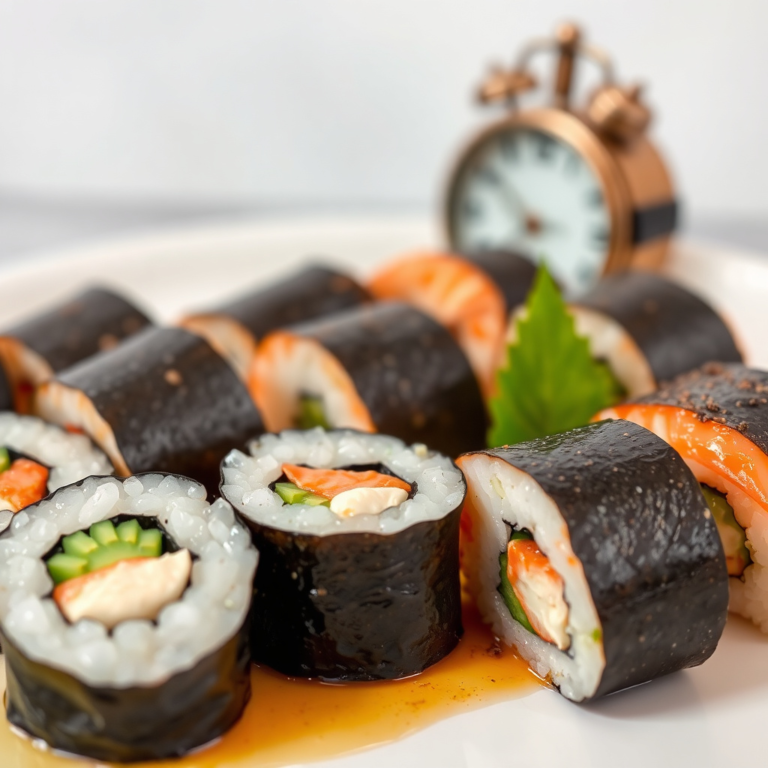
Can Dogs Eat Sushi? What Pet Owners Need to Know
Dogs can eat some types of sushi, but not all sushi ingredients are safe for them. Plain sushi with cooked fish and plain rice may be okay in small amounts, but raw fish, spicy sauces, and some common sushi additions pose health risks to dogs. Avoid giving your dog sushi that contains raw seafood, onion, garlic, or wasabi.
Knowing what parts of sushi are safe matters because many popular sushi components—like raw fish, spicy sauces, and seasonings—can upset your dog's digestive system or even cause toxicity. Improper sushi feeding can lead to gastrointestinal issues, allergies, or poisoning, so it's best to be careful when sharing leftovers or treats.
This article explains which sushi ingredients dogs can eat safely, highlights which to avoid, and offers tips for feeding sushi to dogs thoughtfully. You'll also find a comparison table of sushi types regarding safety for dogs, common questions answered, and practical takeaways for any pet owner.
Understanding which sushi ingredients are safe for dogs

Safe sushi components for dogs
Cooked fish like salmon or tuna without seasoning is generally safe for dogs to eat in moderation. Plain white rice used in sushi is also harmless and often a bland food recommended for dogs with digestive upset. Some vegetables in sushi, such as cucumber or avocado in small amounts, can be acceptable snacks.
It is important that the fish is cooked thoroughly to reduce the risk of parasites and bacterial infections. Also, avoid any kinds of sushi with added sauces or spices. When feeding sushi to dogs, offer only plain versions without soy sauce, wasabi, or pickled ginger.
- Cooked salmon or tuna
- Plain white rice
- Cucumber slices
- Small avocado portions
Dangerous ingredients to avoid in sushi for dogs
Raw fish can carry parasites and bacteria that are harmful to dogs. Additionally, common sushi ingredients like onions, garlic, and spicy wasabi are toxic to dogs and should never be given. Soy sauce is very high in sodium, which can cause dehydration or salt poisoning, especially in smaller dogs.
Other items such as pickled ginger contain vinegar and spices that may upset your dog’s stomach. Lastly, any sushi containing cream cheese, tempura batter, or artificial flavoring should be off-limits due to high fat, salt, and additive content.
- Raw fish
- Onion and garlic
- Wasabi and spicy sauces
- Soy sauce
- Pickled ginger
- Cream cheese or tempura
Health considerations when feeding dogs sushi

Risks of raw fish and seafood
Raw fish may harbor harmful parasites such as flukes or tapeworm larvae that can infect dogs if ingested. Additionally, raw seafood can contain bacteria like Salmonella and Listeria, which can cause severe gastrointestinal illness in pets.
Feeding raw fish regularly increases the chance of these infections and nutritional imbalances, so it’s safer to stick with cooked fish. If you decide to feed any raw seafood, only use high-quality, sushi-grade fish and give very small portions.
- Parasite infection risk
- Bacterial contamination
- Potential for stomach upset
Allergies and intolerances
Dogs can develop food allergies or intolerances to certain fish or sushi ingredients, resulting in itching, digestive upset, or ear infections. Start with small amounts to monitor your dog’s reaction if introducing sushi components.
Some dogs might also be sensitive to soy sauce or additives in sushi, which can exacerbate allergies or cause vomiting and diarrhea. Consult your vet if you notice adverse reactions after your dog eats any sushi.
- Watch for signs of allergies
- Introduce new foods slowly
- Avoid high-sodium ingredients
Feeding sushi to dogs responsibly

Portion control and moderation
Even safe sushi components should only be given in small amounts as an occasional treat due to their sodium content and unfamiliar ingredients. Large portions can cause upset stomach or nutritional issues, especially if your dog is not used to eating fish or rice.
Mix sushi treats with your dog's normal diet rather than replacing meals. Moderation helps avoid digestive disturbances and maintains nutritional balance.
- Small treat-sized portions
- Use sushi as an occasional snack
- Avoid substituting for balanced dog food
Preparation tips for dog-friendly sushi
Remove all sauces, spicy elements, and unsafe vegetables before giving sushi to your dog. Opt for simple rolls with cooked fish and plain rice and cut pieces into bite-sized chunks to reduce choking risk.
Use fresh ingredients, and avoid sushi that has been sitting out for several hours to reduce the chance of bacterial growth that could harm your dog.
- Discard sauces and spicy toppings
- Use only cooked fish varieties
- Serve fresh and bite-sized pieces
Comparing different types of sushi for dogs
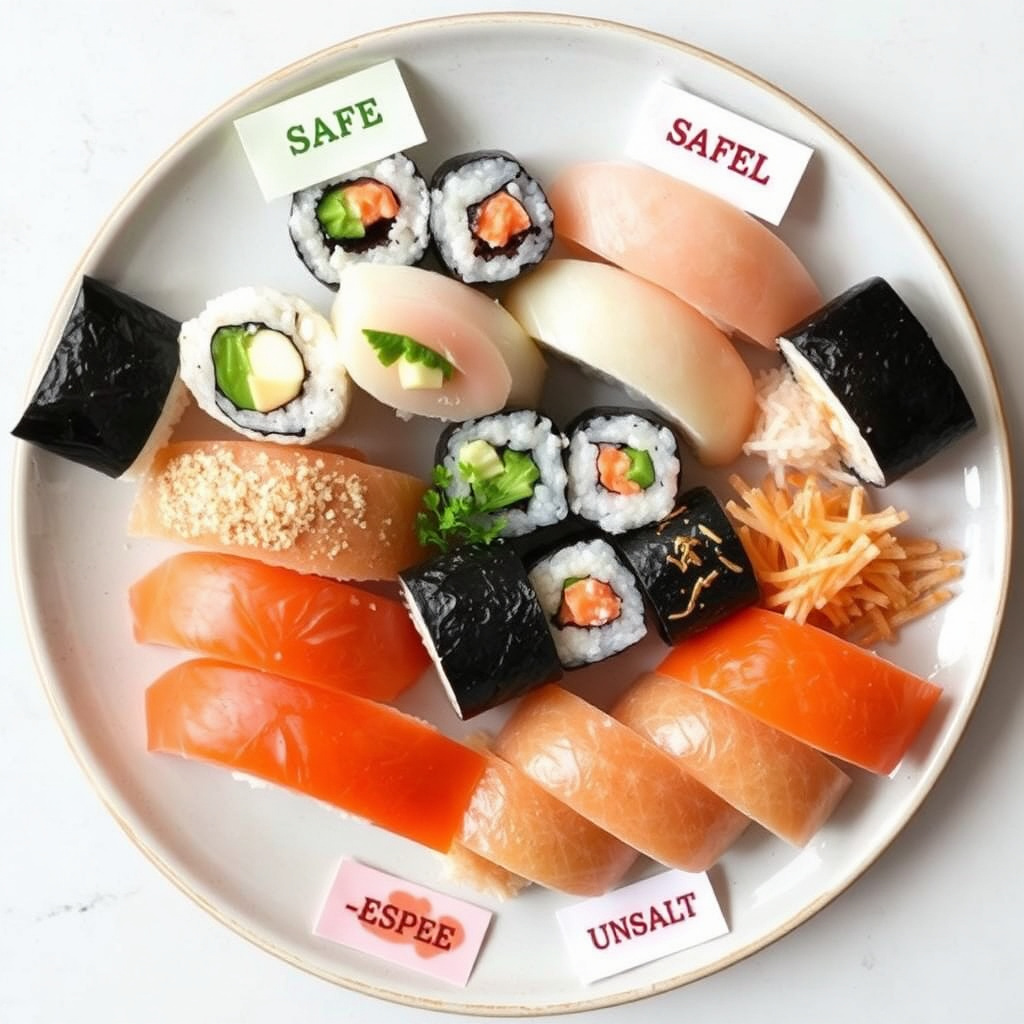
Maki rolls and their suitability
Maki rolls often contain cooked or raw fish and vegetables wrapped in seaweed and rice. Rolls with cooked fish and minimal seasoning are generally safer options for dogs. Avoid maki rolls that include cream cheese, spicy mayo, or tempura shrimp.
Some maki also include avocado or cucumber, which can be safe when given in small quantities, but the added sauces and pickled elements are best avoided.
- Cooked fish maki: safer option
- Avoid spicy or creamy maki rolls
- Check for toxic veggies or sauces
Nigiri and sashimi considerations
Nigiri consists of raw fish over rice and sashimi is slices of raw fish alone. Since both mainly involve raw fish, they carry higher risks of parasites and bacteria for dogs. It’s better to avoid giving your dog these types or only feed small bites of cooked substitutes.
If feeding nigiri, remove the raw fish and give only rice in tiny amounts. Sashimi is generally not recommended unless fully cooked in advance.
- Nigiri with raw fish is risky
- Sashimi is generally unsafe
- Cooked alternatives preferred
Safe alternatives to feeding sushi to dogs

Cooked fish treats
Plain cooked fish like salmon or whitefish without seasoning can be a delicious and healthy treat for dogs without the risk of parasites or harmful additives. Baking or steaming are good cooking methods to retain moisture and nutrients.
Ensure the fish is fully cooked through and bones are removed to avoid choking or digestive issues. These treats provide protein and omega-3 fatty acids beneficial for your dog’s coat and health.
- Use boneless, cooked fish
- Avoid seasoning or oils
- Serve in moderation
Rice and vegetable snacks
Plain cooked rice and steamed vegetables such as carrots or green beans can be healthy, bland snacks similar to the rice and veggies found in sushi. These provide fiber and energy without risking your dog’s health with unsafe sushi ingredients.
Avoid adding soy sauce or spices, and introduce new vegetables gradually to monitor for any digestive reactions.
- Plain cooked white rice
- Steamed dog-safe vegetables
- No added sauces or salt
Signs of sushi-related intolerance or poisoning in dogs

Common symptoms to watch for
Symptoms such as vomiting, diarrhea, excessive drooling, abdominal pain, or lethargy can signal your dog is reacting badly to something in sushi. Allergic reactions might also include itching or swelling. Watch closely after feeding and seek veterinary care if symptoms worsen.
Some toxic ingredients like onions or garlic can cause severe anemia, so prompt treatment is important if you suspect your dog has ingested harmful sushi components.
- Vomiting and diarrhea
- Loss of appetite or lethargy
- Itching or swelling
- Abdominal discomfort
To better understand traditional sushi ingredients and preparation methods, you might find this general overview of sushi helpful. Sushi.
When to contact a veterinarian
If your dog exhibits moderate to severe symptoms after eating sushi, particularly if they consumed raw fish, spicy sauces, or onions, contact your veterinarian immediately. Timely intervention can prevent complications and ensure proper treatment.
Even mild symptoms that persist for over 24 hours warrant a vet evaluation to rule out serious illnesses or food poisoning.
- Persistent digestive issues
- Signs of distress or pain
- Unusual swelling or hives
Sushi Types and Their Safety for Dogs
Below is a comparison of popular sushi varieties based on their safety and suitability for feeding dogs.
| Sushi Type | Main Ingredients | Safety for Dogs | Notes |
|---|---|---|---|
| Maki Rolls (Cooked Fish) | Cooked fish, rice, seaweed | Generally Safe | Avoid sauces and spicy fillings |
| Maki Rolls (Raw Fish) | Raw seafood, rice, seaweed | Unsafe | Risk of parasites and bacteria |
| Nigiri | Raw fish over rice | Unsafe | Raw fish not recommended |
| Sashimi | Raw fish slices | Unsafe | High parasite risk |
| Vegetable Rolls | Rice, cucumber, avocado | Safe with caution | Watch for seasoning or sauces |
| Tempura Rolls | Fried seafood/vegetables | Unsafe | High fat and additives |
Frequently Asked Questions
Can dogs eat raw fish in sushi?
Raw fish can contain parasites and harmful bacteria that may cause illness in dogs, so it is generally not safe to feed raw fish from sushi to dogs.
Is soy sauce safe for dogs to eat with sushi?
Soy sauce has very high sodium content, which can lead to dehydration and salt poisoning in dogs, so it should never be given to them.
Are there sushi rolls safe enough to feed dogs occasionally?
Yes, sushi rolls with only plain cooked fish and rice, without sauces or spicy ingredients, can be fed to dogs in small, infrequent amounts.
What signs show my dog had a bad reaction to sushi?
Watch for vomiting, diarrhea, lethargy, excessive drooling, or swelling after sushi consumption, and contact your vet if symptoms persist or worsen.
Can avocado in sushi be harmful to dogs?
Small amounts of avocado are generally safe for dogs, but the pit and skin should be avoided as they can be choking hazards or contain toxins.
Key Takeaways
- Only feed dogs sushi with plain cooked fish and rice in small amounts.
- Avoid raw fish, spicy sauces, onions, garlic, and soy sauce in sushi for dogs.
- Watch for allergic reactions or digestive upset after feeding sushi treats.
- Consult a vet immediately if your dog shows symptoms of poisoning or illness.
Conclusion
Determining whether dogs can eat sushi involves carefully analyzing the ingredients and their potential health risks. While cooked fish and plain white rice found in some sushi are typically safe for dogs in moderation, many common components like raw fish, spicy wasabi, onions, and soy sauce can be harmful or toxic. Pet owners should thoroughly assess any sushi feedings based on these factors to protect their dogs from foodborne illnesses, allergies, and poisoning. The advice in this guide provides a balanced approach to keeping this occasional treat safe.
For most dog owners, the best approach is to share only fully cooked fish and rice sushi rolls without added sauces or seasoning as an infrequent snack. Maki rolls with cooked salmon or tuna, plain vegetable rolls without pickled or spicy toppings, and simple rice portions rank best. Nigiri, sashimi, tempura rolls, and any sushi containing cream cheese or garlic should be strictly avoided due to safety concerns. If you want to offer fish-based treats more regularly, consider homemade cooked fish dishes that eliminate risks linked to raw or heavily seasoned sushi.
If you decide to introduce sushi to your dog, start with tiny portions and watch for any digestive upset or allergic reactions. Always remove any harmful ingredients beforehand and avoid feeding your dog leftover sushi that has been sitting out. When in doubt about a particular sushi ingredient or if your dog experiences troubling symptoms, consult your veterinarian. This careful, informed approach will help you share your love of sushi with your dog safely.