How Long Can Sushi Sit Out Safely? Expert Food Safety Tips
Sushi should not be left out at room temperature for more than two hours if you want to keep it safe to eat. Beyond this window, the risk of harmful bacteria growth increases rapidly, especially because sushi often contains raw fish and cooked rice that can spoil quickly.
This matters because eating sushi that has been left out too long can lead to food poisoning, which is why proper handling and timing are essential. Sushi’s ingredients are highly perishable, and without refrigeration, bacteria like Salmonella and Listeria can multiply, causing illness.
This article will explain how long sushi can sit out safely, what factors affect its shelf life at room temperature, and practical tips for storing sushi when you bring it home or serve it at parties to avoid waste and protect your health.
Understanding Sushi Safety and Perishability

Why Sushi Ingredients Are Sensitive to Time
The main components of sushi—raw fish, vinegared rice, and seaweed—are all sensitive to temperature and time. Raw fish is particularly prone to bacterial growth if left out, and rice provides a favorable environment for bacteria when it’s warm.
Sushi’s acidic rice helps somewhat in preservation, but it isn’t enough to keep sushi safe for long periods at room temperature. Additionally, other toppings and sauces can introduce moisture and proteins that accelerate spoilage.
Factors That Influence How Long Sushi Can Sit Out
Ambient temperature plays a big role; sushi left out in hot environments spoils much faster than in cooler rooms. Also, how the sushi was handled and stored before being left out affects safety—the fresher and well-chilled it was initially, the longer it can last briefly at room temperature.
Humidity and exposure to air also impact sushi’s shelf life. If sushi is covered or wrapped tightly, it may stay safe slightly longer than if exposed without protection.
- Room temperature (around 70°F or 21°C)
- Warm environments above 90°F accelerate spoiling
- Proper wrapping slows moisture loss
Safe Timeframes for Keeping Sushi at Room Temperature

General Rule: The Two-Hour Limit
Food safety guidelines recommend sushi should not be left out at room temperature for more than two hours. This rule helps prevent the growth of harmful bacteria to unsafe levels.
After two hours, the risk of foodborne illness increases significantly, especially with sushi containing raw fish. If the room temperature is above 90°F (32°C), the safe window decreases to just one hour.
- Do not leave sushi out beyond 2 hours
- Reduce to 1 hour in hot conditions
Exceptions When Sushi is Less Risky to Leave Out
Certain types of sushi, like those made with cooked ingredients (e.g., tempura rolls or cooked shrimp), may be slightly more tolerant to being out, but the two-hour rule still applies to minimize risk.
Vegetarian sushi without raw fish also follows the same guidelines since rice and other ingredients can still harbor bacteria if left out too long.
How To Store Sushi to Extend Its Freshness

Refrigerating Sushi Safely
Sushi should be refrigerated as soon as possible after purchase or preparation. When storing, place sushi in an airtight container to prevent it drying out or absorbing odors from other foods.
Keep sushi chilled below 40°F (4°C) to slow bacterial growth and maintain freshness. Aim to consume refrigerated sushi within 24 hours for the best quality and safety.
- Use airtight containers
- Keep refrigerator temperature below 40°F
- Consume within 24 hours
For more on this, see our related guide: How Long Does Sushi Last in the Fridge? A Safe Storage Guide.
Avoiding Common Storage Mistakes
Leaving sushi loosely wrapped or uncovered in the fridge causes it to dry out quickly and lose texture. Similarly, freezing sushi is generally not recommended as it affects quality and texture of the rice and fish.
Avoid mixing sushi with strong-smelling foods in the refrigerator to prevent flavor contamination. Also, do not leave sushi out overnight as refrigeration is the safe way to extend storage time.
Tips for Serving Sushi at Events and Parties

Keeping Sushi Fresh While Serving
When serving sushi at gatherings, place it on chilled plates or trays with ice packs underneath to maintain a cool temperature longer. This helps delay bacterial growth and keeps sushi appetizing.
Rotate sushi trays regularly and avoid letting sushi sit out during lengthy events. Consider serving smaller batches to replenish from a refrigerated source instead of leaving all sushi exposed.
- Use ice or cold packs
- Serve smaller portions
- Replenish from the refrigerator
Discarding Sushi After the Safe Window
If sushi has been sitting out for over two hours, especially in warm conditions, it should be discarded to avoid health risks. Even if it looks and smells fine, harmful pathogens can still be present.
Encourage guests to eat sushi promptly and provide convenient refrigeration or ice trays to help extend freshness at social occasions.
Recognizing Signs That Sushi Has Gone Bad
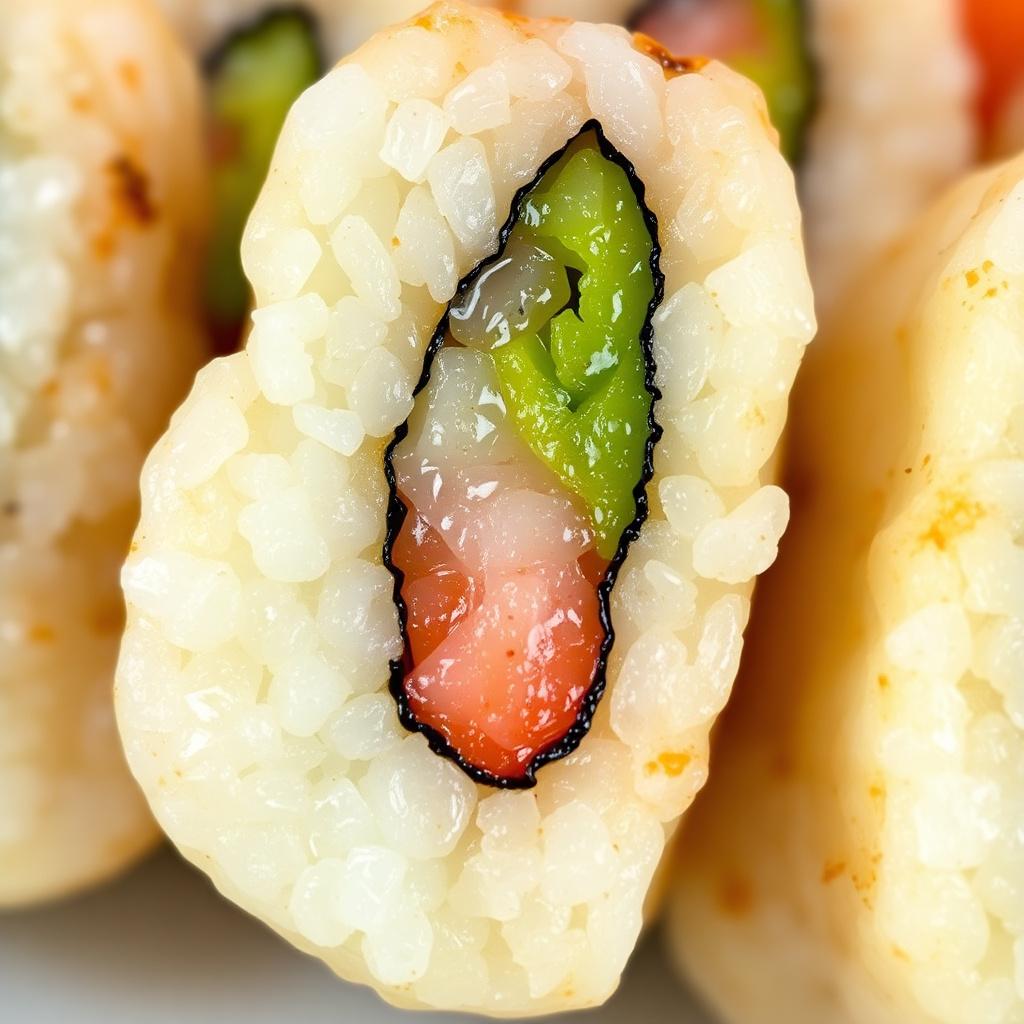
Visual and Olfactory Warning Signs
Spoiled sushi may show discoloration such as dull or gray fish, dry rice, or slimy textures. A sour or off smell is a clear indication that sushi is no longer safe to eat.
If sushi looks excessively dried out or has an unusual texture, it’s best to err on the side of caution and discard it.
- Discoloration of fish
- Slimy or sticky textures
- Sour or unpleasant smell
For more on this, see our related guide: Why Does Sushi Rice Have Vinegar? The Science and Tradition Behind It.
When to Trust Your Senses vs. Safety Guidelines
While appearance and smell can help identify spoiled sushi, some harmful bacteria do not cause noticeable changes. Following the two-hour or one-hour rule is critical even if sushi seems fresh.
Never taste sushi that you suspect might be unsafe. Trust safety timeframes over sensory cues to prevent foodborne illness.
How Sushi Storage Time Affects Nutritional Quality and Taste

Changes in Taste and Texture Over Time
Sushi left out beyond safe timeframes will develop off-flavors as fish fats and carbohydrates break down. The rice can become hard or soggy, and seaweed wrappers may lose their crispness.
These changes reduce enjoyment even if foodborne risk was not yet present, highlighting why timely consumption is preferred.
For authoritative guidance on sushi safety and raw fish handling, consult USDA guidelines on raw fish safety. USDA guidelines on raw fish safety.
Impact on Nutritional Value
Prolonged exposure to room temperature can degrade vitamins, fats, and proteins in sushi, lowering its nutritional content. Fresh sushi provides more beneficial omega-3 fatty acids, while spoiled sushi does not.
For the best nutrient retention, consume sushi within recommended storage times and keep it properly chilled.
Sushi Types and Their Safe Room Temperature Limits
Different sushi types vary in how long they can safely sit out due to ingredients and preparation methods.
| Sushi Type | Safe Time at Room Temperature | Best Storage Method |
|---|---|---|
| Raw Fish Sushi (Nigiri, Sashimi) | Up to 2 hours | Refrigerate immediately in airtight container |
| Cooked Seafood Sushi (Shrimp, Eel) | Up to 2 hours | Refrigerate promptly, sealed container |
| Vegetarian Sushi (Cucumber, Avocado) | Up to 2 hours | Store refrigerated with moisture protection |
| Tempura Rolls (Fried Items) | Up to 2 hours | Refrigerate but consume soon for best texture |
| Pre-packaged Supermarket Sushi | Up to 2 hours after opening | Keep refrigerated and consume within 24 hours |
| Homemade Sushi | Up to 2 hours | Store chilled and consume quickly |
Frequently Asked Questions
Can I leave sushi out overnight?
No, leaving sushi out overnight greatly increases the risk of bacterial growth and foodborne illness. Sushi should be refrigerated and eaten within 24 hours of preparation or purchase.
Is it safer to eat sushi stored in the fridge for a few days?
It’s best to consume refrigerated sushi within 24 hours to reduce risk. After this, texture and flavor degrade, and bacteria may grow, making it less safe to eat.
Does freezing sushi extend its shelf life safely?
Freezing sushi is generally not recommended as it can alter texture and flavor. Only freeze raw fish intended for later use, not assembled sushi.
How can I tell if sushi has gone bad?
Signs include sour or unpleasant smell, discoloration, slimy texture, or dried-out rice. If in doubt, discard sushi to avoid illness.
Are vegetarian sushi rolls safer than raw fish ones at room temperature?
Vegetarian sushi still contains rice and moisture that can support bacterial growth, so the same two-hour rule for room temperature applies.
Key Takeaways
- Sushi should not sit out longer than two hours at room temperature.
- Refrigerate sushi promptly in airtight containers to extend freshness.
- Raw fish sushi has higher risk but all sushi follows the same safe timeframe.
- Trust safety guidelines over smell or appearance to avoid food poisoning.
Conclusion
Making informed decisions about how long sushi can sit out helps avoid health risks associated with foodborne pathogens. Prioritizing timely consumption and proper refrigeration supports both safety and enjoyment. Recognizing that sushi's highly perishable nature demands careful attention when handling can prevent unpleasant illness while preserving the dish’s texture and flavor.
For those hosting events or bringing sushi home, using chilled storage techniques or limiting exposure time at room temperature are effective practices. Raw fish sushi and cooked or vegetarian varieties all require refrigeration within two hours to maintain safety, with hot environments reducing that window to just one hour. When immediate refrigeration isn’t possible, serving smaller portions and replenishing from a refrigerated source ensures freshness and reduces waste.
Ultimately, the best approach to sushi safety is to plan ahead for storage and consumption. Check temperature conditions and handle sushi gently but promptly to avoid extended exposure. By following recommended time limits and refrigeration guidelines for sushi storage time and room temperature limits, you can savor this culinary delight confidently. If unsure about sushi freshness, always prioritize safety by discarding questionable pieces.





One Comment