What Is Clay Pot Cooking? A Complete Guide to Benefits and Techniques
Clay pot cooking is a method that uses unglazed or glazed earthenware pots to prepare food. This technique allows for slow, even heating which helps retain moisture, nutrients, and enhances flavors naturally without the need for excessive oil or water. Clay pots can be used on stovetops, ovens, and sometimes over open flames, making them versatile cookware for a variety of dishes.
The importance of clay pot cooking lies in its natural material, which distributes heat gently and traps steam inside, creating moist and tender meals. It dates back centuries in many cultures and stands out because it prevents food from burning or sticking harshly, producing rich, well-developed flavors. For health-conscious cooks, clay pots offer a way to cook without synthetic chemicals or non-stick coatings.
This article covers the fundamentals of clay pot cooking, including pot types and materials, how to prepare and care for your clay cookware, cooking techniques, the kinds of recipes best suited for clay pots, and a comparison of popular clay pots on the market. By the end, you’ll understand why clay pot cooking is a timeless method worth trying.
Understanding Clay Pot Cooking: Materials and Benefits
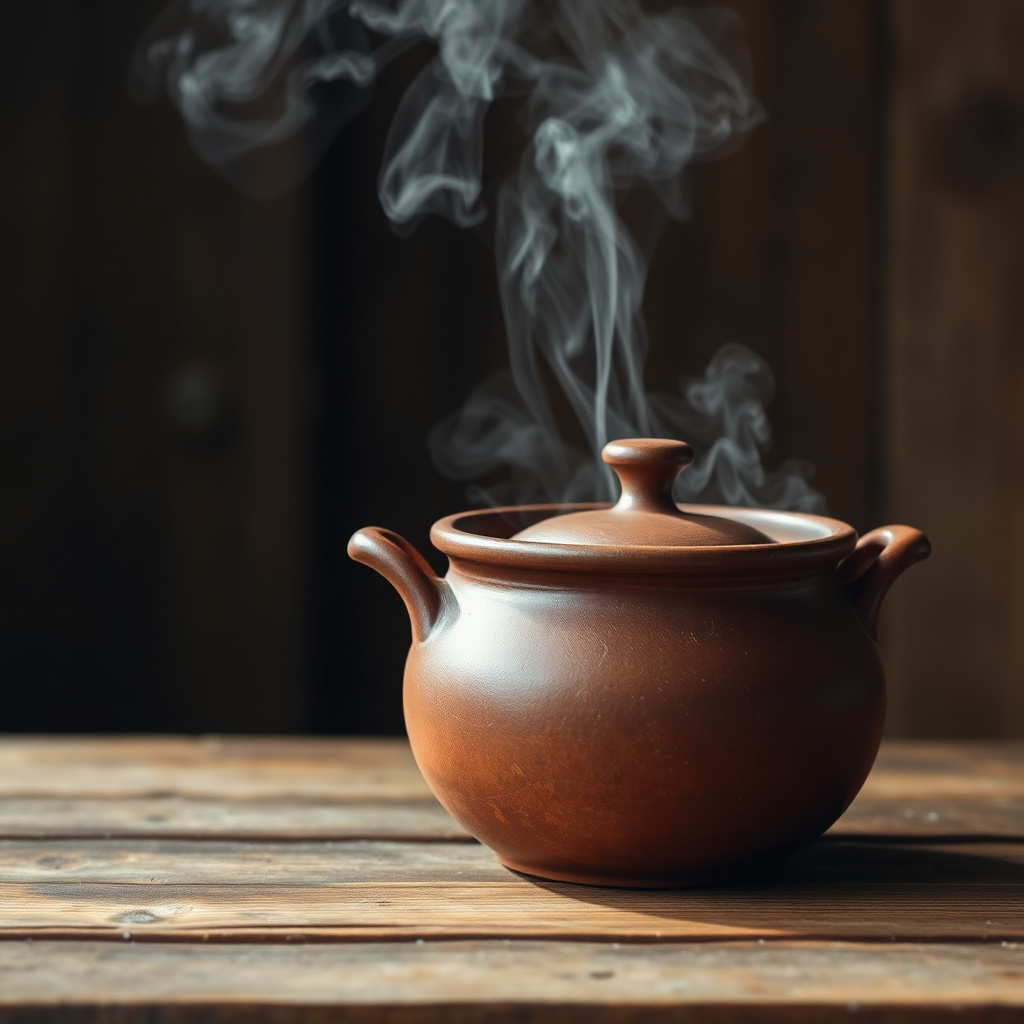
Different Types of Clay Pots
Clay pots come in various forms including unglazed terra cotta, glazed ceramic, and specialized regional styles like the Moroccan tagine or the Indian handi. Unglazed pots absorb moisture and release it slowly during cooking, which keeps food tender. Glazed pots provide a smoother surface and are less porous but retain many of the natural heat-distribution benefits.
The pot’s composition—such as the type of clay, firing temperature, and glaze—affects durability and heat retention. Authentic clay pots are natural and free from synthetic materials, meaning they won’t leach chemicals. Choose a pot that suits your cooking style and heat source compatibility.
- Unglazed terra cotta retains moisture for steaming
- Glazed clay pots offer easier cleaning
- Specialty pots like tagines excel in slow, aromatic dishes
Why Choose Clay Pot Cooking?
Clay pot cooking enhances flavor complexity by slow-cooking meals in their own juices, resulting in moist textures and rich aromas. The porous clay allows heat to circulate evenly, avoiding hot spots common in metal cookware and reducing burnt food risk.
Beyond taste, clay pots maintain food’s nutritional value by preventing nutrient loss during cooking. The slow, gentle temperature keeps vitamins and minerals intact, particularly for vegetables, legumes, and whole grains cooked in the pot.
- Retains moisture naturally
- Distributes heat evenly
- Preserves nutrients
- Adds earthy aroma to dishes
Preparing and Caring for Your Clay Pot

Seasoning Your Clay Pot
Seasoning a new clay pot is essential to remove any impurities and strengthen its surface. Typically, this involves soaking the pot in water for several hours or overnight, then rubbing it with garlic, flour paste, or oil and baking it. This boosts the pot's durability and improves its non-stick qualities.
Failure to season properly can result in cracking or absorption of unwanted odors. The natural clay surface becomes better conditioned over time, enhancing cooking results and ease of cleaning.
- Soak pot in water before first use
- Use garlic or flour paste for seasoning
- Bake pot gently to set seasoning
Cleaning and Maintenance Tips
Clay pots should be cleaned gently with warm water and a soft brush or sponge, avoiding harsh soaps or dishwasher use, which can degrade the clay's porous structure. Residue should be removed carefully without scrubbing aggressively.
Allow pots to dry completely before storing to prevent mold growth. Cracks can develop if the pot is heated or cooled too abruptly, so always heat slowly and avoid sudden temperature changes.
- Avoid soap and dishwasher
- Air dry completely before storage
- Heat slowly to prevent cracks
Techniques and Tips for Clay Pot Cooking

Cooking Methods Best Suited for Clay Pots
Clay pots work best for slow cooking, braising, and simmering dishes such as stews, soups, and casseroles. The gentle heat and steam sealing inside the lid make them ideal for cooking tough cuts of meat or dried beans that benefit from prolonged moisture exposure.
Avoid boiling rapidly as clay cookware heats slowly and unevenness can cause cracks. Start with low heat and increase gradually to allow the pot to adjust and cook food evenly.
- Slow simmering for stews and soups
- Braising meats to tenderness
- Cooking legumes and grains evenly
Adapting Recipes for Clay Pot Cooking
When using clay pots, reduce added liquids compared to conventional cooking as the pot retains moisture well. Keep the lid on during cooking to trap steam. Be prepared for longer cooking times because of the lower, steadier heat.
Recipes often benefit from layering ingredients carefully; place dense items like root vegetables at the bottom where heat is most direct, and delicate items on top to avoid overcooking.
- Use less added liquid
- Cover pot to trap steam
- Layer ingredients by cooking time
Popular Clay Pot Recipes to Try at Home

Classic Clay Pot Chicken
This recipe combines chicken thighs with garlic, herbs, and vegetables slowly cooked in a clay pot, allowing the meat to become tender and infused with earthy aromas. The natural moisture retention keeps the chicken juicy without added fats, highlighting rich, natural flavors.
Ideal for weeknight dinners, the chicken can be cooked directly over low heat or in the oven, adjusting temperature gradually to avoid pot damage.
Hearty Bean and Vegetable Stew
Beans and root vegetables cooked in a clay pot develop a deep, satisfying texture thanks to slow, moist heat. The clay pot method prevents scorching while evenly softening legumes and intensifies the flavors of herbs and spices infused during a prolonged simmer.
This recipe requires pre-soaking beans but benefits from the pot’s ability to keep consistent warmth for hours.
Choosing the Best Clay Pot for Cooking

Evaluating Quality and Durability
When shopping for clay pots, check for sturdy construction, even thickness, and absence of cracks or flaws in the pottery. Higher-quality pots fired at higher temperatures tend to last longer and resist breakage.
Authentic clay pots often have traditional markings or come from known pottery regions. Consider the pot’s compatibility with your cooktop, as not all clay pots work on electric or induction surfaces.
- Look for uniform thickness
- Ensure no cracks or chips
- Check heat source compatibility
Comparing Popular Brands and Styles
Brands like Le Creuset and Emile Henry offer glazed ceramic pots suitable for modern kitchens, while handcrafted terra cotta pots bring rustic authenticity though require careful handling. Tagines, donabe, and cazuelas are regional variations that highlight diverse cooking needs.
Choosing 'best clay pots for cooking' depends on intended dishes, budget, and maintenance preferences. Glazed options provide easier cleaning; unglazed offer the traditional slow steam benefits.
- Le Creuset: durable glazed ceramic
- Handmade terra cotta: authentic flavor
- Regional types: tagine for Moroccan dishes
Health and Nutritional Benefits of Clay Pot Cooking

Natural Cooking Without Chemicals
Clay pots use natural materials without synthetic coatings or metals, allowing food to cook free from potential toxins found in some non-stick or metal cookware. This appeals to health-conscious individuals seeking clean, natural cooking methods.
Cooking in clay reduces the need for excessive oils or fats, since moisture retention naturally tenderizes food. This contributes to lighter meals that maintain nutrient and flavor integrity.
- No synthetic coatings or chemicals
- Retains natural food moisture
- Reduces need for added fats
For further reading on the history and varieties of clay pot cooking, see the detailed overview on Clay pot cooking on Wikipedia. Clay pot cooking on Wikipedia.
Retention of Nutrients and Flavors
The slow and gentle heating of clay pot cooking preserves vitamins, minerals, and antioxidants in vegetables and proteins better than high-heat frying or boiling. The steam circulation inside creates a sealed environment that prevents nutrient escape.
Flavors blend deeply and organically, enhancing the natural tastes of ingredients instead of masking them with heavy sauces or additives.
Clay Pot Types Category Comparison
This table compares popular types of clay pots based on material, cooking style, durability, and ease of maintenance to help you choose the right one.
| Clay Pot Type | Material | Best Cooking Use | Durability | Care Requirements |
|---|---|---|---|---|
| Unglazed Terra Cotta | Natural clay, porous | Slow cooking, steaming | Moderate – prone to cracks | Soak before use, hand wash |
| Glazed Ceramic | Clay with glazed finish | Versatile, baking, stovetop | High – more resistant | Easy clean, hand or gentle dishwasher |
| Tagine | Clay with conical lid | Slow-cooked Moroccan dishes | Moderate – handle carefully | Season and soak before use |
| Donabe | Japanese clay cookware | Steaming, simmering | High – sturdy but brittle | Avoid rapid temperature changes |
| Cazuela | Spanish earthenware | Sautéing, stewing | Moderate | Careful hand wash only |
Frequently Asked Questions
Can clay pots be used on all types of stovetops?
Most clay pots work well on gas stovetops and in ovens, but many are not suitable for electric or induction cooktops. Always check manufacturer instructions to confirm your pot's compatibility with your stove type.
How do I prevent my clay pot from cracking?
Prevent cracks by soaking unglazed pots before use, heating gently at first, and avoiding sudden temperature shocks such as placing a hot pot on a cold surface or adding cold liquid during cooking.
Do clay pots require special seasoning?
Yes, seasoning clay pots by soaking and baking with natural ingredients like garlic or oil helps seal pores, reduce cracking risk, and improve cooking performance, especially for unglazed pots.
Is clay pot cooking healthier than using metal cookware?
Clay pot cooking often retains more nutrients and uses less fat due to slow, moist heat and natural materials without chemical coatings, which may make it a healthier choice over some metal or non-stick pans.
Can I cook acidic foods like tomatoes in a clay pot?
Acidic foods can interact with unglazed clay, sometimes causing flavors or pot damage. Glazed clay pots are better suited for acidic dishes as their surface prevents absorption and reaction.
Key Takeaways
- Clay pot cooking uses natural earthenware to moisten and slowly cook food evenly.
- Proper seasoning and gradual heating prevent cracks and improve durability.
- It enhances flavors and preserves nutrients better than many metal pots.
- Choosing glazed or unglazed pots depends on cooking style and maintenance.
Conclusion
Clay pot cooking presents a unique intersection of tradition, flavor enhancement, and health benefits by using natural materials that coax moisture and nutrients into every bite. When deciding on clay pot cookware, consider the type of dishes you cook most often and the kind of heat source you have. The slow, gentle cooking process may differ from conventional pots but offers results worth adapting to for many home cooks seeking tender textures and deep, authentic flavors.
For cooks wanting versatility with ease of cleaning, glazed ceramic pots from reputable brands provide durability and compatibility with most heat sources, suitable for a broad range of meals. Unglazed terra cotta and specialty vessels like tagines offer authenticity and enhanced moisture retention but need more careful maintenance. Adopting clay pot cooking techniques for stews, braises, and legumes can elevate everyday dinners into richly aromatic experiences.
If you’re ready to explore clay pot cooking, start with a small, affordable pot such as an unglazed terracotta or a glazed ceramic option compatible with your stove. Practice seasoning and slow heating methods, and experiment with recipes designed to maximize moisture retention and layered flavors. This practical approach will help you build confidence and appreciation for this natural cooking method, making it a valued part of your kitchen routine.