Walnut Shrimp vs Honey Walnut Shrimp: Understanding the Key Differences
Walnut shrimp and honey walnut shrimp are both beloved Chinese-American dishes featuring crispy shrimp coated in a creamy sauce and garnished with glazed walnuts, but they differ mainly in flavor profile and sweetness intensity. Walnut shrimp typically uses a lightly sweet mayonnaise-based sauce, while honey walnut shrimp incorporates honey, adding a richer, sweeter taste.
These subtle differences matter because they influence which dish pairs better with different palates and meals. While both offer a satisfying crunch and creamy texture, honey walnut shrimp leans toward a dessert-like sweetness, making it popular among those who enjoy sweet-savory combinations. Walnut shrimp offers a more balanced flavor that complements a wider range of side dishes.
This article will explore the origins, ingredients, and cooking techniques behind walnut shrimp and honey walnut shrimp. You will learn how each dish is prepared, what to expect in taste and texture, and tips for choosing the right version depending on your preferences. We’ll also compare them side by side and answer common questions about these popular walnut shrimp dishes.
Origins and Cultural Background of Walnut Shrimp

History of Walnut Shrimp
Walnut shrimp originated in Chinese-American cuisine during the mid-20th century as a fusion dish blending Eastern and Western flavors. It became popular for its unique combination of crispy fried shrimp tossed in a sweet mayonnaise sauce paired with candied walnuts.
Its creation reflects American tastes for creamy textures balanced by crunchy nuts, differentiating it from traditional Chinese seafood dishes. Over time, walnut shrimp has become a staple in many Chinese restaurants across North America.
Development of Honey Walnut Shrimp Variation
Honey walnut shrimp evolved as a sweeter twist on the classic walnut shrimp by adding honey to the sauce and glazing the walnuts with a honey syrup. This alteration attracted diners who preferred a more pronounced sweet flavor.
The honey glaze on walnuts makes the dish visually appealing and adds a dimension of caramelized sweetness that complements the creamy sauce and shrimp crispiness.
Ingredients: What Makes Walnut Shrimp and Honey Walnut Shrimp Different?
Core Ingredients of Walnut Shrimp
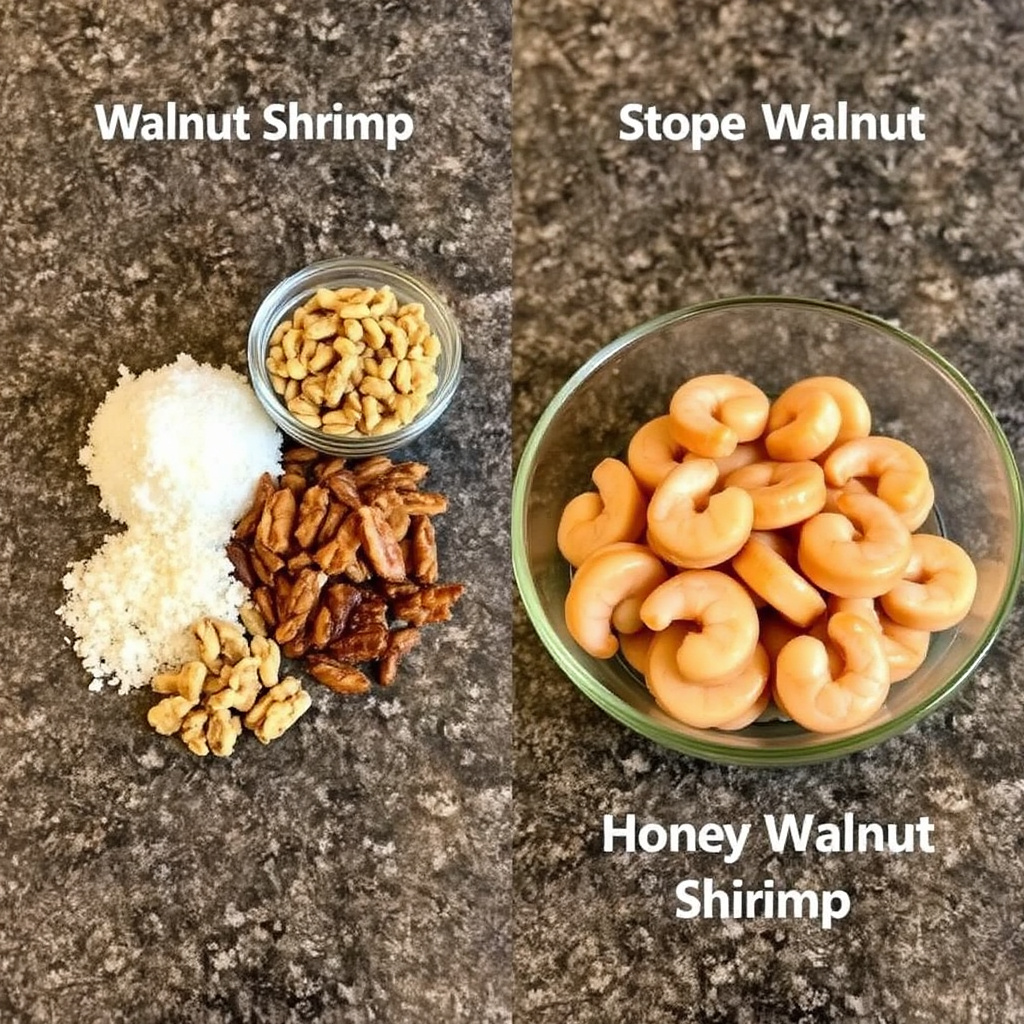
Walnut shrimp typically features large shrimp coated in a light batter or cornstarch and deep-fried until crispy. The sauce is creamy and mildly sweet, made from mayonnaise, lemon juice, sugar, and sometimes condensed milk.
Candied walnuts, which are usually roasted and coated in sugar syrup, finish the dish by adding a crunchy nutty texture that contrasts with the tender shrimp and creamy sauce.
- Peeled and deveined shrimp
- Mayonnaise
- Sugar
- Lemon juice
- Candied walnuts
Additional Sweetness in Honey Walnut Shrimp
Honey walnut shrimp builds upon the walnut shrimp’s base but incorporates honey into both the sauce and the candied walnuts, providing a deeper caramelized sweetness. Some recipes also include evaporated milk or condensed milk to enrich the sauce’s texture further.
The extra sweetness pairs well with the shrimp’s savory crispiness and the honey-glazed walnuts, creating a harmonious balance between sweet, creamy, and crunchy elements.
- Honey in sauce and walnut glaze
- Evaporated or condensed milk
- Mayonnaise
- Candied honey-glazed walnuts
- Shrimp
Preparation and Cooking Techniques
Cooking Walnut Shrimp
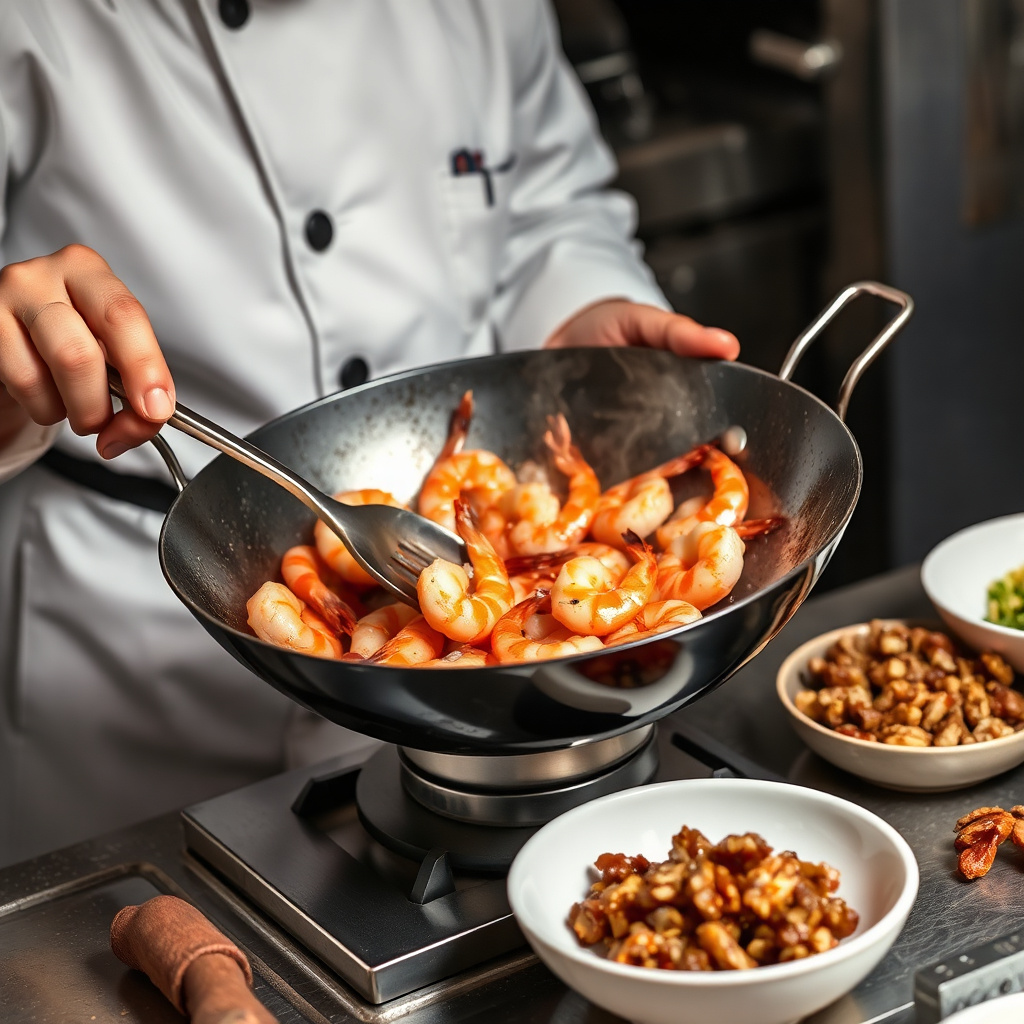
To prepare walnut shrimp, fresh shrimp are lightly battered or coated in cornstarch for a crisp exterior, then deep-fried until golden brown. The sauce is mixed separately and combined with the hot shrimp right before serving to maintain crispiness.
Candied walnuts are typically prepared by roasting walnuts coated with sugar syrup, then cooling them until they harden into a crunchy topping.
For more on this, see our related guide: What Is Walnut Shrimp? A Delicious Seafood Delight Explained.
Differences in Preparing Honey Walnut Shrimp
Honey walnut shrimp involves similar shrimp frying techniques but requires glazing the walnuts with a honey syrup before roasting or lightly frying them a second time to enhance the sticky sweetness.
The sauce also integrates honey more prominently, sometimes warming it briefly to blend evenly. Timing is crucial to coat shrimp without sogginess and keep walnuts crunchy.
Taste and Texture Profile Comparison

Taste Characteristics of Walnut Shrimp
Walnut shrimp offers a balanced sweet and savory flavor profile, with a creamy sauce that carries a subtle tang from lemon juice. The nuts add a toasted crunch that complements the tender shrimp without overwhelming other flavors.
Its milder sweetness makes it versatile and palatable for a wide range of food pairings, serving as a rich yet not overpowering dish.
Honey Walnut Shrimp Flavor Dynamics
The honey walnut shrimp version is noticeably sweeter due to honey's presence in both the sauce and walnut glaze. This sweetness mingles with creamy textures and the shrimp’s savoriness to create a dessert-like effect that some find irresistible.
The sticky, caramelized walnuts provide a more intense crunch accompanied by sweeter notes, making the dish a bit heavier in flavor and more indulgent.
Pairing and Serving Recommendations

Best Sides for Walnut Shrimp
Walnut shrimp pairs well with neutral sides like steamed rice, light vegetable stir-fries, or simple noodle dishes to balance the creamy and crunchy textures. Its subtle sweetness adapts well to dishes that are mildly spiced or savory.
Serving with a crisp green salad or steamed broccoli can add freshness to the meal and contrast the rich sauce.
Serving Honey Walnut Shrimp
Given honey walnut shrimp's pronounced sweetness, it is often served alongside mildly savory or even slightly tangy dishes to counterbalance its richness. Options include steamed jasmine rice, sautéed greens, or pickled vegetables.
Its dessert-like qualities also mean it can be enjoyed as a more indulgent main course or even paired alongside subtly sweet beverages like jasmine tea.
Health Considerations and Nutritional Differences

Nutritional Profile of Walnut Shrimp
Walnut shrimp contains protein from shrimp and healthy fats from walnuts, but the deep-frying process and creamy sauce contribute to higher calories and fat content. The sauce's sugar and mayonnaise add to the dish’s richness.
Portion control and pairing with vegetables can mitigate the indulgence, keeping it balanced within a meal.
For more detailed background on walnut shrimp, visit the Walnut shrimp on Wikipedia page. Walnut shrimp on Wikipedia.
Honey Walnut Shrimp’s Added Sugar Impact
Honey walnut shrimp typically has more sugar and calories than classic walnut shrimp due to honey in the sauce and walnuts. While honey is a natural sweetener, it still adds to overall sugar intake.
For those monitoring sugar or calorie consumption, it’s wise to enjoy honey walnut shrimp in moderation or seek recipes with reduced honey.
Walnut Shrimp vs Honey Walnut Shrimp: Key Differences
The table below compares essential features of walnut shrimp and honey walnut shrimp to clarify their differences in flavor, ingredients, and preparation.
| Feature | Walnut Shrimp | Honey Walnut Shrimp |
|---|---|---|
| Primary Sweetener | Sugar in creamy mayo sauce | Honey in sauce and walnut glaze |
| Walnut Preparation | Candied walnuts with sugar syrup | Honey-glazed walnuts with caramelization |
| Taste Profile | Mildly sweet and tangy | Pronounced sweet and caramelized |
| Sauce Base | Mayonnaise, lemon juice, sugar | Mayonnaise, honey, sometimes condensed milk |
| Typical Pairings | Steamed rice, vegetables | Steamed rice, tangy/refreshing sides |
| Caloric Content | Moderate | Higher due to added honey |
Frequently Asked Questions
Is honey walnut shrimp healthier than walnut shrimp?
Honey walnut shrimp generally contains more sugar and calories than walnut shrimp because of the added honey in the sauce and walnut glaze, making it less healthy if sugar intake is a concern.
Can I substitute honey for sugar in walnut shrimp sauce?
Yes, you can substitute honey for sugar to create a sweeter sauce similar to honey walnut shrimp, but adjust amounts carefully to avoid overpowering sweetness.
What nuts are traditionally used in walnut shrimp dishes?
Candied walnuts are the traditional nut used in both walnut shrimp and honey walnut shrimp, providing a crunchy texture and nutty flavor.
Are these dishes typically served hot or cold?
Walnut shrimp and honey walnut shrimp are usually served hot to maintain the shrimp’s crispiness and the sweetness of the sauce and walnuts.
Can these dishes be made gluten-free?
Yes, by using gluten-free batter or cornstarch for frying and ensuring sauce ingredients do not contain gluten, these dishes can be prepared gluten-free.
Key Takeaways
- Walnut shrimp features a mildly sweet, creamy mayo-based sauce with candied walnuts.
- Honey walnut shrimp adds honey for richer sweetness and caramelized walnut glaze.
- Both dishes use crispy fried shrimp but differ primarily in sweetness and walnut preparation.
- Honey walnut shrimp has higher sugar content and a dessert-like flavor profile.
Conclusion
Comparing walnut shrimp and honey walnut shrimp highlights how subtle ingredient changes can shape a dish’s character. The main keyword walnut shrimp appears most prominently when discussing the classic version and its differences from the sweeter honey walnut shrimp. Deciding between them depends on your flavor preference and how much sweetness you enjoy paired with crunchy walnuts and tender shrimp. Understanding the origins, ingredients, and preparation methods supports an informed choice that matches your palate and meal occasion.
If you prefer a balanced seafood dish with moderate sweetness and a creamy texture, walnut shrimp suits a wide range of side pairings like steamed rice and vegetables. In contrast, honey walnut shrimp is ideal for those who favor a richer, sweeter taste reminiscent of dessert and may enjoy complementary lightly tangy or refreshing sides. Both dishes celebrate the combination of crispy shrimp and walnuts, but the honey walnut variation adds a luxurious honey glaze that elevates sweetness levels significantly.
For anyone exploring these dishes, trying both walnut shrimp and honey walnut shrimp at a reputable Chinese-American restaurant or cooking them at home offers the best way to decide your favorite. Next steps include experimenting with homemade recipes adjusting sweetness or choosing based on meal context — lighter walnut shrimp for everyday dining, honey walnut for special treats. This practical understanding ensures you appreciate the distinct qualities that make each dish memorable.