How Many Calories Are in General Tso Chicken? A Nutritional Guide
General Tso chicken typically contains between 800 and 1,200 calories per serving, depending on portion size and preparation methods. This calorie range reflects the deep frying of battered chicken and the sweet, often sugary sauce coating it.
Understanding the calorie content of General Tso chicken matters for managing daily energy intake and balancing indulgence with overall nutrition. While delicious and satisfying, this dish is also rich in carbohydrates, fats, and sugars that can impact your diet if consumed frequently or in large quantities.
This article will break down the factors influencing the calories in General Tso chicken, including recipes, portion size, and restaurant variations. You'll also find information on its nutritional profile, healthier alternatives, and practical tips for enjoying this popular dish without overloading on calories.
What Factors Influence the Calories in General Tso Chicken?

Role of Chicken Preparation and Batter
The chicken in General Tso is usually battered and deep-fried, which significantly adds to the calorie count. The coating absorbs oil, increasing fat content and calories.
Lighter preparations, like oven-baking or air frying, can reduce calories but may alter texture. The thickness and ingredients of the batter also vary across recipes, influencing the final calorie tally.
Impact of the Sauce Composition
The signature sauce contains sugar, soy sauce, garlic, and sometimes vinegar, contributing carbohydrates and calories. High sugar content in many restaurant sauces can substantially increase caloric density.
Homemade versions allow better sugar control, lowering calories without losing flavor, whereas commercial sauces often contain added sweeteners and preservatives.
Understanding the Nutritional Breakdown

Macronutrient Profile
General Tso chicken is relatively high in fat due to deep-frying and sugar from the sauce. A typical serving offers about 40-50 grams of fat, 70-90 grams of carbohydrates, and 25-30 grams of protein.
The carbohydrate content primarily comes from sugars and starches, making it a dense energy source that should be balanced with other foods in your diet.
Micronutrients and Sodium Content
Besides macronutrients, this dish can be high in sodium because of soy sauce and flavor enhancers, sometimes exceeding 1,000 mg per serving.
While it provides some nutrients like iron and B vitamins from the chicken, the high sodium level means those monitoring blood pressure should consume this dish cautiously.
Variation in Calories Among Different Serving Sizes and Restaurants
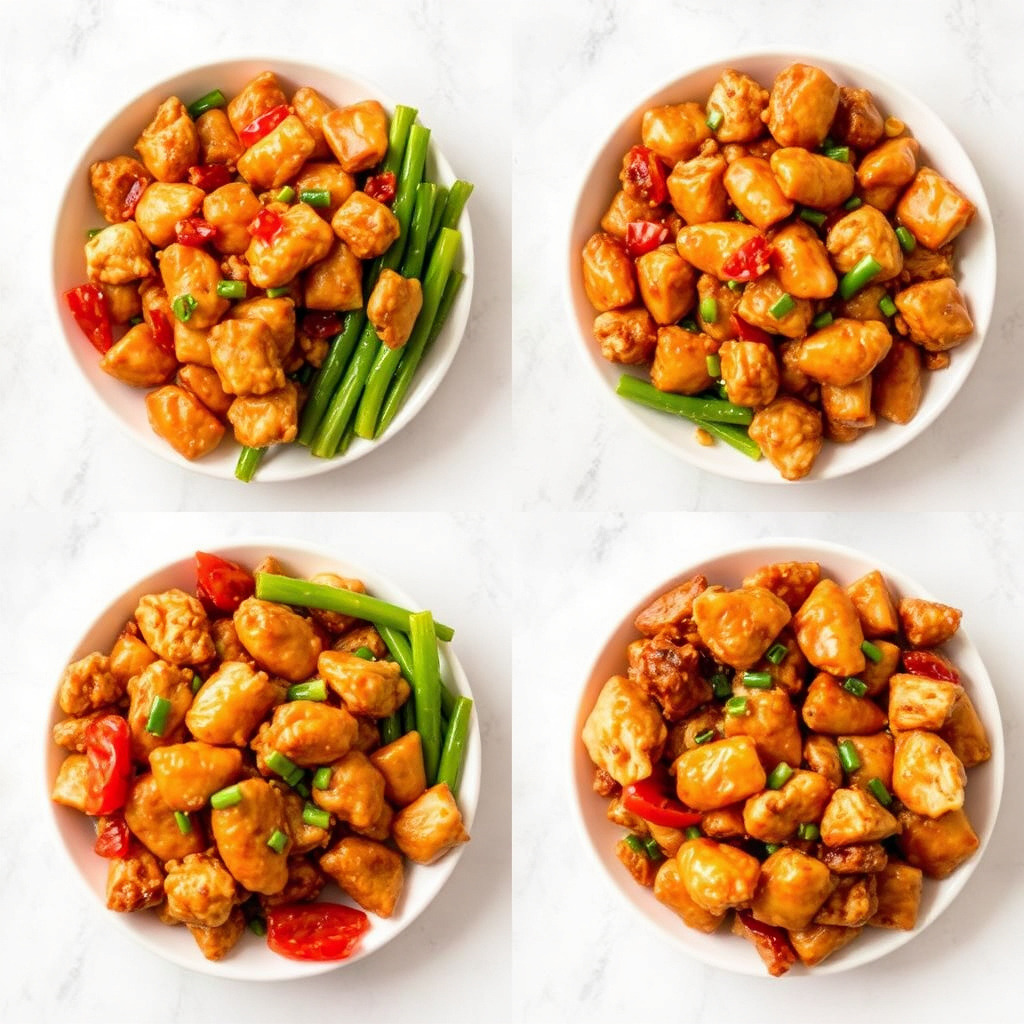
Restaurant Portions vs. Homemade Portions
Restaurant portions often skew larger and are prepared with more oil and sugar, pushing calorie counts toward the higher end. In contrast, homemade servings can be smaller and use less oil and sugar, reducing calories.
Take-out and buffet meals tend to have higher portions and added ingredients like extra sauce or fried sides that raise total caloric intake.
- Restaurant large serving: 1,000–1,200 calories
- Homemade moderate serving: 600–800 calories
- Buffet style tends to have variable but generally higher calories
For more on this, see our related guide: Is Orange Chicken Healthy? A Nutritional Breakdown and Health Guide.
Influence of Additional Ingredients and Side Dishes
Common accompaniments like fried rice, noodles, or egg rolls add substantial calories, often doubling or tripling the meal's total energy content.
Including vegetables or opting for steamed rice instead of fried sides can help reduce overall meal calories while still enjoying the main dish.
Healthier Ways to Enjoy General Tso Chicken

Cooking Method Alternatives
Using grilling, baking, or air frying reduces fat without sacrificing too much flavor. These methods produce a lighter version with fewer calories and less saturated fat.
Removing the batter or using a lighter coating like panko breadcrumbs can also cut calorie content substantially.
Modifying the Sauce and Ingredients
Preparing the sauce with less sugar, low-sodium soy sauce, and fresh ingredients decreases calories and sodium. Adding more vegetables enhances volume and nutrients.
Swapping white rice for brown rice or cauliflower rice further improves the nutritional profile of the meal.
How to Read Nutrition Labels for General Tso Chicken
Identifying Calorie and Fat Content
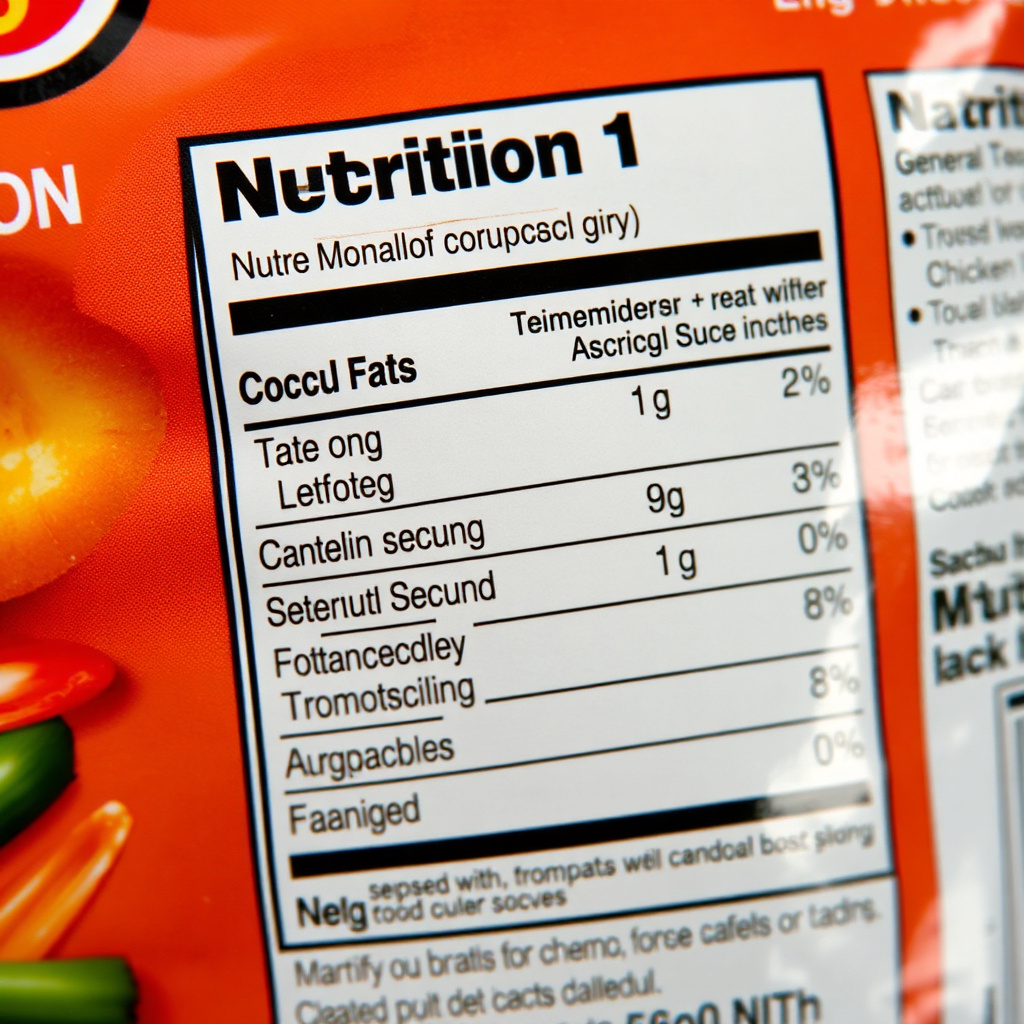
Nutrition labels list calories per serving along with total fat, saturated fat, and trans fat. Look for products with lower saturated and trans fats to select healthier options.
Pay attention to serving sizes since some packages contain multiple servings, which can mislead about actual calorie intake if eaten whole.
For more on this, see our related guide: Is General Tso Chicken Healthy? An Honest Nutritional Breakdown.
Checking for Added Sugars and Sodium
Labels include added sugars and sodium amounts, key factors for managing calorie intake and cardiovascular health.
Products with lower added sugar and sodium contents better fit balanced diets and reduce risks associated with overconsumption of these nutrients.
Incorporating General Tso Chicken into a Balanced Diet

Meal Planning Tips
Pair General Tso chicken with plenty of vegetables and moderate portions of whole grains to improve overall nutrient balance and lower calorie density.
Limit portions of sauce and avoid additional fried items to keep calorie intake manageable without sacrificing enjoyment.
For a deeper understanding of this dish’s history and variations, you can visit the General Tso's chicken page on Wikipedia. General Tso's chicken on Wikipedia.
Frequency and Moderation Advice
Enjoying General Tso chicken occasionally rather than as a regular meal helps keep calorie intake and sodium within healthy limits.
Use it as an occasional treat while focusing daily nutrition on minimally processed foods rich in fiber and protein.
General Tso Chicken Preparation Methods Comparison
This table compares popular preparation methods for General Tso chicken by calorie count, fat content, and cooking time to help you select the best option.
| Preparation Method | Calories per Serving | Total Fat (g) | Cooking Time |
|---|---|---|---|
| Deep Fried (Restaurant Style) | 1000-1200 | 40-50 | 20-30 minutes |
| Oven Baked (Homemade) | 700-850 | 25-30 | 35-40 minutes |
| Air Fried | 650-800 | 20-25 | 25-30 minutes |
| Grilled with Sauce | 500-600 | 15-20 | 20-25 minutes |
| No Batter, Stir-Fried | 550-700 | 18-22 | 15-20 minutes |
Frequently Asked Questions
Is General Tso chicken high in calories?
Yes, General Tso chicken is typically high in calories due to deep-fried chicken and sugary sauce, often around 800 to 1,200 calories per serving.
Can I make a lower-calorie version of General Tso chicken?
You can reduce calories by baking or air frying the chicken instead of deep frying and using less sugar in the sauce.
How much sugar is in General Tso chicken sauce?
The sauce can contain a significant amount of sugar, often about 10-15 grams per serving, depending on the recipe.
Is the sodium content in General Tso chicken a health concern?
Yes, it often contains high sodium levels exceeding 1,000 mg per serving, which can impact blood pressure if consumed frequently.
Does the calorie count change with side dishes?
Yes, adding fried rice or egg rolls can double the meal's calorie content, so choosing steamed sides lowers overall calories.
Key Takeaways
- General Tso chicken typically has 800-1,200 calories per serving.
- Deep-frying and sugary sauce elevate calorie and fat content.
- Healthier versions use baking, air frying, and reduced sugar sauces.
- Portion size and side dishes greatly affect total calorie intake.
Conclusion
Evaluating the calorie content of General Tso chicken involves considering both cooking methods and portion sizes. The dish’s popularity often leads to generous servings coated in high-calorie batter and sugary sauce, boosting energy intake beyond typical meal needs. Being aware of this helps balance indulgence with health goals, especially for those monitoring fats, sugars, and sodium.
For individuals seeking to enjoy General Tso chicken without excessive calories, opting for homemade or air-fried versions can cut fat and calories significantly. Choosing smaller portions and pairing with steamed vegetables or brown rice helps reach a satisfying meal without overconsumption. Restaurants that provide nutrition information allow diners to make more informed choices balancing flavor with dietary concerns.
Ultimately, moderate consumption of General Tso chicken fits within many balanced diets when managed consciously. Experimenting with cooking techniques and supporting ingredients preserves the dish’s characteristic flavor while lessening nutritional drawbacks. Planning meal compositions around such dishes ensures enjoyment does not compromise overall wellbeing.