Chinese vs Japanese Sushi: Key Differences and Authentic Flavors Compared
Chinese and Japanese sushi differ significantly in terms of ingredients, preparation techniques, and cultural significance. Japanese sushi is traditionally based on vinegared rice paired with raw seafood or vegetables, emphasizing freshness and simplicity, whereas Chinese sushi often involves cooked ingredients and varied regional influences.
Understanding these differences matters for both culinary enthusiasts and anyone wanting to appreciate each cuisine's authentic style. While Japanese sushi maintains a minimalist philosophy focusing on natural flavors, Chinese sushi incorporates more diverse flavors and cooking methods reflecting China's varied culinary landscape.
This article will examine the origins, ingredients, preparation methods, presentation styles, and flavor profiles of Chinese and Japanese sushi. It will also cover how to recognize authentic versions of each and suggest when to enjoy them.
Origins and Cultural Background of Chinese and Japanese Sushi

History of Japanese Sushi
Japanese sushi originated from a Southeast Asian technique of fermenting fish with rice, evolving over centuries into the vinegared rice and fresh fish dishes we know today. The Edo period in Japan solidified sushi as a fast-food made with fresh ingredients, demonstrating both artistry and simplicity.
This history deeply shapes the traditional sushi styles that focus on raw or lightly cured fish and precise presentation, reflecting Japan’s cultural emphasis on seasonality and balance.
Development of Chinese Sushi
In contrast, Chinese sushi often reflects a broader culinary approach, combining cooked seafood, vegetables, and rice in rolls or bite-sized pieces. Chinese 'sushi' tends to encompass diverse influences from regional cuisines such as Cantonese and Fujian, where rice preparation and ingredient variety vary greatly.
Chinese sushi styles generally favor cooked or marinated components, integrating stronger sauces and a more varied flavor palette, influenced heavily by Chinese spice and preservation techniques.
Ingredients in Chinese vs Japanese Sushi

Traditional Japanese Sushi Ingredients
Japanese sushi emphasizes vinegared rice (shari), fresh raw fish (neta) such as tuna, salmon, and eel, along with minimal additional ingredients like wasabi, soy sauce, and pickled ginger. The quality and freshness of fish are paramount.
Vegetables such as cucumber, avocado, and seaweed are often used but kept simple to highlight natural flavors—whether in nigiri, sashimi, or maki rolls.
- Vinegared short-grain rice
- Fresh raw fish and seafood
- Wasabi and soy sauce
- Seaweed sheets (nori)
Ingredients Common in Chinese Sushi
Chinese sushi may incorporate cooked seafood like shrimp and crab, marinated meats, pickled vegetables, and even fried items. Rice used can be less vinegared and sometimes sticky glutinous rice is preferred for texture.
Sauces such as hoisin, chili, and sweet soy sauce enrich the flavor complexity, distinguishing Chinese sushi from the lighter Japanese profiles.
- Cooked or marinated seafood and meats
- Sticky or regular rice with less vinegar
- Various pickled and fried vegetables
- Rich sauces like hoisin or chili
Preparation Techniques in Chinese and Japanese Sushi

Japanese Sushi Preparation
Precision is crucial in Japanese sushi preparation. The vinegared rice must be carefully seasoned and shaped by hand. Fish slicing requires skill to maximize texture and flavor. Techniques vary from nigiri shaping to delicate roll assembly with seaweed.
Every step aims for balance and subtlety, preserving the seafood’s natural taste with minimal sauces or overpowering additions.
For more on this, see our related guide: Chinese Food vs Japanese Food: A Flavorful Comparison You Need to Know.
Chinese Sushi Preparation Styles
Chinese sushi often blends cooking methods like steaming, frying, and marinating before assembly. Rice and fillings are mixed with sauces and seasonings, creating bolder and often sweeter or spicy flavors. Rolls may be wrapped loosely or fried for a contrasting texture.
The preparation reflects a fusion of culinary tactics adapted from multiple Chinese regional cuisines.
Presentation and Serving Differences

Japanese Sushi Presentation
Japanese sushi is typically presented with refined simplicity—a few pieces arranged neatly to highlight the fish’s color and texture. Minimal garnishes like shiso leaf or a dollop of wasabi support visual and taste harmony.
The focus remains on elegance and the fine craftsmanship of each piece, often served with sake or green tea.
Chinese Sushi Presentation
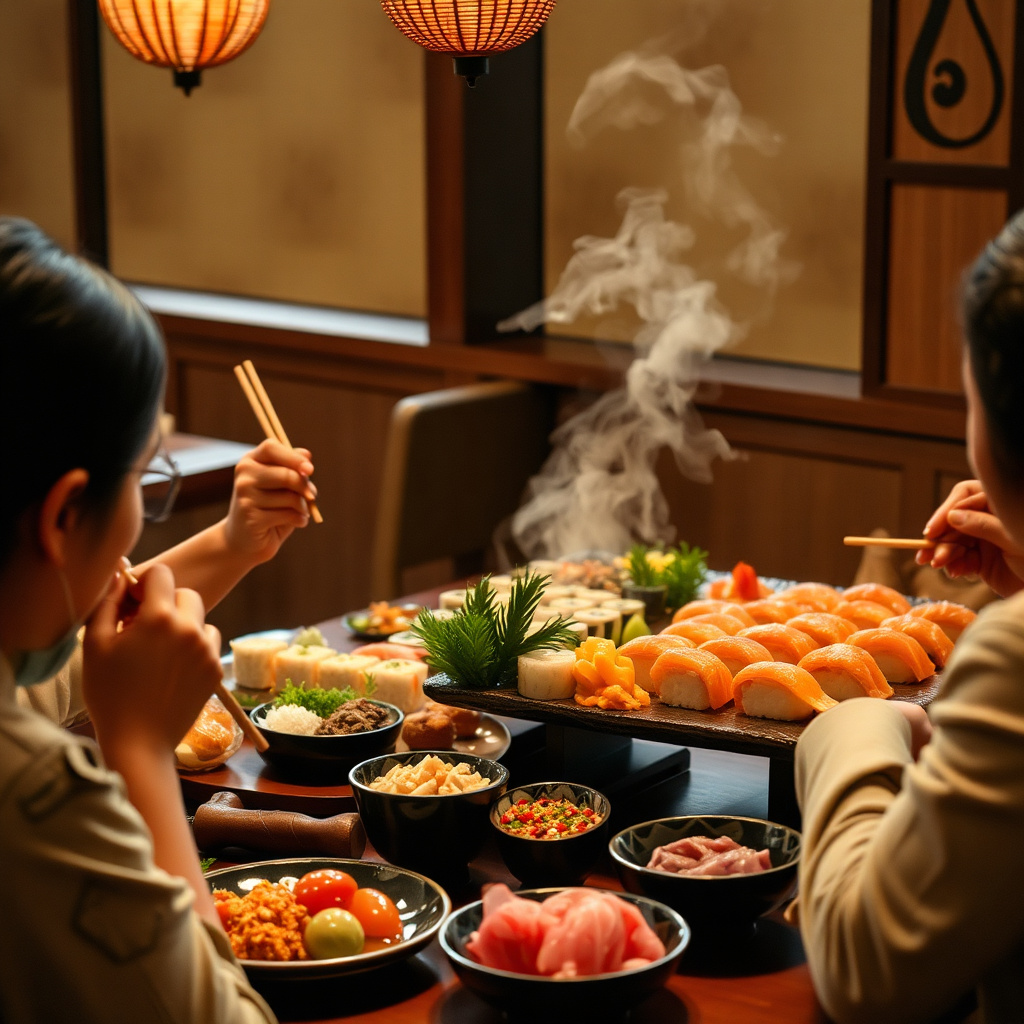
Chinese sushi plates tend to be more abundant and colorful, showcasing numerous rolls and toppings with diverse textures and sauces. Presentation often emphasizes variety and a communal dining experience.
Sauce drizzles and garnishes like cilantro or chopped peanuts are common, enhancing flavor complexity visually.
Flavor Profiles in Chinese vs Japanese Sushi

Japanese Sushi Flavor Characteristics
Japanese sushi features clean, delicate flavors where the natural sweetness of fresh fish and seasoned rice shine. Wasabi and soy sauce add subtle heat and saltiness, while pickled ginger cleanses the palate between bites.
The overall effect is one of refined balance with a focus on freshness and texture.
For more on this, see our related guide: Soy Sauce vs Tamari: Which One Should You Choose for Your Kitchen?.
Taste Range in Chinese Sushi
Chinese sushi offers a broader taste spectrum including sweet, sour, salty, and spicy notes. Marinades, pickling, and sauces play critical roles. Textural contrasts like crispy fried elements enhance the mouthfeel.
These layers reflect China’s culinary diversity, aiming for rich, robust flavors.
Choosing Between Chinese and Japanese Sushi
When to Choose Japanese Sushi
Japanese sushi is preferable for those seeking authentic, fresh seafood-focused dining with minimalist presentation. It's ideal when you want to experience traditional sushi styles highlighting natural ingredients without heavy sauces.
Sushi purists and fans of subtle flavor nuances often favor Japanese options.
For more detailed background on sushi's development and varieties, consult this comprehensive Wikipedia article. Sushi history and types on Wikipedia.
When Chinese Sushi is a Better Fit
Chinese sushi suits diners who enjoy cooked or marinated seafood with complex, bold flavors and diverse textures. It works well for adventurous eaters who appreciate fusion-style dishes incorporating a variety of ingredients and seasonings.
The communal and plentiful presentation also fits casual group dining.
Chinese vs Japanese Sushi: Style Comparison
This table summarizes the main differences between Chinese and Japanese sushi across important factors to help clarify their unique qualities.
| Aspect | Chinese Sushi | Japanese Sushi |
|---|---|---|
| Primary Ingredients | Cooked or marinated seafood, sticky rice, diverse vegetables | Fresh raw fish or seafood, vinegared short-grain rice, minimal garnishes |
| Rice Preparation | Sticky or regular rice, often less vinegared | Vinegared rice hand-shaped with precision |
| Flavor Profile | Bold, varied with sauces and spices | Clean, delicate, focused on freshness |
| Presentation | Colorful, abundant, communal platters | Minimalist, refined, individual pieces |
| Preparation Techniques | Steaming, frying, marinating | Raw slicing, hand-shaping, minimal cooking |
| Cultural Roots | Regional Chinese culinary diversity | Traditional Japanese Edo-period development |
Frequently Asked Questions
Is Chinese sushi served with raw fish like Japanese sushi?
Chinese sushi rarely features raw fish; it usually includes cooked or marinated seafood and a variety of fillings, differing from the raw fish focus of Japanese sushi.
Are the rice types different in Chinese vs Japanese sushi?
Yes, Japanese sushi uses vinegared short-grain rice, while Chinese sushi often uses sticky or less vinegared rice, affecting texture and taste.
What sauces are common in Chinese sushi?
Chinese sushi commonly uses hoisin sauce, chili sauce, sweet soy, and other flavorful condiments, unlike the simpler soy and wasabi of Japanese sushi.
Can I find authentic Japanese sushi in China or Chinese sushi in Japan?
Yes, global cities often offer both, but be aware that local versions may adapt to regional tastes, so authenticity can vary.
Which sushi style is healthier?
Japanese sushi is generally lighter with raw fish and minimal sauces, making it a lower-calorie option, while Chinese sushi may include fried or heavily sauced components.
Key Takeaways
- Japanese sushi emphasizes fresh raw fish, vinegared rice, and minimalist flavor.
- Chinese sushi often includes cooked ingredients, varied sauces, and diverse textures.
- Preparation methods and cultural backgrounds shape distinctive sushi styles.
- Choosing depends on preference for subtle freshness or bold, varied flavors.
Conclusion
Deciding between Chinese vs Japanese sushi comes down to understanding the essence of each culinary tradition. Japanese sushi focuses on celebrating the natural flavor and texture of high-quality raw ingredients combined with vinegared rice in simple presentations. With restrained use of condiments and artful preparation techniques, it appeals to those valuing purity and balance in a meal. Chinese sushi, by contrast, springs from a wider variety of cooking practices and flavor profiles, blending cooked seafood, rich sauces, and different rice textures. This results in a more complex, often heartier dish that reflects China’s diverse regional cuisines.
For diners seeking the traditional, delicate sushi experience defined by freshness, clean flavors, and elegant presentation, Japanese sushi styles such as nigiri, sashimi, or classic maki are ideal. On the other hand, those wanting adventurous, flavorful dishes incorporating multiple techniques and rich sauces might find Chinese sushi more satisfying, especially when shared among groups due to its abundant and diverse presentation. Understanding the distinctions detailed in this article equips readers to appreciate and select between these two distinct but delicious sushi interpretations.
Your next step could be trying both styles side by side, perhaps at specialized restaurants that highlight the authentic characteristics of each cuisine. Paying attention to ingredients, preparation, and presentation will deepen your appreciation of these culinary traditions. Whether you favor the simplicity and elegance of Japanese sushi or the vibrant, bold tastes of Chinese sushi, each offers a unique gastronomic journey worth exploring.