How to Make Yang Chow Fried Rice: A Step-by-Step Authentic Recipe
Yang Chow fried rice is a beloved Chinese dish known for its balanced flavors and mix of fresh ingredients. To make it at home, you start by stir-frying cooked rice with diced shrimp, char siu pork, scrambled eggs, vegetables like peas and green onions, and season it with soy sauce and sesame oil. The result is a savory, aromatic rice dish that's both simple and tasty.
This dish stands out because of its combination of sweet char siu pork and tender shrimp alongside fluffy eggs and crisp vegetables, creating a satisfying texture and flavor harmony. Mastering this recipe lets you enjoy restaurant-quality Yang Chow fried rice anytime, right in your kitchen.
Next, you'll find detailed instructions on preparing each ingredient, tips for rice preparation to achieve the right texture, and suggestions to customize the recipe to your taste preferences.
Preparing the Key Ingredients for Yang Chow Fried Rice

Choosing and Preparing the Proteins
The two main proteins in Yang Chow fried rice are shrimp and char siu pork. For shrimp, peeled and deveined small to medium-sized varieties work best to ensure even cooking and a tender bite. Char siu pork gives the dish its signature sweet-savory depth — you can purchase pre-cooked char siu from Asian markets or prepare it yourself by marinating pork shoulder in a mixture of hoisin sauce, honey, five-spice powder, and red food coloring, then roasting until tender.
Once cooked, chop both the shrimp and char siu pork into small, bite-sized pieces. This uniformity helps the proteins distribute evenly throughout the rice, offering balanced flavors in every forkful.
- Use fresh or thawed shrimp, about 1/4 inch pieces
- Char siu pork should be diced into small cubes
- Cook shrimp briefly to avoid toughness
Vegetables and Aromatics Preparation
Classic Yang Chow fried rice includes peas and diced green onions (scallions). Peas add a pop of sweetness and color, while green onions bring brightness and aroma. Additionally, diced carrots can be included for extra texture and visual appeal. Before stir-frying, rinse and drain vegetables well to remove excess moisture which could cause soggy rice.
Scrambled eggs add richness to the dish and should be cooked separately first. Lightly beating the eggs and cooking them in a hot wok or skillet until just set helps keep their fluffy texture. Then set them aside to combine later with the rice.
- Use fresh or frozen peas, drained
- Slice green onions thinly on the bias
- Prepare scrambled eggs before stir-frying rice
Perfecting the Rice for Yang Chow Fried Rice
Selecting the Best Rice and Cooking It
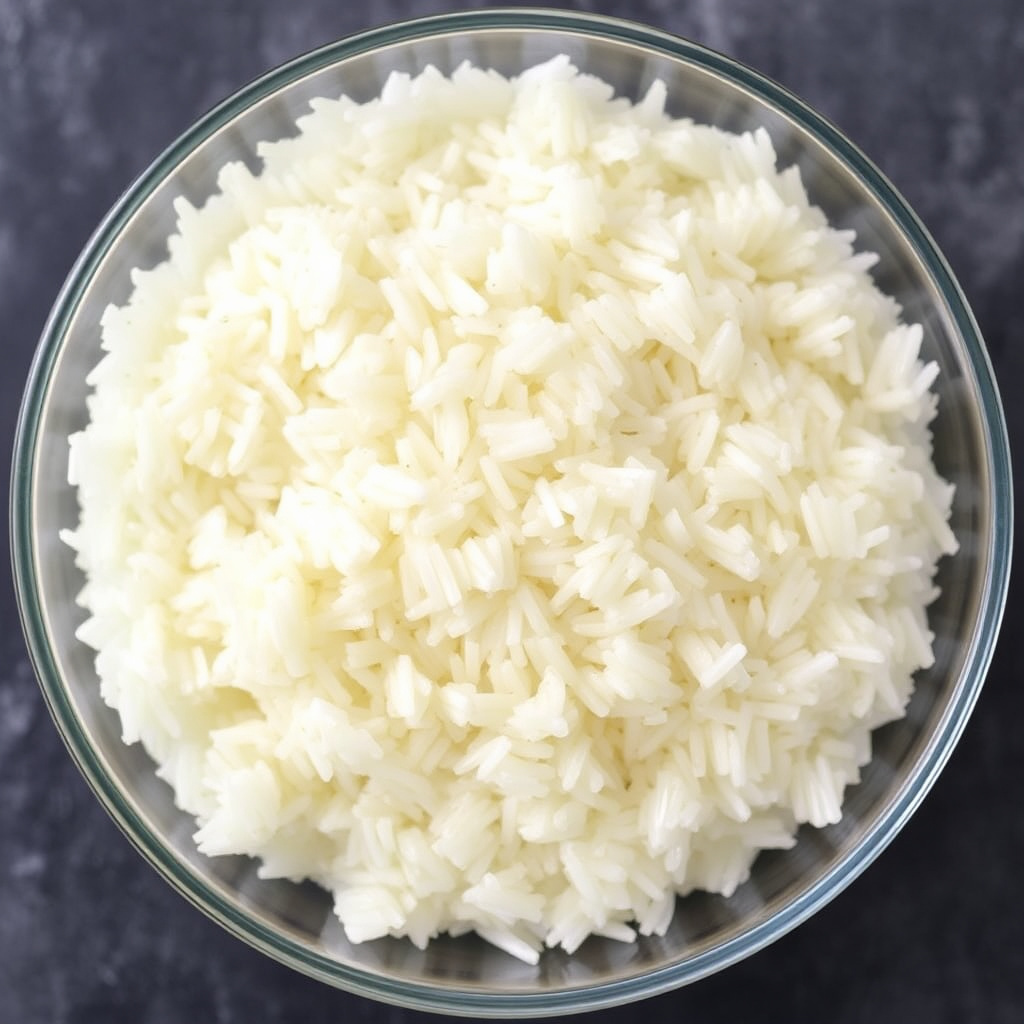
The secret to great Yang Chow fried rice starts with the rice itself. Long-grain jasmine rice is preferred for its subtle fragrance and non-sticky texture. Cooking the rice properly is critical: it should be slightly dryer and separated rather than clumpy. Using day-old cooked rice or rice cooled thoroughly in the refrigerator helps ensure grains don’t stick together and fry well.
When cooking fresh rice, reduce the water slightly (by about 10–15%) to avoid excess moisture. Spread the freshly cooked rice on a tray to cool rapidly if using it immediately.
- Long-grain jasmine rice preferred
- Use day-old rice for best results
- Cook rice with slightly less water for firmness
For more on this, see our related guide: What Is in Fried Rice? A Complete Guide to Its Key Ingredients.
Techniques for Properly Stir-Frying the Rice
Heat the wok or large skillet on high for a few minutes before adding oil to create a non-stick surface. Add the diced proteins, cooked eggs, and vegetables first to stir-fry briefly, then add the cold rice in batches to avoid overcrowding, which can cause steaming instead of frying. Use a spatula to gently toss and break up clumps.
Season the rice gradually with light soy sauce to avoid oversalting and finish with a splash of toasted sesame oil for aroma. Avoid adding too much sauce, which will make the rice gummy.
- Use a hot wok for quick stir-frying
- Add ingredients in stages for even cooking
- Toss rice gently to separate grains
Seasonings and Flavor Enhancements for Yang Chow Fried Rice

Using Soy Sauce and Sesame Oil Correctly
Light soy sauce adds the essential salty umami flavor without overpowering the delicate ingredients. It should be added incrementally while frying the rice to adjust flavor. Dark soy sauce is generally avoided to keep the fried rice’s characteristic light color.
Toasted sesame oil is added at the end of cooking to provide a fragrant, nutty aroma. A little goes a long way, so use sparingly to enhance but not mask other flavors.
- Add light soy sauce gradually during stir-fry
- Reserve sesame oil for finishing the dish
- Avoid dark soy sauce to maintain color
Optional Additions and Adjustments
White pepper is a common seasoning that adds subtle heat and complexity without changing color. Some cooks also include a pinch of sugar to balance savory flavors or a splash of Shaoxing wine for extra depth. You can also add minced garlic or ginger at the start for an aromatic base, though these are not traditional in classic Yang Chow recipes.
Adjust seasoning to suit your taste, keeping in mind the fresh ingredients provide key flavors. Don’t over-season as the pork and shrimp bring natural sweetness and umami.
- White pepper enhances mild spiciness
- Shaoxing wine adds fragrance if desired
- Use garlic and ginger sparingly or omit
Tools and Cooking Tips for Authentic Yang Chow Fried Rice

Using a Wok for Optimal Results
A well-seasoned wok is ideal for Yang Chow fried rice as it allows quick high heat cooking and even tossing of ingredients. The high sides help keep ingredients contained while stirring, facilitating the desired tossing motion that fries the rice evenly.
If you don’t have a wok, use the largest heavy skillet available and cook in small batches to maintain high heat and avoid steaming.
- Preheat wok for 2–3 minutes on high
- Use a spatula for tossing and breaking up clumps
- Avoid overcrowding the pan
For more on this, see our related guide: What is Chow Fun? A Complete Guide to This Classic Chinese Noodle Dish.
Timing and Heat Management During Cooking
Cook ingredients quickly over high heat to retain texture and fresh flavors. Adding cold rice helps keep the pan temperature from dropping too much, allowing proper frying without sogginess.
Keep ingredients moving in the pan to prevent sticking and achieve the slight toasty flavor characteristic of fried rice. Remove ingredients promptly when done to avoid overcooking.
- Maintain high heat throughout cooking
- Stir constantly for even frying
- Add ingredients in order based on cooking time
Serving Suggestions and Variations of Yang Chow Fried Rice

Classic Garnishes and Serving Ideas
Traditionally, Yang Chow fried rice is garnished with extra sliced green onions for freshness and served hot, either as a standalone entrée or alongside stir-fried vegetables and meat dishes. A small bowl of chili sauce or soy sauce can accompany it for added flavor customization at the table.
Pairing this fragrant fried rice with light soups or steamed greens balances the meal and complements the rice’s rich, savory profile.
- Garnish with sliced green onions
- Serve with chili sauce or soy sauce
- Pair with light soups or steamed vegetables
For an overview of the history and variations of Yang Chow fried rice, you can visit the Yang Chow fried rice Wikipedia page. Yang Chow fried rice Wikipedia page.
Popular Variations to Try
Variations of Yang Chow fried rice can include substituting chicken or tofu for shrimp, adding diced pineapple for sweet contrast, or incorporating cashew nuts for crunch. Some cooks add a dash of fish sauce or oyster sauce for stronger umami.
You may also adjust the level of vegetables or protein to suit dietary preferences, maintaining the core ingredient mix to preserve the authentic taste.
- Use chicken or tofu as protein alternatives
- Add pineapple or cashews for texture contrast
- Include oyster sauce for added depth
Yang Chow Fried Rice Ingredient Variations Comparison
Here’s a quick comparison of common ingredient variations you can use to customize your Yang Chow fried rice.
| Ingredient | Flavor Impact | Texture | Ease of Preparation |
|---|---|---|---|
| Shrimp | Sweet and delicate | Tender and juicy | Requires peeling and deveining |
| Char Siu Pork | Sweet-savory and rich | Chewy and moist | Use pre-cooked or homemade |
| Chicken | Mild and versatile | Firm but tender | Cooks quickly, easy prep |
| Tofu | Neutral, soaks flavors | Soft or firm depending on type | Minimal prep, can be pan-fried |
| Pineapple | Sweet and tart | Juicy and slightly fibrous | Peeling and dicing required |
| Cashews | Nutty and rich | Crunchy | Roast briefly for best flavor |
Frequently Asked Questions
Can I use freshly cooked rice for Yang Chow fried rice?
Freshly cooked rice can be used if cooled and dried properly. Spread it on a tray to cool or refrigerate it so the grains firm up and separate to avoid clumping during frying.
What type of soy sauce is best for Yang Chow fried rice?
Light soy sauce is best as it adds saltiness and umami without darkening the rice's color. Dark soy sauce is not recommended as it changes the characteristic look of the dish.
How do I prevent the rice from becoming mushy?
Use day-old rice or properly cooled rice, cook on high heat, stir constantly, and add soy sauce gradually. Avoid overcrowding the pan to maintain the right frying temperature.
Can I make Yang Chow fried rice vegetarian?
Yes, you can omit shrimp and char siu pork and substitute with tofu or extra vegetables like mushrooms and carrots while keeping the same seasoning to maintain flavor.
Is it necessary to use a wok for this recipe?
A wok is ideal for high-heat, quick frying, but a large, heavy skillet can also work if used carefully and in small batches to keep the pan hot.
Key Takeaways
- Use day-old jasmine rice for the best texture
- Combine shrimp and char siu pork for authentic flavor
- Cook ingredients quickly over high heat to avoid sogginess
- Season with light soy sauce and finish with sesame oil
Conclusion
Making Yang Chow fried rice at home involves balancing quality ingredients, proper preparation, and cooking techniques to replicate its signature textures and flavors. The foundation is well-separated, slightly dried jasmine rice paired with savory proteins like shrimp and char siu pork, cooked quickly at high heat for a light, fluffy result. Each step, from prepping individual components to layering seasonings, affects the final dish's authenticity and taste.
For home cooks aiming to recreate this dish, securing pre-cooked char siu or preparing it in advance helps save time. Using day-old rice is critical for preventing clumping and sogginess. Those who prefer variations can substitute chicken or tofu while retaining the fried rice’s savory base. Experiment with minor flavor enhancers like white pepper or a dash of Shaoxing wine to suit your palate while maintaining balance.
To begin your Yang Chow fried rice journey, prepare each ingredient carefully and maintain high temperatures during cooking. Keep seasonings light and consistent, and pay attention to your rice’s texture at every step. With practice, you can achieve restaurant-quality results and easily customize this classic dish to your liking.



One Comment