Chinese Food vs Japanese Food: A Flavorful Comparison You Need to Know
Chinese food vs Japanese food is a comparison that highlights two of Asia’s most celebrated culinary traditions, each with distinct flavors, techniques, and cultural significance. Chinese cuisine often features bold spices, varied textures, and diverse regional specialties, while Japanese food emphasizes subtle tastes, fresh ingredients, and refined presentation. Understanding these differences can help you appreciate each cuisine’s unique appeal and guide your dining choices.
These two culinary giants have influenced global food culture, but their approaches to taste, ingredients, and preparation diverge significantly. Chinese food tends to use a broad palette of spices and sauces, such as soy sauce, hoisin, and five-spice powder, whereas Japanese food focuses more on natural flavors, utilizing soy sauce, miso, and dashi stocks delicately.
In this article, we’ll explore various aspects of Chinese food vs Japanese food, including ingredient profiles, cooking techniques, presentation styles, health considerations, and popular dishes. This comparison aims to clarify what makes each cuisine special and help readers decide which one suits their tastes or dining occasions best.
Flavor Profiles in Chinese Food vs Japanese Food
Chinese Food Flavor Characteristics
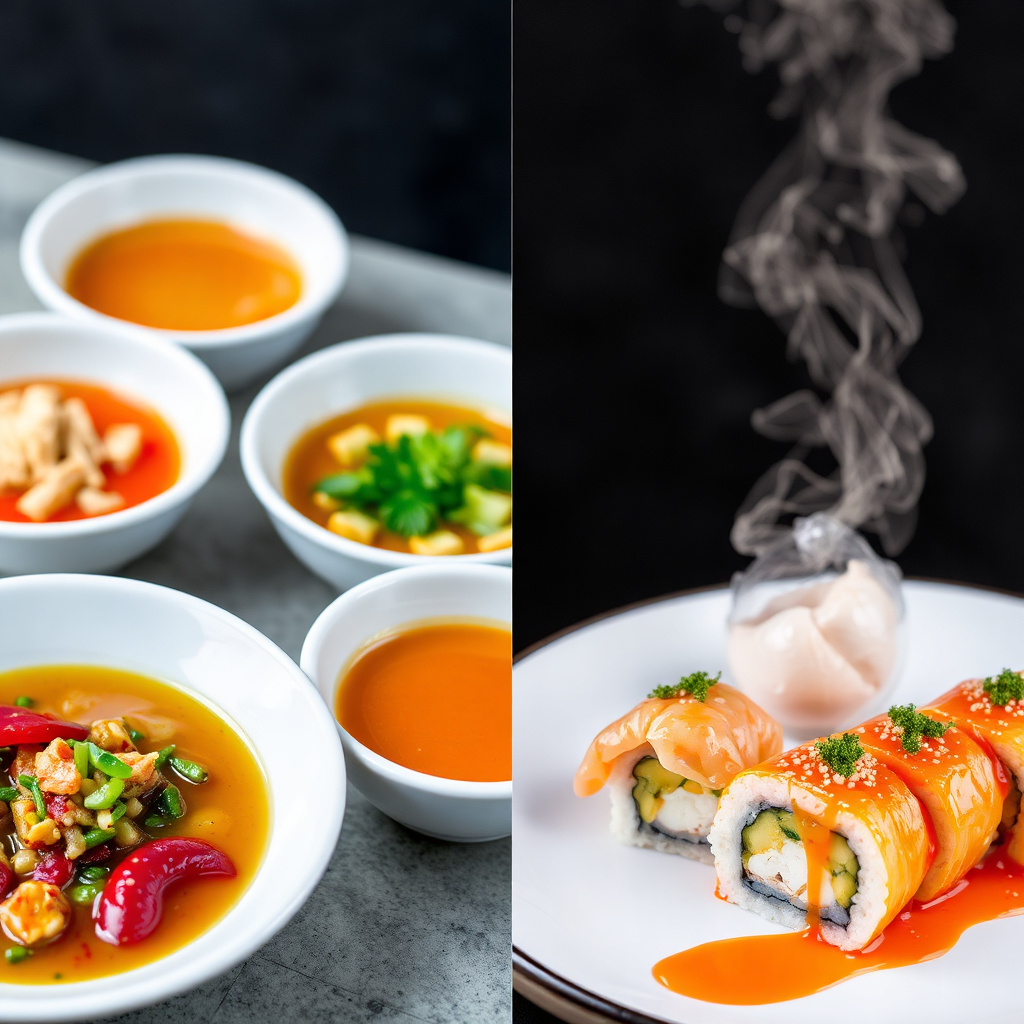
Chinese cuisine is known for its complex, bold flavors that range from sweet and sour to spicy and savory. Common flavoring agents include garlic, ginger, soy sauce, chili paste, and fermented beans. Regional varieties, such as Sichuan with its intense heat and numbness or Cantonese with its mild sweetness, illustrate the diversity in taste profiles.
The balance of flavors in Chinese food often involves combining salty, sweet, sour, bitter, and umami in a single dish, creating a dynamic taste experience. This approach reflects the traditional Chinese philosophy of yin and yang, aiming for harmony in the palate.
- Use of five basic flavors for balance
- Prominent use of garlic, ginger, and chili
- Rich sauces like hoisin and oyster sauce
- Regional flavor diversity
Japanese Food Flavor Characteristics
Japanese cuisine favors subtlety and freshness, focusing on the intrinsic flavors of quality ingredients. Umami, the savory taste, is central and often derived from dashi (a broth made from kelp and bonito flakes), soy sauce, and miso. Seasonings are used sparingly to allow the natural taste to shine.
This minimalist flavoring approach highlights texture and the natural sweetness or saltiness of ingredients, aiming for a clean and delicate palate. The emphasis on seasonal ingredients also influences the flavor profiles seasonally, maintaining freshness throughout the year.
- Focus on umami through dashi and miso
- Minimal use of spices and strong sauces
- Emphasis on seasonality and freshness
- Delicate, clean flavors
Ingredients and Cooking Techniques
Key Ingredients in Chinese Food
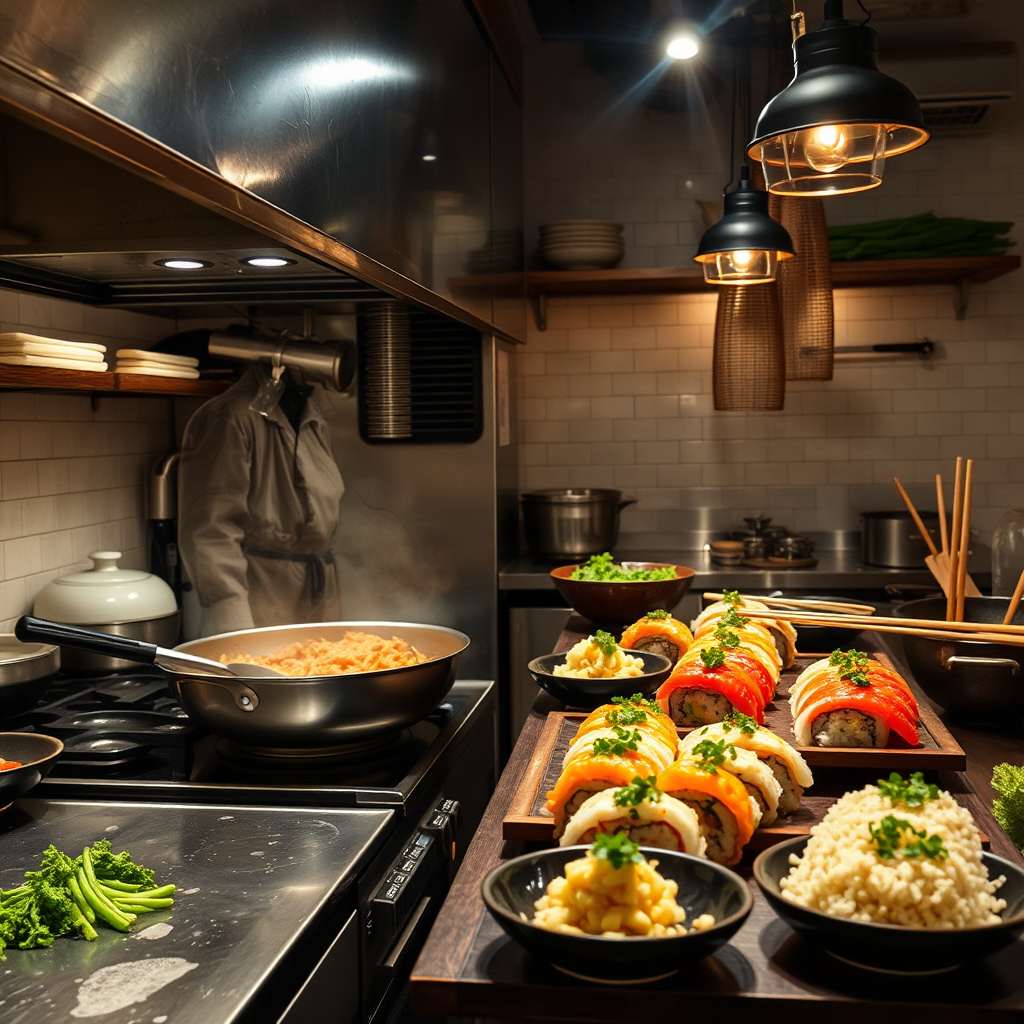
Staple ingredients in Chinese cooking include rice, noodles, soy products like tofu, pork, chicken, and seafood, as well as an array of vegetables such as bok choy and Chinese cabbage. Cooking fats such as peanut oil or sesame oil add distinct aroma and flavor.
Techniques vary widely and include stir-frying, deep-frying, steaming, braising, and roasting. Stir-frying is especially iconic, offering a fast, high-heat method that preserves texture and develops smoky ‘wok hei’ flavor.
- Rice and various noodles
- Soy sauce, fermented beans, sesame oil
- Common proteins: pork, chicken, seafood
- Techniques: stir-fry, steam, braise, roast
Key Ingredients in Japanese Food
Japanese cuisine relies heavily on seasonal rice varieties, fresh seafood, seaweed, soy products like tofu and natto, and vegetables such as daikon radish and bamboo shoots. Wasabi and pickled ginger are commonly used as condiments, enhancing the experience without overwhelming the primary flavors.
Popular cooking methods include grilling, steaming, simmering, and raw preparations such as sushi and sashimi. Presentation and texture are as important as flavor, with techniques designed to preserve the purity and quality of ingredients.
- Short-grain rice as staple
- Fresh seafood, seaweed, tofu
- Condiments: wasabi, ginger
- Techniques: grilling, steaming, raw (sushi)
Presentation Styles and Dining Etiquette
Chinese Food Presentation and Traditions
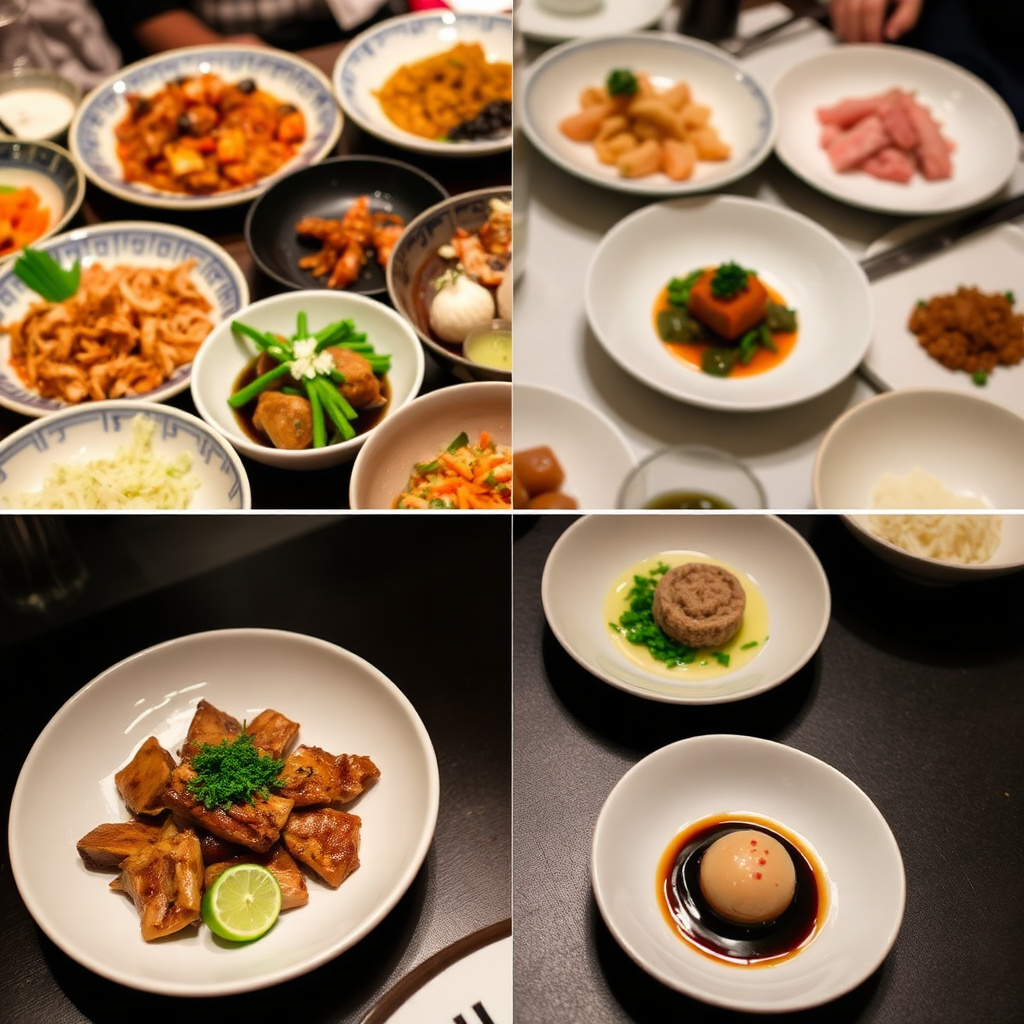
Chinese meals are traditionally served family-style, with many dishes shared among diners. Presentation emphasizes abundance and variety, reflecting hospitality and respect. Dishes are often vibrant and decorative, arranged to appeal to the eye and the appetite.
Eating etiquette involves using chopsticks skillfully, proper serving order, and shared bowls or plates. It’s common to have communal dishes passed around, which fosters a social and inclusive atmosphere at mealtime.
- Family-style shared dishes
- Abundant and colorful plating
- Chopstick etiquette and shared plates
- Focus on hospitality and variety
For more on this, see our related guide: Soy Sauce vs Tamari: Which One Should You Choose for Your Kitchen?.
Japanese Food Presentation and Traditions
Japanese cuisine values aesthetics highly, with meals often arranged to reflect seasonality and balance. Serving is typically portioned individually to emphasize harmony and cleanliness on the plate. Kaiseki, a traditional multi-course meal, is a prime example of this refined presentation.
Dining etiquette includes precise chopstick use, appreciation of the visual elements, and respect for each dish’s order and temperature. The presentation is often minimalist, allowing natural colors and textures to stand out.
- Individual plating emphasizing balance
- Seasonality reflected in colors and arrangement
- Delicate, minimalist presentation
- Attention to chopstick etiquette and meal order
Health and Nutritional Aspects

Health Considerations in Chinese Food
Chinese cuisine can be nutritious but varies widely depending on cooking methods and ingredients. Stir-fried and steamed dishes offer vegetables and lean proteins in light sauces, while deep-fried and heavily sauced foods tend to be higher in calories and sodium.
The use of fresh vegetables, herbs, and legumes contributes beneficial nutrients, but consumption of processed meats and high-salt sauces can be common. Moderation and dish selection impact the overall healthiness of a meal.
- Nutritious options with vegetables and lean proteins
- High sodium and oil in some dishes
- Variety of cooking methods affecting healthiness
- Importance of balanced meal choices
Health Considerations in Japanese Food
Japanese food is often praised for its health benefits, frequently featuring grilled fish, fresh vegetables, and fermented products that aid digestion. The emphasis on portion control and minimal oil usage leads to relatively low-fat meals.
The traditional diet’s rich omega-3s, antioxidants from seaweed and vegetables, and probiotic content from miso and pickles support heart and gut health. However, soy-based products like natto and tofu are also common allergens to consider.
- Low-fat, portion-controlled meals
- High in omega-3 and antioxidants
- Fermented foods supporting gut health
- Consideration of soy allergies
Popular Dishes: Signature Plates from China and Japan
Famous Chinese Dishes
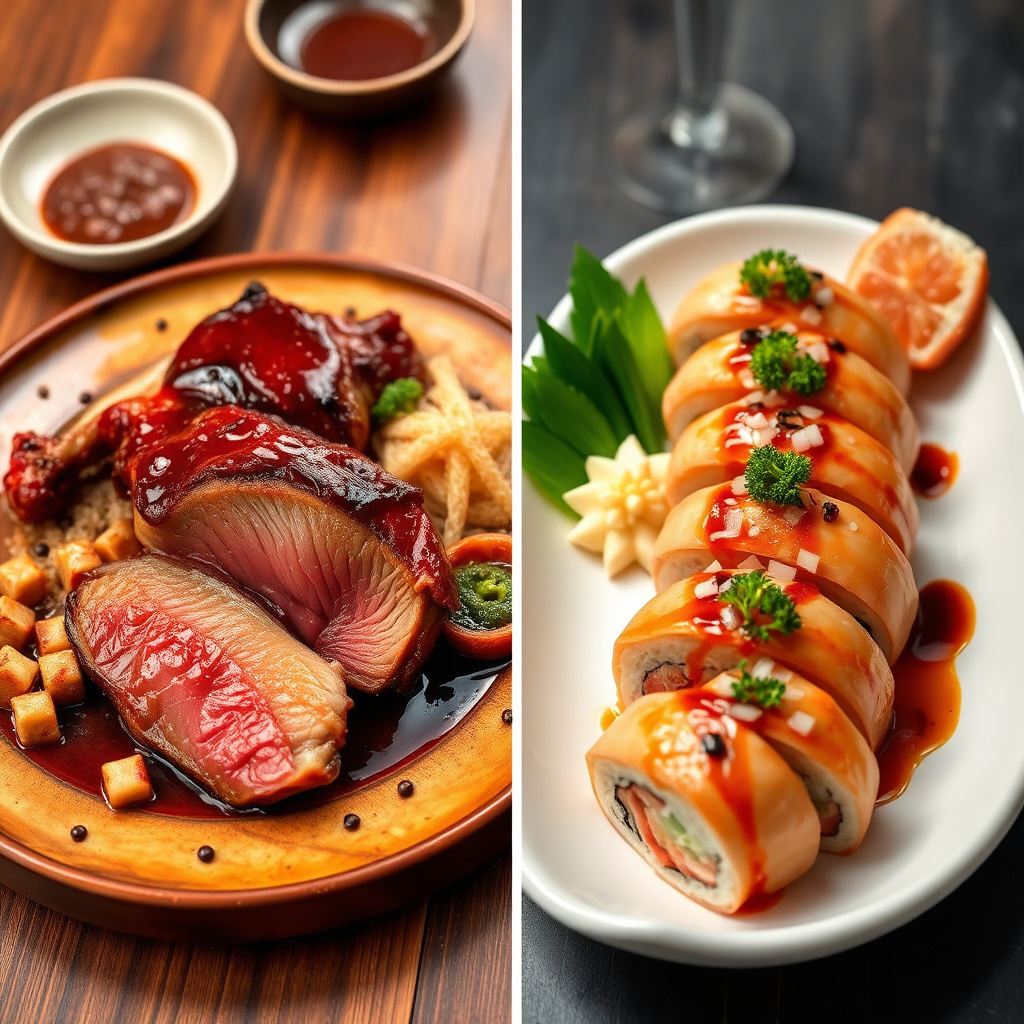
Chinese cuisine features globally known dishes such as Peking duck, dim sum, kung pao chicken, and mapo tofu. These dishes showcase a range of techniques and regional flavors, from crispy roasted duck skin to spicy, numbing Sichuan peppercorns.
Each dish reflects cultural traditions and regional ingredients, offering diverse textures and tastes that cater to various palates—from sweet and sour flavors to rich, spicy sauces.
- Peking duck with crispy skin
- Dim sum variety of bite-sized portions
- Kung pao chicken’s spicy kick
- Mapo tofu’s bold, numbing spice
For more on this, see our related guide: Wonton vs Dumpling: Key Differences and How to Choose.
Famous Japanese Dishes
Japanese cuisine’s signature plates include sushi, sashimi, tempura, ramen, and sukiyaki. These dishes highlight fresh ingredients and balanced flavors, often served with simple garnishes that emphasize purity and refinement.
Sushi and sashimi focus on raw fish quality, tempura offers light, crispy frying, while ramen provides warm, comforting broths with noodles, making Japanese cuisine varied yet consistently delicate.
- Fresh sushi and sashimi
- Light, crispy tempura
- Hearty ramen noodles
- Sweet and savory sukiyaki
Global Influence and Adaptations
Chinese Food’s Global Reach
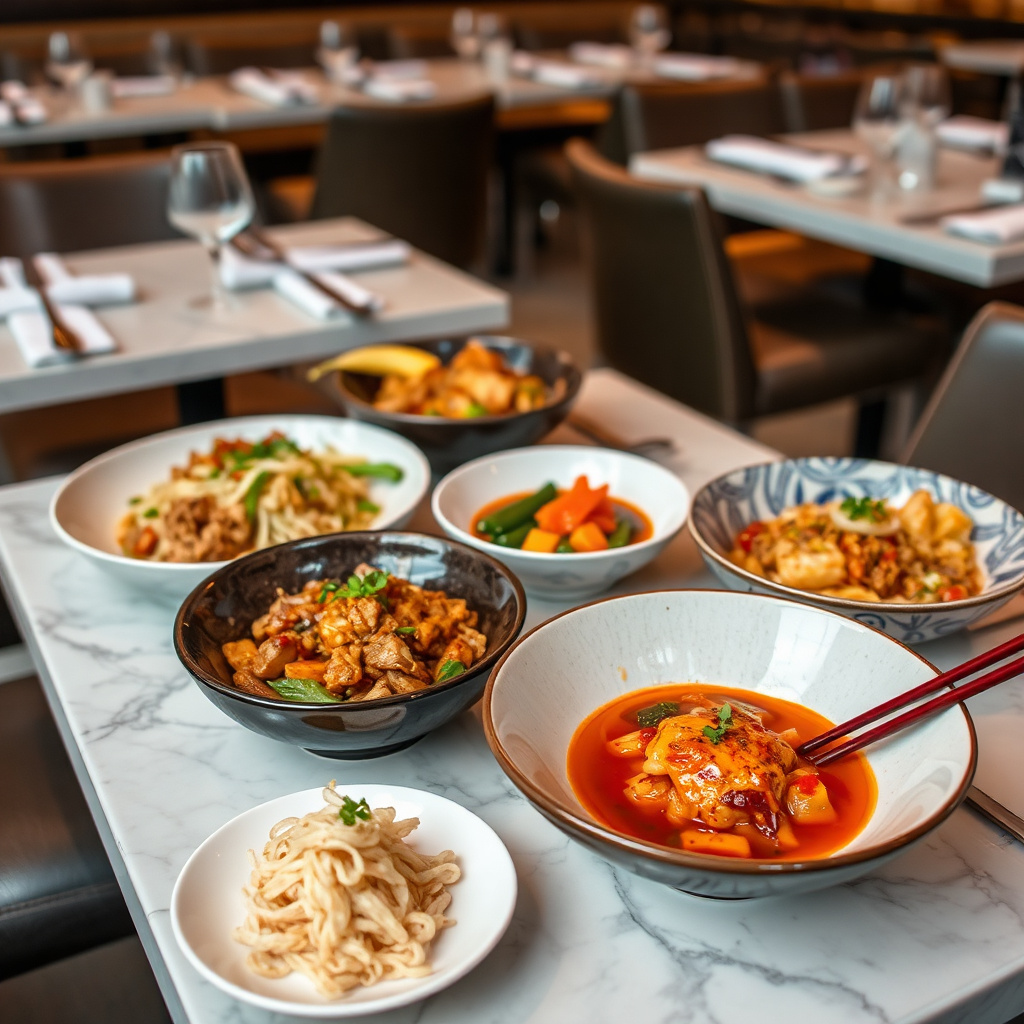
Chinese food has adapted significantly abroad, blending with local tastes to create dishes like General Tso’s chicken, fortune cookies, and chop suey. This adaptability has helped it become one of the world’s most popular cuisines.
Despite some Westernized variations, traditional Chinese ingredients and techniques continue to influence chefs globally, promoting an appreciation for authentic Chinese culinary arts.
- Adaptations: General Tso’s chicken, chop suey
- Widespread popularity worldwide
- Continued influence of traditional techniques
- Fusion with local cuisines
For a broader context on regional differences and influences in food, you can explore more about Asian cuisine. Asian cuisine.
Japanese Food’s Global Influence
Japanese cuisine’s rise in global popularity is marked by sushi’s international fame and the spread of ramen shops in many countries. Chef-driven innovations and fusion dishes have introduced Japanese flavors to a broader audience.
The emphasis on aesthetic and quality has also influenced fine dining worldwide, with kaiseki-inspired meals and Japanese ingredients integrated into various global culinary traditions.
- Sushi’s global popularity
- Ramen chains worldwide
- Fusion with international cuisines
- Impact on fine dining presentation
Chinese Food vs Japanese Food Category Comparison
Below is a detailed comparison of key categories to help identify the main differences and strengths between Chinese and Japanese food.
| Category | Chinese Food | Japanese Food |
|---|---|---|
| Flavor Profile | Bold, complex, multi-flavored | Subtle, delicate, umami-focused |
| Common Ingredients | Varied meats, garlic, ginger, soy sauce | Fresh seafood, rice, soy, seaweed |
| Cooking Techniques | Stir-fry, braise, deep-fry, steam | Grill, steam, raw (sushi), simmer |
| Presentation Style | Family-style, colorful, abundant | Minimalist, individual plating, seasonal |
| Health Aspect | Varies; some oily/heavy dishes | Generally low-fat, balanced portions |
| Global Adaptation | Highly adapted with regional fusion | Mostly authentic with selective fusion |
Frequently Asked Questions
What is the main difference between Chinese food and Japanese food flavors?
Chinese food typically features bold, spicy, and complex flavors, while Japanese food emphasizes subtle, fresh, and umami-driven tastes with minimal seasoning.
Which cuisine is healthier, Chinese or Japanese?
Japanese food is often considered healthier due to its emphasis on fresh ingredients, minimal oil, and balanced portions, though healthy options exist in both cuisines depending on dish choices.
Are chopsticks used differently in Chinese and Japanese dining?
Yes. Both cultures use chopsticks skillfully, but there are etiquette differences, such as not sticking chopsticks upright in rice in Japan, which is considered disrespectful.
Can I find sushi in Chinese cuisine?
No, sushi is a distinctly Japanese dish focused on vinegared rice paired with raw or cooked seafood; Chinese cuisine has different rice and seafood preparations.
Do Chinese and Japanese cuisines share any common ingredients?
Yes, both cuisines use soy sauce, rice, tofu, and seafood, but their usage and flavor profiles differ significantly between the two traditions.
Key Takeaways
- Chinese food is bold and diverse in regional flavors.
- Japanese food focuses on fresh, delicate umami tastes.
- Cooking methods and presentation styles differ widely.
- Health benefits vary; choice of dishes matters.
Conclusion
When comparing Chinese food vs Japanese food, the choice depends largely on your preference for flavor intensity and dining experience. Chinese cuisine offers a bold, multi-dimensional palette with a wide variety of dishes influenced by regional tastes and an emphasis on sharing meals. Japanese cuisine, by contrast, appeals to those who appreciate subtlety, freshness, and artful presentation, prioritizing the natural flavors of quality ingredients with careful attention to seasonality and balance.
If you enjoy a broad range of tastes from spicy to sweet, diverse cooking methods like stir-frying and braising, and the social aspect of family-style meals, Chinese food might be your best fit. Alternatively, if you prefer light, health-conscious meals with fresh seafood, minimalist plating, and exquisite attention to detail, trying Japanese dishes like sushi, sashimi, or ramen will likely satisfy you. Both offer a rich gastronomic experience shaped by centuries of culture and tradition, making them invaluable parts of Asian cuisine.
For your next meal, consider what appeals most: the vibrant diversity and intensity of Chinese cooking or the refined elegance and umami depth of Japanese fare. Visiting authentic restaurants or exploring traditional recipes can deepen your appreciation. Whichever you choose, understanding the distinctive elements of these cuisines enhances your enjoyment and broadens your culinary horizons.