Chopstick Etiquette: How to Use Chopsticks Properly and Respectfully
Using chopsticks properly involves simple but important etiquette that goes beyond just holding them correctly. Correct chopstick etiquette shows respect for the culture and the people you’re dining with, reflecting good manners during every meal.
Chopsticks are an integral part of many Asian cultures, especially in China, Japan, Korea, and Vietnam. Misusing chopsticks can unintentionally offend or come across as rude, so understanding these customs matters if you share a meal in these settings or want to appreciate the traditions authentically.
This article will cover the fundamental rules of chopstick etiquette, common mistakes to avoid, cultural differences in chopstick use, proper handling techniques, and tips on how to interact politely at the dining table. You’ll end up feeling confident about not only using chopsticks but also showing appropriate respect for the traditions behind them.
Understanding Basic Chopstick Etiquette

Proper Chopstick Use for Beginners
Begin by holding one chopstick like a pencil just above the thicker end, using your thumb, index, and middle fingers. The bottom chopstick stays stationary beneath the thumb and rests against the ring finger. The top chopstick is the only one that moves to pinch food.
Avoid gripping the chopsticks too tightly or spreading them too far apart. Practicing on larger pieces like vegetables or rice balls will build control before handling smaller items such as grains or noodles.
- Hold the bottom chopstick steady
- Use index and middle fingers to move the top chopstick
- Practice on easy-to-grip foods first
Common Chopstick Etiquette Mistakes
Pointing with chopsticks, stabbing food, or waving chopsticks in the air are all considered bad manners. These gestures can be seen as aggressive or careless.
Do not cross your chopsticks on the plate or leave them sticking upright in a bowl of rice, as this strongly resembles funerary rituals in several cultures.
- Never stab food
- Avoid waving or pointing
- Don't leave chopsticks standing upright in rice
Cultural Differences in Chopstick Etiquette
Chinese Chopstick Etiquette
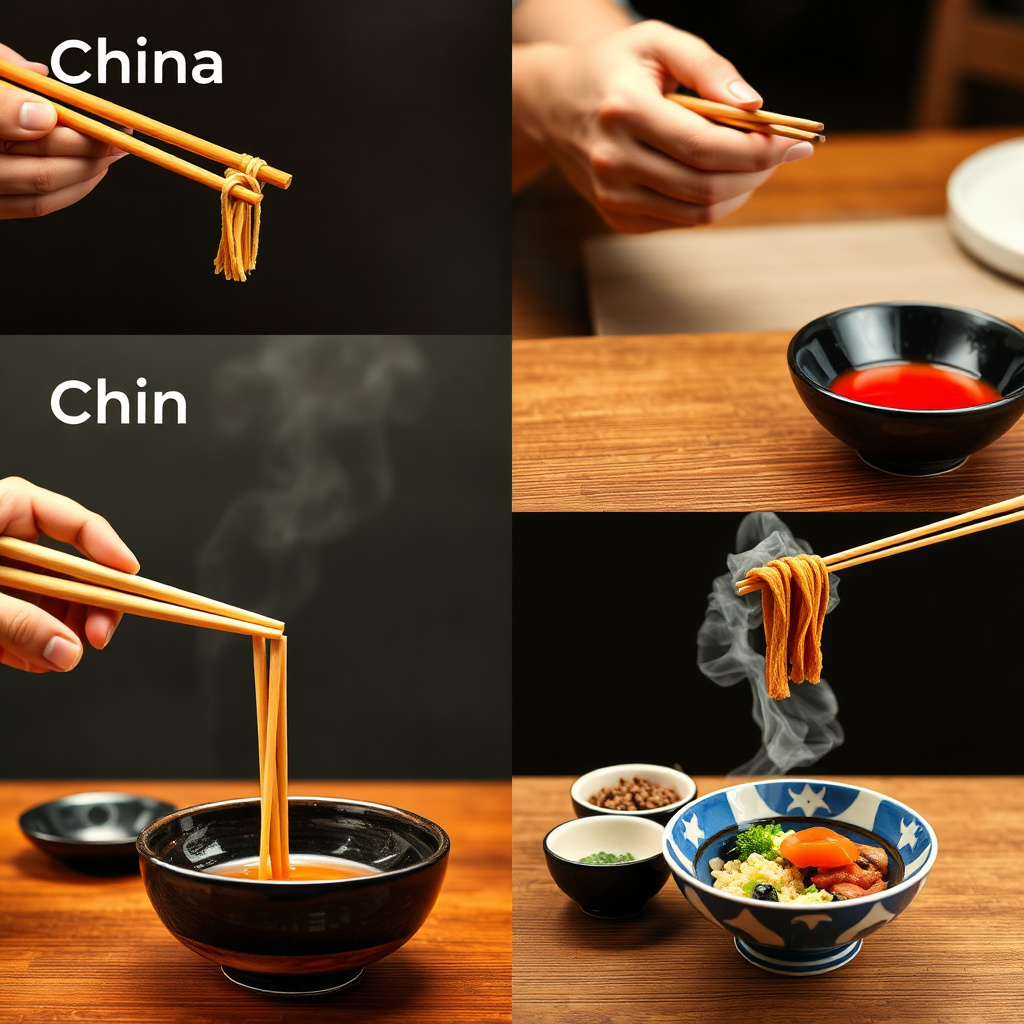
In China, chopsticks are usually longer and thicker than Japanese ones. Passing food directly from one set of chopsticks to another is taboo, as it resembles a ritual with bones at funerals.
It's also polite to place chopsticks parallel on the chopstick rest or the edge of the plate when not in use and to avoid tapping them on bowls.
- Use chopstick rests
- Avoid passing food chopstick-to-chopstick
For more on this, see our related guide: An Essential Guide to Chinese Dining Etiquette for Every Occasion.
Japanese Chopstick Customs
Japanese chopsticks are generally shorter with pointed ends to help pick up small pieces of food. Similar to Chinese customs, you should never stick chopsticks vertically into rice, as this is associated with funerals.
Sharing food is typically done by using the opposite ends of the chopsticks, not the tips, to maintain hygiene.
- Use the back end for sharing
- Avoid vertical chopsticks in rice
Advanced Chopstick Techniques and Tips

Handling Slippery or Small Foods
When picking up slippery food like tofu or small grains like rice, grip firmly but gently to avoid crushing or dropping the items. For round foods, slightly pinch and lift with the chopsticks angled correctly.
Using the chopstick tips rather than the whole length improves precision. Practice steady pressure to avoid food slipping out of the chopstick grip.
Playing it Safe in Formal Settings
In formal or ceremonial meals, observe how experienced diners handle their chopsticks and mimic the style to show cultural respect. When unsure, keep chopsticks resting on the designated holder when not eating.
Refrain from moving plates or bowls with chopsticks, and avoid mimicking any behaviors that may look sloppy or casual.
- Watch others before acting
- Use chopstick rests when possible
Chopstick Hygiene and Maintenance
Using Disposable vs. Reusable Chopsticks
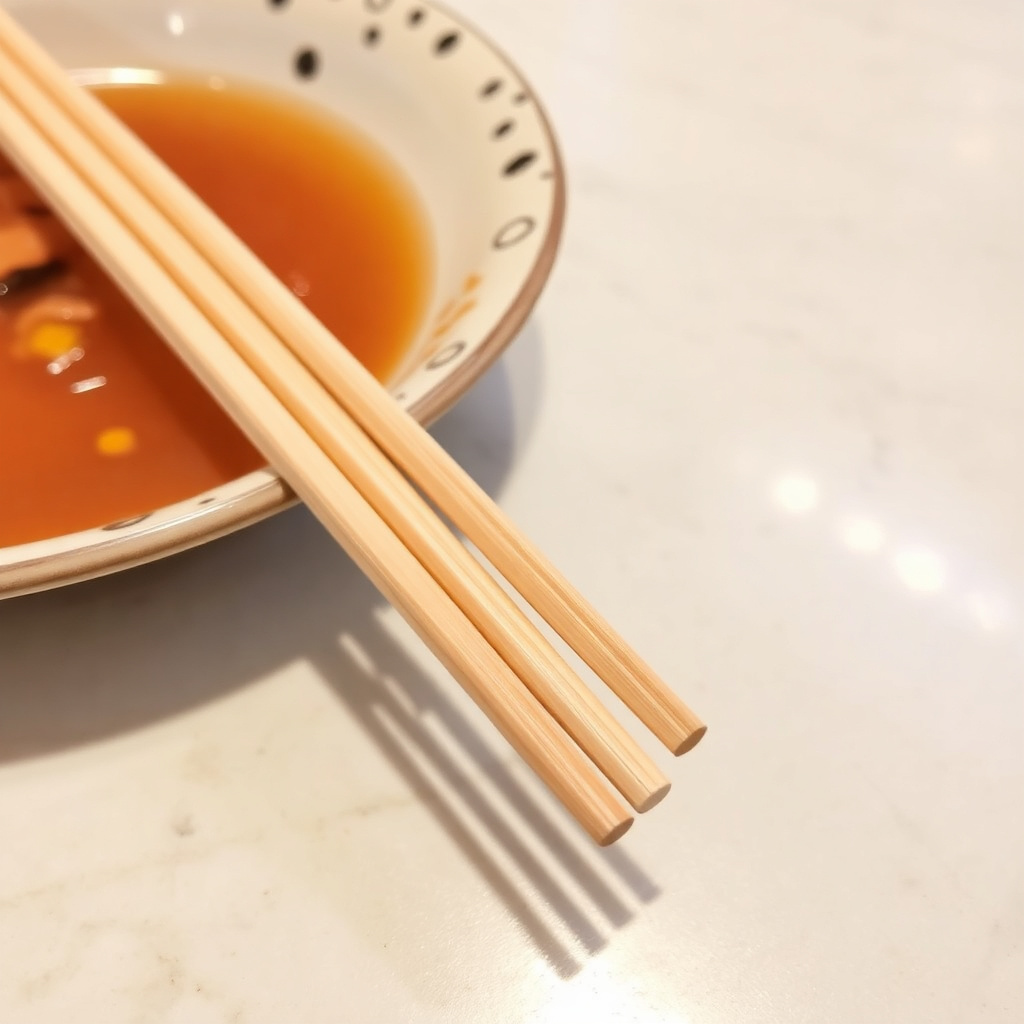
Disposable chopsticks are common in many casual dining spots but should be handled carefully to avoid splinters. To adjust disposable chopsticks, pull apart slowly until separated at the joint.
Wash reusable chopsticks thoroughly after each use and store them in a dry, clean place to prevent warping or bacterial buildup.
- Separate disposable chopsticks carefully
- Store reusable chopsticks dry
For more on this, see our related guide: Mastering Sushi Etiquette: How to Enjoy Sushi Like a Pro.
Maintaining Wooden and Bamboo Chopsticks
Wooden and bamboo chopsticks can absorb moisture and harbor bacteria if not cleaned properly. Avoid soaking them for too long and oil them occasionally to preserve the surface.
Inspect chopsticks regularly for cracks or rough edges, which could cause injury or affect food handling.
- Avoid long soaking
- Oil periodically
- Replace damaged chopsticks
Social and Dining Table Practices with Chopsticks
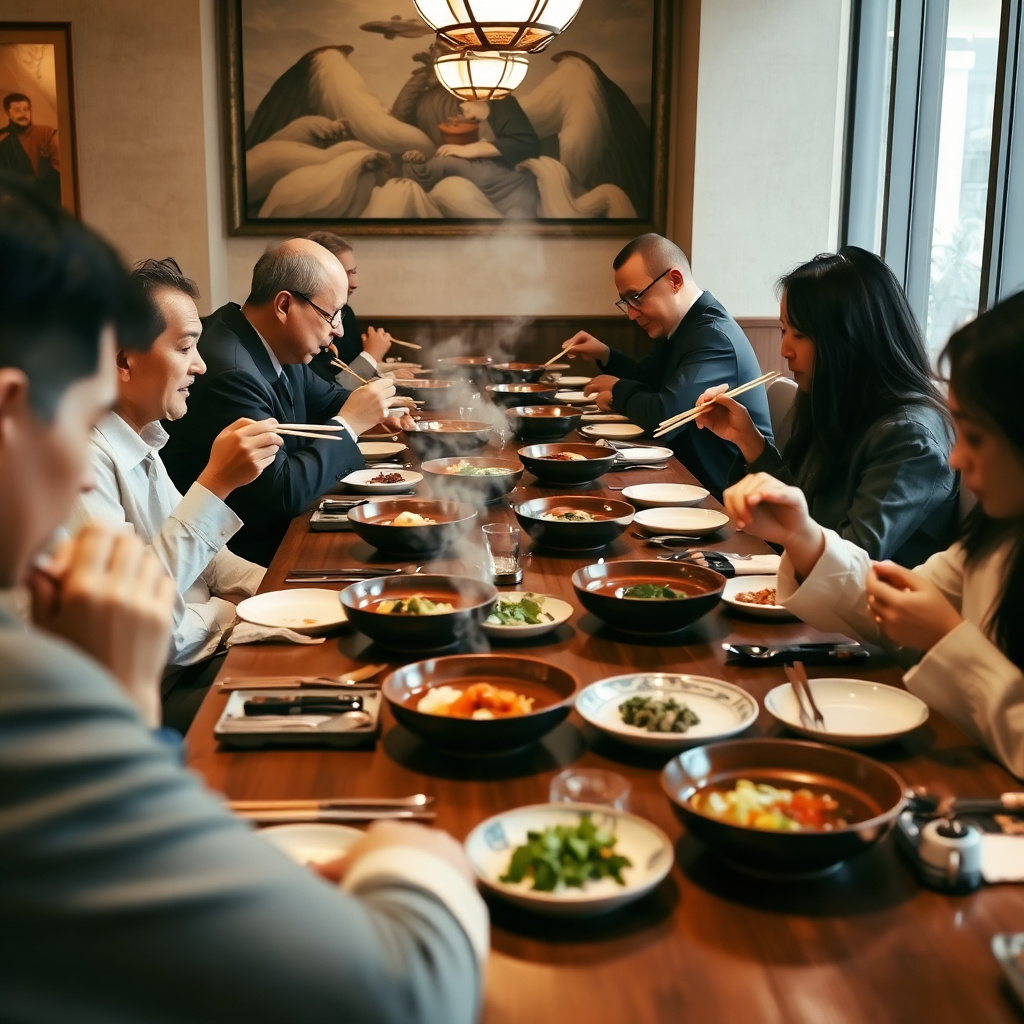
Using Chopsticks in Group Meals
When sharing dishes in communal meals, use the serving utensils or the clean ends of your chopsticks to transfer food to your plate. Avoid touching shared dishes directly with eating ends.
Wait for elders or hosts to start before you begin eating to show respect.
- Use serving utensils when available
- Let others start eating first
For a detailed overview of chopstick history and etiquette, you can visit the Etiquette of chopsticks on Wikipedia. Etiquette of chopsticks on Wikipedia.
Signs of Respect and Politeness
Placing chopsticks neatly side-by-side when finished signals you are done eating. Leaving chopsticks crossed or haphazard may cause confusion or be misinterpreted.
Rest chopsticks on holders or alongside your dish rather than on the table to keep the area orderly.
- Place chopsticks parallel when finished
- Use holders instead of table surfaces
Chopstick Material and Design Comparison
This table compares common chopstick types by material, durability, cost, and cultural prevalence to help you choose the right set.
| Material | Durability | Price Range | Common Use |
|---|---|---|---|
| Bamboo | Moderate durability; can splinter | Low | Widely used in casual dining, disposable sets |
| Wood (Lacquered) | Good durability; easy to clean | Low to medium | Popular in home and restaurant settings |
| Plastic | High durability; dishwasher safe | Medium | Casual settings, kid-friendly |
| Metal (Stainless Steel) | Very high durability; long-lasting | High | Korean dining, modern sets |
| Bone or Ivory | Fragile; delicate | Very high | Luxury or ceremonial usage |
Frequently Asked Questions
Why shouldn't chopsticks be stuck vertically in rice?
Sticking chopsticks vertically in rice resembles incense sticks at funerals in many Asian cultures, symbolizing death and mourning, making it inappropriate at a dining table.
Is it polite to lick or clean food off chopsticks?
Licking or cleaning chopsticks with your mouth is generally considered rude and unhygienic, as it can disturb other diners and shows a lack of table manners.
Can chopsticks be used to point at people or dishes?
Pointing with chopsticks is seen as impolite since it can be interpreted as aggressive or disrespectful, so using chopsticks for gestures is best avoided.
How do I share food politely with chopsticks at a communal meal?
When sharing, use the opposite (clean) ends of your chopsticks or serving utensils to transfer food to avoid contamination and show consideration for others.
Are metal chopsticks harder to use than wooden ones?
Metal chopsticks can be more challenging to handle due to their slippery surface and weight, but many are designed with textured tips to improve grip.
Key Takeaways
- Hold chopsticks correctly to maintain control and respect traditional use.
- Avoid taboo actions like stabbing food or sticking chopsticks vertically in rice.
- Different cultures have unique chopstick customs worth following.
- Keep chopsticks clean, well-maintained, and use appropriate social manners when dining.
Conclusion
Understanding chopstick etiquette means learning to respect the customs that accompany this essential dining tool. The main keyword, chopstick etiquette, encapsulates proper grip, respectful behavior at the table, and awareness of cultural sensitivities. By practicing the correct use and avoiding offensive gestures, you communicate politeness and openness to tradition, enriching the dining experience.
If you're new to chopsticks, starting with proper chopstick use basics such as those common in Chinese and Japanese dining settings will build confidence. Choose chopstick types that match your comfort level—wood or bamboo is great for practice, while metal sets might suit those ready for more advanced handling. When dining socially, using the clean end for sharing and respecting communal meal behaviors enhances your manners in group meals.
Next time you encounter chopsticks, try setting them gently on a holder, observe how native users handle them, and avoid any actions linked to taboos. Whether in casual dining or formal ceremonies, applying chopstick etiquette will make your meal more enjoyable and culturally sensitive. Keep practicing proper chopstick use to blend ease, respect, and tradition seamlessly.