What is Chow Fun? A Complete Guide to This Classic Chinese Noodle Dish
Chow fun is a traditional Chinese dish made from wide, flat rice noodles stir-fried with savory ingredients such as beef, chicken, or vegetables. Known for its chewy texture and smoky flavor from high-heat cooking, chow fun is an iconic dish in Cantonese cuisine enjoyed worldwide.
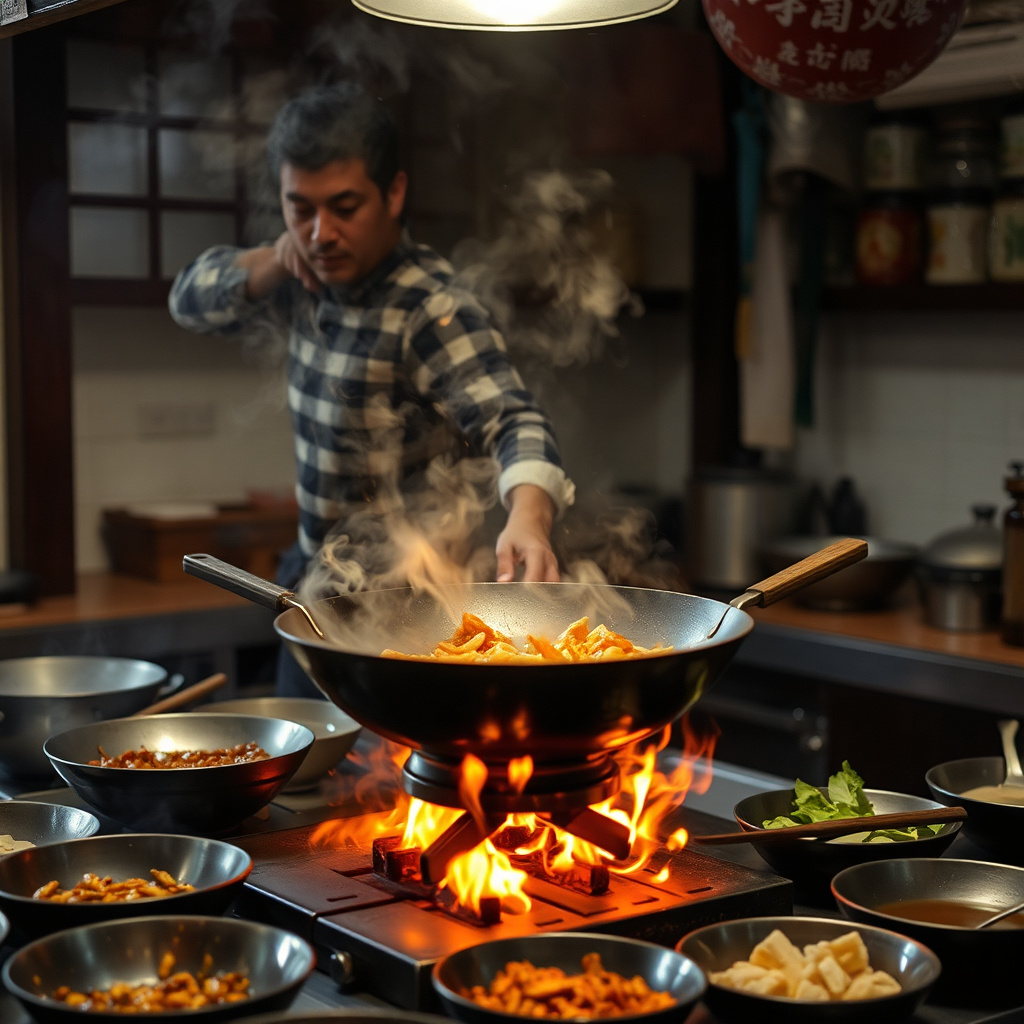
This noodle dish traces its roots to southern China, where rice noodles are a staple due to the region's abundant rice cultivation. The distinctive wok hei, or 'breath of the wok,' imparts the iconic slightly charred flavor that sets chow fun apart from other stir-fried noodle dishes.
In this article, we'll explore chow fun’s history, the variety of ingredients commonly used, authentic cooking techniques, different regional versions, helpful tips for home preparation, and how to enjoy it at restaurants or create your own best chow fun recipes.
Origins and History of Chow Fun
Cultural Background and Regional Roots
Chow fun originates from the Guangdong province of China, where rice growing is abundant. The term 'chow' means stir-fry in Cantonese, and 'fun' refers to rice noodles, combining to describe the stir-fried rice noodle dish known and loved globally today.
Historically, chow fun was a humble street food prepared quickly for workers needing a filling, affordable meal. Over time, this simple comfort food entered mainstream Cantonese restaurant menus and became a staple dish both in China and overseas Chinese communities.
Evolution and Global Popularity
As Chinese immigrants settled worldwide, chow fun became a messenger of Cantonese cuisine abroad. It adapted slightly based on available ingredients and local tastes, resulting in diverse variations while maintaining its core character.
The dish gained traction among food enthusiasts seeking authentic yet accessible stir-fried noodles, praised for its blend of textures, aromatic seasonings, and visual appeal. Today, chow fun menus can be found across many major cities internationally.
Key Ingredients in Chow Fun
The Signature Rice Noodles
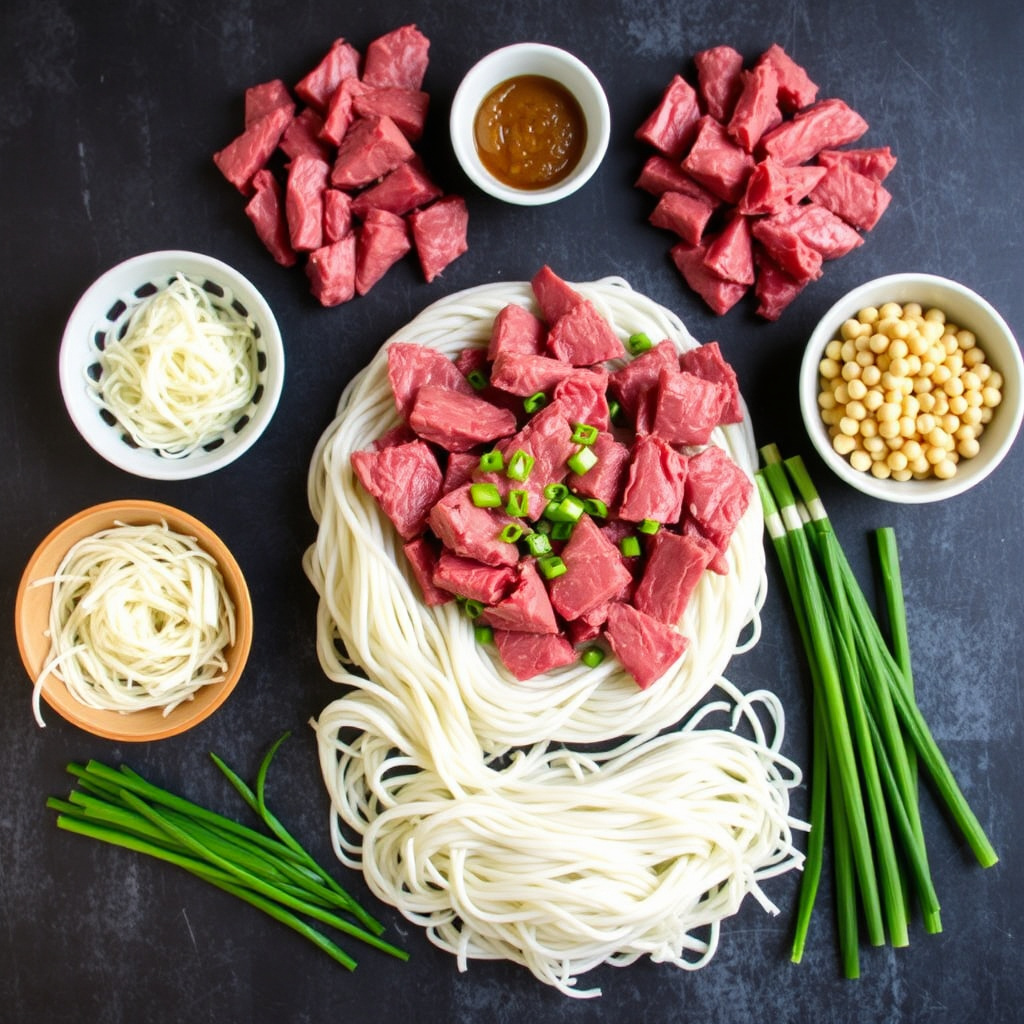
Wide, flat rice noodles are the foundation of chow fun. These noodles have a smooth, slightly slippery surface and a chewy bite, distinguishing them from thinner varieties used in other dishes like pho or vermicelli.
They are typically made from rice flour and water without eggs, which gives chow fun its gluten-free nature. Fresh or dried versions exist; fresh noodles offer a softer texture, while dried require soaking before cooking.
- Fresh wide rice noodles
- Dried wide rice noodles (soaked before use)
Typical Proteins and Vegetables
Common proteins include thinly sliced beef, chicken, pork, shrimp, or tofu, marinated briefly to enhance tenderness and flavor. Vegetables like bean sprouts, scallions, and sometimes bok choy or Chinese broccoli add crunch and freshness.
Seasonings such as soy sauce, oyster sauce, garlic, and dark soy sauce provide complex salty-sweet-umami balance, while a touch of white pepper or chili can introduce mild heat.
- Beef strips, chicken, or shrimp
- Bean sprouts and scallions
- Soy sauce and oyster sauce
Cooking Techniques for Authentic Chow Fun

Achieving the Wok Hei Flavor
The hallmark smoky aroma known as wok hei is created by stir-frying the noodles at very high heat with quick, constant movement. This technique helps sear the ingredients and slightly char the noodles without burning.
A sturdy, well-seasoned wok and a powerful heat source—charcoal or a gas flame—are traditionally used. Using enough oil prevents sticking while allowing the noodles to develop an appealing texture and flavor.
- High heat wok stir-fry
- Quick continuous tossing
- Adequate oil to prevent sticking
For more on this, see our related guide: What Is Chow Mein? A Complete Guide to the Popular Chinese Noodle Dish.
Preventing Noodle Clumping and Overcooking
Rice noodles tend to cling together, so it's important to separate them gently before cooking. Rinsing noodles with cold water after soaking or boiling reduces starchiness, preventing clumps during stir-frying.
Adding ingredients in phases—starting with proteins, then vegetables, and finally noodles—allows even cooking. Careful timing ensures noodles remain tender yet firm, preserving the essential chow fun consistency.
- Rinse noodles after soaking
- Cook proteins first, then veggies, then noodles
Popular Varieties of Chow Fun

Beef Chow Fun
Arguably the most famous version, beef chow fun combines tender marinated beef slices with rice noodles and bean sprouts. The beef's umami richness balances the mild noodles.
Prepared in many Cantonese restaurants, it often includes scallions and is seasoned with dark soy sauce, giving the dish its characteristic deep color.
Seafood and Vegetarian Variants
Seafood chow fun features shrimp, scallops, or squid for a lighter but flavorful alternative. Substituting meat for tofu and adding a variety of vegetables turns chow fun into a satisfying vegetarian meal.
These versions still use the base sauces and noodles but offer diversity in texture and taste, appealing to broader dietary preferences.
Tips for Making Chow Fun at Home

Choosing the Right Noodles and Ingredients
Select fresh wide rice noodles from an Asian market when possible. If only dried noodles are available, soak them thoroughly in warm water to soften before cooking.
Use fresh protein and crisp vegetables. Keep ingredient sizes uniform for even cooking and quicker stir-fry time, ensuring the noodles do not become soggy.
- Fresh wide rice noodles preferred
- Uniform slicing of proteins and vegetables
For more on this, see our related guide: What Is Yang Chow Fried Rice? A Complete Guide to This Classic Dish.
Mastering Home Stir-Fry Techniques
Preheat the wok or large skillet on high heat before adding oil. Stir-fry proteins first, then quick-cooking vegetables, finally adding noodles with sauce for a quick, intense cook.
Avoid overcrowding the pan to maintain heat levels. Use a spatula to gently separate noodles during cooking and finish with scallions or bean sprouts for texture.
- Heat wok thoroughly
- Add ingredients in stages
- Avoid overcrowding pan
Where to Enjoy Chow Fun

Choosing Restaurants with Authentic Chow Fun
Authentic Cantonese restaurants best replicate traditional chow fun with freshly made noodles and wok hei-flavored stir-fry. Look for establishments specializing in Guangdong or Hong Kong cuisine.
Online reviews and recommendations from local Chinese communities can guide diners toward places that prioritize quality ingredients and authentic preparation methods.
For more historical and culinary information about chow fun, visit the detailed Chow Fun article on Wikipedia. Chow Fun on Wikipedia.
Ordering Tips and Popular Pairings
When ordering, specify preferences for protein or vegetable-packed chow fun. Popular sides include hot and sour soup or dim sum dishes, balancing the meal.
Chow fun pairs well with lighter sauces or chili oil for extra spice, allowing the noodles’ flavor and texture to shine.
- Request desired protein or vegetarian options
- Pair with complementary soups or dim sum
Chow Fun Category Comparison
Here's a comparison of popular chow fun varieties to help you decide based on flavor, ingredients, and preparation complexity.
| Category | Main Protein | Vegetables Used | Flavor Profile | Cooking Time |
|---|---|---|---|---|
| Beef Chow Fun | Beef slices | Bean sprouts, scallions | Rich, savory, smoky | 10-12 minutes |
| Seafood Chow Fun | Shrimp, scallops | Bean sprouts, bok choy | Light, fresh, umami | 8-10 minutes |
| Vegetarian Chow Fun | Tofu or none | Bok choy, mushrooms, bean sprouts | Earthy, mild, balanced | 8-10 minutes |
| Chicken Chow Fun | Chicken strips | Scallions, bell peppers | Mild, savory, slightly sweet | 9-11 minutes |
Frequently Asked Questions
What noodles are used in chow fun?
Chow fun uses wide, flat rice noodles made from rice flour and water. These noodles have a chewy texture distinct from thinner rice vermicelli or wheat-based noodles.
Is chow fun spicy?
Traditional chow fun is not inherently spicy but can be customized with chili oil or peppers based on taste preferences.
Can chow fun be made vegetarian?
Absolutely. Vegetarian chow fun swaps meat for tofu and includes a variety of vegetables while maintaining the characteristic flavors and textures.
How is wok hei achieved when cooking chow fun?
Wok hei is the smoky aroma produced by stir-frying chow fun at high heat with constant tossing and sufficient oil, typically using a very hot wok over an open flame.
Where can I buy authentic chow fun noodles?
Many Asian grocery stores carry fresh or dried wide rice noodles suitable for chow fun. Look for refrigerated sections or the dried noodle aisle.
Key Takeaways
- Chow fun is a Cantonese dish featuring wide rice noodles stir-fried with savory ingredients.
- Achieving wok hei requires high heat and quick, constant stir-frying techniques.
- Popular varieties include beef chow fun, seafood chow fun, and vegetarian options.
- Selecting fresh noodles and proper preparation are key to homemade chow fun success.
Conclusion
Choosing the right chow fun involves understanding its history, ingredient roles, and traditional cooking methods. Recognizing the importance of the wide rice noodles and the wok hei flavor guides decisions whether ordering from restaurants or preparing the dish at home. The dish’s adaptability and rich Cantonese heritage make it both comforting and exciting to explore.
For those seeking the classic experience, beef chow fun stands out because of its rich balance of tender meat and lively bean sprouts, infused with dark soy sauce. Health-conscious or plant-based eaters can enjoy vegetarian chow fun variants equally satisfying due to diverse vegetable combinations and umami sauces. Seafood chow fun offers a light alternative with fresh ocean flavors, appealing for its quick cooking time and delicate taste.
If you'd like to try making chow fun, begin by sourcing fresh wide rice noodles and choosing your preferred protein and vegetables. Practice high-heat wok stir-frying focused on quick ingredient turnover and toss gently to avoid breaking the noodles. For a ready experience, visit Cantonese restaurants renowned for their authentic wok hei stir-fried dishes. Exploring this dish offers both cultural richness and culinary delight.


