Does Wasabi Go Bad? How to Know When Wasabi Has Spoiled
Yes, wasabi does go bad, but its shelf life varies depending on its form. Fresh wasabi root can last around two weeks if properly refrigerated, while prepared wasabi paste typically has a shorter shelf life once opened. Knowing how to identify spoilage is key to ensuring you enjoy wasabi at its best.
Understanding wasabi’s perishability matters because its flavor and pungency deteriorate over time, especially if exposed to air or heat. Consuming spoiled wasabi not only dulls your dish’s experience but could also cause minor digestive discomfort. Therefore, proper storage and timely usage are important.
This article explains the signs that signal when wasabi has gone bad, optimal storage methods, and how different forms of wasabi differ in longevity. You'll also find guidance on whether frozen and powdered wasabi remain safe to use and how to extend your wasabi’s shelf life.
Shelf Life and Forms of Wasabi

Fresh Wasabi Root Longevity
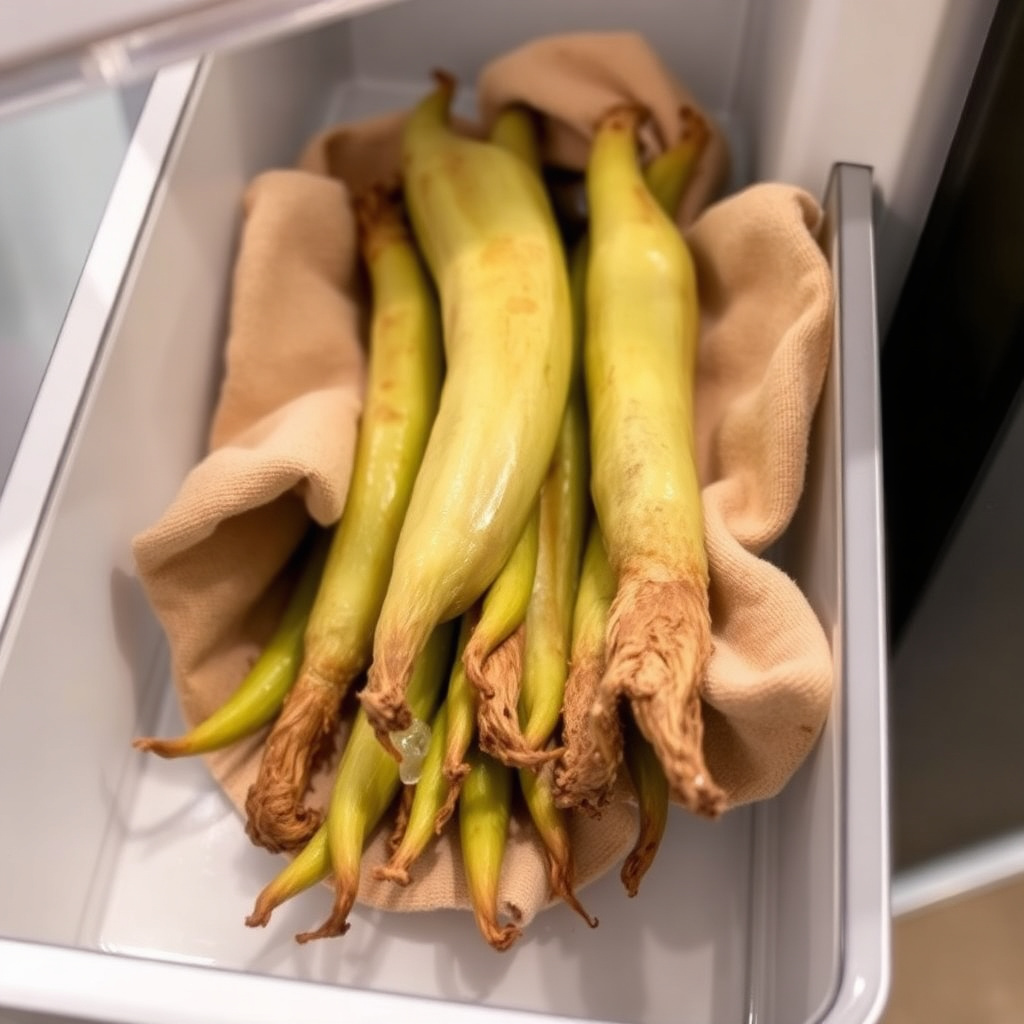
Fresh wasabi root is highly perishable and keeps best when wrapped in a damp cloth and refrigerated at about 32°F (0°C). Under these conditions, it remains usable for roughly 1-2 weeks. After this period, it begins to dry out, shrivel, and lose its characteristic sharp, herbal flavor.
Using fresh wasabi past this timeframe won’t pose a health hazard immediately but the taste becomes significantly muted and less spicy. Avoid using roots that show mold, excessive slime, or off smells as these indicate spoilage.
Prepared Wasabi Paste Shelf Life
Prepared wasabi paste, whether store-bought or homemade, contains additional ingredients like horseradish, mustard, and preservatives that slightly extend its shelf life compared to fresh root. Once opened, refrigerated paste typically lasts about 1 month before flavor loss and potential spoilage occur.
Paste that develops discoloration, off odors, or changes in texture (e.g., excessive drying or excessive moisture) should be discarded to avoid poor taste or mild digestive upset.
Signs That Your Wasabi Has Spoiled

Visual and Textural Cues
Spoiled wasabi exhibits clear visual changes such as darkening color, mold growth, and separation of liquid in paste form. The fresh root may become soft, shriveled, or develop fuzzy mold patches. Texture becomes slimy or overly dry when spoilage occurs.
If your wasabi looks noticeably different from when fresh, it's safer to dispose of it. Even minor mold presence can indicate that the wasabi is no longer safe to consume.
Smell and Taste Indicators
Wasabi that has gone bad loses its pungent, sharp aroma and can start smelling sour, musty, or rancid. A bitter or off taste instead of the usual spicy bite confirms spoilage.
If uncertain, test by smelling and tasting a tiny amount. Any unpleasant or unusual flavor means the product should be discarded rather than used.
How to Store Wasabi Properly
Storing Fresh Wasabi Root
Fresh wasabi should be wrapped in a damp paper towel or cloth and placed in an airtight container or resealable plastic bag before refrigerating. This setup retains moisture and limits airflow, extending freshness.
Keep the root away from foods that emit strong odors to prevent flavor contamination. Check moisture levels periodically and rewet the cloth if dry.
- Wrap in damp cloth
- Store in airtight container
- Keep in refrigerator drawer
- Avoid odor contamination
Best Way to Store Wasabi Paste
Wasabi paste should be tightly sealed in its original tube or container to minimize air exposure. Refrigerate immediately after opening and avoid double-dipping to prevent contamination.
Consuming paste within one month of opening helps preserve flavor integrity and reduces the risk of spoilage.
- Use airtight packaging
- Refrigerate after opening
- Avoid double-dipping or contamination
- Consume within one month
Shelf Life of Powdered and Frozen Wasabi

Powdered Wasabi Storage and Longevity
Powdered wasabi has the longest shelf life among wasabi products, lasting up to one year if stored in a cool, dry place, preferably in an airtight container away from sunlight.
Moisture exposure quickly degrades powdered wasabi by clumping powder and reducing flavor potency, so keeping the powder dry is crucial.
- Keep airtight
- Store in cool, dry location
- Protect from sunlight
- Avoid moisture exposure
Using and Storing Frozen Wasabi
Freezing wasabi root or paste extends usability for several months without losing much flavor. Wrap the wasabi tightly in plastic wrap and place in a freezer-safe container to prevent freezer burn.
Thaw frozen wasabi briefly at room temperature before use; however, texture may be slightly softer post-freezing.
- Wrap tightly before freezing
- Use freezer-safe container
- Thaw briefly before use
- Expect minor texture change
Health Risks of Consuming Spoiled Wasabi
Mild Digestive Issues
Eating spoiled wasabi can cause mild stomach upset, nausea, or diarrhea due to microbiological growth or chemical breakdown products. These symptoms usually subside quickly but can be uncomfortable.
People with sensitive digestion or immune issues should be particularly cautious about consuming any questionable wasabi.
Allergic Reactions and Contaminants
Spoiled wasabi paste with added ingredients may harbor mold toxins or bacterial contaminants that can provoke allergic or adverse reactions in some individuals.
If you develop rash, swelling, or breathing difficulty after eating wasabi, seek medical attention immediately.
Enhancing Freshness and Flavor Longevity for Wasabi

Grating Fresh Wasabi Right Before Use
Grating fresh wasabi only when about to serve maximizes flavor and aroma, as the volatile compounds that create its pungency dissipate quickly after grating.
Use a microplane or specific sharkskin grater for best results; avoid using metal graters which can dull flavor.
- Grate immediately before serving
- Use non-metal grater
- Only grate needed amount
For more detailed background about wasabi’s varieties and culinary uses, visit Wasabi information on Wikipedia. Wasabi information on Wikipedia.
Combining Wasabi with Ingredients to Preserve Taste
Mixing wasabi paste with soy sauce or incorporating it into a dish quickly after opening helps disperse flavor compounds and slows oxidation.
Limiting exposure to air and acidic ingredients also helps maintain pungency longer.
- Combine with soy sauce promptly
- Limit air exposure
- Avoid acidic ingredient contact
Wasabi Types and Their Shelf Life Comparison
This table compares key wasabi forms by typical shelf life, storage needs, and flavor potency retention.
| Wasabi Type | Typical Shelf Life | Storage Method | Flavor Longevity |
|---|---|---|---|
| Fresh Root | 1-2 weeks | Refrigerated in damp cloth | High if used fresh, fades quickly |
| Prepared Paste | 1 month after opening | Refrigerated airtight | Moderate, declines with time |
| Powdered Wasabi | Up to 1 year | Cool, dry, airtight storage | Long-lasting if dry |
| Frozen Wasabi | 3-6 months | Frozen tightly wrapped | Good, minor texture change |
| Imitation Wasabi Paste | Several months unopened | Room temp unopened, refrigerated opened | Variable, often less pungent |
Frequently Asked Questions
Can you eat wasabi past its expiration date?
Wasabi past its expiration date may be safe briefly if stored properly, but flavor and quality degrade. Check for spoilage signs before use.
How can I tell if fresh wasabi root is still good?
Fresh wasabi root should be firm, moist, and aromatic. Soft spots, shriveling, or mold indicate it has gone bad.
Is powdered wasabi better for long-term storage?
Yes, powdered wasabi stores much longer than fresh or paste forms if kept dry and sealed from moisture.
Does freezing affect wasabi’s flavor?
Freezing preserves flavor well but may slightly alter texture, especially in fresh root; flavor loss is minimal.
How should I store opened wasabi paste for best freshness?
Keep opened wasabi paste tightly sealed in the refrigerator and consume it within a month for best flavor and safety.
Key Takeaways
- Wasabi does go bad; fresh root lasts about 1-2 weeks refrigerated.
- Spoilage signs include discoloration, mold, off smell, and altered texture.
- Proper storage in airtight containers and refrigeration extends wasabi’s life.
- Powdered wasabi stores the longest, while frozen wasabi retains flavor with minor texture changes.
Conclusion
Evaluating whether wasabi has gone bad involves monitoring its appearance, smell, and taste regularly. Fresh wasabi root demands prompt refrigeration in a damp environment to delay spoilage, while prepared paste requires airtight sealing after opening to extend usability. Powdered and frozen wasabi offer options for longer storage but come with texture or flavor trade-offs. Understanding these factors supports informed purchase choices and storage habits to enjoy wasabi before it deteriorates.
For users seeking the freshest and most authentic flavor impact, fresh wasabi root used within two weeks is ideal, especially when freshly grated just before serving. For convenience and longer shelf life, powdered wasabi or frozen wasabi can be excellent alternatives if held under proper conditions. Prepared paste suits those desiring ease of use but requires prompt consumption once opened. Assess your usage needs and storage capacity to select the wasabi form that fits your kitchen best.
The next step for wasabi lovers is to experiment with storage techniques like wrapping fresh root properly or freezing small portions of paste to minimize waste. Always inspect your wasabi products before use, trusting your senses to detect spoilage early. By managing storage and usage carefully, you ensure your dishes benefit from wasabi’s signature flavor rather than risk the off-putting effects of spoiled paste or root.