Mastering Sushi Etiquette: How to Enjoy Sushi Like a Pro
Sushi etiquette is about understanding how to eat and interact respectfully when enjoying sushi, respecting both the food and the chef. From how you hold chopsticks to which parts of sushi to dip in soy sauce, mastering these details elevates your sushi experience and honors Japanese tradition.
Knowing sushi etiquette matters because it connects you to centuries-old culinary culture and shows appreciation for the craft. Eating sushi correctly not only respects the chef’s efforts but also enhances flavors, combining textures and tastes as intended.
This article will explore sushi etiquette in clearly defined areas: proper use of chopsticks and hands, dipping manners, eating order, interaction with the chef, and appropriate behavior in a sushi restaurant. Understanding these will help you feel confident and respectful during your sushi meals.
Chopstick and Hand Usage in Sushi Etiquette
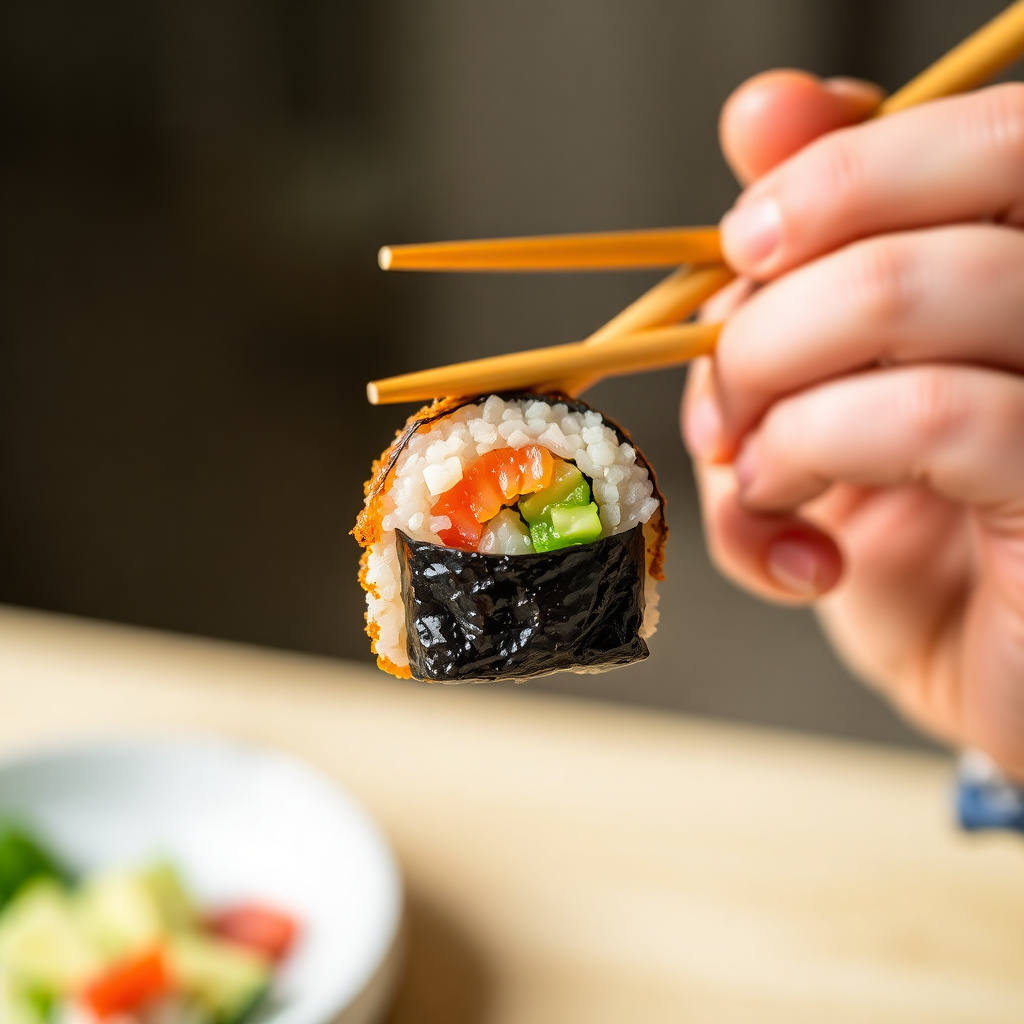
Using Chopsticks Correctly
When eating sushi, using chopsticks properly is key to maintaining elegance and respect. Hold chopsticks near their thicker ends with your dominant hand, making a stable grip that allows gentle picking up of sushi pieces without crushing them.
Avoid gestures like pointing with chopsticks or sticking them upright in rice, as these actions are considered rude. Resting chopsticks neatly on provided holders when not in use signals good manners.
- Grip chopsticks towards the back, not the middle or front
- Avoid waving or pointing with chopsticks
- Never stab sushi with chopsticks
- Place chopsticks on rests between bites
When to Use Hands Instead of Chopsticks
Traditionally, sushi nigiri (fish atop rice) is often eaten with clean hands. This approach helps maintain the structural integrity of delicate sushi and leverages the natural moisture and warmth of fingertips.
Use your thumb, index, and middle fingers to pick up nigiri gently. For rolls and sashimi, chopsticks are typically preferred, but hands are acceptable if chopsticks present difficulty, following subtle contextual cues of the restaurant.
- Use hands primarily for nigiri
- Pick up with thumb, index, and middle fingers
- Chopsticks preferred for sashimi and rolls
- Maintain clean hands throughout the meal
Soy Sauce and Wasabi Practices in Sushi Etiquette
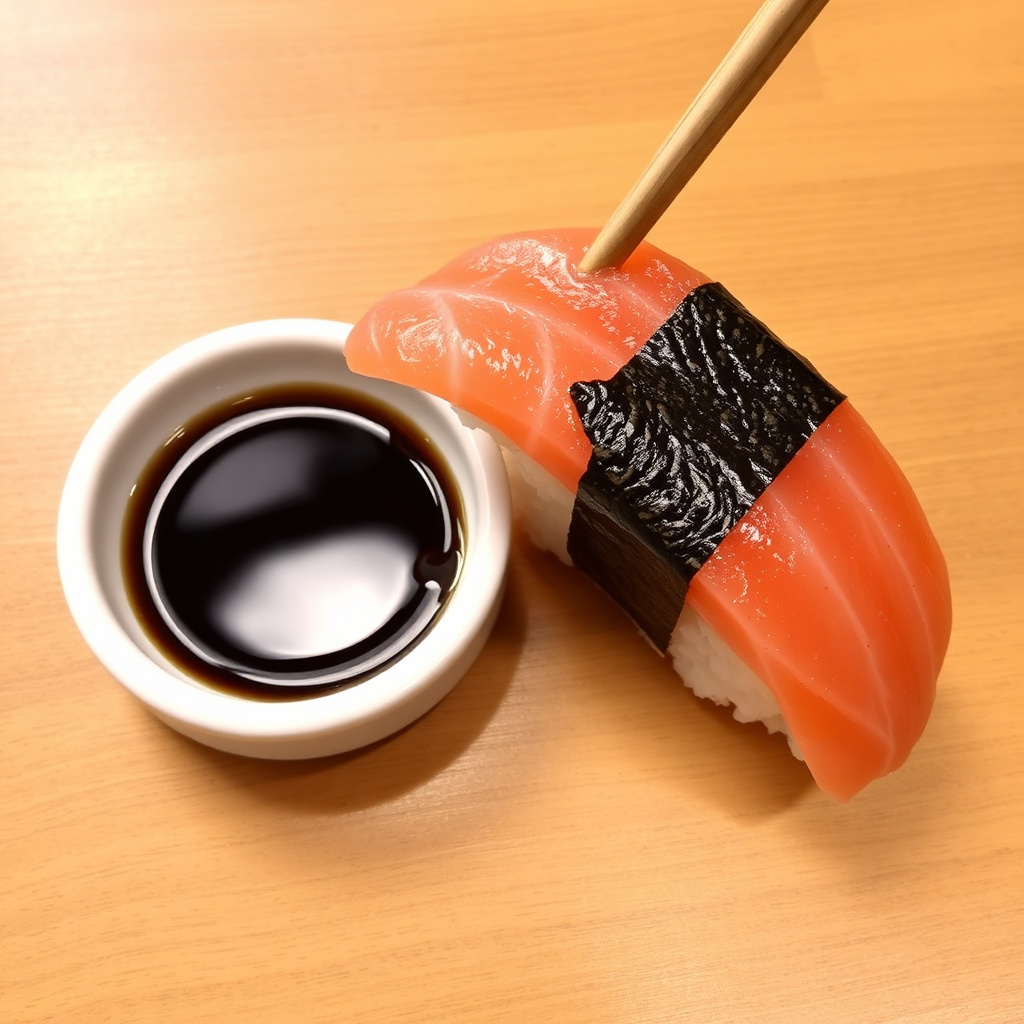
Proper Soy Sauce Dipping
Dip sushi lightly on the fish side, not the rice. The rice absorbs soy sauce quickly and can fall apart, plus excessive soy sauce overwhelms delicate flavors. Light dipping respects the balance crafted by the sushi chef.
Pour just enough soy sauce in the dish to dip without submerging the piece as this preserves texture and taste. Avoid mixing wasabi directly into soy sauce unless requested.
- Dip fish side, avoid dipping rice
- Use a small amount of soy sauce
- Avoid mixing wasabi into soy sauce unless specified
- Pour soy sauce only as needed
For more on this, see our related guide: Most Popular Sushi Rolls: A Guide to Classic and Favorite Choices.
Using Wasabi Respectfully
Wasabi is traditionally applied by the sushi chef between fish and rice. If additional wasabi is desired, place a small amount directly onto the fish rather than mixing it in soy sauce. This preserves the intended balance of flavor.
Overusing wasabi can overshadow the sushi’s delicate flavor profile and is generally considered disrespectful to the chef’s preparation. Taste first, then add cautiously.
- Wasabi often pre-applied by the chef
- Add small amounts on fish if needed
- Avoid mixing wasabi into soy sauce
- Apply wasabi sparingly
Eating Order and Pace in Sushi Etiquette
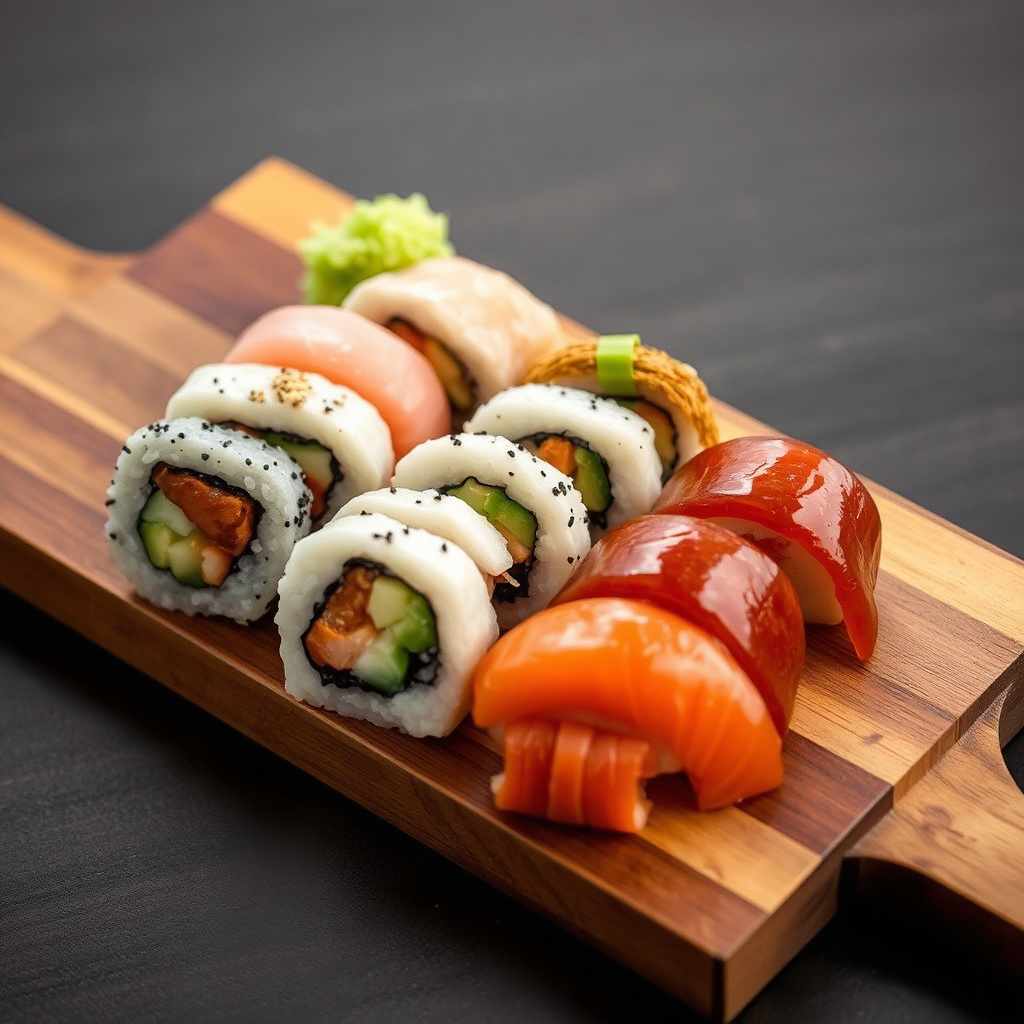
Following the Flavor Progression
Start eating sushi from lighter flavors such as white fish or shellfish and progress to richer, fattier fish like tuna or eel. This order prevents stronger flavors from overpowering your palate early on.
Eating nigiri and rolls in the recommended sequence enhances appreciation of flavor complexity and texture variations.
- Begin with mild-flavored sushi
- Progress to richer and oilier fish
- End with stronger-flavored or cooked pieces
- Follow chef’s recommended order if given
Mindful Eating Pace
Eat sushi pieces in one or two bites to enjoy the full flavor profile and texture as meant by the chef. Taking too long risks the rice drying or fish cooling.
Taking your time between bites to savor each piece and cleanse your palate with pickled ginger shows attentive eating without rushing the experience.
- Consume each piece in one or two bites
- Pace yourself to enjoy all flavors
- Use pickled ginger to refresh palate
- Avoid rushing or dragging out the meal
Interacting with the Sushi Chef

Showing Respect and Appreciation
A polite greeting and thanking the chef after each serving expresses gratitude without disrupting the culinary flow. This builds rapport and respects centuries-old dining customs.
Avoid loud conversations or invasive questions that distract the chef. Eye contact and nodding are subtle ways to convey appreciation.
- Greet the chef politely
- Thank the chef after courses
- Maintain respectful silence during preparation
- Use subtle gestures to show appreciation
For more on this, see our related guide: Why Is Sushi Served with Wasabi? Uncovering the Flavor and Tradition.
Requesting Customizations Courteously
Request modifications sparingly and politely if necessary. Frequent or demanding changes can disrupt the chef’s intentions and workflow.
Express preferences gently, and accept the chef’s guidance if alternatives are suggested, respecting their expertise.
- Make special requests politely and occasionally
- Respect chef's recommendations
- Avoid demanding frequent changes
- Accept chef’s expertise graciously
Appropriate Behavior and Dress in a Sushi Restaurant

Behavior Expectations
Keep conversations quiet and avoid strong fragrances that can interfere with taste. Phones should be silenced or put away to maintain a serene atmosphere.
Walk calmly, wait patiently for your turn at the sushi bar, and avoid gestures that may be distracting to chefs or other diners.
- Speak softly and keep volume low
- Avoid loud phone use or interruptions
- Wait patiently and respectfully at sushi bar
- Refrain from strong cologne or perfume
For a broader understanding, you may explore the detailed sushi etiquette explained on Wikipedia. Sushi etiquette on Wikipedia.
Dress Code Considerations
Dress smart-casual or semi-formally for higher-end sushi restaurants to match the ambiance and respect the setting. Casual sushi spots may be more flexible but neat attire is always appreciated.
Simple, clean clothing without excessive odors complements the refined dining experience.
- Choose neat, clean clothing
- Opt for smart-casual in upscale venues
- Avoid overly casual or dirty attire
- Dress to enhance your dining respectfulness
Sushi Etiquette Practices Category Comparison
Below is a comparison of common sushi etiquette practices across different types of sushi dining experiences.
| Etiquette Aspect | Casual Sushi Bars | Upscale Sushi Restaurants | Conveyor Belt Sushi |
|---|---|---|---|
| Use of Hands vs Chopsticks | Hands often accepted for nigiri | Generally preferred hands for nigiri | Mostly chopsticks used |
| Soy Sauce Dipping | Light dipping allowed, mix avoided | Very light dipping on fish side | Dipping varies, avoid rice soaking |
| Interaction with Chef | Informal, less interaction | Formal greetings important | Minimal interaction, self-service |
| Dress Code | Casual attire acceptable | Smart-casual or formal preferred | Very casual wear tolerated |
| Pace of Eating | Relaxed, no strict order | Follow flavor progression suggested | Self-paced, order flexible |
Frequently Asked Questions
Is it acceptable to eat sushi with hands?
Yes, eating nigiri sushi with clean hands is traditional and accepted in most authentic settings, as it preserves the delicate structure and flavor better than chopsticks.
Should I mix wasabi into my soy sauce?
Traditionally, wasabi is not mixed into soy sauce but applied directly on the fish by the chef or diner to maintain intended flavor balance and texture.
How do I signal I’ve finished eating at a sushi bar?
Placing your chopsticks neatly on the holder or plate and making eye contact with the chef while nodding or saying thank you signals you are finished respectfully.
Is it rude to ask for sushi modifications?
Occasional polite requests are acceptable, but frequent or demanding modifications could be disrespectful to the chef’s preparation and expertise.
Can I take soy sauce with me after dining?
Typically, soy sauce provided is for immediate use during the meal and taking leftovers is uncommon and considered unusual etiquette.
Key Takeaways
- Use hands for nigiri and chopsticks for rolls and sashimi when eating sushi
- Dip sushi fish side lightly in soy sauce, avoid soaking the rice
- Respectful behavior and quiet conversation enhance the dining experience
- Follow flavor progression and mindful pacing while eating sushi
Conclusion
Mastering sushi etiquette involves attention to subtle practices that honor the traditions and artistry behind sushi-making. Knowing when to use hands or chopsticks, how to dip sushi properly, and interacting respectfully with the chef shows your appreciation beyond taste alone. These thoughtful actions create an immersive, respectful environment that enriches the overall sushi dining experience.
When selecting where and how to enjoy sushi, consider your familiarity with these customs. Casual sushi bars may allow for more flexibility in eating hands and pacing, whereas upscale sushi restaurants expect specific etiquette and deliberate flavor progression. Conveyor belt sushi tends to be quick and less formal but still values light soy sauce use and respectful demeanor. Tailoring your approach based on context helps you blend respect with comfort.
Next time you dine on sushi, remember to approach the meal with mindfulness: use hands or chopsticks appropriately, dip delicately, eat pieces in one or two bites, and communicate appreciation thoughtfully. By practicing sushi etiquette, you honor both the tradition and the chef’s skills, turning a simple meal into a memorable cultural experience.