How Long Does Chinese Food Last in the Fridge? Safe Storage Tips
Chinese food typically lasts about 3 to 4 days in the refrigerator when stored properly. Refrigerating leftovers promptly—within two hours of cooking—and keeping them in airtight containers helps maintain both safety and flavor. Beyond four days, bacteria can multiply to unsafe levels, so consuming within this window is key.
Knowing how long Chinese food remains good in the fridge matters because many dishes contain ingredients like seafood, meats, and sauces that can spoil faster than plain cooked foods. Also, reheating improperly stored leftovers can lead to foodborne illnesses. This timeframe ensures your meals stay enjoyable and safe to eat.
This article will cover storage guidelines for different types of Chinese dishes, ideal reheating methods to preserve texture and taste, signs of spoilage to watch for, and tips on extending freshness. We’ll also discuss variations depending on ingredients to help you make the most of your Chinese food leftovers.
Understanding Storage Time for Different Types of Chinese Food
Cooked Meats and Poultry
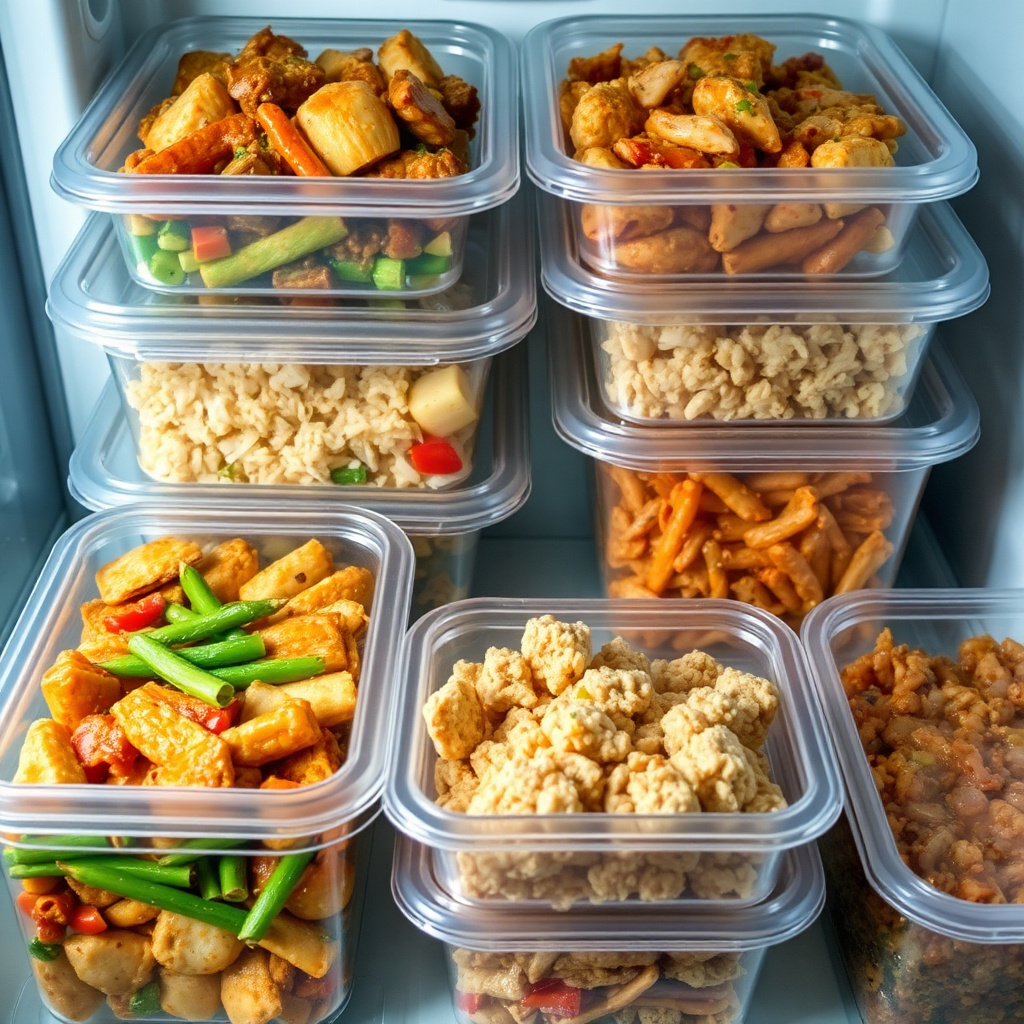
Cooked meats and poultry from Chinese meals, such as roast duck, General Tso’s chicken, or beef stir-fry, generally keep well for three to four days in the fridge. It’s important to cool these dishes quickly and store them in sealed containers to minimize bacterial growth.
Avoid leaving these dishes at room temperature for over two hours before refrigerating. If meat dishes have been out longer, even if refrigerated afterward, the risk of spoilage increases. For best taste, consume within this recommended window.
Seafood-based Dishes
Seafood like shrimp fried rice or fish in black bean sauce usually lasts on the shorter side, typically up to three days when cooled and stored correctly. Since seafood spoils faster, it is crucial to refrigerate immediately.
Overstaying seafood in the fridge increases the risk of a fishy odor and texture degradation, which indicates spoilage. When in doubt, it’s safest to discard leftovers that smell off or have slimy textures.
Best Practices for Refrigerating Chinese Food

Choosing the Right Containers
Using airtight containers made of glass or BPA-free plastic can significantly prolong the freshness of Chinese food in the fridge. Containers that seal tightly block moisture loss and slow bacterial entry, keeping flavors intact.
Avoid loosely covered bowls or wrapping leftovers with foil. These allow air exposure, causing food to dry out and spoil more quickly. Label containers with the date stored to keep track of freshness.
- Glass containers with locking lids
- Microwave-safe BPA-free plastics
- Avoid foil or loose plastic wrap
Cooling Food Before Refrigeration
Before placing Chinese food in the fridge, let it cool at room temperature for no longer than two hours. Placing hot food directly inside the refrigerator raises the internal temperature and can affect other stored items.
To speed up cooling, spread dishes out on shallow trays or smaller containers. Once cooled, seal them properly to prevent cross-contamination and retain moisture.
Reheating Chinese Food for Best Quality

Microwave Reheating Techniques
Microwaving is the quickest way to reheat Chinese food but can sometimes lead to uneven heating or sogginess, especially with fried items. Stirring halfway through heating and covering the dish loosely helps distribute heat evenly and retain moisture.
Use medium power settings and reheat in short intervals to avoid overheating, which breaks down textures and flavors. Adding a sprinkle of water can prevent dryness during reheating.
Reheating on the Stovetop or Oven
For dishes that benefit from crispness, like spring rolls or fried rice, reheating on a skillet or in the oven is preferable. This helps restore texture while warming food thoroughly.
Preheat the pan or oven, add a small amount of oil or water if needed, and stir occasionally to prevent burning. This method generally takes longer but yields better taste and mouthfeel.
- Use skillet for fried items
- Oven preheat to 350°F (175°C)
- Add moisture to prevent drying
Identifying Signs of Spoiled Chinese Food

Visual and Textural Changes
Spoiled Chinese food often shows visible mold, discoloration, or a slimy texture. Look for patches of green, white, or fuzzy growth on sauces, rice, or meat surfaces as clear indicators to discard the food.
Texture shifts such as excessive moisture or mushiness where the food previously was crisp or firm also signify spoilage. Avoid tasting questionable leftovers.
Unpleasant Odors
A sour or ammonia-like smell from leftover Chinese food is a telltale sign it has gone bad. Fresh Chinese dishes have mild or savory aromas while spoilage creates a pungent and off-putting scent.
If you notice odd smells even before reheating, it's safest to throw the food out to avoid foodborne illness.
Extending the Shelf Life of Chinese Food

Freezing Leftovers Properly
Freezing Chinese food immediately after cooling extends its shelf life up to two to three months. Use airtight freezer bags or containers to prevent freezer burn and maintain quality.
Label and date each package for easy rotation. Thaw frozen food overnight in the refrigerator and consume within 24 hours after thawing to ensure safety.
- Freeze in small portions
- Use vacuum seal bags if possible
- Avoid repeated freeze-thaw cycles
Using Acidic Ingredients to Preserve
Some Chinese dishes with vinegar or citrus-based sauces keep longer due to acidic content, which naturally inhibits bacterial growth. Sauces like sweet and sour or hot and sour soups can act as mild preservatives.
However, acidic dishes still require proper refrigeration and are best eaten within the standard fridge timeline for safety.
Common Storage Mistakes with Chinese Food
Leaving Food Uncovered
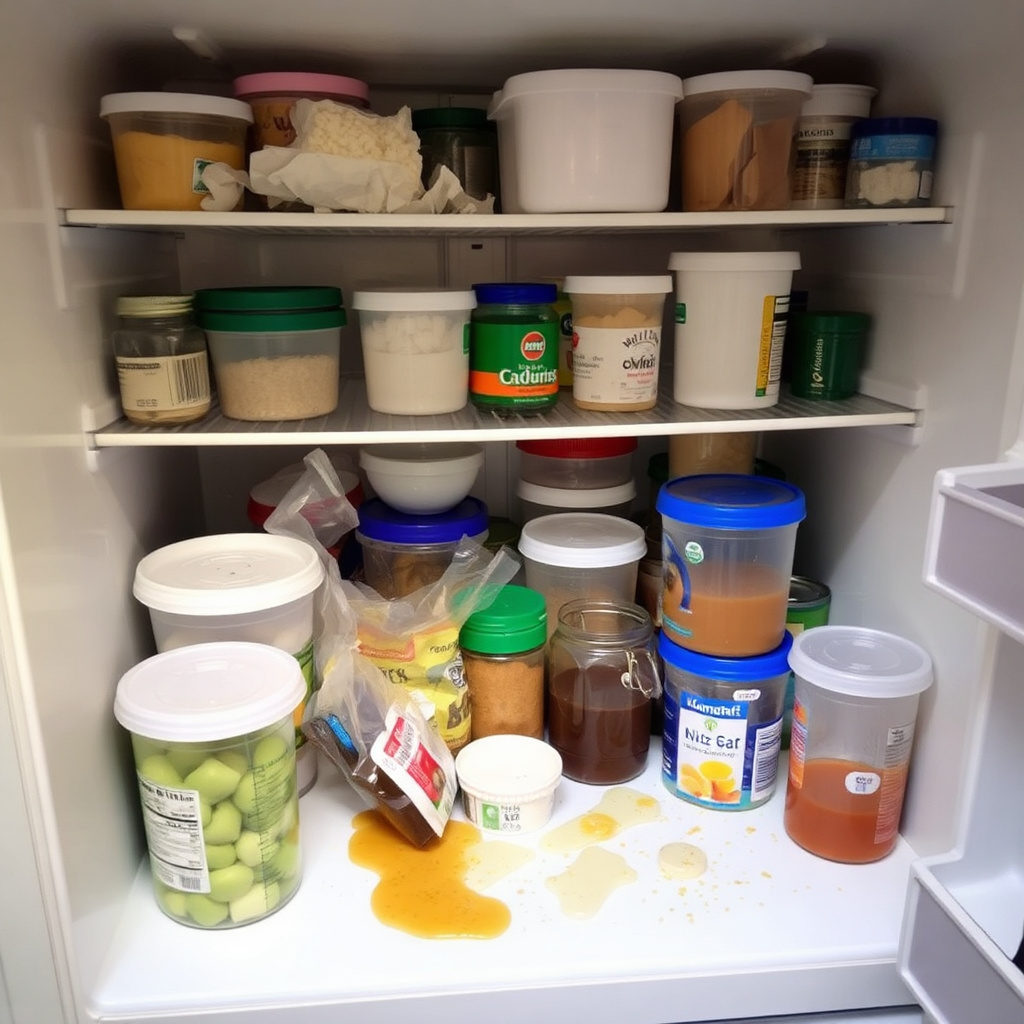
Leaving Chinese food uncovered exposes it to airborne bacteria and fridge odors, accelerating spoilage and flavor loss. This mistake also causes moisture loss and can dry out dishes like stir-fry or soups.
Always use lids or covers to keep food fresh and prevent cross-contamination from other fridge items.
For detailed official recommendations on leftover storage times, refer to FoodSafety.gov storage guidelines. FoodSafety.gov storage guidelines.
Storing Food Too Long
Keeping Chinese leftovers beyond recommended storage times invites bacteria growth, particularly on protein-heavy and seafood dishes. This not only risks food poisoning but also drastically reduces palatability.
Even if food looks or smells fine, discard leftovers after four days to avoid potential health risks.
Chinese Food Storage Options Comparison
Here’s a comparison of popular Chinese food storage methods focusing on shelf life, convenience, and impact on food quality.
| Storage Method | Recommended Duration | Effect on Food Quality | Convenience |
|---|---|---|---|
| Refrigeration (airtight container) | 3-4 days | Maintains flavor and texture well | High |
| Freezing (sealed bags/containers) | 2-3 months | Good, slight texture changes after thawing | Medium |
| Room Temperature Storage | Under 2 hours | Rapid spoilage risk | Low |
| Refrigeration (uncovered) | 1-2 days | Drying out and odor contamination | Low |
| Vacuum Sealing then Refrigerating | 5-7 days | Best flavor and safety extension | Medium |
Frequently Asked Questions
Can I store Chinese takeout in the fridge overnight?
Yes, Chinese takeout can be refrigerated overnight and will generally stay safe for up to 3 to 4 days if stored in airtight containers.
Is it safe to eat Chinese food left out all day?
No, eating Chinese food left out longer than two hours risks bacterial growth and potential foodborne illness.
How do I reheat Chinese food without it becoming soggy?
Reheat fried dishes in a skillet or oven to retain crispness; microwave with a cover and short bursts to avoid soggy textures.
Can I freeze soup or sauces from Chinese food?
Yes, soups and sauces freeze well if stored in airtight containers and can last up to three months.
What signs show that Chinese food has spoiled?
Look for off smells, mold, discoloration, slimy textures, or sour flavors as signs food should be discarded.
Key Takeaways
- Chinese food lasts about 3-4 days in the fridge when stored properly.
- Use airtight containers and cool food quickly before refrigerating.
- Reheat leftovers using appropriate methods to preserve texture and taste.
- Discard leftovers showing spoilage signs or kept beyond recommended storage times.
Conclusion
Evaluating how long Chinese food lasts in the fridge involves understanding ingredient sensitivity, storage conditions, and timely refrigeration. Following a safe storage timeframe of three to four days helps avoid foodborne illnesses and preserves the dish’s flavor and texture. Cooling food properly before sealing and storing in airtight containers is vital to maximize freshness. Being mindful of how different dishes, especially seafood or fried items, respond to refrigeration guides better handling and longer usability.
Specific recommendations include refrigerating cooked meats and poultry such as stir-fries or roast duck promptly and consuming them within four days. Seafood dishes should be eaten within three days given their quicker spoilage risk. For better texture retention, reheat crispy items in the oven or skillet rather than microwaving alone. Freezing leftovers is an excellent option to extend shelf life but may slightly alter texture, so portioning meals before freezing is useful. Avoid storing uncovered food or leaving it out too long to prevent contamination and drying out.
Overall, you can safely enjoy your Chinese food leftovers by refrigerating them quickly in sealed containers, labeling with dates, and observing storage limits. When in doubt about quality, trust visual, textural, and smell indicators to decide. Taking these practical steps keeps your meals both delicious and safe, helping reduce waste. For long-term storage, freezing is best, while timely consumption optimizes flavor. With these guidelines, leftover Chinese dishes can be enjoyed multiple times without worry.



One Comment