What Does Eel Taste Like? A Detailed Taste Profile and Guide
Eel tastes rich and savory with a firm yet silky texture, often described as buttery with a mild sweetness. Its flavor is more pronounced than typical white fish but less intense than oily fish, balancing a subtle earthiness with delicate seafood notes. The taste varies slightly depending on whether you choose freshwater or saltwater eel, with freshwater eels generally having a sweeter, more tender meat.
Understanding what eel tastes like matters because it influences how you prepare and enjoy this versatile seafood. Eel is a staple in cuisines from Japan's unagi to Europe’s smoked eel delicacies, showing how its distinctive flavor lends itself well to grilling, smoking, and braising. The cooking method greatly affects flavor, balancing its natural richness and delicate texture.
This article explores the sensory experience of eating eel, including texture, flavor variations, common cooking methods, and how it compares to other fish. Whether you’re curious about tasting eel for the first time or want tips on preparation, this guide will cover what to expect and how to make the most of eel’s unique taste.
Understanding the Flavor Profile of Eel

Freshwater vs. Saltwater Eel Tastes
Freshwater eel, notably the Japanese unagi, has a sweeter and more tender taste compared to saltwater eel. Its flesh tends to be softer and creamier, often described as having a mild sweetness that complements savory sauces well. Saltwater eel presents a firmer, slightly saltier flavor that can be earthier and somewhat more robust.
The differences arise because of their habitats; freshwater eels feed on softer vegetation and small creatures, while saltwater varieties often consume salty marine life, influencing their meat’s flavor. This distinction is important when selecting eel for recipes, as freshwater eel adapts well to rich preparations, whereas saltwater eel is better suited for smoky or strong-seasoned dishes.
Texture and Mouthfeel
Eel features a firm yet slightly oily texture that melts in the mouth, somewhat between a fatty fish like salmon and a lean white fish such as cod. When cooked properly, the meat remains moist and smooth, avoiding dryness, with skin that can crisp up nicely while retaining chewiness.
Its tender, almost velvety mouthfeel comes from natural fats in the flesh, which also contribute to the buttery taste. Overcooking can cause eel to become tough or rubbery, so understanding its texture helps in preparing dishes that highlight its gentle richness.
Common Cooking Techniques That Highlight Eel's Flavor

Grilling and Broiling Eel
Grilling is one of the most popular ways to cook eel, particularly in Japanese cuisine where unagi is cooked with a sweet soy-based glaze called tare. This method caramelizes the surface, enhancing the eel’s natural sweetness and adding smoky notes that deepen the flavor profile.
Broiling offers similar results by producing a golden, slightly crispy exterior while keeping the interior soft and moist. Both methods benefit from marination or basting, which balances the richness and adds layers of taste without overpowering the eel’s delicate character.
- Caramelizes surface sugars
- Adds smoky flavor
- Preserves moist interior
- Enhances natural sweetness
Smoking and Braising Eel
Smoking eel imparts a deep, woodsy aroma that complements its fat content and adds complexity. Smoked eel is common in European cuisine and results in a firm, flaked texture with a pronounced savory flavor that pairs well with acidic or creamy accompaniments.
Braising eel gently in flavorful liquids such as soy sauce, sake, or wine tenderizes its flesh while infusing robust taste. This method helps mellow out any stronger notes, producing a succulent bite that accentuates the eel’s sweetness and buttery flesh.
- Adds smoky aroma
- Creates firm texture
- Infuses flavor during slow cooking
- Enhances natural sweetness
Eel Compared to Other Fish and Seafood
Versus Fatty Fish Like Salmon
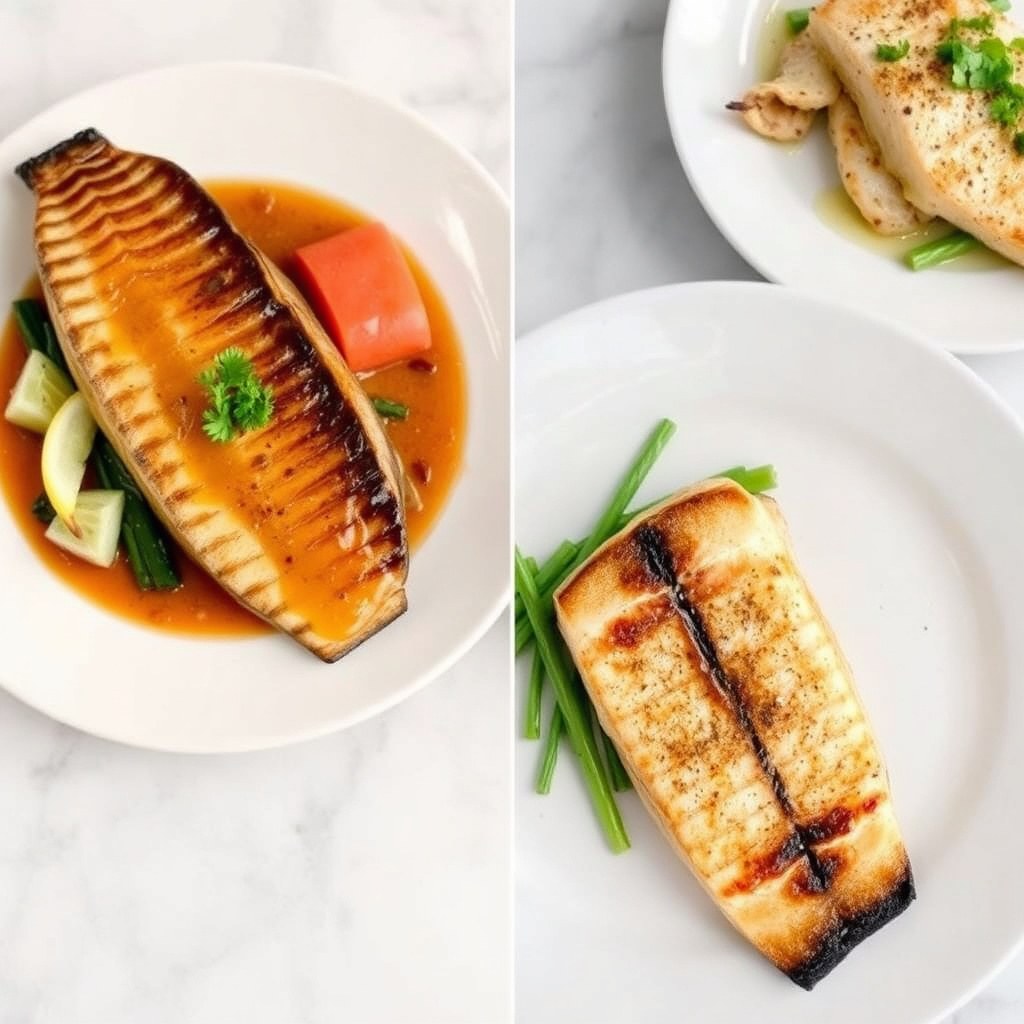
Compared to salmon, eel has a milder fishiness and less oily texture while still offering a butter-rich mouthfeel. Salmon’s stronger taste and denser flesh contrast with eel’s lighter yet rich flavor, making eel preferable when you want a silky texture without overpowering fishy notes.
Eel is less flaky than salmon and has a firmer yet softer bite, making it a unique transition option for those who want richness without the more assertive flavor salmon can bring.
For more on this, see our related guide: What Does Mapo Tofu Taste Like? Exploring the Unique Flavors of Mapo Tofu.
Versus Lean White Fish Like Cod or Halibut
Unlike lean white fish such as cod or halibut, which have mild taste and flaky flesh, eel is fattier with a denser texture. This fat content gives eel richness and a buttery feel absent in lean fish, rendering it suitable for richer dishes rather than light, delicate preparations.
Additionally, the slight sweetness in eel sets it apart, making its flavor more complex and suiting bolder seasoning, while white fish are often paired with subtle herbs or light sauces.
Popular Dishes That Showcase Eel's Taste
Japanese Unagi and Kabayaki
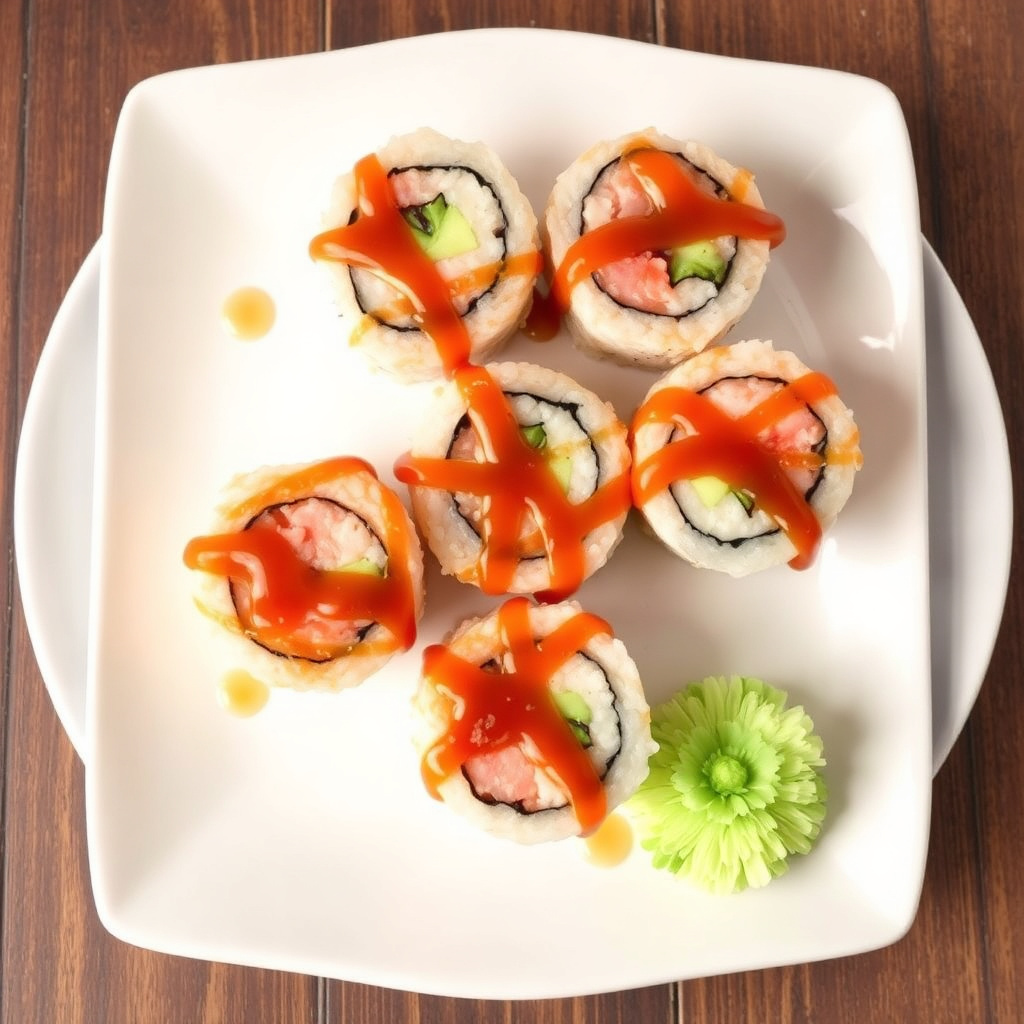
Unagi refers to freshwater eel prepared with tare sauce and grilled to create a tender, caramelized dish, typically served atop rice or as sushi. Kabayaki is the specific grilling technique that highlights eel’s buttery texture through repeated basting and cooking, resulting in sweet-salty notes that define the flavor.
This preparation emphasizes eel’s natural sweetness and smoky undertones while providing a soft, moist bite that many find appealing. Unagi dishes are a cultural staple and an excellent introduction to eel’s taste for first-timers.
- Sweet soy-based glaze
- Grilled for caramelization
- Creamy texture
- Often served over rice
Smoked and Pickled Eel in European Cuisine
In Europe, smoked eel is a delicacy often served cold with accompaniments like horseradish, mustard sauces, or bread. Smoking brings out savory flavors and a firm texture distinct from grilled eel, suitable for those seeking a meatier, more intense taste.
Pickled eel, common in Northern Europe, offers a vinegary tang that cuts through the rich natural oils, creating a balance of sour, sweet, and smoky. These preparations highlight eel’s versatility beyond grilling methods.
- Smoked for deep flavor
- Served cold or with sauces
- Pickling adds tang
- Firm texture
Health and Nutritional Aspects of Eating Eel
Nutritional Benefits
Eel is rich in protein, omega-3 fatty acids, vitamins A and E, and minerals like calcium and phosphorus. These nutrients support heart health, skin condition, and cognitive function. The fat content in eel is considered healthy fat, contributing to its buttery flavor.
Regular consumption of eel in moderation can complement a balanced diet, particularly benefiting those looking for nutrient-dense seafood with good fat quality.
- High-quality protein
- Rich in omega-3 fatty acids
- Contains vitamins A and E
- Good source of minerals
For more on this, see our related guide: What Does Sashimi Taste Like? An In-Depth Flavor Guide.
Allergy and Sustainability Considerations
Like all seafood, eel can trigger allergies in sensitive individuals, so caution is advised if you have fish allergies. Additionally, some eel species face conservation concerns due to overfishing; sourcing from sustainable farms or certified suppliers helps reduce environmental impact.
Choosing verified and responsibly harvested eel supports ocean health and ensures continued availability of this flavorful fish.
- Potential allergen
- Sustainability concerns
- Prefer farmed or certified sources
How to Prepare and Serve Eel for Best Taste
Preparing Fresh Eel at Home
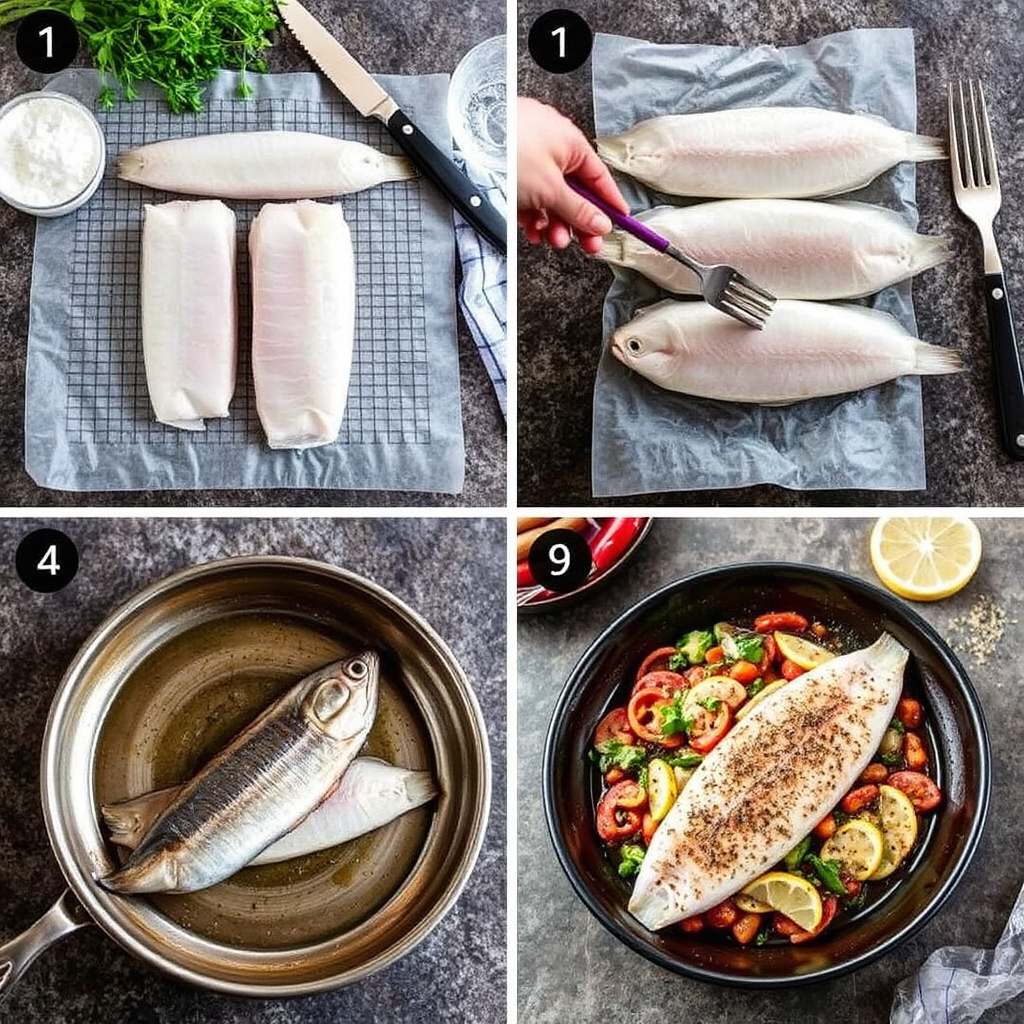
Fresh eel needs careful cleaning, skinning, and filleting due to its slippery skin and tough bones. Removing the dark bloodline along the spine prevents bitterness. Proper preparation enhances flavor and texture, allowing you to fully appreciate eel’s delicate taste when cooked.
If you're unfamiliar with handling eel, buying pre-cleaned or filleted eel from trusted sources can save time and reduce waste, ensuring a better cooking experience and final dish.
- Remove dark bloodline
- Skin and fillet carefully
- Use pre-cleaned eel to save effort
For more detailed biological and culinary information, you can visit the comprehensive eel article on Wikipedia. Eel – Wikipedia.
Pairings and Serving Suggestions
Eel pairs well with simple sides that let its flavor shine, including steamed rice, mild pickles, or crisp greens. Sauces like tare, ponzu, or horseradish cream complement eel’s richness by adding sweetness or acidity.
Serving eel warm highlights its silky texture, but smoked varieties shine when chilled and paired with fresh citrus or herb-infused accompaniments, providing versatility in presentation.
- Simple sides for balance
- Sweet or acidic sauces
- Serve warm or chilled based on preparation
Eel Taste and Preparation Category Comparison
Below is a breakdown of common eel varieties and preparation styles, focusing on flavor, texture, typical cooking methods, and culinary uses for easy comparison.
| Category | Flavor Profile | Texture | Cooking Methods | Common Dishes |
|---|---|---|---|---|
| Freshwater Eel (Unagi) | Sweet, mild, rich | Tender, silky | Grilling, broiling | Unagi kabayaki, sushi |
| Saltwater Eel | Earthy, savory, firmer | Firmer, chewy | Smoking, braising | Smoked eel, stewed dishes |
| Smoked Eel | Deep smoky, savory | Firm, flaky | Cold serving, minimal cooking | Smoked eel salad, cold platters |
| Pickled Eel | Tangy, sweet, smoky | Firm, slightly chewy | Pickling after light cooking | Pickled eel appetizers |
| Grilled Eel with Tare | Sweet-salty, caramelized | Soft, moist | Grilling with glaze | Japanese unagi rice bowls |
Frequently Asked Questions
Is eel fishy or mild in flavor?
Eel has a mild to moderately rich flavor that is less fishy than many seafood options. It combines buttery sweetness with a subtle earthiness, making it approachable for those who prefer less intense seafood tastes.
How is eel typically cooked to enhance its taste?
Grilling with a sweet soy glaze, smoking, and braising are popular cooking methods that enhance eel’s natural richness while adding complementary smoky, sweet, or savory notes.
Are there health benefits to eating eel?
Yes, eel is a good source of protein, omega-3 fatty acids, vitamins A and E, and minerals, contributing to cardiovascular and skin health when eaten as part of a balanced diet.
Can I eat eel raw like sushi?
Eel is almost always cooked before consumption due to parasites and texture. In sushi, eel is grilled or broiled, never served raw, to ensure safety and optimal flavor.
Does the type of eel affect its taste?
Yes, freshwater eel is generally sweeter and more tender, while saltwater eel has a firmer texture and earthier flavor. This impacts how they should be prepared and enjoyed.
Key Takeaways
- Eel offers a rich, buttery flavor with a mild sweetness and firm yet silky texture.
- Freshwater and saltwater eels differ in taste and texture, influencing cooking choices.
- Grilling with glaze and smoking are popular ways to highlight eel's unique taste.
- Eel provides beneficial nutrients but should be sourced sustainably and handled carefully.
Conclusion
Choosing to enjoy eel means appreciating a seafood option that blends rich flavor and luxurious texture unlike many other fish. Understanding the nuances between freshwater and saltwater eels guides how to prepare them to reflect their subtle sweetness or earthier notes. Cooking methods directly influence taste and mouthfeel, with techniques like grilling, smoking, and braising bringing out varied complexities in eel’s profile. Balancing these elements forms the foundation of selecting and preparing eel dishes that satisfy the palate.
For those new to eel, starting with freshwater eel grilled with a sweet tare glaze—commonly known as unagi—offers an accessible introduction to its mild, smoky sweetness and tender texture. Alternatively, smoked saltwater eel fits well for a bolder flavor experience suitable for cold plates or appetizers. Eel’s nutritional benefits paired with its versatile flavor appeals to consumers seeking both indulgence and healthfulness in seafood. Paying attention to sourcing and preparation ensures you enjoy eel in a delicious and responsible way.
If you want to explore eel’s taste, buying pre-filleted or pre-cleaned eel can simplify preparation while maintaining quality. Try pairing with simple sides like rice and tangy sauces to highlight its distinctive flavor. Whether grilled or smoked, eel provides a unique taste adventure that complements diverse culinary styles. Begin with trusted sources and recipes, and discover why eel holds a special place in many traditional cuisines worldwide.