Is Chinese Food Gluten Free? Understanding Gluten in Chinese Cuisine
Chinese food is generally not gluten free due to the common use of soy sauce, wheat-based noodles, and other ingredients containing gluten. Many traditional dishes include soy sauce, which is brewed with wheat, making them unsuitable for those avoiding gluten.
This matters because gluten triggers adverse reactions in people with celiac disease or gluten sensitivities. Chinese cuisine features a variety of sauces, breads, and noodles that often rely on wheat, so understanding which dishes contain gluten is key to maintaining a gluten-free diet when dining out or cooking at home.
In this article, we will explore which Chinese foods are typically gluten-free, identify hidden sources of gluten, suggest alternatives and adaptations, and offer guidance on safely ordering or preparing gluten-free Chinese meals. Whether you're new to gluten-free eating or curious about Chinese cuisine, this guide provides practical insights.
Common Gluten Ingredients in Chinese Food

Soy Sauce and Wheat-Based Products
Soy sauce is a staple ingredient in many Chinese dishes, typically brewed with fermented wheat, making it a significant source of gluten. Even small amounts can cause symptoms for people with gluten intolerance or celiac disease.
Besides soy sauce, wheat flour is used in numerous Chinese staples, such as dumpling wrappers, pancakes, and certain noodles. Recognizing these ingredients helps avoid hidden gluten intake.
- Traditional soy sauce contains wheat
- Wheat-based noodles and dumplings
- Glutinous rice flour products usually gluten-free but can be mixed
Sauces, Breading, and Other Hidden Gluten Sources
Many Chinese sauces use wheat flour as a thickener or contain soy sauce, adding hidden gluten to dishes. Breaded and fried items often use wheat-based coatings.
Seasoning mixes and marinades may include gluten-containing ingredients, so verifying their composition is necessary for a gluten-free diet.
- Some hoisin and oyster sauces include wheat
- Breaded fried foods typically have gluten
- Marinades and seasoning mixes can hide gluten
Naturally Gluten-Free Chinese Ingredients

Rice and Vegetables
Rice, a central staple in Chinese cuisine, is naturally gluten-free and safe for those avoiding gluten. Similarly, fresh vegetables served steamed or stir-fried without gluten-containing sauces usually pose no gluten risk.
Choosing plain steamed dishes or those with gluten-free sauces can allow for a varied and satisfying meal within gluten-free restrictions.
Proteins Prepared Without Gluten
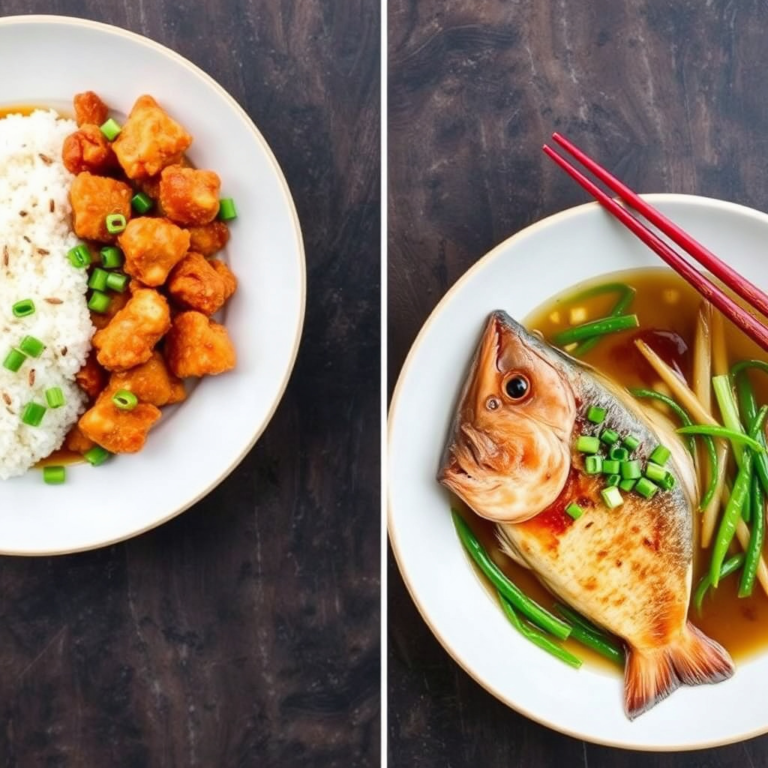
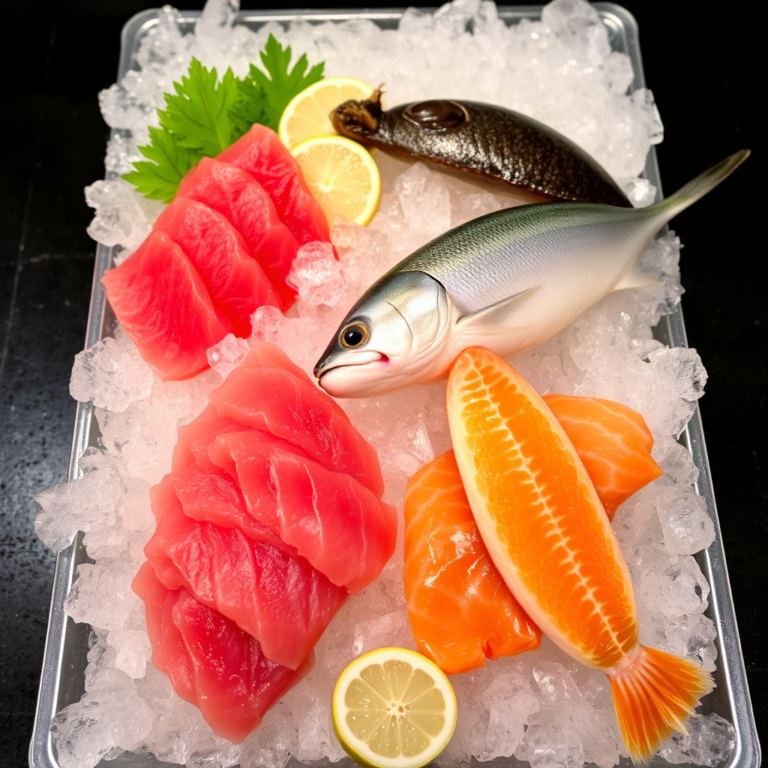
Meats, seafood, and tofu are inherently gluten-free, but gluten often comes from marinade or batter used in preparation. Ordering dishes like plain steamed fish, grilled meats, or tofu without sauce may be safe options.
Confirming preparation methods helps prevent accidental gluten intake from cross-contamination or hidden ingredients.
Gluten-Free Alternatives in Chinese Cooking

Gluten-Free Soy Sauce Substitutes
Tamari sauce, a Japanese soy sauce alternative, is often gluten-free and can substitute traditional soy sauce in recipes. It offers similar umami flavor without the wheat ingredient.
Many specialty stores offer gluten-free soy sauces suitable for Chinese cooking, enabling enjoyment of favorite dishes safely.
- Tamari sauce is usually gluten-free
- Look for certified gluten-free soy sauce brands
- Use in place of traditional soy sauce in recipes
For more on this, see our related guide: How to Eat Healthy at a Chinese Restaurant Without Sacrificing Flavor.
Using Rice Noodles and Other Gluten-Free Wraps
Rice noodles made from rice flour provide a safe alternative to wheat noodles commonly used in Chinese cuisine. These noodles maintain texture and flavor compatible with many dishes.
Some restaurants offer gluten-free wrappers made from rice or other flours, allowing safe consumption of dim sum and dumplings.
- Rice noodles substitute wheat noodles
- Gluten-free dumpling wrappers from rice flour
- Check restaurant menus for gluten-free options
Dining Out: Ordering Gluten-Free Chinese Food

Communicating Dietary Needs to Staff
Effectively communicating gluten-free requirements at a restaurant is crucial. Asking detailed questions about ingredients and preparation helps avoid accidental gluten exposure.
Requesting no soy sauce or breading, and confirming separate cooking utensils and surfaces minimize cross-contamination risks in kitchens.
- Explain gluten allergy or intolerance clearly
- Ask about sauces and batter ingredients
- Request separation during preparation
Identifying Safe Menu Choices
Menu items featuring steamed rice, plain meats or vegetables without sauces are safer bets. Some restaurants label gluten-free dishes, but verifying is always advised.
Avoid fried and breaded items unless specified gluten-free, and steer clear of dishes with soy or oyster sauce unless gluten-free alternatives are confirmed.
- Choose steamed rice and plain proteins
- Look for gluten-free menu sections
- Avoid fried and sauced dishes without confirmation
Cooking Gluten-Free Chinese Food at Home

Substituting Ingredients for Gluten-Free Versions
Home cooks can easily swap wheat-based ingredients with gluten-free counterparts such as tamari sauce instead of soy sauce, rice noodles instead of wheat noodles, and cornstarch for thickening sauces.
Using gluten-free flour blends can replace wheat flour in dough and batter recipes, enabling homemade gluten-free dumplings and pancakes.
- Use tamari in place of regular soy sauce
- Rice noodles replace wheat noodles
- Cornstarch or arrowroot for sauce thickening
- Gluten-free flour blends for dumplings
For more on this, see our related guide: How to Order at a Chinese Restaurant: A Simple Guide for First-Timers.
Avoiding Cross-Contamination in Your Kitchen
Prevent cross-contact by thoroughly cleaning surfaces, utensils, and cookware after preparing gluten-containing foods. Using separate cutting boards and utensils for gluten-free dishes is recommended.
Labeling gluten-free ingredients and storing them separately helps maintain a safe cooking environment for sensitive individuals.
- Clean surfaces and utensils thoroughly
- Use separate cooking tools for gluten-free foods
- Store gluten-free ingredients separately and label clearly
Health Impacts of Gluten in Chinese Food
Understanding Celiac Disease and Gluten Sensitivity
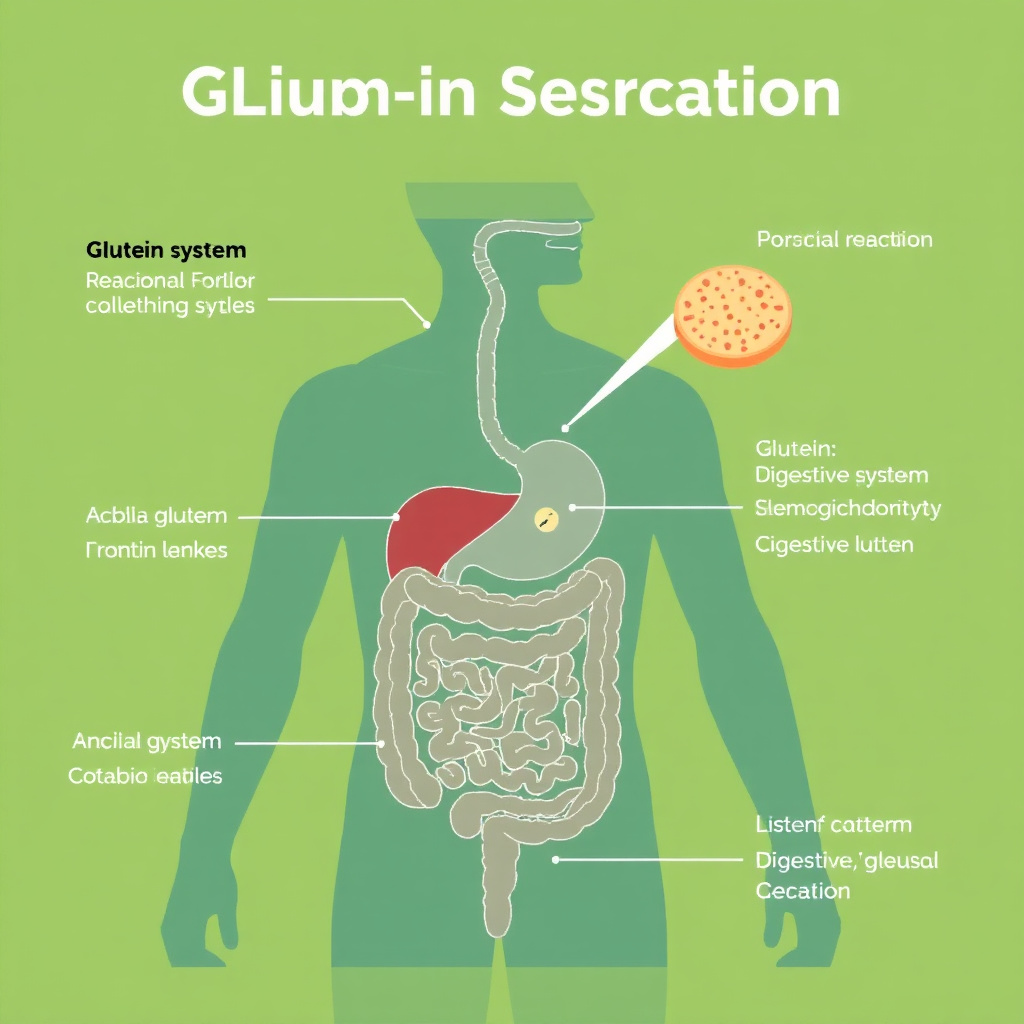
Celiac disease is an autoimmune disorder triggered by gluten that damages the small intestine. Even small gluten exposure can cause symptoms like pain, diarrhea, and nutrient malabsorption.
Non-celiac gluten sensitivity causes similar symptoms without intestinal damage, though gluten avoidance remains important for symptom management in both conditions.
For more detailed cultural and ingredient information, see the Chinese cuisine and gluten details on Wikipedia. Chinese cuisine and gluten details on Wikipedia.
Potential Gluten Cross-Contamination Risks
Shared kitchen equipment or frying oil in restaurants can expose gluten-free diners to trace gluten amounts unwittingly. This risks harmful reactions for those with severe allergies or celiac disease.
Being aware of these risks and advocating clear kitchen practices can help minimize exposure and protect health.
Comparing Gluten Content in Common Chinese Food Categories
The table below highlights typical gluten presence across popular Chinese dish categories to aid safer choices.
| Category | Gluten Presence | Typical Gluten Source | Gluten-Free Alternatives |
|---|---|---|---|
| Noodles | High | Wheat-based noodles | Rice noodles, glass noodles |
| Dumplings | High | Wheat flour wrappers | Rice flour wrappers, lettuce wraps |
| Sauces | Moderate to High | Soy sauce, hoisin sauce | Tamari, gluten-free hoisin |
| Fried foods | High | Wheat flour breading | Battered with rice flour, air-fried options |
| Steamed rice and vegetables | None | None | Native gluten-free |
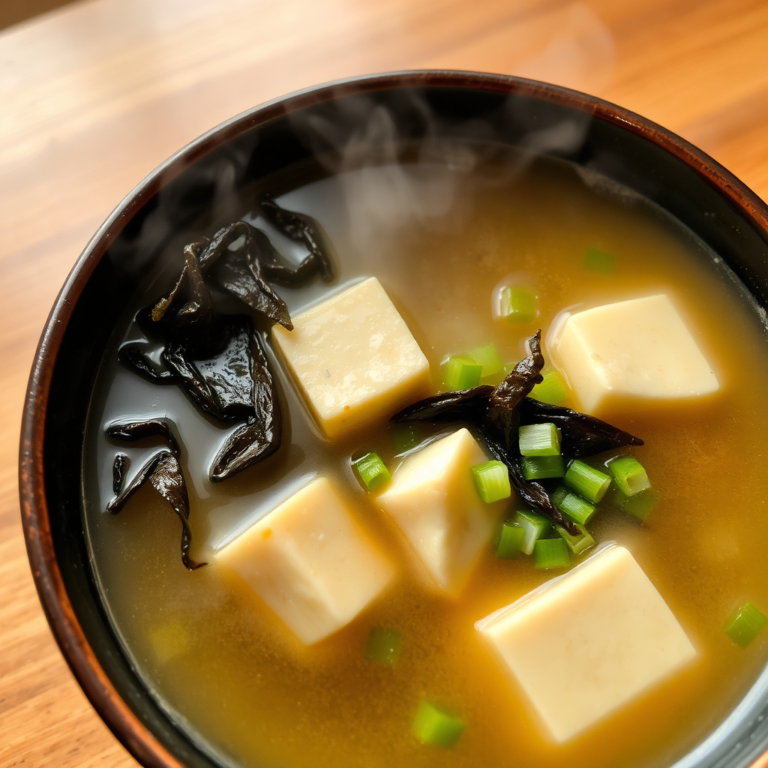
| Soup broths | Variable | Soy sauce, wheat thickeners | Clear broths without soy sauce |
Frequently Asked Questions
Is all soy sauce gluten free?
No, most traditional soy sauce contains wheat and is not gluten free. Look for tamari or specifically labeled gluten-free soy sauces.
Can I eat fried Chinese food if I'm gluten intolerant?
Typically no, because breading and batter usually contain wheat flour. Check if the restaurant offers gluten-free batter or fried options.
Which Chinese dishes are naturally gluten free?
Steamed rice, plain steamed vegetables, and simple grilled or steamed meats without sauce are usually gluten free.
How can I avoid gluten when eating Chinese food at a restaurant?
Ask detailed questions about ingredients, request no soy sauce or batter, and avoid dishes with obvious wheat-based items.
Are rice noodles safe for people avoiding gluten?
Yes, rice noodles are made from rice flour and do not contain gluten, making them a safe option.
Key Takeaways
- Most traditional Chinese food contains gluten due to soy sauce and wheat ingredients.
- Rice, vegetables, and plain meats are typically gluten free in Chinese cuisine.
- Tamari and rice noodles make good gluten-free substitutes.
- Ask detailed questions when dining out to avoid hidden gluten.
Conclusion
Deciding if Chinese food is gluten free requires careful consideration of ingredients and preparation methods. Many Chinese dishes include wheat-based soy sauce, noodles, or breading that introduce gluten, but naturally gluten-free items like steamed rice and vegetables are common. The best approach is to understand which foods typically contain gluten and identify safe alternatives to reduce health risks effectively.
If you have gluten intolerance or celiac disease, focusing on dishes without soy sauce or wheat noodles is key. Substituting tamari sauce for soy sauce and choosing rice noodles allows you to enjoy many favorite dishes safely. Additionally, steamed meats and vegetable plates offer variety without gluten exposure. When dining out, communicate clearly with restaurant staff about your gluten-free needs and seek places that offer gluten-free Chinese dishes or options.
For cooking at home, using gluten-free ingredient swaps and avoiding cross-contamination protects your health. Start by experimenting with tamari and rice noodles and check labels on sauces and marinades. With these practices, you can enjoy the flavors of Chinese cuisine without gluten concerns. Taking practical steps in sourcing, preparation, and communication will let you savor Chinese food confidently and safely.