How Long Does Sushi Last in the Fridge? A Safe Storage Guide
Sushi typically lasts in the fridge for about 24 hours after purchase or preparation. Within this period, you can expect the rice and fish to maintain acceptable freshness, although quality begins to decline quickly after the first day.
Knowing how long sushi lasts in the fridge matters because seafood is perishable and can pose health risks when improperly stored. The delicate texture and flavor of sushi change rapidly, so consuming it within the recommended timeframe reduces the chance of spoilage or foodborne illness.
This article will explain storage techniques for sushi, signs that sushi has gone bad, and how different types of sushi hold up in refrigeration. You'll also find practical tips for extending sushi freshness safely and recommendations on when to avoid eating leftovers.
Understanding Sushi Shelf Life and Safety

How Quickly Sushi Spoils in the Fridge
Sushi is highly perishable because of its raw fish content and moist rice base. Refrigeration slows bacterial growth but does not stop it entirely. Generally, sushi is safe to eat within 24 hours of refrigeration, with quality steadily dropping after this window.
Rice in sushi tends to dry out or harden when kept too long, and raw fish may develop spoilage odors and texture changes. Once these signs appear, the risk of foodborne illness increases, so consuming sushi sooner rather than later is best.
Storage Temperature and Its Impact
The fridge should be set below 40°F (4°C) to keep sushi safe. Temperatures above this accelerate bacterial growth and decrease sushi’s lifespan significantly.
Using sealed, airtight containers limits exposure to air and moisture loss, maintaining texture and flavor longer. The best way to store sushi is in a shallow container with tight sealing, minimizing temperature fluctuations during storage.
- Keep fridge temperature below 40°F (4°C)
- Store sushi in airtight containers
- Avoid leaving sushi out at room temperature for extended periods
Types of Sushi and Their Refrigerator Longevity

Raw Fish Sushi: Nigiri and Sashimi
Nigiri and sashimi contain raw fish that spoils faster than cooked or vegan sushi. These types should be consumed within 24 hours of refrigeration for safety and freshness.
The fish texture can become mushy and opaque if stored too long, and odors may become noticeable. Eating raw fish sushi beyond one day is risky, especially for individuals with weakened immune systems.
For more on this, see our related guide: Can You Eat Sushi the Next Day? Safe Storage and Consumption Tips.
Cooked and Vegetarian Sushi Varieties
Sushi made with cooked ingredients, like tempura rolls or eel, tends to last slightly longer—up to 48 hours—if refrigerated properly.
Vegetarian or vegan sushi, relying on vegetables or fruits, can also last around 48 hours before wilting or drying out. These varieties have a safer margin but still should be eaten within two days.
- Cooked sushi lifespan: up to 48 hours
- Vegetarian sushi lifespan: up to 48 hours
Signs That Sushi Has Gone Bad

Visual and Textural Indicators
Discoloration of fish from bright translucent to dull or grayish tones can signal spoilage. The rice turning hard, dry, or slimy, and nori wrapping becoming soggy are also visual clues.
Texture changes like mushiness, excessive stickiness, or a slimy coating are clear signs sushi should not be consumed.
- Fish discoloration
- Dry or slimy rice
- Soggy nori
- Mushy or slimy texture
Odor and Taste Changes
A sour, ammonia-like smell or any off-putting odor indicates bacterial growth and off-flavors.
If the sushi tastes unusually sour or bitter, it’s safest to discard it. Eating spoiled sushi can lead to digestive distress or food poisoning.
- Sour or ammonia smell
- Off or bitter taste
Best Practices for Storing Sushi in the Fridge

Packaging Tips to Maximize Freshness
Using airtight containers or tightly wrapped plastic wrap reduces moisture loss and prevents cross-contamination with other foods.
Avoid storing sushi in open containers or loosely wrapped as this accelerates drying out and odor absorption from the refrigerator.
- Use airtight containers
- Wrap sushi tightly if no container available
- Separate different types of sushi to prevent mixing flavors
For more on this, see our related guide: How to Make Dragon Roll Sushi at Home: A Step-by-Step Guide.
Refrigeration Duration Limits
Consume raw fish sushi within 24 hours, and cooked or vegetarian sushi within 48 hours for safety and quality.
Discard any sushi left out for over two hours at room temperature to prevent harmful bacterial growth.
- Consume raw fish sushi within 24 hours
- Cooked/vegetarian sushi up to 48 hours
- Do not eat sushi kept out over two hours
Reheating and Serving Leftover Sushi Safely
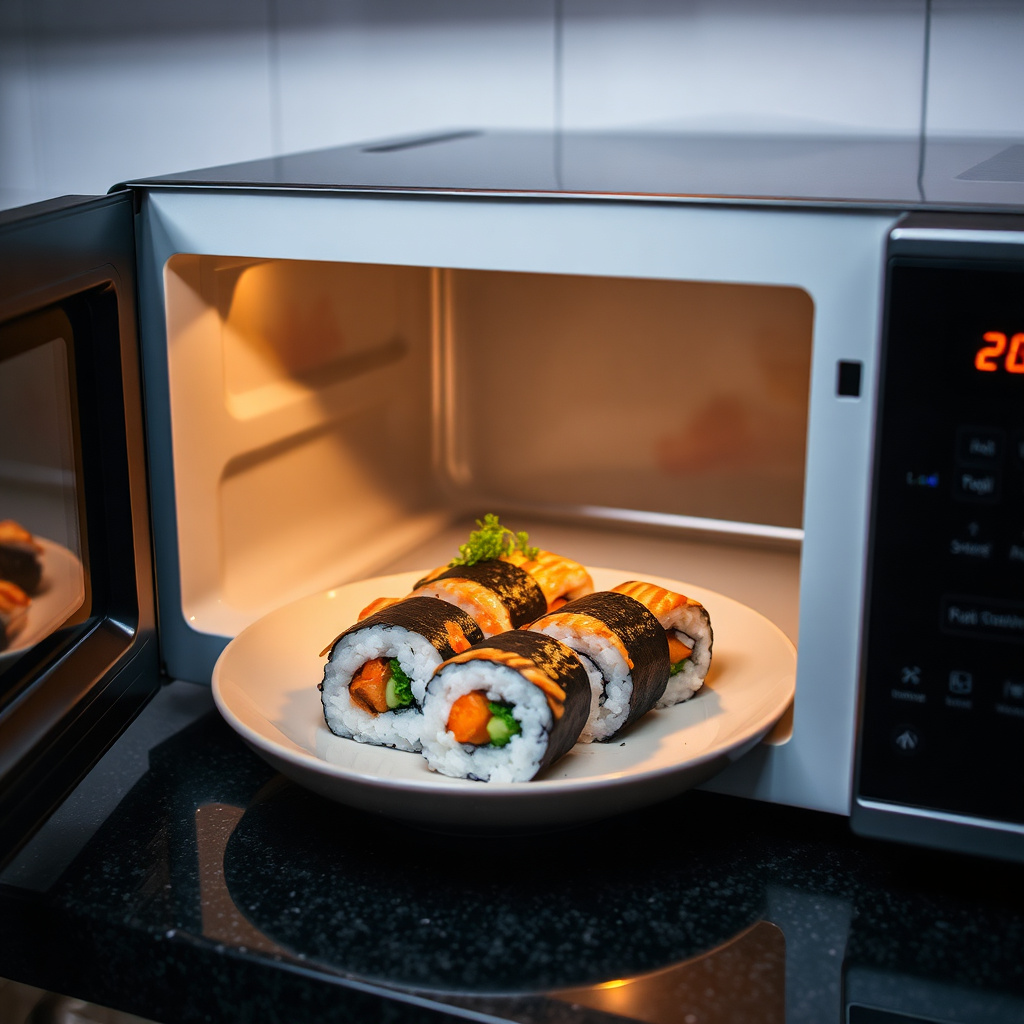
Is Reheating Sushi Safe?
Reheating raw sushi is not recommended, as heat can affect texture and flavor and does not improve safety for raw fish. Some cooked sushi can be reheated briefly, but care should be taken to avoid overheating.
Sushi rice tends to harden when refrigerated and reheated, so reheating may reduce overall quality even if safe.
For additional trustworthy guidance on sushi safety and storage, refer to the FDA’s detailed recommendations. Sushi preservation details on FDA official website.
Serving Sushi Leftovers Properly
When serving leftover sushi, check for spoilage signs and consume chilled or at room temperature within a short timeframe.
Avoid leaving sushi out on the table for more than two hours after reheating or taking it out from the fridge.
- Inspect leftovers for spoilage
- Consume promptly after serving
- Keep chilled as long as possible
Sushi Types and Their Fridge Storage Duration Comparison
This table summarizes the recommended refrigeration lifespan and freshness considerations for common sushi varieties.
| Sushi Type | Storage Duration (Refrigerator) | Texture Changes | Safety Notes |
|---|---|---|---|
| Raw Fish Sushi (Nigiri, Sashimi) | Up to 24 hours | Becomes mushy and opaque | Consume quickly to avoid spoilage risks |
| Cooked Sushi (Tempura, Eel Rolls) | Up to 48 hours | May dry but holds texture better | Safe if stored properly in airtight container |
| Vegetarian Sushi (Cucumber, Avocado Rolls) | Up to 48 hours | Can wilt or dry out | Lower risk but consume within two days |
| Spicy Tuna Rolls | Up to 24 hours | Fish and sauce separate | Extra care due to raw fish content |
| California Rolls (Cooked Crab) | Up to 48 hours | Rice hardens slightly | Longer shelf life due to cooked protein |
Frequently Asked Questions
Can I freeze sushi to extend its shelf life?
Freezing sushi is generally not recommended because freeze-thaw cycles damage the texture of rice and raw fish. It can cause mushiness and loss of flavor, so fresh sushi is best consumed within 24-48 hours refrigerated.
Is it safe to eat sushi left out overnight?
No, sushi left out at room temperature overnight is unsafe to eat. Bacteria multiply quickly at room temperature, increasing the risk of food poisoning.
How can I tell if sushi rice has gone bad?
Sushi rice spoiled shows signs like hardening, drying out, or slimy texture. It may also have a sour or off smell, which means it should be discarded.
Does soy sauce help preserve sushi?
Soy sauce does not preserve sushi or prevent spoilage. Although it adds salt and flavor, it cannot stop bacterial growth or extend storage life.
Can I eat leftover sushi the next day?
Leftover sushi can be eaten the next day if it has been properly refrigerated within two hours of serving and shows no spoilage signs, especially with raw fish sushi.
Key Takeaways
- Sushi lasts about 24 hours in the fridge when raw fish is involved.
- Cooked and vegetarian sushi can last up to 48 hours refrigerated.
- Store sushi in airtight containers at temperatures below 40°F (4°C).
- Discard sushi that shows any signs of spoilage or has been left out too long.
Conclusion
Deciding how long sushi lasts in the fridge involves understanding the perishability of its ingredients, especially raw fish, and the changes that occur to its texture and flavor over time. Since sushi is a delicate preparation, treating it as a highly perishable item helps avoid health risks. Refrigeration slows down spoilage but only for a limited window, typically 24 hours for raw fish sushi and up to 48 hours for cooked or vegetarian varieties. Key factors are maintaining proper temperature below 40°F (4°C), storing it airtight to preserve moisture, and recognizing spoilage signs before eating. These precautions collectively support safe consumption without sacrificing too much freshness.
For someone who enjoys sushi regularly, opting for fresh sushi from trusted sources guarantees the best experience. If leftovers are necessary, consuming raw fish types within one day maximizes safety, while cooked and vegetarian sushi provide a slightly longer buffer. Temporary refrigeration and proper packaging make a big difference in quality retention. It’s better to err on the side of caution: when in doubt, it’s wiser to discard questionable sushi to avoid potential foodborne illness.
Ultimately, the best practice is to plan sushi consumption within a day, store it correctly using airtight containers, and monitor freshness carefully. For those wanting to extend enjoyment, focusing on cooked or vegetarian sushi offers more flexibility. Always remember that the main keyword—how long does sushi last in the fridge—is tied to safety and taste, so using this knowledge as your guide will enrich your sushi dining with confidence. Consider trying different preparation styles that fit your storage needs and savor sushi safely.



One Comment