How Long Does Lo Mein Last in the Fridge? A Food Safety Guide
Lo mein leftovers typically last about 3 to 5 days in the fridge when stored properly in airtight containers. This window is ideal to enjoy the dish safely while maintaining its flavor and texture. Beyond this period, the risk of spoilage and foodborne illness increases.
Knowing how long lo mein lasts in the fridge matters because Chinese takeout dishes often contain a mix of proteins and sauces that can spoil faster if mishandled. Proper refrigeration slows bacterial growth, helping you avoid food waste and health risks from eating expired food.
This article covers how to store lo mein safely, signs it’s no longer good, reheating methods that preserve taste, and tips for extending freshness. You’ll also find comparison charts for various noodle dishes’ fridge lifespans and answers to common questions about leftover safety.
Understanding Lo Mein Shelf Life in the Fridge

Typical Storage Duration for Lo Mein
Lo mein usually stays good for 3 to 5 days when stored inside the refrigerator at or below 40°F (4°C). This timeframe relies on prompt refrigeration after eating and storing leftovers in airtight containers to minimize moisture loss and bacterial contamination.
If lo mein has been left out at room temperature for over 2 hours before refrigeration, it's safer to discard it, as bacteria can multiply quickly. Using clear containers and labeling with dates helps track how long leftovers have been stored.
- Store lo mein within 2 hours of cooking
- Use airtight containers
- Keep fridge temperature at or below 40°F (4°C)
- Consume within 3-5 days
Factors Affecting Lo Mein Freshness
Ingredients like cooked vegetables, meats, and sauces influence the shelf life. Proteins such as chicken or beef may spoil faster than vegetarian versions. Soy sauce’s salt content offers some preservative effect but does not eliminate spoilage risks.
Additionally, leftovers stored in large, shallow containers cool quicker and maintain freshness better than deep or full containers, which trap heat and slow cooling, accelerating microbial growth.
- Protein content variation
- Container type and size
- Timing before refrigeration
- Refrigerator temperature consistency
Safe Storage Practices for Lo Mein

Choosing the Right Containers
Glass or BPA-free plastic containers with tight-fitting lids help preserve moisture and prevent odor absorption from other foods. Avoid foil or plastic wrap alone, which can lead to drying out or contamination.
Portioning leftovers into smaller containers allows for quicker cooling and easier reheating, reducing the risk of spoilage with each use.
- Use airtight containers
- Avoid loose foil/plastic wrap
- Portion into smaller servings
- Label with storage date
Refrigerator Setup and Temperature Control
Keep your fridge temperature consistently at 40°F (4°C) or below to slow bacterial growth. Place lo mein containers on shelves rather than doors to ensure stable temperature exposure.
Check your refrigerator thermometer regularly to confirm settings and avoid risk zones between 40°F and 140°F where bacteria multiply rapidly.
- Maintain 40°F or below
- Store on fridge shelves, not door
- Use fridge thermometer
- Avoid frequent door opening
How to Tell if Lo Mein Has Gone Bad

Visual and Smell Indicators
Spoiled lo mein often develops mold spots, a slimy texture, or discoloration such as darkening or dulling of the noodles and vegetables. An off or sour odor is a strong sign that bacteria have grown beyond safe levels.
If you spot any of these signs, do not taste the food, as consuming spoiled leftovers risks food poisoning.
- Mold growth
- Slimy or sticky texture
- Discoloration
- Sour or off smell
Texture and Taste Changes
While texture softening can be a natural result of refrigeration, extreme sogginess or mushiness indicates the noodles have degraded. Taste may become sour or stale if fermentation has started.
If the lo mein tastes off or unusual after reheating, it is safer to discard it than risk illness.
- Excess sogginess
- Unpleasant sour taste
- Mushy vegetables or noodles
Reheating Lo Mein Safely to Maintain Quality

Microwave Reheating Tips
Use a microwave-safe container with a vented lid or cover the dish loosely with a microwave-safe wrap to prevent drying out. Stir halfway through to ensure even heating and cook until steaming hot all the way through, typically reaching 165°F (74°C).
Adding a few drops of water before reheating can help retain moisture and prevent the noodles from becoming too dry or chewy.
- Cover container loosely
- Stir midway
- Heat until 165°F (74°C)
- Add water to prevent drying
Stovetop Reheating Methods
Reheating lo mein in a skillet with a small amount of oil over medium heat can help restore some texture and flavor. Toss the noodles gently and heat until evenly warmed to safe consumption temperature.
Avoid overheating which can make noodles tough or cause sauces to separate. Keep the heat moderate and stir frequently.
- Use moderate heat
- Add oil or sauce if dry
- Stir gently
- Heat evenly until hot
Extending the Shelf Life of Lo Mein
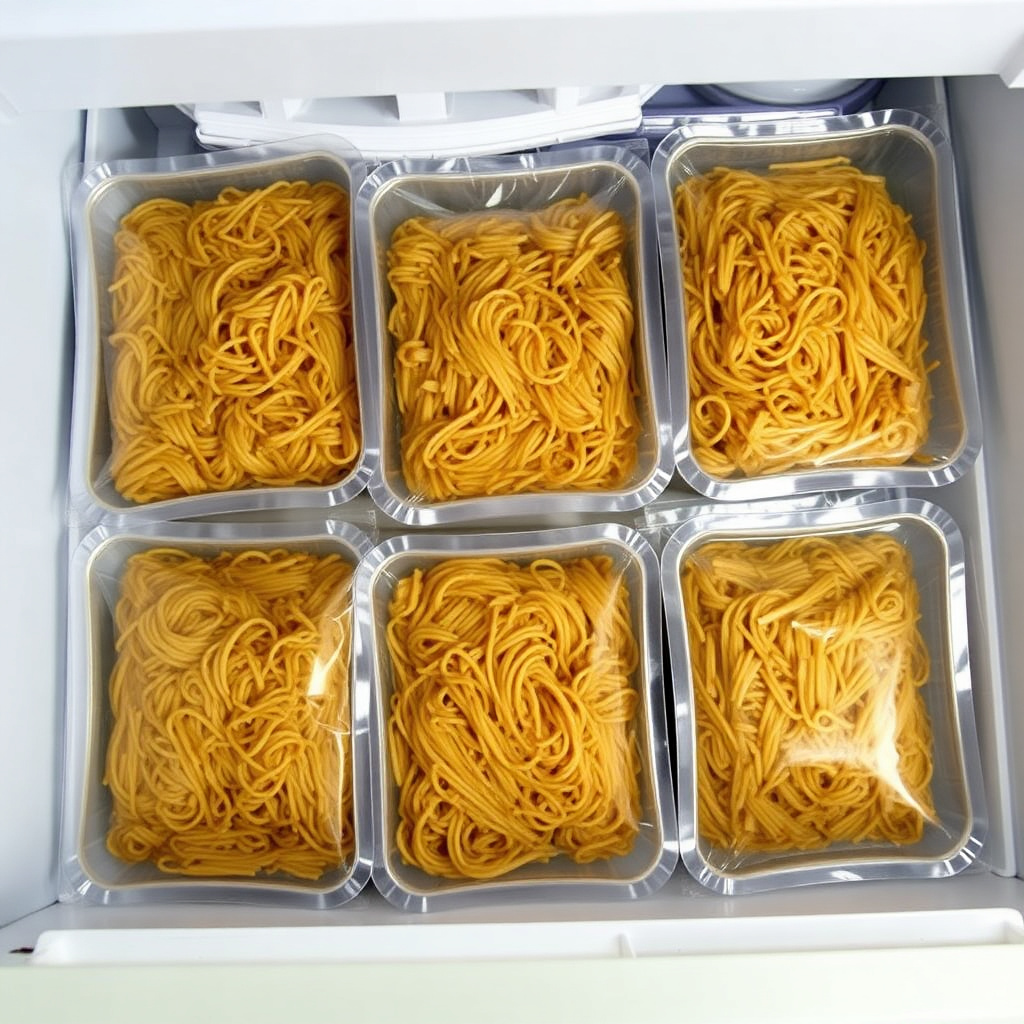
Freezing Lo Mein Leftovers
Freezing can extend lo mein’s shelf life up to 1 to 2 months. Use freezer-safe airtight containers or heavy-duty freezer bags to avoid freezer burn. Label with freezing date to track storage time precisely.
Allow lo mein to cool completely before freezing to prevent ice crystals and preserve texture. Defrost in the fridge overnight for best results before reheating.
- Use freezer-safe containers
- Cool before freezing
- Label with date
- Defrost in refrigerator overnight
Using Preservation Techniques
Adding fresh ingredients like scallions or a splash of soy sauce during reheating can improve flavor perception when consuming older leftovers. Avoid adding mayonnaise or mayonnaise-based sauces which spoil rapidly.
Regularly cleaning your refrigerator and avoiding cross-contamination helps maintain all food freshness, including lo mein.
- Add fresh herbs or sauces at reheating
- Avoid mayonnaise-based additions
- Maintain fridge cleanliness
- Prevent cross-contamination
Comparing Leftover Noodle Dishes for Refrigerator Longevity
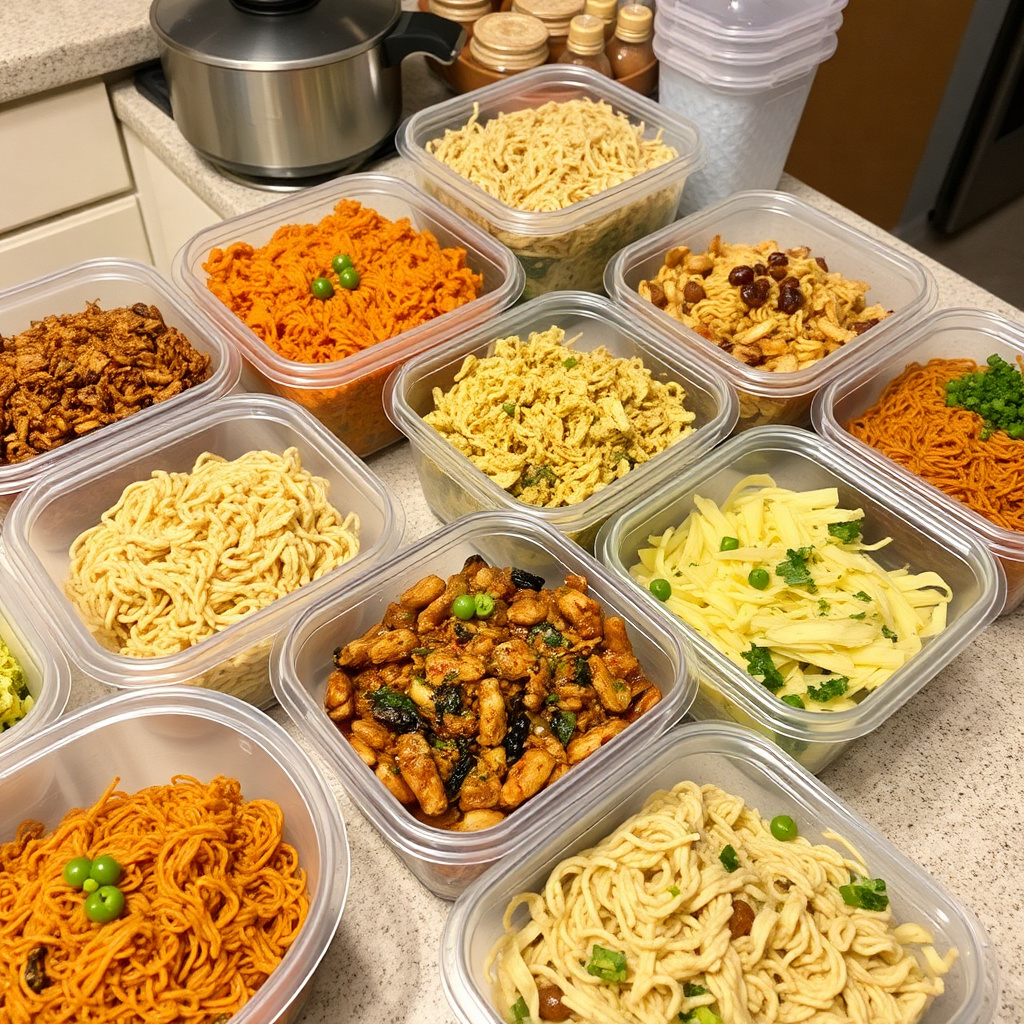
Lo Mein vs. Chow Mein Shelf Life
Lo mein tends to retain freshness for 3 to 5 days, similar to chow mein, though chow mein’s crispier texture may degrade faster in the fridge. Both should be stored in airtight containers and consumed quickly for best taste.
Sauce types and protein ingredients play a role in both dishes’ shelf lives but generally align closely when refrigerated properly.
- Lo mein: 3-5 days
- Chow mein: 3-5 days
- Texture differences affect freshness
- Proper storage key for both
For official advice on storing and consuming leftovers safely, consult the Food Safety guidelines on leftovers. Food Safety guidelines on leftovers.
Cold Noodle Salads vs. Warm Lo Mein
Cold noodle salads with vinaigrette dressings can last slightly longer (up to 5-7 days) in the fridge due to acidity, whereas warm lo mein with thick sauces typically stays good for a shorter span.
Watch for wilting vegetables or soggy noodles in cold salads and ensure all components are refrigerated promptly to maximize lifespan.
- Cold noodle salads: 5-7 days
- Warm lo mein: 3-5 days
- Acidity extends cold salad life
- Freshness depends on ingredients
Lo Mein and Similar Noodle Dishes Fridge Storage Comparison
Here’s a quick comparison of how long different noodle dishes last when stored in the refrigerator:
| Noodle Dish | Typical Fridge Storage | Ideal Storage Container | Texture After Refrigeration |
|---|---|---|---|
| Lo Mein | 3-5 days | Airtight plastic or glass containers | Softens but retains flavor |
| Chow Mein | 3-5 days | Airtight containers | Loses crispness, becomes softer |
| Cold Noodle Salad | 5-7 days | Sealed containers | May wilt, but noodles stay firm |
| Pad Thai | 3-4 days | Airtight containers | Sauces thicken; noodles soften |
| Spaghetti with Sauce | 3-5 days | Airtight containers | Maintains texture well |
Frequently Asked Questions
Can I eat lo mein that’s been in the fridge for a week?
Consuming lo mein after seven days in the fridge is risky as bacterial growth increases. It is safer to discard leftovers kept beyond 5 days to avoid foodborne illness.
How should I reheat lo mein to keep it tasty?
Reheat lo mein covered in the microwave with occasional stirring or warm it in a skillet over medium heat with a little oil for best texture and flavor.
Is it safe to freeze lo mein for later?
Yes, freezing lo mein can extend its shelf life up to 1-2 months. Use freezer-safe containers and thaw it in the fridge before reheating.
Does the type of protein in lo mein affect how long it lasts in the fridge?
Yes, lo mein with seafood or chicken may spoil faster than vegetarian versions. Proteins with higher perishability shorten the safe storage time.
What signs indicate lo mein has spoiled?
Look for mold growth, bad odors, slimy or mushy texture, and discoloration. Any of these signs mean the lo mein should be discarded immediately.
Key Takeaways
- Lo mein lasts safely 3-5 days in the fridge when stored properly.
- Use airtight containers and refrigerate within 2 hours of cooking.
- Spoiled lo mein shows mold, sour smell, and slimy texture.
- Freezing extends lo mein freshness up to 2 months.
Conclusion
Balancing safety and flavor is essential when storing lo mein in the fridge. Recognizing the 3-5 day storage window gives a clear guideline to avoid health risks while enjoying leftovers. Careful refrigeration right after eating and using appropriate containers slows bacterial growth and maintains the dish's texture and taste. Paying attention to spoilage signs like off odors and slime helps prevent consuming unsafe food, which can cause illness.
If you often have leftover lo mein, consider freezing portions you won’t consume soon. This extends safe storage to 1-2 months without sacrificing too much quality. For frequent reheating, use microwave-safe containers or warm gently on the stove for best results. Comparing lo mein to similar dishes like chow mein or cold noodle salads shows how ingredient differences influence storage life, highlighting lo mein’s standard 3-5 day fridge duration as a reliable guideline.
To make the most of your lo mein leftovers, label storage dates, maintain consistent fridge temperatures, and portion leftovers quickly after cooking. When in doubt about freshness, it’s better to discard than risk food poisoning. With these practical tips rooted in food safety principles and storage best practices, you can enjoy lo mein leftovers confidently and deliciously.


One Comment