What Is Eel Sauce? Understanding This Essential Japanese Condiment
Eel sauce is a sweet and savory glaze commonly used in Japanese cuisine, especially on grilled eel dishes known as unagi. It is made from soy sauce, mirin, sugar, and sometimes sake, cooked down into a thick, syrupy consistency that adds rich flavor to many dishes. This sauce is not only limited to eel but also enhances sushi rolls, grilled meats, and vegetables.
Understanding eel sauce matters because it plays a significant role in traditional Japanese dining, offering a balance of sweetness and umami that complements delicate flavors. Its appealing glossy texture and caramelized notes transform simple dishes into well-rounded culinary experiences that many diners seek when eating Japanese food.
This article will cover what eel sauce is, its typical ingredients, how it is made, variations like unagi sauce, and practical uses in cooking. We'll also explore comparisons to similar condiments and answer frequently asked questions to help you appreciate and even prepare this delicious sauce at home.
What Is Eel Sauce and How Is It Made?

Ingredients That Define Eel Sauce
The foundation of eel sauce usually consists of soy sauce, mirin (a sweet rice wine), sugar, and sometimes sake. Each component contributes to the sauce’s balance: soy sauce adds saltiness and depth, mirin and sugar provide sweetness, and sake introduces subtle acidity and complexity. Together these ingredients form a glossy, thick sauce that clings well to food.
Some recipes vary slightly, adding ingredients like honey or oyster sauce, but the traditional combination remains consistent in most Japanese kitchens. Modifications depend on the desired sweetness or thickness, but soy sauce and mirin always remain the key base.
Traditional Cooking Process
Making eel sauce involves simmering the ingredients over low heat until the mixture reduces and thickens to a syrupy glaze. The process requires stirring to prevent burning and often takes about 10 to 15 minutes. It’s essential to control heat precisely for the perfect consistency.
Once thickened, the sauce cools and can be stored refrigerated for several weeks. The rich caramelization complements eel's natural flavor, enhancing rather than overpowering it.
- Start with soy sauce, mirin, sugar, and optional sake
- Simmer and stir gently over low heat
- Reduce to desired thickness before cooling
Eel Sauce vs. Unagi Sauce

Understanding the Terms
Eel sauce and unagi sauce are terms often used interchangeably but can differ slightly depending on the recipe and region. Both are commonly used in Japanese cuisine to glaze grilled eel, but unagi sauce sometimes refers to versions with a richer or more concentrated flavor geared specifically for unagi dishes.
Eel sauce is a broader term encompassing sauces used on various seafood and sushi rolls, while unagi sauce typically emphasizes the traditional sweet-savory sauce applied directly to grilled eel fillets.
Flavor and Usage Differences
Unagi sauce tends to be thicker and sweeter to stand up to the smoky, grilled flavor of eel. It’s generally brushed on during the cooking process and served as a finishing glaze. Eel sauce variations might be lighter or less sweet to complement other dishes without overshadowing their fresh flavors.
While both sauces enhance sushi rolls and seafood dishes, understanding these subtle differences helps chefs and home cooks select the best option for each recipe.
- Unagi sauce: thicker, sweeter, traditional glaze for grilled eel
- Eel sauce: broader term, sometimes lighter, for various dishes
Common Uses of Eel Sauce in Cooking

Traditional and Sushi Applications
Eel sauce is most famously used on unagi kabayaki, grilled eel fillets glazed with the sauce during cooking for a rich umami finish. Sushi chefs also drizzle eel sauce over rolls like dragon roll or eel avocado roll, providing a sweet complement to rice and seafood.
Its versatility makes it a popular topping beyond eel, enhancing the flavor profile of various nigiri, maki, and temaki sushi varieties.
- Unagi kabayaki (grilled eel)
- Dragon roll and eel avocado sushi rolls
- Nigiri and maki sushi toppings
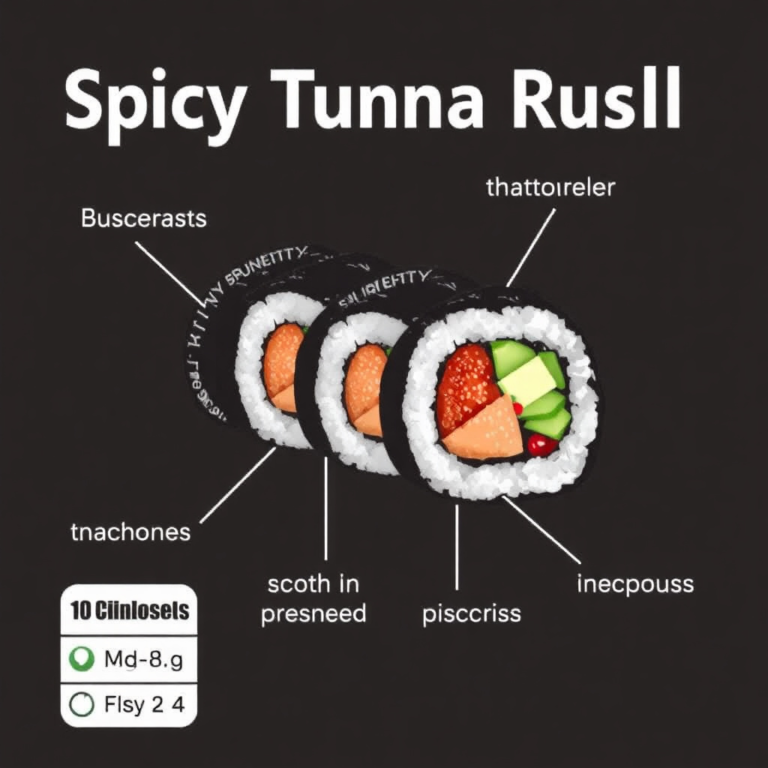
For more on this, see our related guide: What Is a Spicy Tuna Roll? A Clear Guide to This Popular Sushi Dish.
Creative Culinary Uses
Beyond traditional dishes, eel sauce functions well as a glaze or dipping sauce for grilled meats and vegetables. Chefs sometimes use it to dress salads or drizzle over rice bowls for added sweetness and umami.
The sauce’s sticky texture and rich flavor can replace more common sauces in Asian fusion recipes, adding a unique twist.
- Glaze for grilled chicken or pork
- Dressing for vegetable dishes or salads
- Drizzle over rice or noodle bowls
How to Make Your Own Eel Sauce at Home

Simple Homemade Recipe
Creating eel sauce at home is straightforward with basic pantry ingredients: soy sauce, mirin, sugar, and optionally sake. Combine these in a small pan, bring to a gentle simmer, and stir until thickened. Cooling the sauce will reveal the characteristic glossy texture that clings perfectly to food.
Home preparation allows control over sweetness and thickness, making it easy to customize to taste preferences or dish requirements.
- Use 1/2 cup soy sauce
- Add 1/2 cup mirin
- Mix 1/4 cup sugar
- Optional: splash of sake
- Simmer and stir until thick
Tips for Perfect Consistency
To get the right thickness, reduce the sauce slowly over medium-low heat, watching closely to avoid burning. If the sauce becomes too thick after cooling, thin it with a splash of water or mirin. Conversely, if too thin, simmer longer until desired glaze consistency is achieved.
Storing the sauce in a sealed container in the refrigerator preserves flavor and texture for weeks, making it a handy addition to many dishes.
Nutritional Profile and Dietary Considerations

Calories and Ingredients Impact
Eel sauce is relatively high in sugar and sodium due to its soy sauce and sugar base, making it calorie-dense. A typical serving of one tablespoon contains around 35-50 calories, mostly from sugars. Consumers watching sodium intake should use it sparingly or seek low-sodium soy sauce alternatives.
Despite the sugar, eel sauce does not contain fat or cholesterol, and its ingredients are generally gluten-based unless gluten-free soy sauce is used.
- High in sugar and sodium
- Calorie count around 35-50 per tablespoon
- No fat or cholesterol
- Gluten present unless using gluten-free soy sauce
For more on this, see our related guide: What Is a Dragon Roll? A Complete Guide to This Popular Sushi Roll.
Dietary and Allergen Notes
People with soy allergies need to avoid traditional eel sauce. Gluten-sensitive individuals should select tamari or gluten-free soy sauce when making homemade eel sauce. The marinade may also contain alcohol from mirin and sake, which can be omitted or substituted during preparation for alcohol-free versions.
Eel sauce suits many diets if appropriately modified, but reading ingredient labels or making custom versions ensures compatibility with dietary needs.
- Avoid with soy allergy
- Use gluten-free soy sauce for gluten sensitivity
- Alcohol-free versions possible by omitting mirin/sake
Storing and Serving Eel Sauce

Proper Storage Techniques
Eel sauce should be stored in an airtight container in the refrigerator and can last three to four weeks. Because it contains sugar, it may crystallize or thicken over time. Gently warming or stirring before use can return it to the right consistency.
Avoid contamination by always using clean utensils when serving and discard any sauce showing signs of spoilage, such as off smell or mold.
- Keep refrigerated in airtight container
- Lasts up to 4 weeks
- Warm gently before use if thickened
For more detailed information on unagi and its associated sauce, visit the eel sauce information on Wikipedia. Eel sauce information on Wikipedia.
Serving Suggestions
Eel sauce is typically drizzled over grilled eel and sushi rolls but also pairs well with steamed rice, vegetables, and grilled seafood. For a polished presentation, lightly brush the sauce on during cooking or finish with a small drizzle before serving.
Balancing the quantity used is key; a little sauce enhances flavor without overwhelming the dish.
- Drizzle over sushi and grilled eel
- Brush on grilled meats during cooking
- Add as finishing touch to rice and veggies
Eel Sauce Variants Category Comparison
This table compares different eel sauce types and related sauces based on sweetness, thickness, typical uses, and ingredients.
| Sauce Type | Sweetness Level | Thickness | Typical Use | Primary Ingredients |
|---|---|---|---|---|
| Traditional Eel Sauce | Medium-sweet | Thick glaze | Grilled eel, sushi | Soy sauce, mirin, sugar, sake |
| Unagi Sauce | High sweetness | Thicker glaze | Unagi kabayaki (grilled eel) | Soy sauce, mirin, sugar |
| Light Eel Sauce | Mild sweetness | Thin | Dishes needing subtle glaze | Soy sauce, mirin, less sugar |
| Alcohol-free Eel Sauce | Medium-sweet | Medium | Allergies or preferences | Soy sauce, sugar, mirin substitute |
| Store-bought Eel Sauce | Varies | Varies | Convenient use | Commercial soy sauce, sweeteners, thickeners |
Frequently Asked Questions
Is eel sauce made from actual eel?
No, eel sauce does not contain eel. It is a sweet and savory sauce made primarily from soy sauce, mirin, sugar, and sometimes sake, used as a glaze or condiment for eel dishes and others.
Can I use eel sauce on non-eel dishes?
Yes, eel sauce is versatile and commonly used on sushi rolls, grilled meats, vegetables, and rice bowls, adding a sweet umami flavor and glossy finish.
How long does homemade eel sauce keep?
When stored in an airtight container in the refrigerator, homemade eel sauce can last for about three to four weeks without losing flavor or texture.
Is eel sauce gluten-free?
Traditional eel sauce usually contains soy sauce made from wheat, so it is not gluten-free. To make it gluten-free, substitute soy sauce with tamari or another gluten-free soy sauce alternative.
What substitutes can replace eel sauce if unavailable?
A mix of soy sauce with a small amount of sugar or honey and mirin can approximate eel sauce’s flavor. Commercial teriyaki sauce can also be a fallback, though it’s less sweet.
Key Takeaways
- Eel sauce is a sweet, savory glaze made mainly from soy sauce, mirin, and sugar.
- It is essential in Japanese cuisine, especially for grilled eel (unagi) and sushi dishes.
- There are variations like unagi sauce that are thicker and sweeter for specific uses.
- Making eel sauce at home allows easy customization of sweetness and thickness.
Conclusion
Understanding what eel sauce is reveals its importance in Japanese culinary tradition, providing a distinctive balance of sweet and savory that enhances the flavor of dishes such as grilled unagi and sushi rolls. When deciding whether to use eel sauce, consider the sauce’s flavor profile and how it complements your dish. Its rich umami and syrupy texture make it a unique condiment that can elevate meals without overwhelming delicate ingredients. Knowing the key ingredients like soy sauce, mirin, and sugar, and how they work together helps in appreciating the sauce’s role and making informed decisions about using or preparing it.
If you want to try eel sauce yourself, start with the traditional recipe combining soy sauce, mirin, sugar, and optionally sake, simmered until thickened. For fans of grilled eel, unagi sauce offers a richer, sweeter glaze that ties perfectly with smoky flavors. Alternatively, store-bought eel sauce can be handy but varies in sweetness and thickness. Those with dietary restrictions can make gluten-free or alcohol-free versions by switching ingredients as needed. Additionally, experimenting by drizzling eel sauce on vegetable or meat dishes broadens its practical use beyond traditional sushi and eel dishes.
For a practical next step, try making eel sauce at home to control flavor and quality. Use it to enhance homemade sushi rolls or brush it on grilled fish or chicken for a tasty finish. After enjoying the distinct taste and texture, exploring related sauces like unagi sauce or teriyaki can deepen your cooking repertoire. Trying out different applications and recipes will reveal how versatile and flavorful eel sauce can be in everyday cooking.



2 Comments