How to Cook Bok Choy: Simple Techniques for Perfect Results
Cooking bok choy is quick and straightforward, often taking just a few minutes to achieve tender, crisp results. The most direct answer on how to cook bok choy is to either sauté, steam, or blanch it, depending on your texture preference and recipe. These methods allow bok choy’s mild, slightly peppery flavor and crunchy stems to shine.
Bok choy is a versatile vegetable frequently used in Asian cuisine, prized for its ability to absorb flavors while maintaining a satisfying crunch. Cooking it correctly preserves its bright color, nutrition, and texture, making it a delicious side dish or ingredient in stir-fries, soups, and salads.
This article will cover step-by-step methods to cook bok choy, including cleaning, chopping, and various cooking techniques like sautéing, steaming, and roasting. You'll also find tips on seasoning and pairing bok choy to complement your meals perfectly.
Preparing Bok Choy for Cooking

Cleaning and Trimming Bok Choy
Thoroughly washing bok choy is essential to remove dirt trapped between the stalks. Separate the leaves and rinse under cold running water, paying close attention to the base where soil often collects. For baby bok choy, wiping the surface may suffice if soil is minimal.
Trim any discolored or damaged leaves, then cut off the tough root end if needed. Depending on your recipe, chop bok choy into bite-sized pieces or keep the stalks whole. Preparing it properly ensures even cooking and better flavor absorption.
- Separate leaves for better cleaning
- Use cold water to avoid bruising
- Trim root ends and damaged leaves
Choosing Between Baby and Regular Bok Choy
Baby bok choy tends to be more tender with thinner stalks and can cook faster, making it ideal for quick sautés and steaming. Regular bok choy has thicker stalks providing a crunchier texture better suited for grilling or roasting.
Your choice depends on cooking time and texture preference. Both types are nutritious, but baby bok choy generally requires less prep and cooks in under five minutes, while regular bok choy might need a slightly longer cooking time.
Sautéing Bok Choy: A Quick Cooking Method

Step-by-Step Sautéed Bok Choy
Heat a tablespoon of oil in a skillet over medium-high heat. Add minced garlic or ginger if desired, and sauté until fragrant. Toss in chopped bok choy stems first since they take longer to cook, stir-frying for about 2-3 minutes.
Add the leaves last because they wilt quickly, cooking for another minute. Season with salt, pepper, and a splash of soy sauce or sesame oil. The result is tender stems with crisp leaves, ideal as a quick side dish or stir-fry base.
- Use medium-high heat for quick cooking
- Add stems before leaves to cook evenly
- Finish with soy sauce or sesame oil
For more on this, see our related guide: What is Bok Choy? A Complete Guide to This Popular Asian Vegetable.
Seasoning Variations for Sautéed Bok Choy
Besides classic garlic and soy, try adding chili flakes for heat, oyster sauce for umami, or a squeeze of lemon for brightness. Toasted sesame seeds add texture and flavor depth.
These seasoning alternatives can transform basic bok choy into a versatile component in various cuisines, balancing taste and aroma without overpowering its natural freshness.
- Chili flakes for spice
- Oyster sauce for umami richness
- Lemon juice for acidity
- Toasted sesame seeds for texture
Steaming and Blanching Bok Choy for Delicate Flavor
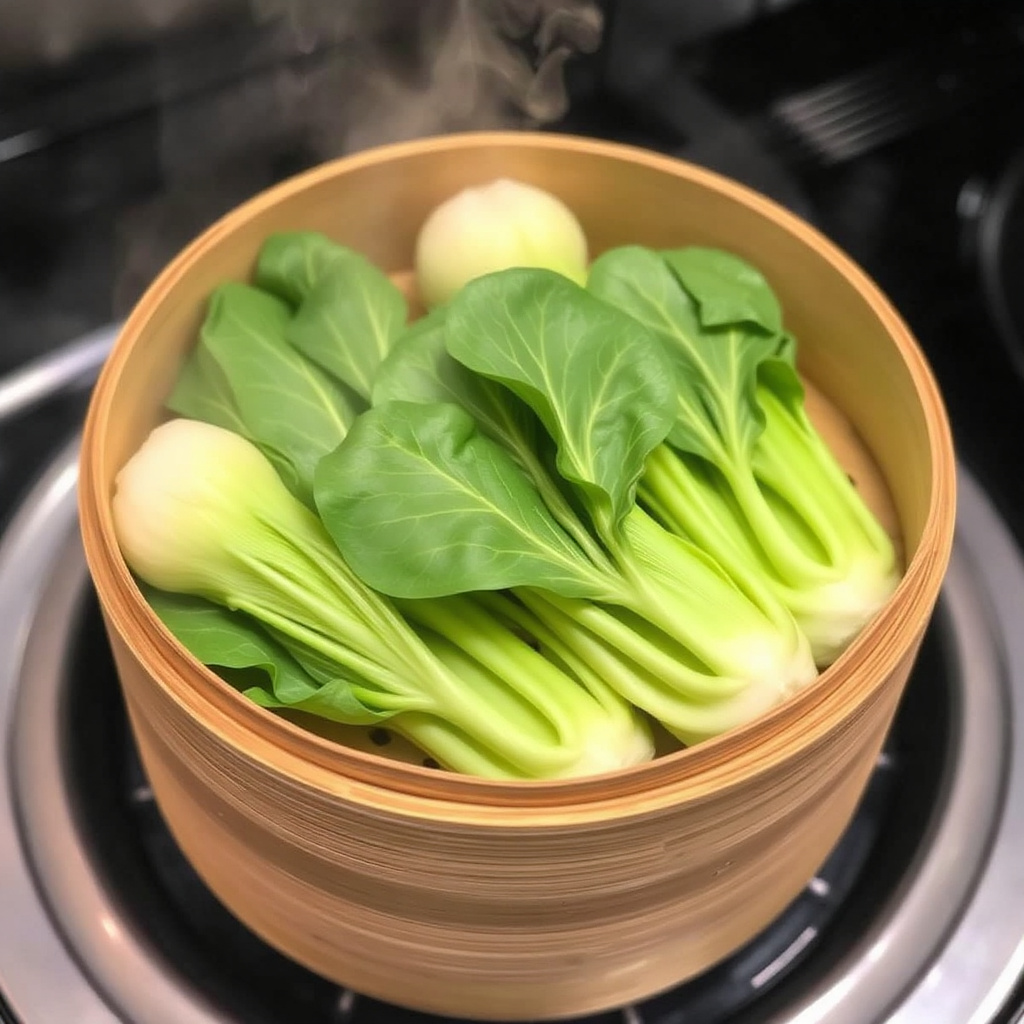
How to Steam Bok Choy Correctly
Place cleaned bok choy in a steamer basket above boiling water, cover, and steam for about 4-6 minutes depending on size. This method preserves nutrients, color, and the vegetable’s subtle sweetness.
Once steamed, drizzle with a light sauce made of soy, sesame oil, or ginger dressing. Steamed bok choy makes a tender, healthy side dish when you want something gentle on the palate.
- Steam over boiling water for 4-6 minutes
- Use a lid to keep steam in
- Serve with light sauces
Blanching Bok Choy for Crisp-Tender Texture
Blanching involves briefly boiling bok choy for 1-2 minutes then plunging it immediately into ice water to stop cooking. This locks in a vibrant green color and keeps the stalks crisp-tender.
Blanched bok choy works well in salads, cold noodle dishes, or as a precursor to further cooking. It’s a versatile method to control the vegetable’s texture precisely.
- Boil for 1-2 minutes
- Immediately cool in ice water
- Retains bright color and crunch
Roasting and Grilling Bok Choy for Robust Flavor

Roasting Bok Choy in the Oven
Cut bok choy in halves or quarters lengthwise and toss with oil, salt, and pepper. Roast in a preheated oven at 425°F (220°C) for 10-15 minutes until edges char slightly and stalks soften but retain crunch.
Roasting caramelizes natural sugars for a deeper, richer flavor profile. It pairs well with bold seasonings like garlic powder or smoked paprika.
- Preheat oven to 425°F
- Roast 10-15 minutes
- Leaves should char lightly
For more on this, see our related guide: How to Make Gyoza: A Step-by-Step Guide to Perfect Japanese Dumplings.
Grilling for Smoky Bok Choy
Apply oil and seasoning to bok choy halves before placing on a hot grill. Cook for 2-3 minutes per side, enough to get grill marks and smoky taste while keeping the vegetable crisp.
Grilled bok choy adds a unique dimension to barbecues and outdoor meals, excellent with a drizzle of soy glaze or chili sauce.
- Grill on medium-high heat
- 2-3 minutes per side
- Finish with flavorful sauces
Using Bok Choy in Recipes

Incorporating Bok Choy into Stir-Fries
Bok choy complements a variety of ingredients in stir-fries due to its mild flavor and crunchy texture. Add it near the end of cooking to maintain some crispness, balancing thicker vegetables or proteins.
It absorbs sauces well, making it a great partner with ginger, garlic, soy sauce, and chili, enhancing the overall dish while adding freshness and nutrients.
For additional information on bok choy, including its varieties and culinary uses, you can visit this comprehensive page on bok choy cooking techniques. bok choy cooking techniques.
Adding Bok Choy to Soups and Stews
Bok choy’s tender leaves and crunchy stalks provide texture contrast in soups, especially Asian-style broths like miso, wonton, or hot and sour soups. Add it in the last 5 minutes of cooking to avoid over-softening.
It enriches flavor with subtle sweetness and makes the broth more nutritious, contributing fiber, vitamins, and minerals.
Cooking Methods for Bok Choy: A Category Comparison
Here’s a quick rundown comparing popular methods to cook bok choy based on time, flavor, texture, and typical uses.
| Method | Cooking Time | Flavor Impact | Texture Outcome | Best Use |
|---|---|---|---|---|
| Sautéing | 5-7 minutes | Mild, enhanced by seasonings | Crisp stems, tender leaves | Stir-fries and quick sides |
| Steaming | 4-6 minutes | Delicate, natural sweetness | Tender, moist | Healthy side dishes |
| Blanching | 2-3 minutes | Fresh, slightly sweet | Crisp-tender | Salads, prep for other cooking |
| Roasting | 10-15 minutes | Caramelized, richer | Tender stalks with crisp edges | Bold-flavored sides |
| Grilling | 4-6 minutes | Smoky and charred | Crisp with grill marks | Barbecue and smoky dishes |
Frequently Asked Questions
How long should I cook bok choy?
Cooking times vary with the method; sautéing takes about 5 minutes, steaming 4-6 minutes, and roasting 10-15 minutes. Aim for crisp-tender texture without overcooking.
Can I eat bok choy raw?
Yes, baby bok choy leaves and stems can be eaten raw and are often used in salads or slaws because of their mild flavor and crisp texture.
What is the best way to preserve bok choy’s nutrients?
Steaming and blanching retain most nutrients since these methods cook bok choy quickly and use minimal water, reducing nutrient loss compared to boiling.
How should I store bok choy to keep it fresh?
Store bok choy unwashed in a plastic bag in the vegetable drawer of your refrigerator. It stays fresh for about 3-5 days.
Can I freeze bok choy after cooking?
You can freeze blanched bok choy, as blanching stops enzyme activity. Fully cooked bok choy can be frozen but may lose some texture upon thawing.
Key Takeaways
- Bok choy cooks quickly and suits methods like sautéing, steaming, or roasting.
- Proper cleaning and trimming are essential for best flavor and texture.
- Choose baby or regular bok choy based on texture preference and cooking time.
- Steaming and blanching preserve nutrients, while roasting and grilling add rich flavor.
Conclusion
Deciding how to cook bok choy largely depends on the texture and flavor you want. Cooking methods like sautéing or steaming offer quick, nutrient-friendly options with a tender finish. If you prefer a smoky or caramelized taste, roasting or grilling are excellent choices. Whichever method you select, preparing bok choy properly and keeping cooking times short preserves its natural crunch and vibrant color, allowing this versatile vegetable to be the star or complement in your meal.
For those looking to incorporate bok choy regularly, sautéed bok choy works well for busy weeknight dinners, offering a fast but flavorful side dish. Steaming is ideal when prioritizing nutrition and subtle taste, perfect alongside simple proteins like fish or chicken. Roasting and grilling provide a smoky twist great for weekend meals or outdoor cooking. When adding bok choy to soups and stir-fries, timing matters to keep the perfect balance between crispness and softness.
If you are new to cooking bok choy, start with sautéing or steaming to familiarize yourself with its texture and mild flavor. Experiment with different seasonings like garlic, soy sauce, or chili flakes to find your preferred style. With just basic kitchen tools and these straightforward techniques, you can easily add bok choy to your diet for its flavor, nutrients, and versatility.




One Comment