How to Cook Jasmine Rice Perfectly Every Time
Cooking jasmine rice perfectly means getting fluffy, aromatic grains without being mushy or undercooked. Start by rinsing the rice in cold water until the water runs clear to remove excess starch. Then use a precise water-to-rice ratio—typically 1.5 cups of water per 1 cup of jasmine rice—and cook it over low heat with the lid on until the water is fully absorbed.
Jasmine rice's delicate floral aroma and soft texture make it a favorite in many Asian dishes, but its unique qualities require proper technique to highlight its flavor and avoid common pitfalls like sogginess. The way you measure, rinse, and time the cooking greatly affects the final texture.
This guide covers all aspects of cooking jasmine rice: from selecting the right rice and choosing water ratios, to traditional stovetop methods, using rice cookers, and tips for keeping your rice fluffy and flavorful every time.
Choosing and Preparing Jasmine Rice

Selecting Quality Jasmine Rice
Look for authentic Thai jasmine rice labeled as fragrant jasmine rice, which has a natural floral scent and soft texture. Avoid broken grains or rice with dull color, as freshness impacts cooking quality and taste.
Packaging dates and proper storage also matter. Store rice in airtight containers in cool, dry places to preserve aroma and prevent spoilage.
Rinsing to Remove Excess Starch
Rinsing jasmine rice is a crucial step to prevent sticky, clumped rice. Use cold water and gently swirl the rice with your hand, then drain and repeat until the water is clear.
This removes surface starch without stripping away the grains’ natural fragrance or texture.
- Use a fine mesh sieve or bowl for rinsing
- Rinse 2-4 times until water is mostly clear
- Handle grains gently to avoid breaking
Water Ratios and Soaking Techniques
Ideal Water-to-Rice Ratios
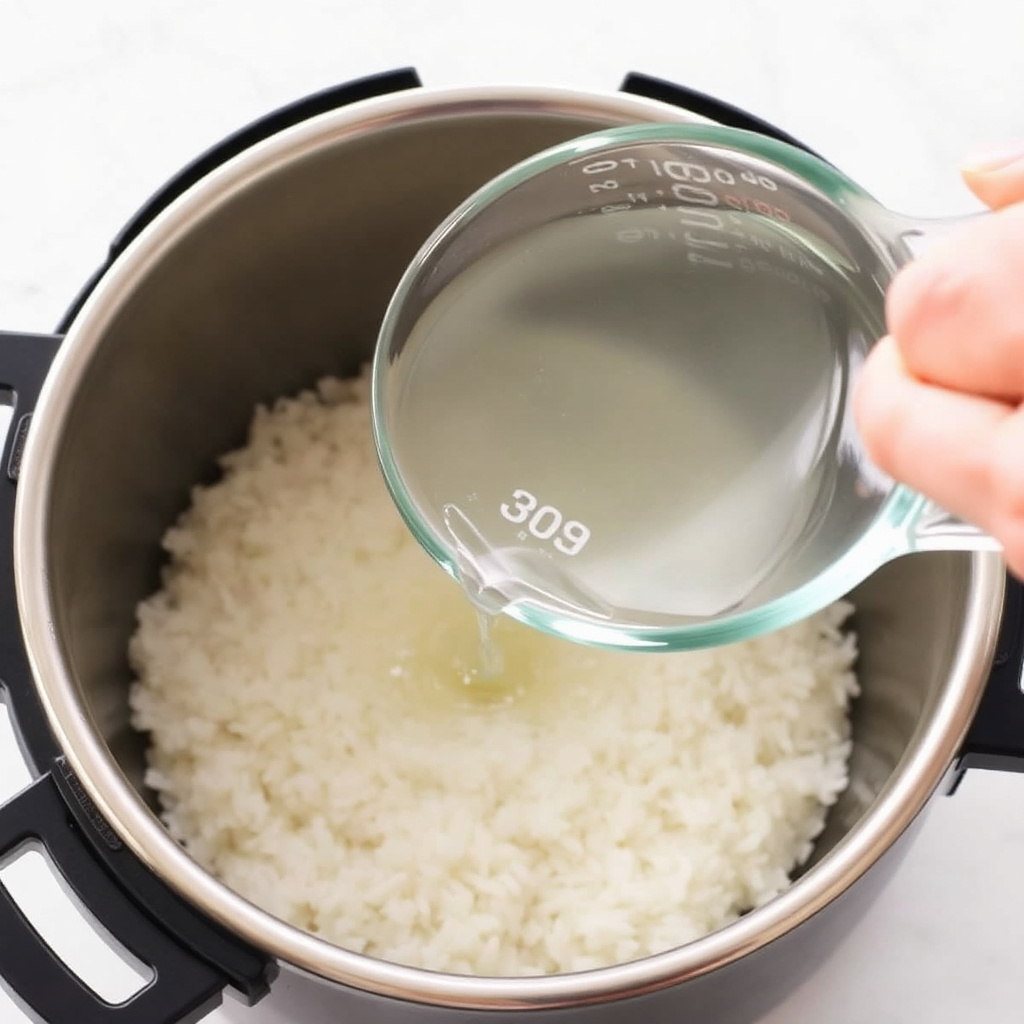
The most common ratio for stovetop jasmine rice cooking is 1.5 cups of water per 1 cup of uncooked rice. This provides enough moisture for perfect softness without making the rice mushy.
Adjustments may be needed depending on your pot type, stove heat, or whether the rice was soaked beforehand.
- 1:1½ for stovetop cooking
- 1:1¼ for rice cookers
- Slightly less water for soaked rice
Soaking for Better Texture
Soaking jasmine rice for 15-30 minutes before cooking hydrates grains evenly and shortens cook time. It also helps rice grains stay separate and less sticky.
After soaking, drain the rice well to maintain accurate water ratios during cooking.
- Use room temperature water
- Soak up to 30 minutes maximum
- Drain thoroughly before cooking
Stovetop Cooking Method for Jasmine Rice

Step-by-Step Stovetop Cooking
Add rinsed rice and measured water to a medium saucepan. Bring to a boil uncovered over medium heat, then immediately reduce heat to low and cover tightly with a lid.
Cook gently for 15 minutes without removing the lid. Afterward, turn off heat and let the rice steam for another 10 minutes before fluffing with a fork.
- Do not lift the lid while cooking
- Use a heavy-bottomed pot for even heat
- Fluff gently with a fork at the end
For more on this, see our related guide: How to Cook Sushi Rice Perfectly Every Time.
Common Stovetop Mistakes to Avoid
Avoid adding too much water, which causes soggy rice. Also, resist stirring during cooking; it breaks grains and creates mushy texture.
Using too high heat can burn the bottom, so keep the simmer low and steady throughout.
- Do not stir or open lid during cooking
- Keep heat low to avoid burning
- Measure water precisely
Using Rice Cookers and Instant Pots

Rice Cooker Instructions
Rice cookers simplify the cooking process. Add rinsed jasmine rice and water using the cooker’s internal markings or follow a 1:1¼ ratio. Close the lid and press the cook button.
The cooker automatically switches to keep-warm mode when done. Let rice rest inside for 10 minutes before opening.
- Use rinsed rice for best results
- Avoid opening lid during cooking
- Let rice rest after cooking
Cooking Jasmine Rice in an Instant Pot
In an electric pressure cooker, combine rinsed rice and water (1:1 ratio is usually best). Seal the lid and set to high pressure for 3-4 minutes, then naturally release pressure for 10 minutes.
This method yields fluffy, well-separated grains with minimal watch time.
- Use natural pressure release
- Avoid quick release to prevent clumping
- Use correct water ratios specific to Instant Pot
Tips for Serving and Storing Jasmine Rice

Keeping Rice Fluffy After Cooking
Fluff jasmine rice soon after cooking with a fork to separate grains. Avoid pressing or packing rice when serving, as this compresses the moisture and leads to clumping.
Serve warm or transfer to a covered container if delaying serving, to retain moisture and texture.
- Use a fork, not a spoon, for fluffing
- Avoid stacking rice tightly
- Keep covered to prevent drying out
For more on this, see our related guide: How to Make Sushi Rice: Step-by-Step Guide for Perfect Texture and Flavor.
Storing and Reheating Leftovers
Store leftover cooked jasmine rice in airtight containers in the refrigerator for up to 4 days. Reheat gently with a small splash of water, using a microwave or stovetop to restore softness.
Freezing is also an option for longer storage; thaw before reheating.
- Store in airtight containers
- Add moisture before reheating
- Use within 4 days refrigerated
Enhancing Jasmine Rice Flavor and Presentation

Flavoring Techniques
Add pandan leaves, lemongrass stalks, or a pinch of salt to the cooking water to subtly enhance jasmine rice’s natural aroma. Coconut milk can also replace part of the water for a rich, creamy flavor.
These simple additions transform the rice from a plain side to a fragrant dish.
- Add whole pandan leaves while cooking
- Use coconut milk for creamy texture
- Season lightly with salt or herbs
For a deeper understanding of jasmine rice origins and characteristics, visit the detailed jasmine rice page on Wikipedia. Jasmine rice details on Wikipedia.
Creative Serving Ideas
Serve jasmine rice topped with toasted sesame seeds, chopped fresh herbs like cilantro or basil, or mix with finely diced vegetables or nuts for texture contrast.
Presentation matters: using colorful bowls and garnishes can elevate a simple rice dish beautifully.
- Sprinkle toasted sesame or chopped nuts
- Garnish with fresh herbs
- Mix in sautéed vegetables
Jasmine Rice Cooking Methods Comparison
This table compares popular jasmine rice cooking methods, highlighting key features and suitability for different kitchen setups.
| Method | Water Ratio | Cook Time | Texture | Ease of Use |
|---|---|---|---|---|
| Stovetop | 1:1.5 | 25 minutes | Fluffy, slightly chewy | Moderate – watch heat carefully |
| Rice Cooker | 1:1.25 | Automatic (~20-30 minutes) | Consistent, fluffy | High – set and forget |
| Instant Pot | 1:1 | Pressure 3-4 min + release | Very fluffy, grain-separated | High – fast and hands-off |
| Microwave | 1:1.5 | 15-20 minutes | Variable, can be uneven | Easy but less reliable |
| Steaming (Soaked rice) | N/A | 30-40 minutes | Light and separate | Requires special equipment |
Frequently Asked Questions
Why should I rinse jasmine rice before cooking?
Rinsing jasmine rice removes surface starch that causes clumping and stickiness, ensuring the cooked rice is fluffy with separate grains.
Can I cook jasmine rice without soaking it first?
Yes, soaking is optional but recommended. Cooking without soaking works fine using correct water ratios, though soaking can improve texture and reduce cook time.
What is the best water-to-rice ratio for jasmine rice?
The standard is 1.5 cups of water per 1 cup of uncooked jasmine rice when cooking on the stovetop, which yields tender, fluffy rice.
How do I keep jasmine rice from sticking together after cooking?
Fluff the rice gently with a fork immediately after cooking, and avoid packing or pressing it when serving to keep grains separate.
Can I store cooked jasmine rice for later use?
Yes, store cooked jasmine rice in airtight containers in the refrigerator for up to 4 days or freeze for longer periods to maintain quality.
Key Takeaways
- Rinse jasmine rice well to remove excess starch for fluffy results
- Use a water-to-rice ratio of about 1.5:1 for stovetop cooking
- Rice cookers and Instant Pots simplify cooking and consistently deliver great texture
- Fluff cooked rice and store properly to maintain its fragrance and fluffiness
Conclusion
Mastering how to cook jasmine rice starts with understanding its unique characteristics: a delicate floral aroma and a soft but not sticky texture. Achieving perfect results depends on precise water ratios, rinsing, and controlled cooking times. Whether using a traditional stovetop method, a rice cooker, or an Instant Pot, following these steps will highlight jasmine rice’s natural scent and tenderness, making it a delightful base or accompaniment for many dishes.
For everyday cooking, using a rice cooker often offers the greatest convenience and consistency, especially when you use the best methods for cooking jasmine rice such as rinsing and adjusting water ratios slightly. If you prefer traditional stovetop cooking, maintaining low heat and not disturbing the rice while it simmers is key. Instant Pots provide a fast alternative with excellent fluffy texture, while soaking rice beforehand can enhance texture for steaming or stovetop techniques.
Try starting with the stovetop approach if you prefer simple techniques or use a rice cooker for more hands-off cooking. Incorporate flavor enhancements like pandan leaves or coconut milk to elevate your jasmine rice dishes further. Consistent results come from attentive preparation and respecting rice’s delicate nature—soon you’ll have perfectly cooked jasmine rice as a versatile foundation for diverse meals.