How to Cook Sushi Rice Perfectly Every Time
Cooking sushi rice requires precise steps to achieve the right texture and stickiness essential for making sushi. The key is rinsing the rice thoroughly, using the correct water-to-rice ratio, and seasoning it properly with rice vinegar, sugar, and salt after cooking.
Sushi rice is the foundation of great sushi, and its preparation directly affects the final dish’s quality. Cooking it well ensures the rice grains are tender but not mushy, with a subtle tangy flavor that complements fresh fish and other sushi ingredients wonderfully.
This article will guide you through every phase of cooking sushi rice, including rinsing, cooking techniques, seasoning, and cooling methods, plus tips for troubleshooting common problems and suggestions for equipment.
Preparing the Sushi Rice for Cooking
Rinsing the Rice Properly
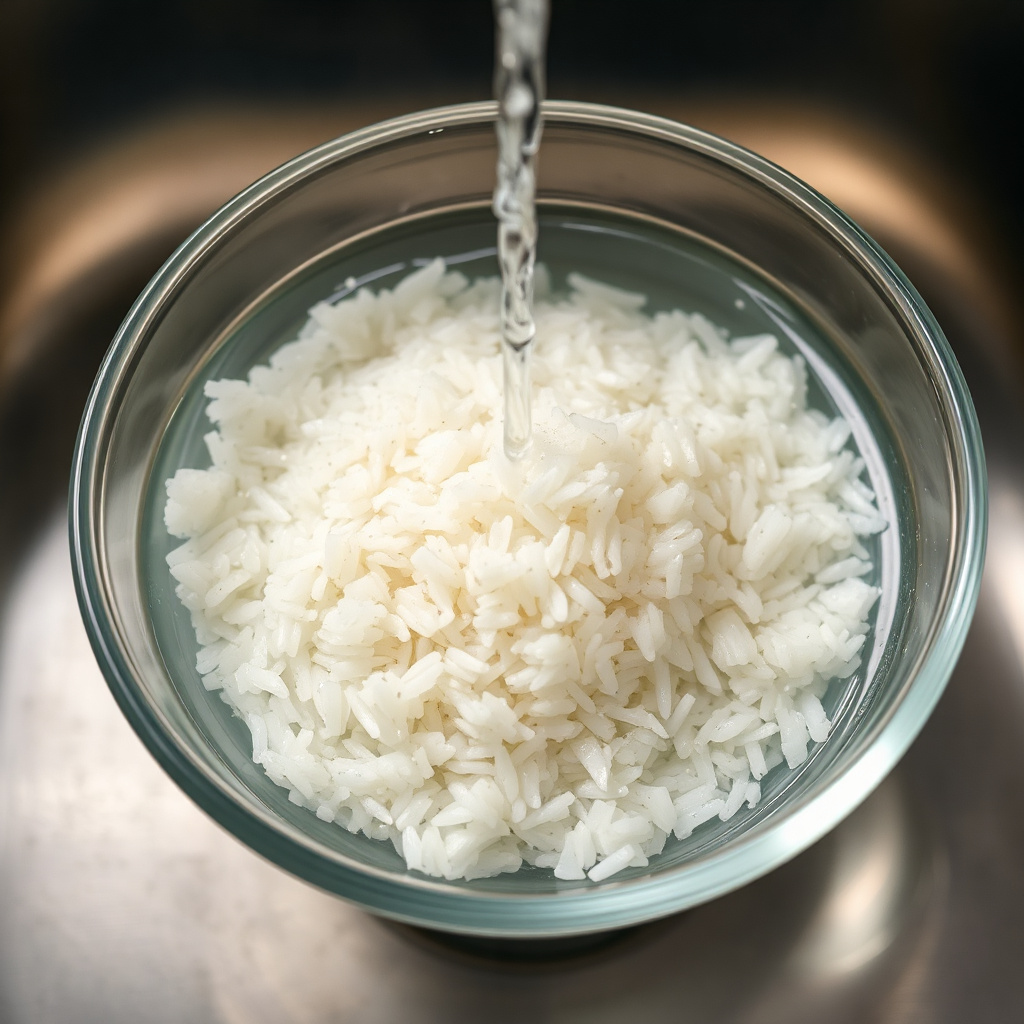
Rinsing sushi rice is essential to remove excess surface starch. Use cold water and gently swish the rice with your hand, changing the water several times until it runs clear. This process prevents rice from becoming overly sticky and gummy after cooking.
Avoid aggressive rubbing or soaking the rice for too long, which can cause grains to break down and cook unevenly.
- Use cold water
- Swish gently without rubbing
- Change water until clear
Measuring Water and Rice
Use a 1:1.2 to 1:1.3 ratio of rice to water for sushi rice. This slight excess helps the grains cook fully without drying out. Measuring both rice and water by volume with a standard rice cup or measuring cup ensures consistency.
Adjust water quantity slightly depending on humidity and rice freshness, but stick close to this ratio for the best results.
- Measure rice and water by volume
- Use 1 cup rice to about 1.2 cups water
- Adjust water slightly if needed
Cooking Techniques for Sushi Rice

Using a Rice Cooker
Rice cookers provide an easy, reliable way to cook sushi rice evenly. After rinsing and measuring, place rice and water in the cooker, then start the cooking cycle designed for white rice.
Let the rice rest inside the cooker for 10-15 minutes after the cycle ends to allow moisture to redistribute for uniform texture.
- Use white rice setting
- Avoid opening lid during cooking
- Rest rice 10-15 minutes after cooking
Cooking on the Stove
Bring rinsed rice and water to a boil in a heavy-bottomed pot, then reduce heat to low and cover tightly. Let the rice simmer undisturbed for about 15 minutes or until water is absorbed.
Turn off the heat and let rice steam for another 10 minutes off the burner to finish cooking and firm up the grains.
- Boil rice and water first
- Simmer on low with lid
- Steam off heat for 10 minutes
Seasoning Sushi Rice

Preparing the Vinegar Mixture
Combine rice vinegar, sugar, and salt to create sushi-su, the seasoning essential for authentic sushi rice flavor. Heat gently to dissolve sugar and salt fully, then cool before applying to cooked rice.
Typical ratios are 1/3 cup rice vinegar, 3 tablespoons sugar, and 1 teaspoon salt for 3 cups of uncooked rice, but adjust to taste.
- Heat to dissolve sugar and salt
- Use rice vinegar (not other types)
- Cool before mixing with rice
For more on this, see our related guide: How to Cut Sushi Rolls Perfectly Every Time.
Mixing and Cooling the Rice
Transfer cooked rice to a large shallow wooden or plastic bowl (traditionally a Hangiri). Gently fold the vinegar mixture into the rice using a wooden paddle without crushing the grains.
Fan the rice simultaneously to cool quickly, giving it a glossy finish and preventing it from becoming soggy. Do not refrigerate; cover with a damp cloth until ready to use.
- Use a wooden paddle for folding
- Fan to cool rice quickly
- Cover with damp cloth after mixing
Common Issues When Cooking Sushi Rice

Overcooked or Mushy Rice
Mushy sushi rice typically results from too much water or overcooking. If the rice feels sticky and clumps excessively, reduce the water slightly next time and check the cooking time.
Using excessive vinegar mixture or stirring too harshly can also break the grains, worsening texture.
- Reduce water amount
- Handle rice gently
- Measure vinegar mixture precisely
Undercooked or Hard Rice
If rice grains stay hard inside, it often means insufficient water or cooking time. Ensure you maintain the proper water ratio and avoid lifting the lid during cooking, which can release necessary steam.
Adding a few minutes to the steaming phase after cooking usually resolves hardness issues.
- Check water measurement
- Avoid lifting lid mid-cook
- Allow resting time after cooking
Choosing the Right Rice and Equipment

Selecting Sushi Rice Varieties
Authentic sushi rice is always made with Japanese short-grain rice or medium-grain rice, known for higher amylopectin content which creates sticky but separate grains.
Avoid long-grain rice varieties like basmati or jasmine, as they lack needed stickiness and have a different flavor profile.
- Use Japanese short-grain rice
- Avoid long-grain types
- Buy fresh rice for best results
For more on this, see our related guide: How to Roll Sushi Without a Mat: Simple Techniques for Perfect Sushi Rolls.
Recommended Tools for Sushi Rice
A rice cooker simplifies cooking perfectly consistent sushi rice, but a heavy pot can work too if handled carefully. A Hangiri bowl is ideal for mixing and cooling rice because its wooden surface absorbs excess moisture.
A wooden paddle (shamoji) helps fold rice gently without crushing grains, maintaining the signature fluffy texture.
- Consider a rice cooker
- Use Hangiri wooden bowl
- Use wooden paddle (shamoji)
Storing and Using Sushi Rice

Short-Term Storage Tips
Sushi rice is best used immediately after seasoning and cooling but can be held at room temperature covered with a damp cloth for a few hours without drying out.
Refrigerating sushi rice is not recommended since it alters texture and dries it out, making it less sticky and harder to work with.
- Cover rice with damp cloth
- Avoid refrigeration
- Use within a few hours
For a detailed overview of sushi rice history and chemistry, see the Sushi rice Wikipedia article. Sushi rice Wikipedia article.
Using Rice in Different Sushi Types
For nigiri, sushi rice should be slightly warm and sticky enough to hold shape but soft enough to bite easily. For maki rolls, rice must be cool but still sticky and pliable to wrap uniformly around fillings.
Adjust seasoning and moisture balance slightly depending on sushi style and personal preference.
- Use warm rice for nigiri
- Use cooled rice for maki
- Maintain stickiness for shaping
Comparison of Cooking Methods for Sushi Rice
Here is a quick overview comparing popular sushi rice cooking methods to help you choose the best one for your needs.
| Cooking Method | Ease of Use | Consistency | Equipment Needed |
|---|---|---|---|
| Rice Cooker | Very Easy | High and consistent | Rice cooker |
| Stove Top | Moderate | Good but requires attention | Pot with lid |
| Microwave | Easy but unreliable | Variable | Microwave-safe container |
| Instant Pot/Pressure Cooker | Moderate | Consistent but uncommon | Instant Pot or pressure cooker |
Frequently Asked Questions
Can I use regular white rice for sushi instead of sushi rice?
Regular long-grain white rice lacks the stickiness and texture needed for sushi. Sushi rice or Japanese short-grain rice is preferred because it clumps properly and has the right flavor balance.
How much vinegar mixture should I use per batch of sushi rice?
For 3 cups of uncooked sushi rice, use about 1/3 cup rice vinegar, 3 tablespoons sugar, and 1 teaspoon salt. Adjust slightly by taste, but this ratio works well for balanced flavor.
Why should I not refrigerate sushi rice after cooking?
Refrigeration dries out sushi rice, making it hard and losing its essential stickiness. It’s best to keep it covered at room temperature with a damp cloth if used within a few hours.
Is it necessary to use a Hangiri wooden bowl when seasoning sushi rice?
A Hangiri helps absorb excess moisture and cool rice evenly when mixing, but you can use any large, shallow bowl if a Hangiri is unavailable. Wooden paddles also help protect rice texture.
Can I soak sushi rice before cooking?
Soaking sushi rice for 20-30 minutes before cooking helps grains absorb water evenly and improves texture. However, avoid soaking too long to prevent overly soft rice.
Key Takeaways
- Rinse sushi rice until water runs clear to reduce excess starch.
- Use a slightly higher water-to-rice ratio for perfectly cooked grains.
- Season cooked rice with a balanced rice vinegar mixture for flavor.
- Cool rice quickly using gentle folding and fanning to maintain texture.
Conclusion
Learning how to cook sushi rice perfectly requires attention to detail from rinsing to seasoning. The cooking method you choose—whether rice cooker or stove—affects how well the rice cooks, but proper water ratios and gentle handling after cooking are just as important. The goal is tender, sticky grains that hold together without becoming mushy or dry.
Depending on your kitchen setup and preferences, a rice cooker offers simplicity and reliable consistency, while stove top cooking demands more care but yields great results when done right. Selecting authentic short-grain rice along with seasoning the rice with the right vinegar mixture transforms it into that signature sushi texture and tang. If you plan on making nigiri or maki rolls, adjusting the rice temperature and moisture can help adapt the rice perfectly for those styles.
As a next step, get high-quality sushi rice, measure water carefully, and practice the seasoning and cooling techniques described. With experience, you'll be able to produce sushi rice that elevates your homemade sushi to a new level. Remember, patience and gentle handling make all the difference in achieving truly authentic sushi rice.