What Is Chirashi? Understanding This Japanese Culinary Delight
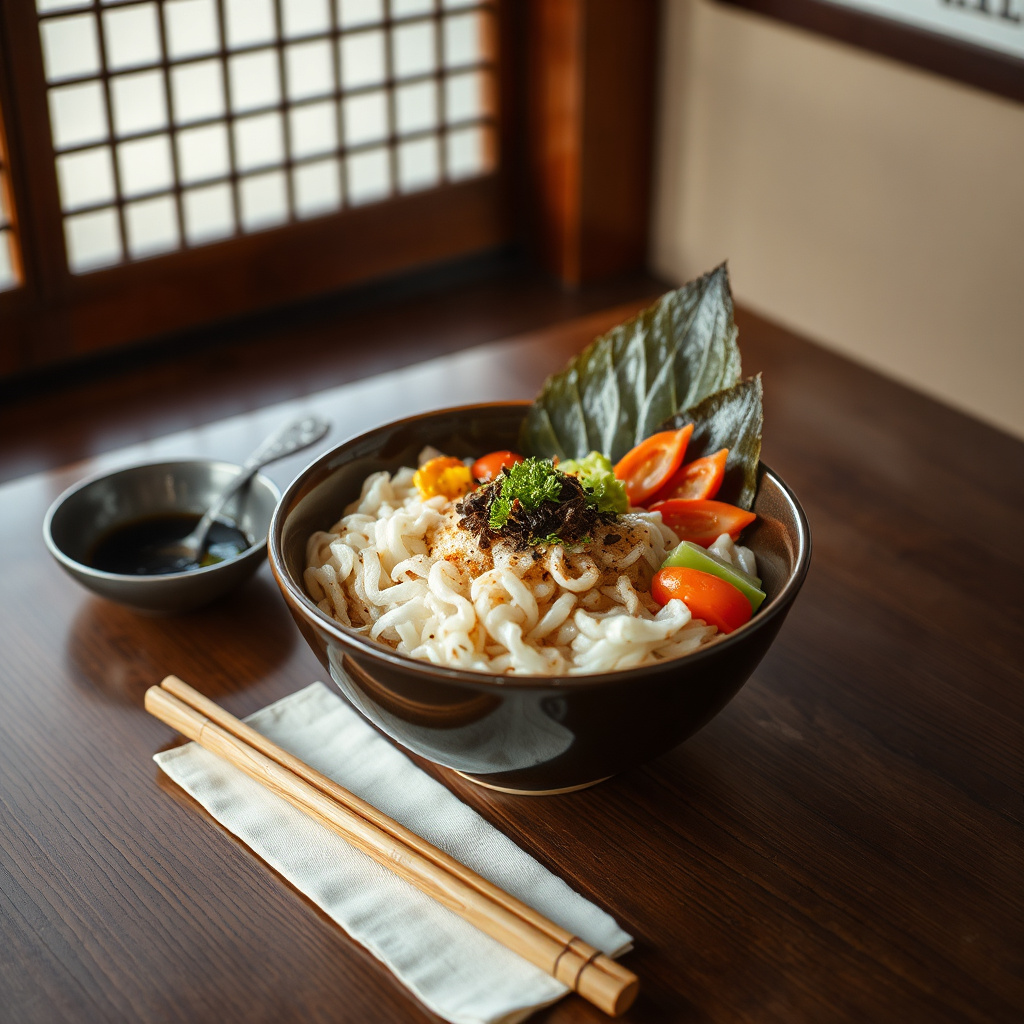
Chirashi is a traditional Japanese dish consisting of a bowl of sushi rice topped with a colorful assortment of raw fish, seafood, and vegetables scattered artfully on top. The word "chirashi" literally means "scattered" in Japanese, referring to how the ingredients are arranged rather than neatly assembled like in sushi rolls.
This dish offers a visual feast alongside rich flavors and varied textures. Unlike more structured sushi forms like nigiri or maki, chirashi provides a more casual yet elegant presentation, emphasizing freshness and balance. It’s a popular choice at sushi restaurants as it delivers the essence of sushi in a single bowl without the need for rolling or shaping.
This article will explore the origins and variations of chirashi, its typical ingredients and preparation methods, and tips for enjoying or making your own chirashi sushi bowl at home.
The Origins and Cultural Significance of Chirashi
Historical Background of Chirashi
Chirashi has roots that date back to Edo-period Japan (1603–1868), where it was a way to enjoy sushi ingredients before the modern forms of sushi evolved. Traditionally served during festivals and celebrations, it symbolized abundance and variety.
The dish was practical for home cooking as well, allowing families to incorporate different leftover fish and vegetables over rice, making it both economical and festive.
Cultural Role in Japanese Cuisine
Chirashi remains a staple during special events like Hinamatsuri (Girls’ Day) in Japan, representing wishes for health and happiness. Its colorful appearance is both festive and inviting.
Its accessibility and the flexibility of ingredients contribute to its popularity, bridging the gap between simple meals and sophisticated sushi dining.
Key Ingredients Found in Chirashi Sushi

Sushi Rice Base
The foundation of chirashi is sushi rice, which is short-grain Japanese rice seasoned with a blend of rice vinegar, sugar, and salt. Proper preparation of the rice is essential for achieving a slightly sticky, yet fluffy texture that complements the toppings.
Maintaining the right temperature and moisture is critical; the rice should be cool or at room temperature to provide the ideal base for the chilled fish and vegetables.
- Short-grain sushi rice
- Rice vinegar
- Sugar
- Salt
Typical Toppings and Variations
A classic chirashi sushi bowl typically features an assortment of fresh sashimi such as tuna, salmon, shrimp, octopus, and crab. Accompaniments often include thinly sliced cucumber, avocado, pickled ginger, and shredded nori (seaweed).
Regional and chef-specific variations may add cooked items like tamagoyaki (Japanese omelet), shiitake mushrooms, or ikura (salmon roe) to enhance flavors and textures.
- Fresh sashimi slices
- Pickled vegetables
- Nori strips
- Fish roe
How to Prepare Chirashi at Home

Preparing the Sushi Rice Base
Start by rinsing the sushi rice several times until the water runs clear to remove excess starch. Cook the rice according to package instructions or in a rice cooker.
Once cooked, gently fold in a seasoned mixture of rice vinegar, sugar, and salt while the rice is still warm. Allow the rice to cool to room temperature before assembling the dish.
Selecting and Arranging Toppings
Use fresh, high-quality sashimi-grade fish and other seafood from a trusted source to ensure safety and flavor. Slice the fish thinly and arrange atop the cooled sushi rice in an aesthetically pleasing manner.
Add vegetable garnishes and pickles to provide contrast in flavor and texture. Finish with optional touches like sesame seeds or a drizzle of soy sauce for added depth.
- Choose fresh sashimi-grade seafood
- Slice ingredients thinly
- Add pickled and fresh vegetables
- Garnish with sesame seeds or soy sauce
Variations of Chirashi in Japanese Cuisine

Traditional Chirashi vs. Kaisendon
Traditional chirashi emphasizes a balanced mix of raw fish and vegetables artistically scattered over vinegared rice with a refined taste profile.
Kaisendon is a related rice bowl popular in coastal areas, focusing heavily on fresh seafood directly atop plain rice, often with less emphasis on vinegar seasoning and more on seafood variety.
Regional and Ingredient Adaptations
Different regions of Japan bring unique ingredients to chirashi, such as incorporating local fish varieties or seasonal vegetables. Some versions include hot items like grilled eel or simmered vegetables.
These adaptations allow chirashi to remain a versatile dish tailored to local tastes and ingredient availability throughout the seasons.
Tips for Enjoying and Serving Chirashi

Serving Suggestions and Presentation
Chirashi is typically served in a wide, shallow bowl to display its colorful toppings vividly. Presentation plays an important role, encouraging diners to appreciate the variety of ingredients before mixing bites.
Include small dishes of soy sauce, wasabi, and pickled ginger on the side to customize each bite according to personal taste.
For an in-depth look at chirashi’s history and variations, see the detailed article on Chirashi on Wikipedia. Chirashi on Wikipedia.
Eating Etiquette and Pairings
Use chopsticks to gently combine ingredients if desired or enjoy each topping separately to savor distinct flavors. It pairs well with light green tea or sake for a traditional Japanese dining experience.
Chirashi offers a balance of protein, vegetables, and rice, making it satisfying and nutritionally well-rounded as a meal or shared dish.
Chirashi Sushi Variations Comparison
This table compares popular chirashi styles to help you choose the version that suits your taste and occasion best.
| Style | Rice Preparation | Seafood Variety | Serving Style | Typical Garnishes |
|---|---|---|---|---|
| Traditional Chirashi | Vinegared sushi rice | Mixed sashimi and seafood | Scattered over rice bowl | Nori, pickled vegetables, sesame seeds |
| Kaisendon | Plain steamed rice | Extensive seafood selection | Overflowing seafood atop rice | Minimal garnishes, wasabi, soy sauce |
| Home-style Chirashi | Vinegared or plain rice | Varied, including leftovers | Casually scattered toppings | Local vegetables and fish roe |
| Festival Chirashi | Seasoned sushi rice | Seasonal and symbolic ingredients | Artistic scattering for visual effect | Colorful garnishes, edible flowers |
Frequently Asked Questions
Is chirashi the same as sushi?
Chirashi is a type of sushi that consists of scattered raw fish and toppings over a bed of sushi rice, differing from molded nigiri or rolled sushi.
Can chirashi be made with cooked ingredients?
Yes, chirashi can include cooked items like tamagoyaki or grilled eel, depending on recipe and preference.
What is the best way to store chirashi if not eating immediately?
Store the rice and toppings separately in airtight containers in the refrigerator to preserve freshness and assemble just before eating.
Is chirashi sushi healthy?
Chirashi offers a balanced meal with lean proteins, vegetables, and rice, making it a nutritious choice when using fresh ingredients.
Where can I find chirashi sushi outside Japan?
Many Japanese restaurants worldwide serve chirashi sushi, especially those specializing in authentic sushi and sashimi dishes.
Key Takeaways
- Chirashi is a sushi bowl featuring scattered raw fish and vegetables over vinegared rice.
- This dish has rich cultural significance and origins in traditional Japanese celebrations.
- Typical ingredients include sushi rice, sashimi, pickled vegetables, and garnishes like nori.
- Chirashi offers versatile and colorful variations suitable for many palates and occasions.
Choosing and Enjoying Chirashi: A Final Thought
Understanding what chirashi is and its place in Japanese cuisine helps clarify its appeal as both a traditional and casual dining option. Its scattered presentation highlights a harmonious balance of textures and flavors that can be customized easily. When selecting chirashi, focus on the quality and freshness of seafood and the preparation of the sushi rice base as these elements define the dish.
For diners seeking a polished experience, traditional chirashi with vinegared rice and elegant sashimi combinations offers refined flavors. Those preferring variety and seafood abundance may enjoy kaisendon, which emphasizes plentiful raw fish over plain rice. Home-style chirashi also remains an inviting and practical approach, incorporating local ingredients and personal touches.
If you're new to chirashi sushi, start by sampling it at reputable sushi restaurants to appreciate its range and artistry fully. For enthusiasts willing to experiment, preparing a chirashi sushi bowl allows you to select your preferred seafood and toppings, making each meal a colorful and flavorful exploration of Japanese cuisine.



One Comment