How to Make a Poke Bowl at Home: A Simple Step-by-Step Guide
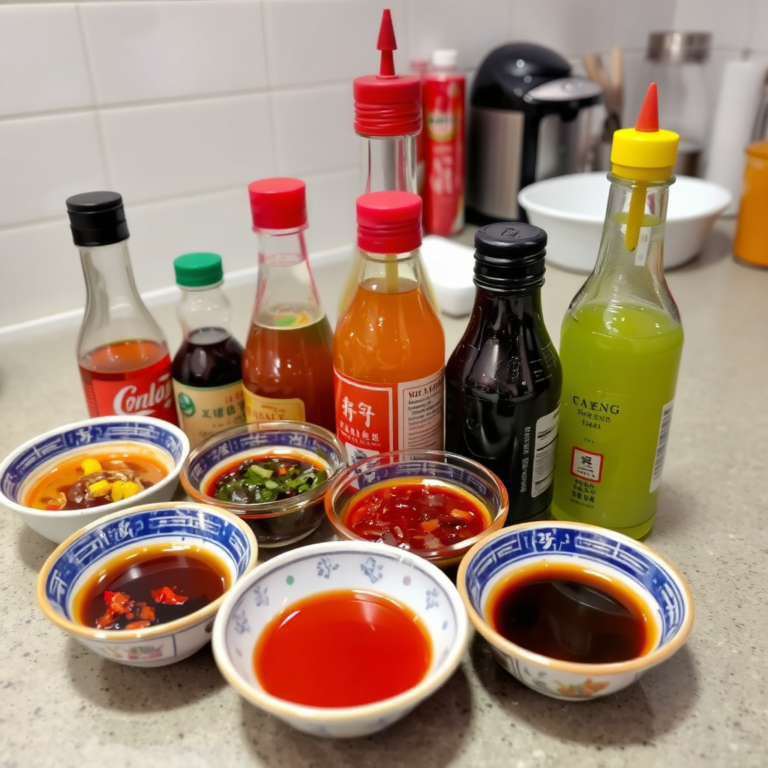
Making a poke bowl at home is straightforward and rewarding. Start with a base like sushi rice or mixed greens, then layer fresh, marinated raw fish such as tuna or salmon. Add your favorite vegetables, toppings like seaweed or sesame seeds, and a flavorful sauce for that signature poke taste.
Poke bowls are versatile and customizable, combining fresh textures and flavors into a balanced meal. Whether you're after a light lunch or a satisfying dinner, preparing your own poke bowl lets you control the ingredients, freshness, and seasoning exactly to your preference, making it healthier and more personalized than store-bought options.
This article will guide you through the main components of a poke bowl, including selecting the freshest fish, preparing the rice or greens, crafting delicious marinade sauces, and choosing tasty toppings. Follow these steps to create a vibrant, flavorful poke bowl suited to your taste.
Choosing the Right Base for Your Poke Bowl
Using Sushi Rice as a Poke Bowl Base
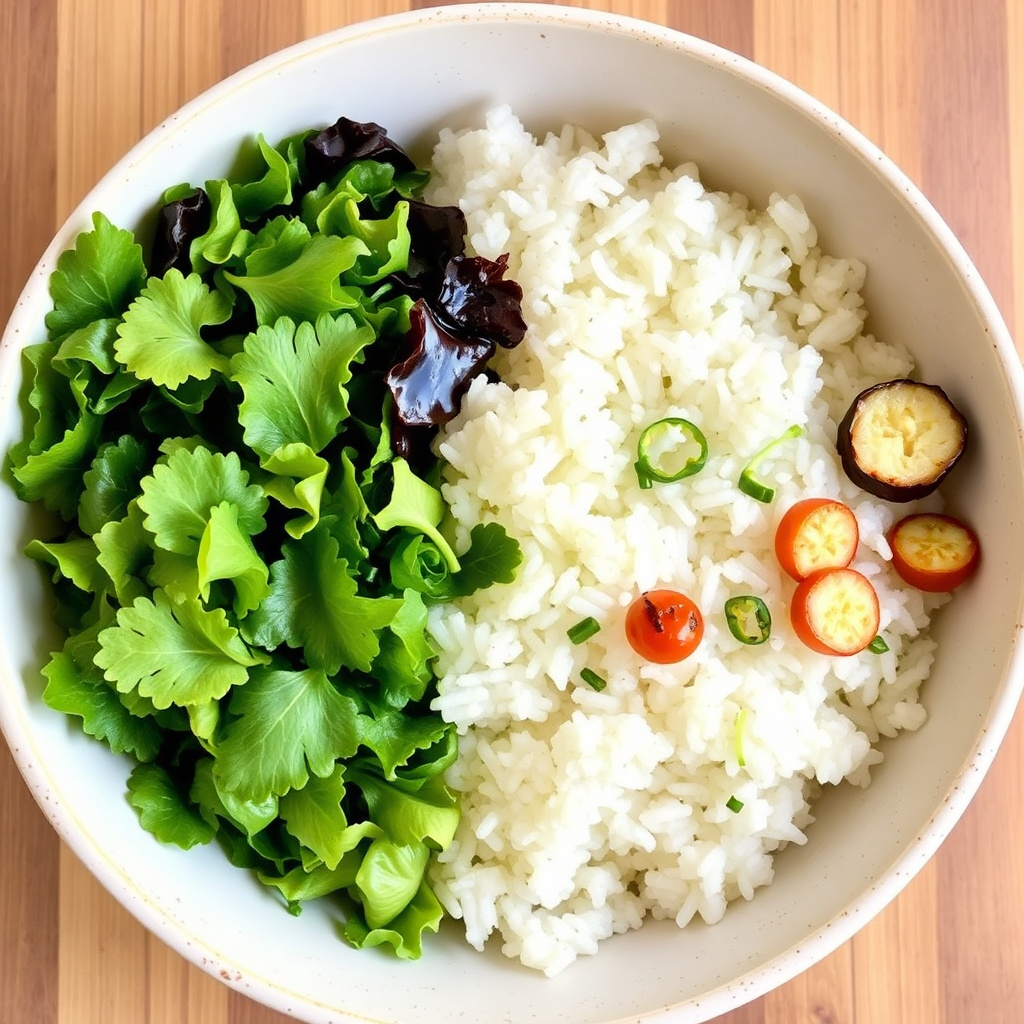
Sushi rice is the traditional and most popular base for poke bowls. Its sticky texture holds well under the toppings and soaks up flavorful sauces, creating a satisfying mouthfeel. Cook the rice properly, rinse it to remove excess starch, and season it with a mixture of rice vinegar, sugar, and salt to impart a mild tangy taste essential to classic poke bowls.
Prepare sushi rice in advance to let it cool to room temperature before assembling the bowl. This prevents the raw fish from warming up, preserving its freshness and texture. High-quality short-grain rice will yield the best result that complements the other fresh ingredients.
- Use short-grain sushi rice
- Rinse thoroughly before cooking
- Season with rice vinegar blend
Alternatives to Rice: Greens and More
For a lighter or low-carb poke bowl, mixed greens such as baby spinach, arugula, or kale can replace sushi rice. These provide a fresh, crisp base and add nutritional value with fiber and vitamins. Some poke enthusiasts prefer quinoa or cauliflower rice for a grain-free version that still offers a satisfying texture.
Choosing a non-rice base changes the overall flavor profile and mouthfeel, so adjust your seasonings and toppings accordingly. Greens do well with tangy or spicy sauces and complement crunchy vegetable toppings.
- Baby spinach, arugula, kale
- Quinoa or cauliflower rice
- Adjust sauce flavors to balance greens
Selecting and Preparing Fresh Fish for Your Poke Bowl
Best Types of Fish for Poke Bowls
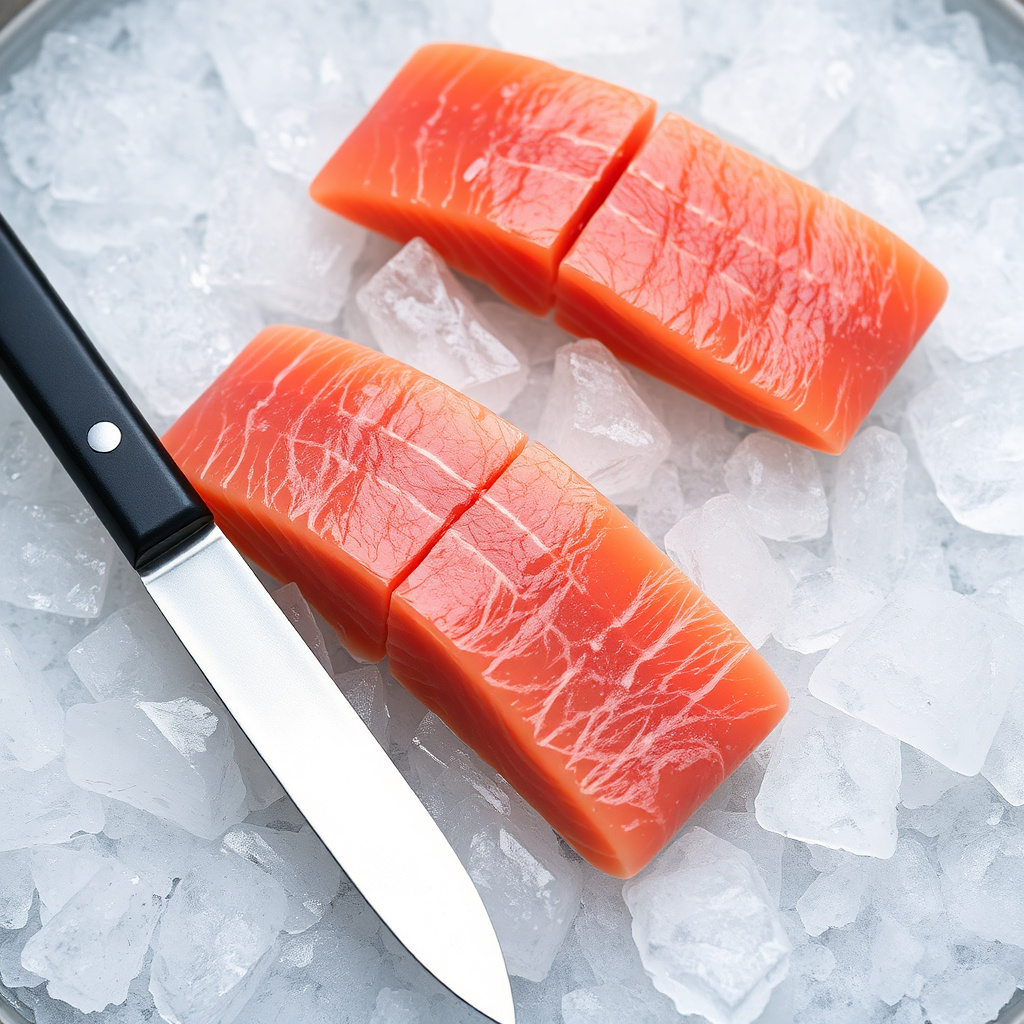
The most common fish choices for poke bowls are fresh tuna and salmon due to their rich flavor and buttery texture. Yellowfin tuna and sockeye salmon are popular varieties that hold up well when marinated. When choosing fish, look for sushi-grade or sashimi-grade to ensure safety and quality since the fish will be consumed raw.
If you prefer variation, octopus or cooked shrimp can also be included but won't require marinating. Freshness and proper handling are vital to avoid foodborne illnesses, so purchase fish from trusted suppliers.
- Yellowfin tuna (ahi)
- Sockeye or king salmon
- Sushi-grade for safety
For more on this, see our related guide: What Is Masago? A Complete Guide to This Popular Sushi Ingredient.
Marinating Fish for Maximum Flavor
Marinating the fish is essential to infuse flavor and tenderize the flesh slightly. A simple marinade uses soy sauce, sesame oil, a touch of rice vinegar, minced garlic, and red pepper flakes for a balanced mix of salty, nutty, tangy, and spicy notes. Marinate the cubed fish for 10 to 20 minutes to avoid over-marinating, which can affect texture.
Add optional ingredients such as green onions, ginger, or toasted sesame seeds to enhance the complexity. The marinade also helps bind the fish to the rest of the bowl ingredients.
- Soy sauce and sesame oil base
- Add garlic, ginger, and chili
- Marinate fish 10-20 minutes
Crafting the Perfect Sauce for Your Poke Bowl
Classic Poke Bowl Sauces
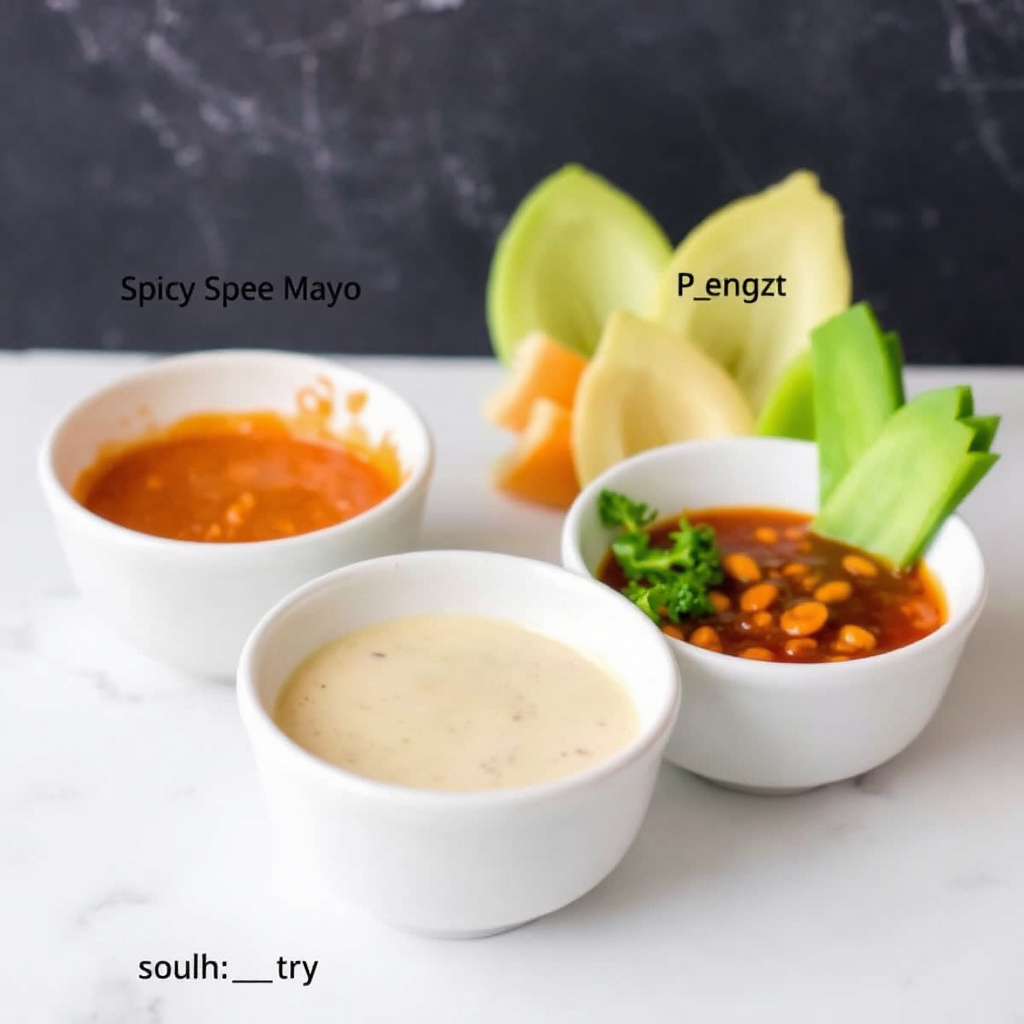
The base of a poke bowl sauce often includes soy sauce or ponzu, combined with sesame oil to add depth. Spicy mayo, made from mayonnaise and sriracha, is a popular creamy option that adds heat and richness. These sauces bring moisture, enhance flavor, and create a balance between salty, spicy, and savory elements.
For a traditional poke bowl, soy sauce and a bit of sesame oil are enough, but experimenting with different ingredients like wasabi or yuzu can create unique flavor profiles tailored to your preferences.
- Soy sauce and sesame oil mix
- Spicy mayo with sriracha
- Ponzu sauce for citrus notes
Healthier Sauce Alternatives
If you prefer lighter options, try tamari sauce (gluten-free soy sauce) and reduce added sugars or oils. A fresh ginger-lime dressing or a simple mixture of rice vinegar and a drizzle of honey can brighten the dish without overpowering it. These alternatives keep the poke bowl fresh and flavorful while reducing calories and fat.
Adding thinly sliced fresh herbs like cilantro or chives to your sauce can subtly enhance the flavor and provide additional aroma.
- Tamari or low-sodium soy sauce
- Ginger-lime vinaigrette
- Add fresh herbs for aroma
Adding Fresh Vegetables and Toppings to Enhance Taste

Choosing Fresh Vegetables for Texture and Flavor
Vegetables add crunch, freshness, and vibrant color to poke bowls. Common choices include cucumber, radish, scallions, and edamame. These options contrast the soft texture of the marinated fish and rice base. Pick crisp, recently harvested vegetables to maximize flavor and nutritional value.
Cut vegetables into bite-sized pieces for easy eating and balanced flavor distribution in every spoonful.
- Cucumber for crunch
- Radish for peppery zest
- Edamame for fiber and protein
Popular Toppings and Garnishes
Toppings such as seaweed salad, pickled ginger, toasted sesame seeds, and avocado provide additional flavor layers and visual appeal. Avocado adds creaminess and healthy fats, while seaweed and sesame seeds contribute umami. Pickled ginger offers a sharp contrast that refreshes the palate.
Select toppings that balance the overall flavor profile of your poke bowl, complementing both the fish and the base.
- Avocado slices for creaminess
- Toasted sesame seeds for nuttiness
- Pickled ginger for brightness
Assembling and Serving Your Poke Bowl

Step-by-Step Assembly Tips
To assemble the poke bowl, start with the base, evenly spreading the sushi rice or greens in your serving bowl. Next, add the marinated fish in the center or distributed evenly. Arrange your fresh vegetables around the fish for a colorful, inviting look.
Finish with generous toppings and drizzle the sauce over the entire bowl or serve on the side for dipping. Avoid mixing the bowl too early if you want to maintain visual appeal and texture contrast.
- Base first: rice or greens
- Add marinated fish next
- Arrange vegetables around fish
- Drizzle sauce last
For more background on poke bowls and their cultural origins, you can visit the poke bowl Wikipedia article. poke bowl Wikipedia article.
Serving Suggestions and Storage Tips
Serve your poke bowl immediately for the best taste and freshness. If preparing ahead, keep the components separate and assemble just before eating to prevent sogginess. Store leftover fish marinated in an airtight container for up to 24 hours refrigerated.
Use chopsticks or a fork depending on preference and enjoy your fresh, homemade poke bowl as a balanced, wholesome meal.
- Assemble just before serving
- Store marinated fish chilled, up to 24 hours
- Enjoy immediately for freshness
Poke Bowl Base Options Comparison
Here’s a comparison of common poke bowl bases showing differences in texture, taste, and nutritional aspects.
| Base Type | Texture | Flavor Profile | Best For |
|---|---|---|---|
| Sushi Rice | Sticky and chewy | Mildly tangy from vinegar | Traditional, satisfying base |
| Mixed Greens | Crisp and fresh | Earthy and slightly bitter | Light, low-carb alternative |
| Quinoa | Fluffy yet firm | Nutty | Gluten-free, high protein |
| Cauliflower Rice | Grainy, soft | Mild, neutral | Low-carb, vegetable-based |
Frequently Asked Questions
Can I use cooked fish instead of raw fish in a poke bowl?
Yes, cooked seafood like shrimp or octopus can be used in poke bowls. While raw fish is traditional, cooked options can provide varied flavors and textures, making the dish more accessible if you prefer not to eat raw fish.
How long can I keep marinated fish for poke bowls?
Marinated fish should be consumed within 24 hours if stored in an airtight container in the refrigerator to maintain freshness and food safety.
What are some good vegetarian poke bowl alternatives?
Vegetarian poke bowls can include marinated tofu or tempeh as a protein source, combined with rice or greens, fresh vegetables, and flavorful sauces to mimic the texture and taste of traditional poke.
Is it necessary to use sushi-grade fish for poke bowls?
Using sushi-grade fish is highly recommended to reduce the risk of foodborne illness since poke bowls use raw fish. Sushi-grade ensures the fish has been handled and frozen properly to be safe for raw consumption.
How spicy should the poke bowl sauce be?
The level of spice depends on personal preference. Start with a small amount of added heat like sriracha or chili flakes and adjust according to taste to balance the fish and other ingredients.
Key Takeaways
- Start with a well-prepared base: sushi rice or greens
- Use fresh, sushi-grade fish and marinate briefly
- Balance flavors with complementary sauces and toppings
- Assemble just before serving for optimal freshness
Conclusion
Creating your own poke bowl is a rewarding culinary activity that blends freshness, taste, and customization. By focusing on the core components—choosing the right base, selecting sushi-grade fish, crafting flavorful marinades, and garnishing with fresh vegetables—you can tailor each bowl to your preferences and dietary needs. This approach helps avoid processed ingredients and delivers a nutrient-rich, satisfying meal that satisfies both the palate and health goals.
Among poke bowl bases, sushi rice remains the classic option, delivering a familiar texture and subtle vinegar notes, while alternatives like mixed greens or quinoa cater to lower-carb or gluten-free diets without sacrificing flavor. Selecting fresh tuna or salmon and marinating them briefly ensures the poke maintains authentic taste and texture. For sauces, experimenting with classic soy-sesame blends or lighter vinaigrettes allows for versatile flavor profiles. Finally, fresh vegetables and toppings like avocado and sesame seeds complete the bowl with crunch and richness.
With this guide, you can confidently prepare a poke bowl that suits your tastes, whether you want a traditional style or a personalized variation. Your next step could be to select fresh ingredients from a trusted market and try crafting a poke bowl tailored to your flavor preferences. Enjoy the process of assembling and savoring each bite of this fresh Hawaiian-inspired dish.