Is Orange Chicken Healthy? A Nutritional Breakdown and Health Guide
Orange chicken is a popular Chinese-American dish known for its sweet, tangy flavor and crispy texture, but is orange chicken healthy? The quick answer is that traditional orange chicken often contains high levels of sugar, sodium, and fat, which makes it an indulgent option rather than a healthful one. Its deep-fried preparation and sugary glaze contribute significantly to its calorie and fat content.
Understanding the nutritional aspects of orange chicken matters because many enjoy it regularly at restaurants or takeout, sometimes without realizing the impact it may have on their diet. Controlling portions or seeking alternatives can make a difference in maintaining a balanced diet, especially for those watching their sugar intake or managing heart health.
This article will explore the common ingredients in orange chicken, analyze its nutritional profile, offer tips to enjoy it in a healthier way, and review alternative recipes. We'll also compare different categories of orange chicken to help you make informed choices.
Nutritional Components of Orange Chicken

Calories and Macronutrients
A typical serving of orange chicken provides approximately 300 to 500 calories, much of which comes from deep-frying the chicken and the sugary orange sauce. The dish tends to be high in carbohydrates due to the sauce’s sugar content and the batter on the chicken. Protein comes mainly from the chicken itself, but the frying process adds significant fat.
Understanding these macronutrient proportions helps explain why orange chicken is more of a treat than a staple food. The fat and carb content can spike blood sugar and caloric intake quickly if consumed in large portions.
- Calories per serving: 300-500
- Carbohydrates: High, mainly from sugar and batter
- Fat: High due to deep frying
- Protein: Moderate, from chicken meat
Sodium and Sugar Content
Commercial recipes of orange chicken often contain added sodium and significant amounts of sugar, which serve to enhance flavor and preserve the sauce. Sodium levels can contribute to increased blood pressure if consumed frequently, while excess sugar impacts metabolic health.
Many restaurant versions have upwards of 700 mg of sodium per serving, nearly one-third of the recommended daily limit for an adult. The sugar from the sauce can easily exceed 15 grams, impacting overall dietary sugar goals.
- Sodium: Approximately 700 mg per serving
- Sugar: Around 15-20 grams per serving
- Effects on blood pressure and blood sugar regulation
Ingredients Impacting Healthiness

Common Additives in Orange Chicken
Traditional orange chicken recipes utilize ingredients like soy sauce, sugar, cornstarch, and often some form of vegetable oil for deep frying. Each of these impacts its nutrition: soy sauce adds sodium, sugar increases carbohydrate content, while cornstarch and frying elevate calories.
Some recipes also include preservatives or artificial flavorings, especially in pre-packaged or fast-food variants. These additives can negatively affect health if consumed frequently, making homemade versions potentially healthier.
- Soy sauce: High sodium source
- Sugar: Adds sweetness but spikes calories
- Cornstarch: Used for batter, increases carbs
- Frying oil: Adds saturated and trans fats
How Preparation Methods Affect Health
Deep frying significantly increases the fat and calorie content due to the absorption of oil, which often includes unhealthy trans fats unless carefully controlled. Baking or air frying the chicken reduces fat considerably and can lower the health risks associated with fried foods.
Using fresh ingredients and limiting sugar in the sauce also improves the dish’s health profile. Marinating chicken with less sugar or opting for natural sweeteners can balance flavor with nutrition.
- Deep frying raises fat content
- Baking/air frying reduces calories and unhealthy fats
- Reducing sugar in sauce enhances healthiness
Healthier Orange Chicken Alternatives and Recipes

Modifying Traditional Recipes
Switching out deep-frying for baking or air frying creates a lighter orange chicken without sacrificing texture. Using low-sodium soy sauce, fresh orange juice, and honey or maple syrup as natural sweeteners reduces sugar and salt content effectively.
Incorporating whole-grain coatings like panko breadcrumbs or almond flour adds fiber and improves nutrient density. Additionally, pairing orange chicken with steamed vegetables instead of fried rice further balances the meal.
- Use natural sweeteners instead of refined sugar
- Bake or air fry instead of deep frying
- Choose low-sodium sauces
- Add whole-grain coatings
For more on this, see our related guide: What Is General Tso Chicken? A Complete Guide to This Popular Chinese-American Dish.
Popular Healthier Orange Chicken Recipes
Many home cooks share recipes featuring grilled or oven-baked chicken with an orange glaze made from fresh juice, garlic, and ginger, skipping deep frying entirely. These versions provide a similar flavor experience while cutting fat and sugar by half or more.
Stir-fried orange chicken variants using lean chicken breast, reduced sugar sauces, and plenty of vegetables make well-rounded, health-focused meals high in protein and vitamins.
- Grilled orange chicken with fresh orange glaze
- Oven-baked crispy chicken with light sauce
- Stir-fry with lean cuts and veggies
Portion Control and Dining Out

Managing Serving Sizes for Better Health
Eating orange chicken in moderation is key, as oversized portions lead to excessive calorie, fat, and sugar intake. Sharing dishes or saving half for later can help maintain balanced nutrition without forgoing this favorite flavor.
Combining orange chicken with high-fiber foods like steamed broccoli or a leafy salad can slow sugar absorption and promote fullness, encouraging smaller portions.
- Share large portions
- Pair with high-fiber vegetables
- Limit frequency of consumption
Making Smarter Choices at Restaurants
When ordering orange chicken at restaurants, ask for sauce on the side or for dishes prepared with less sugar and oil. Selecting steamed rice over fried rice or vegetables instead of noodles also reduces caloric intake.
Choosing restaurants that use fresh ingredients and cook to order rather than relying on pre-fried batches can improve the nutritional quality of the dish.
- Request sauce on the side
- Opt for steamed sides
- Choose fresh-prepared meals
Comparing Orange Chicken to Similar Dishes

Nutritional Differences with Other Chinese-American Favorites
Orange chicken is often compared to General Tso’s chicken and sesame chicken, each with variations in sweetness, spiciness, and sauce base. Generally, orange chicken contains more sugar than sesame chicken but less spice than General Tso’s.
These differences affect calories and macronutrients. For example, sesame chicken may have additional nuts or seeds adding healthy fats, while General Tso’s often includes more oil in frying.
- Orange chicken: high sugar, moderate fat
- General Tso's chicken: spicy, higher fat
- Sesame chicken: moderate sugar, added nuts
Choosing Between Crispy and Stir-Fried Styles
Crispy styles involve battering and frying, increasing calorie and fat content considerably. Stir-fried chicken versions with orange sauce use less oil and no batter, yielding a lighter option.
Selecting stir-fried orange chicken can make the dish more suitable for regular eating, especially if paired with healthy vegetables and whole grains.
- Crispy: higher calories and fat
- Stir-fried: lighter and leaner
- Choose stir-fried for regular meals
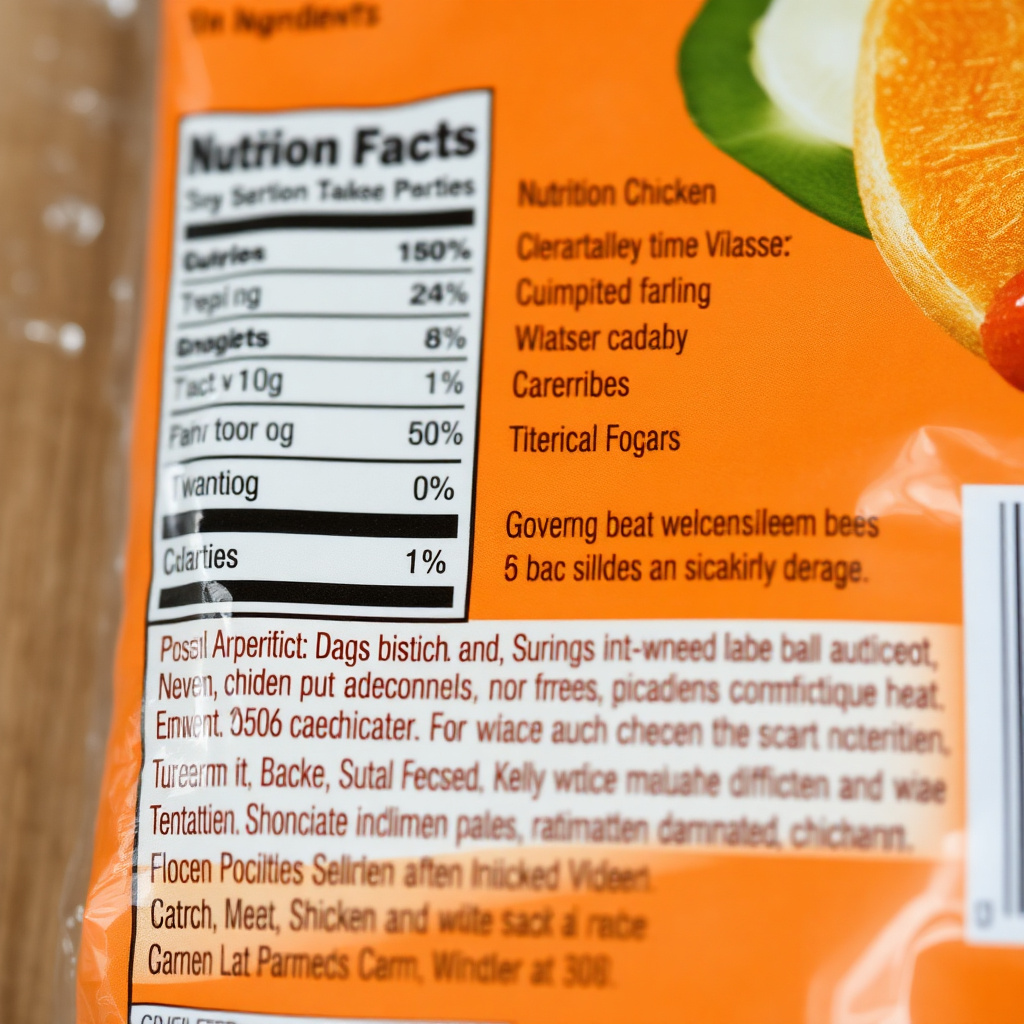
Understanding Label Reading and Ingredients Lists
Spotting Added Sugars and Sodium Sources
Checking labels for ingredients like high fructose corn syrup, cane sugar, or maltose helps identify added sugars in pre-made orange chicken sauces or kits. Sodium often appears as sodium chloride, soy sauce, or monosodium glutamate (MSG).
Avoiding products with excessive additives not only reduces sugar and salt intake but also minimizes intake of preservatives and artificial flavor enhancers.
- Look for sugar aliases in ingredients
- Watch sodium levels per serving
- Check for MSG and preservatives
For more detailed nutritional information and history, see this resource on orange chicken. Orange chicken nutritional information.
Evaluating Fat Types and Quality
Labels indicating hydrogenated or partially hydrogenated oils signify trans fats, which have well-known negative health effects. Choosing products made with healthier oils like canola, olive, or sunflower helps improve overall fat quality.
Fat percentage on the label combined with ingredient quality gives insight into the health impact of the product.
- Identify trans fats on labels
- Prefer products with healthy oils
- Combine fat content with ingredient inspection
Orange Chicken Options Comparison
Here's a comparison of different types of orange chicken to highlight their nutritional and preparation differences.
| Category | Calories per Serving | Sugar (grams) | Sodium (mg) | Fat (grams) | Cooking Method |
|---|---|---|---|---|---|
| Traditional Restaurant Orange Chicken | 450 | 18 | 700 | 20 | Deep-Fried |
| Homemade Baked Orange Chicken | 320 | 10 | 400 | 8 | Baked |
| Frozen Orange Chicken (Pre-packaged) | 380 | 16 | 650 | 15 | Fried/Reheated |
| Stir-Fried Orange Chicken with Veggies | 280 | 12 | 500 | 7 | Stir-Fried |
| Low-Sodium Low-Sugar Orange Chicken Sauce Kit | 350 | 8 | 350 | 10 | Baked or Air-Fried |
Frequently Asked Questions
Is orange chicken nutritious?
While orange chicken offers protein from chicken meat, it is generally high in added sugars, sodium, and fat, which limits its nutritional benefits if eaten frequently or in large quantities.
Can orange chicken be made healthier?
Yes, using baking or air frying instead of deep frying, reducing sugar in the sauce, and choosing fresh ingredients can make orange chicken a healthier meal choice.
How often can I eat orange chicken without health risks?
Eating orange chicken occasionally, such as once a week or less, and controlling portions can help minimize negative health effects from its sugar, fat, and sodium.
What is a healthier side to serve with orange chicken?
Pair orange chicken with steamed vegetables, brown rice, or a fresh salad to increase fiber, vitamins, and create a more balanced meal.
Does orange chicken contain allergens?
Yes, typical orange chicken recipes may contain soy (soy sauce), wheat (in batter), and sometimes eggs, so it's important for those with allergies to check ingredient lists carefully.
Key Takeaways
- Traditional orange chicken is high in sugar, sodium, and fat due to frying and sugary sauce.
- Healthier versions use baking or air frying and reduce added sugars and salt.
- Portion control and pairing with vegetables enhance the meal's health profile.
- Reading labels helps identify added sugars, sodium, and unhealthy fats.
Conclusion
Deciding whether orange chicken is healthy depends heavily on how it is prepared and consumed. While traditional versions are rich in calories, sugars, and sodium due to deep frying and heavy sauces, understanding these factors helps you make smarter food choices. Moderation, adjusting cooking methods, and mindful ingredient selection are essential when including orange chicken in your diet.
If you want to enjoy orange chicken without feeling guilty, homemade recipes using baking or air frying are preferable. Choosing stir-fried variants with more vegetables and lower sugar sauces is another wise option. Pre-packaged or restaurant dishes can still be enjoyed occasionally by limiting portion sizes and requesting sauce on the side.
A practical next step is to try a healthier orange chicken recipe at home, testing alternatives that use natural sweeteners and whole ingredients. This approach lets you savor the classic flavors with less dietary impact and helps you maintain balanced nutrition without giving up one of your favorite meals.



One Comment