Where Did Fried Rice Originate? Discovering the History of Fried Rice
Fried rice originated in China, with the earliest known versions dating back to the Sui Dynasty (589–618 AD). It began as a way to reuse leftover rice by stir-frying it with various ingredients, creating a flavorful and efficient meal. This innovation spread across Asia and eventually the world, evolving with local ingredients and tastes.
Understanding where fried rice originated matters because it highlights how culinary ingenuity can transform simple staples into iconic dishes. Fried rice’s global popularity showcases cultural exchange and adaptation, emphasizing how food travels and adapts over centuries.
This article will explore the origins of fried rice, tracing its historical roots in China, its spread throughout Asia, and its adaptations across different countries. We'll also examine what makes traditional fried rice and how variations reflect local culture.
The Origins of Fried Rice in China

Early Historical Records of Fried Rice
Historical texts from the Sui Dynasty mention cooking leftover rice with oil and vegetables, which is considered the earliest evidence of fried rice. The meal was practical, allowing families to avoid rice waste and make a filling dish from staples.
By the Tang Dynasty (618–907 AD), fried rice had become common in the imperial kitchens. Recipes included eggs, vegetables, and sometimes meats, representing an extension of its humble beginnings into a more refined dish.
Traditional Ingredients and Cooking Techniques
Classic Chinese fried rice uses day-old rice for better texture, stir-fried with garlic, scallions, eggs, soy sauce, and whatever ingredients are available, like pork or shrimp. The high heat and quick cooking seal the flavors and create a distinctive aroma.
The wok is essential for authentic fried rice, promoting even heat distribution and fast frying. This technique preserves the rice grains' integrity, leaving them separated and firm rather than mushy.
- Day-old rice for dryness
- High heat cooking in a wok
- Use of soy sauce and aromatics
Spread Through Asia: Adaptations and Variations

Fried Rice in Southeast Asia
As fried rice spread to Southeast Asia, countries adapted the dish to local palates. In Indonesia and Malaysia, for example, nasi goreng incorporates sweet soy sauce and chili, while Thailand’s khao pad often features lime and fresh herbs.
These variations reflect available ingredients and cultural preferences, showcasing fried rice's flexibility. Despite changes, the core technique of frying leftover rice remains consistent.
- Nasi goreng with sweet soy and chili
- Thai khao pad with lime and herbs
Japanese and Korean Fried Rice Styles
In Japan, fried rice (chāhan) typically includes diced pork, egg, and green onions, seasoned with soy sauce. Korean bokkeumbap often mixes rice with kimchi and other spicy ingredients, highlighting regional tastes.
These adaptations illustrate how fried rice serves as a carrier for local flavors and ingredients while maintaining its Chinese culinary roots.
- Japanese chāhan uses pork and soy sauce
- Korean bokkeumbap often includes kimchi
Fried Rice's Journey to the West

Introduction Through Chinese Immigration
Chinese immigrants brought fried rice to America and Europe in the late 19th and early 20th centuries. It adapted to local tastes, sometimes becoming heavier or sweeter, as ingredients and cultural expectations shifted.
In the Western context, fried rice often includes peas, carrots, and modest seasoning, making it a familiar comfort food that reflects a blend of East Asian culinary traditions and Western preferences.
For more on this, see our related guide: Where Did Sweet and Sour Pork Originate? Tracing the Roots of a Classic Dish.
Modern Global Popularity
Today, fried rice is a menu staple worldwide in Asian restaurants, fast food, and home cooking. It symbolizes culinary fusion and the adaptability of a simple concept: frying cooked rice with additional ingredients for flavor and texture.
The enduring popularity of fried rice can be attributed to its quick preparation, minimal waste, and the infinite possibilities for customization.
Key Ingredients That Define Fried Rice

The Role of Rice Quality and Preparation
The type and preparation of rice are critical. Long-grain or jasmine rice is preferred for its less sticky texture. Leftover rice, which is drier and firmer, prevents clumping and helps achieve the ideal fried rice consistency.
Freshly cooked hot rice tends to stick together and become mushy when stir-fried, undermining the dish’s characteristic texture.
- Use day-old rice for better texture
- Prefer long-grain or jasmine rice
Common Flavoring Ingredients
Soy sauce, garlic, and scallions form the flavor base in most fried rice recipes. Eggs add richness and texture, while proteins like pork, chicken, or shrimp enhance heartiness. Variations might include different sauces or spices, but these basic ingredients remain staples.
Balancing savory, umami, and aromatic elements creates a layered, satisfying dish that can be modified endlessly depending on preference.
- Soy sauce and garlic
- Eggs and scallions
- Optional meats or vegetables
Cooking Techniques for Perfect Fried Rice
Using the Wok and Heat Management
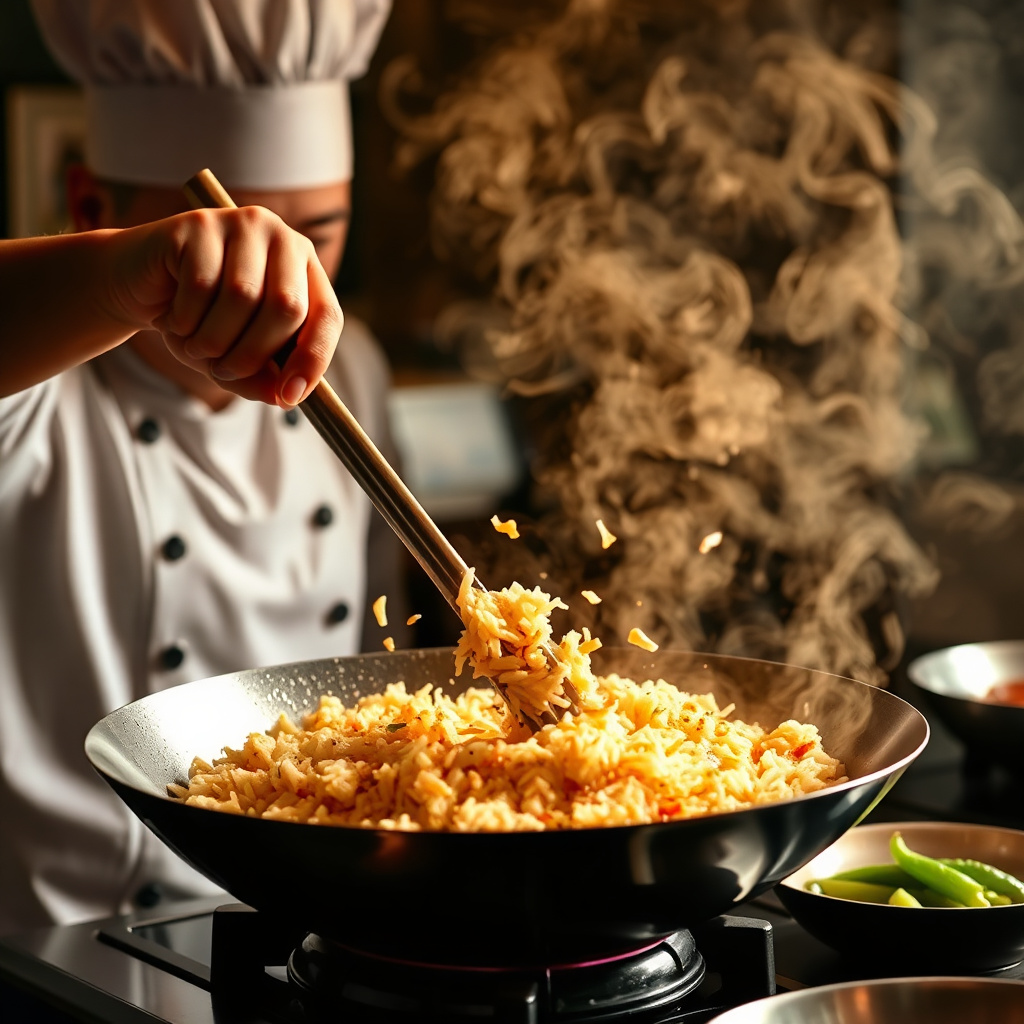
A hot wok is essential for delivering the smoky 'wok hei' flavor prized in authentic fried rice. High heat enables quick cooking and prevents rice from steaming or sticking.
Constant tossing or stirring distributes heat evenly and allows ingredients to cook swiftly without losing texture. Controlling fire intensity is key to balancing browning and preventing burning.
- Use high heat for flavor
- Keep ingredients moving while cooking
Timing and Ingredient Order
Cooking eggs first creates a soft scramble that can be mixed in later. Aromatics like garlic and onions enter early for flavor release, while proteins and vegetables follow based on cooking times.
Rice goes in last to combine everything swiftly, preserving grain separation and incorporating seasonings evenly.
- Cook eggs and aromatics first
- Add rice last for best texture
Common Fried Rice Variations Around the World
Regional Asian Variants
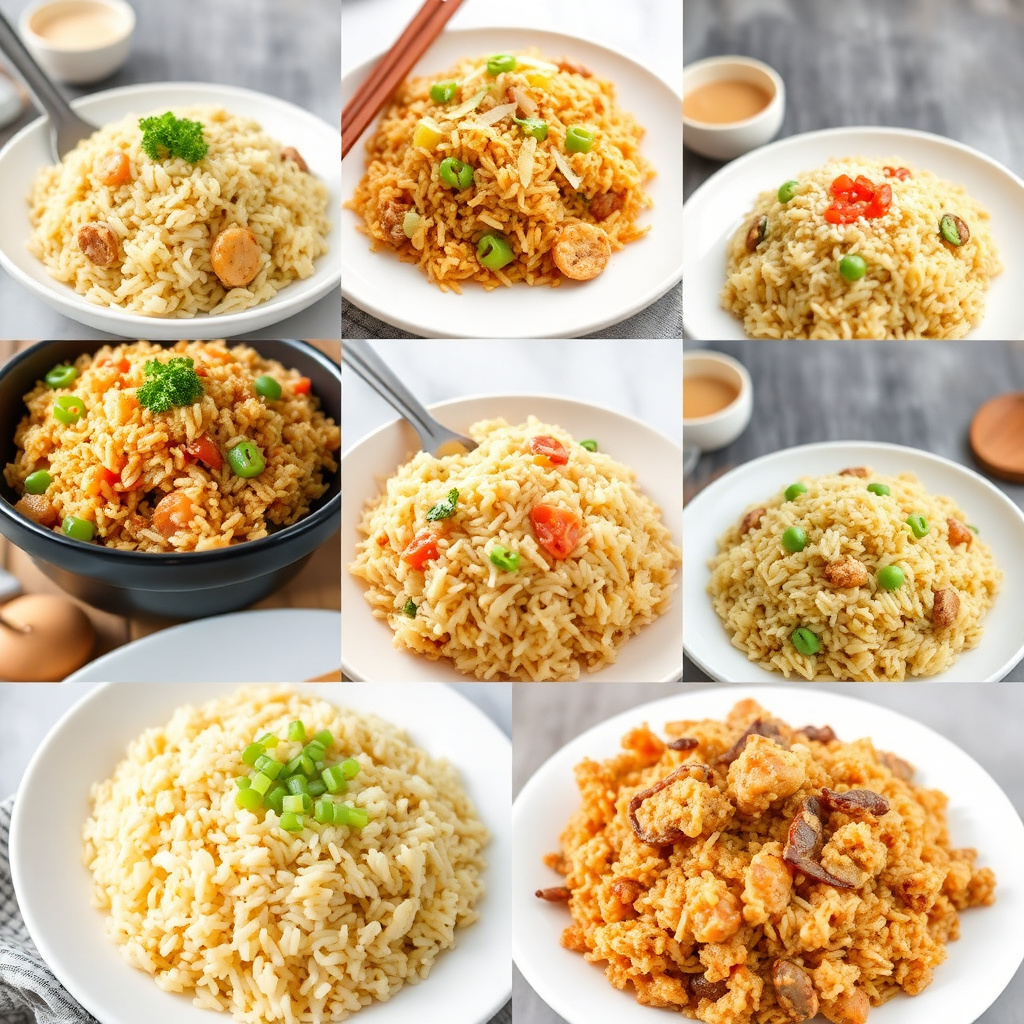
From Indonesian nasi goreng to Thai khao pad and Korean bokkeumbap, fried rice varies by regional spices, sauces, and toppings. Each offers a distinctive taste profile reflecting local culture and ingredients.
These variations demonstrate fried rice’s ability to serve as a culinary canvas, influenced by geography and history while keeping the fundamental frying process intact.
- Nasi goreng with sweet soy sauce
- Thai khao pad with lime and herbs
- Korean kimchi fried rice
For more on this, see our related guide: Where Did Mapo Tofu Come From? Tracing Its Origins and History.
Western and Fusion Fried Rice
In Western countries, fried rice often includes ingredients like peas, carrots, corn, and sometimes bacon or Americanized sauces. Fusion versions might incorporate global flavors like curry powder, salsa, or pesto.
These adaptations show how fried rice continues evolving by incorporating new tastes, making it accessible and enjoyable worldwide.
- Vegetable-rich American-style fried rice
- Fusion with global spices and sauces
Health and Nutritional Aspects of Fried Rice

Calorie and Macronutrient Content
Fried rice calorie content varies depending on oil, protein, and additives used. It offers carbohydrates from rice, fat from oils and eggs, and protein from meats or tofu. Quality of ingredients influences overall nutritional value.
Homemade fried rice can be tailored to be healthier by controlling oil amounts and including more vegetables for fiber and vitamins.
- Carbs from rice
- Protein source varies
- Fat content depends on oil used
Tips for Making Fried Rice Healthier
Using brown rice increases fiber, while reducing oil and sodium improves heart health. Adding plenty of vegetables boosts nutrients and volume, making the meal more balanced without excess calories.
Choosing lean proteins like chicken or tofu instead of processed meats contributes to better nutrition in fried rice.
- Use brown rice or whole grains
- Limit oil quantity
- Incorporate more vegetables
- Opt for lean protein
Where to Find Authentic Fried Rice

Asian Restaurants and Street Food
The best authentic fried rice can be found in reputable Asian restaurants or street food stalls where traditional cooking methods persist. Look for places using a wok over high heat and fresh ingredients.
Street vendors in China, Thailand, and Indonesia often serve versions that reflect original regional recipes, making them ideal spots to experience fried rice’s cultural authenticity.
For a more detailed exploration of the history and cultural significance of fried rice, see the fried rice history on Wikipedia. fried rice history on Wikipedia.
Making Fried Rice at Home
Making fried rice at home is straightforward with basic ingredients and simple techniques. Using leftover rice, a hot pan or wok, and key flavorings lets home cooks replicate authentic tastes without complexity.
Experimenting with ingredients allows personalization while gaining appreciation for the skills behind great fried rice.
Fried Rice Variations Category Comparison
The table below compares common categories of fried rice by their key ingredients, flavor profile, and typical origin.
| Category | Key Ingredients | Flavor Profile | Typical Origin |
|---|---|---|---|
| Chinese Fried Rice | Rice, soy sauce, egg, scallions, pork/shrimp | Savory, umami | China |
| Nasi Goreng | Rice, sweet soy sauce, chili, egg | Sweet, spicy | Indonesia/Malaysia |
| Thai Khao Pad | Rice, garlic, fish sauce, lime, herbs | Savory, tangy | Thailand |
| Japanese Chāhan | Rice, pork, soy sauce, egg | Mild, savory | Japan |
| Korean Bokkeumbap | Rice, kimchi, egg, pork | Spicy, tangy | Korea |
| Western-style Fried Rice | Rice, peas, carrots, soy sauce, chicken | Mild, slightly sweet | USA/Europe |
Frequently Asked Questions
Is fried rice originally Chinese?
Yes, fried rice originated in China during the Sui Dynasty as a method to reuse leftover rice by stir-frying it with simple ingredients.
What distinguishes fried rice from regular cooked rice?
Fried rice is cooked by stir-frying day-old rice over high heat with ingredients like eggs, soy sauce, and vegetables, resulting in a dry, flavorful dish with separated grains.
Why is day-old rice preferred for making fried rice?
Day-old rice is drier and firmer, which helps prevent the grains from sticking together during stir-frying, giving fried rice its ideal texture.
How did fried rice spread to other countries?
Chinese immigrants introduced fried rice to neighboring Asian countries and the West, where it was adapted using local ingredients and tastes.
Can fried rice be made healthier?
Yes, by using brown rice, reducing oil, adding more vegetables, and choosing lean proteins, fried rice can be made into a more nutritious meal.
Key Takeaways
- Fried rice originated in China as a way to reuse leftover rice.
- Regional variations reflect local ingredients and cultural tastes.
- High heat and day-old rice are essential for authentic fried rice texture.
- Fried rice is versatile, nutritious, and adaptable worldwide.
Conclusion
Understanding where fried rice originated helps appreciate its culinary journey from a simple Chinese leftover dish to a global favorite. The process of stir-frying day-old rice with flavorful ingredients transformed it into a versatile dish reflecting diverse cooking styles and local taste preferences worldwide. This historical perspective guides informed choices about preparation and appreciation of fried rice.
For meals inspired by tradition, classic Chinese fried rice offers the purest experience with its careful balance of soy sauce, eggs, and aromatic scallions. If you seek bolder flavors, Southeast Asian versions like nasi goreng or Thai khao pad introduce sweet, spicy, and tangy notes. Western-style fried rice, laden with plentiful vegetables, suits those preferring milder, nutrient-rich options. Each style suits different preferences but maintains fried rice’s essential technique.
To experience fried rice yourself, starting with a simple homemade recipe helps hone cooking skills and customize flavors. Using leftover rice, a hot wok, and common seasonings lets any home cook capture the essence of this historic dish. Exploring regional recipes afterward enriches your understanding and enjoyment of fried rice’s rich culinary heritage.