How to Fold Dumplings: Step-by-Step Techniques for Perfect Pleats
Folding dumplings may seem tricky at first, but with the right steps, anyone can create beautifully sealed and attractive dumplings in minutes. The key is to evenly distribute filling, wet the edges, and use consistent pleating methods that prevent leaks during cooking. This guide will show you how to fold dumplings quickly and neatly, whether you want traditional crescent shapes or more elaborate pleats.
Why master dumpling folding? Proper sealing keeps the savory filling contained while cooking, preserving both flavor and texture. Additionally, well-folded dumplings look inviting and show off your culinary skills, making the meal more enjoyable. Once you get the hang of the folding techniques, you can experiment with various fillings and shapes to suit any occasion or cultural style.
This article covers several popular dumpling folding styles, from simple half-moons to intricate pleated edges. You’ll find clear step-by-step instructions, tips on dough handling, and guidance on how to avoid common mistakes. By the end, you’ll be confident folding dumplings that seal tightly and look beautiful, ready to steam, boil, or fry.
Preparing Dumpling Wrappers and Filling

Choosing and Handling Dumpling Wrappers
Dumpling wrappers can be store-bought or homemade, typically made from wheat flour and water. For best results, select wrappers that are thin yet sturdy enough to hold filling without tearing. If you make them fresh, roll dough evenly to about 2mm thickness and use a round cutter around 3 to 4 inches in diameter.
Before folding, keep wrappers covered with a damp cloth to prevent drying out. Also, prepare a small bowl of water for sealing edges. Handling dough gently avoids stretching, which can cause uneven cooking or breaking during folding.
Preparing Dumpling Filling
Fillings can vary widely based on preference, commonly using ground meats like pork or chicken combined with vegetables such as cabbage, chives, or mushrooms. It's important that fillings are finely chopped or minced to ensure even cooking and easy sealing.
Moisture balance is key; if the filling is too wet, it can make folding difficult and cause wrappers to stick. If necessary, squeeze excess liquid from vegetables or add ingredients like breadcrumbs or starch to bind the mixture.
Basic Dumpling Folding Techniques

The Half-Moon Fold
The half-moon fold is the simplest folding style, ideal for beginners. Place a small spoonful of filling in the center of the wrapper, then moisten the edges with water. Fold the wrapper in half, aligning edges, and press firmly to seal.
Ensure there are no air pockets inside, which could burst during cooking. The half-moon dumpling has a smooth sealed edge without pleats and is versatile for boiling, steaming, or frying.
- Use roughly 1 tablespoon of filling
- Wet edges lightly to act as glue
- Pinch edges tightly to prevent leaks
The Pleated Fold
Pleated folding adds an attractive texture and stronger seal. After placing the filling and moistening the wrapper’s edge, start by pinching one end of the half-moon shape. Create 5 to 7 small folds moving across one side while pressing firmly to seal each pleat against the flat edge.
Consistent, evenly spaced pleats not only look elegant but also help dumplings hold their shape during cooking. This classic technique is commonly used in Chinese jiaozi and other East Asian dumplings.
- Keep pleats small and uniform
- Pinch pleats firmly to avoid gaps
- Practice improves speed and appearance
Creative Dumpling Shapes and Sealing Methods

The Wonton Fold
Wontons have a distinctive triangular shape. Start with a square wrapper, place the filling in the center, then fold diagonally to form a triangle. Press edges tightly and optionally fold the two pointed corners together, sealing with water.
This shape is ideal for soups and deep frying. Its thinner edges cook quickly, providing a pleasant contrast with the juicy filling inside.
For more on this, see our related guide: How to Make Gyoza: A Step-by-Step Guide to Perfect Japanese Dumplings.
The Flower or Rose Fold
For a decorative touch, try the flower fold. Using a large round wrapper, place the filling in the center and pinch edges while rotating the wrapper, creating petal-like pleats. This requires practice but yields eye-catching results.
Besides appearance, this fold forms a tightly sealed pouch suitable for steaming. It can impress guests during special occasions or festive meals.
Tips to Perfect Your Dumpling Folding

Avoiding Common Folding Mistakes
Common issues include overfilling, which makes sealing difficult, and not wetting the edges enough, leading to steam leaks. Additionally, uneven dough thickness or tearing wrappers reduces cooking success.
Work patiently, use small to moderate filling amounts, and apply water thinly but evenly around edges. If dough sticks, dust lightly with flour before folding.
Storing and Freezing Folded Dumplings
If not cooking immediately, place folded dumplings on a floured tray so they don’t stick. Freeze them uncovered until firm, then transfer to a sealed bag. This prevents sticking and preserves shape.
Frozen dumplings can be cooked directly from the freezer by boiling or steaming, making meal preparation convenient.
Cooking Methods for Folded Dumplings
Steaming and Boiling
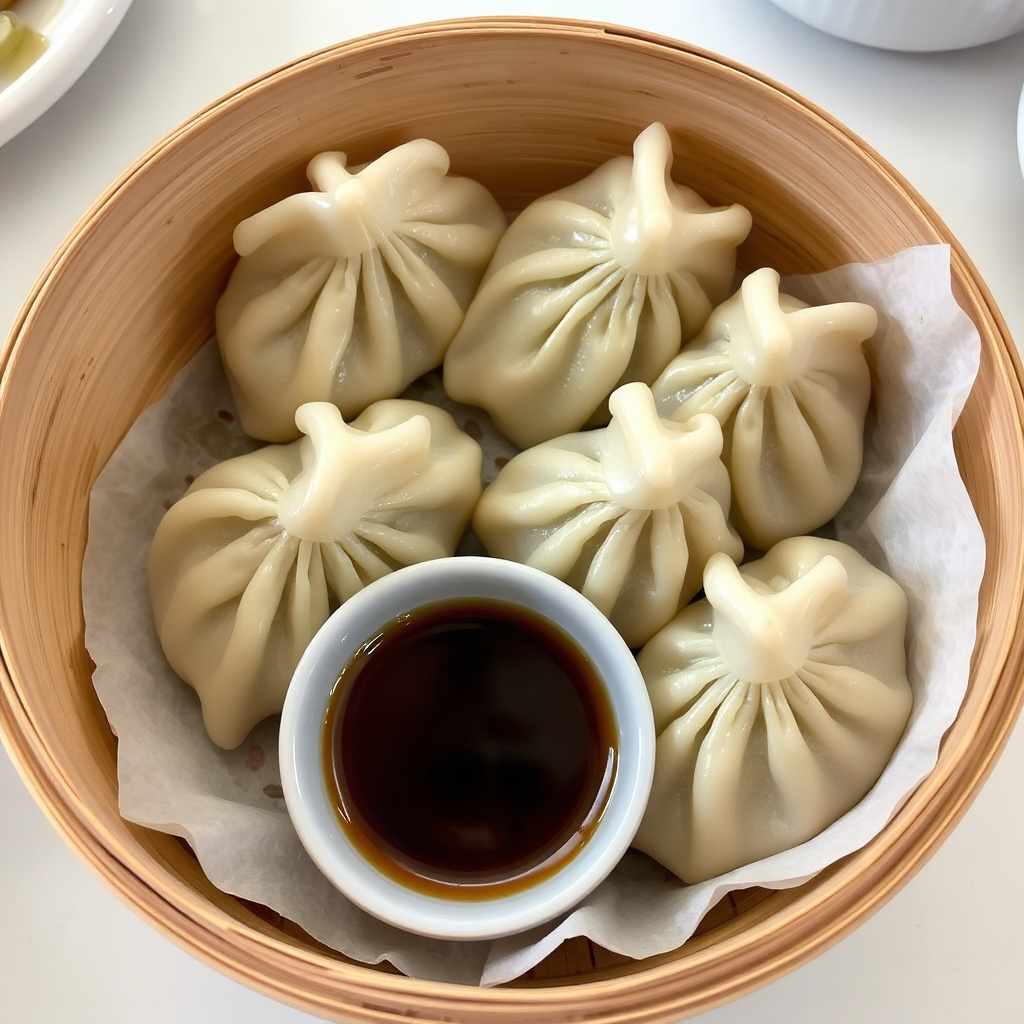
Steaming dumplings preserves moisture and produces tender skin, requiring about 10-12 minutes depending on size. Boiling is quicker and ensures dumplings float to the top when cooked fully.
Both methods benefit from properly sealed dumplings to prevent openings. Use non-stick surfaces or parchment to avoid sticking during steaming.
For more on this, see our related guide: How to Make Dumplings: A Step-by-Step Guide for Beginners.
Pan-Frying and Deep-Frying
Pan-frying creates a crispy bottom while the rest steams inside, commonly known as potstickers. Heat oil in a skillet, arrange dumplings flat-side down, cook until golden, then add water and cover to steam until cooked through.
Deep-fried dumplings are crunchy all around. They require strong seals to contain hot oil and maintain shape. Use moderate heat to avoid burning while cooking filling thoroughly.
- Use non-stick pan for potstickers
- Monitor water level carefully during steaming
- Drain deep-fried dumplings on paper towels
Serving Suggestions and Dipping Sauces

Classic Dipping Sauces for Dumplings
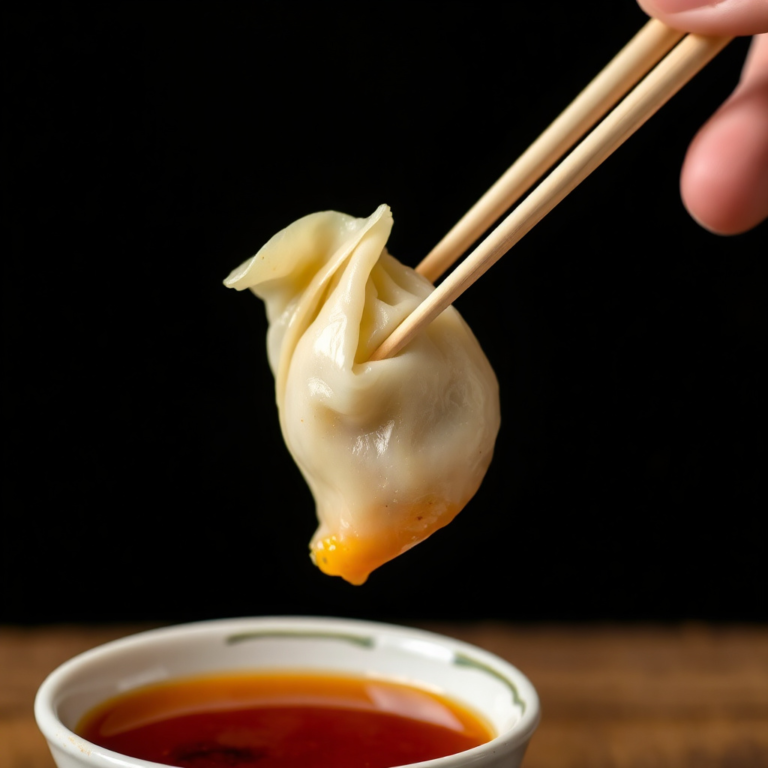
Soy sauce mixed with rice vinegar and a touch of sesame oil creates a flavorful and balanced dipping sauce. Adding minced garlic, ginger, or chili flakes can enhance the taste.
You may also try dipping sauces with peanut, hoisin, or sweet chili bases depending on your personal preference and the filling.
For a broader historical and cultural background on dumplings, see the dumpling Wikipedia article. dumpling Wikipedia article.
Presentation Tips for Serving Dumplings
Arrange dumplings neatly on warmed plates or bamboo steamers to maintain temperature. Garnish with fresh herbs like cilantro or sliced scallions for color contrast.
Serving with side bowls of dipping sauces or small salads adds texture variety and elevates the overall experience.
Comparison of Popular Dumpling Folding Styles
This table highlights key differences between common dumpling folding techniques regarding preparation difficulty, sealing strength, and typical usage.
| Folding Style | Difficulty Level | Sealing Strength | Common Cooking Methods |
|---|---|---|---|
| Half-Moon Fold | Easy | Moderate | Boiling, Steaming, Frying |
| Pleated Fold | Moderate | Strong | Boiling, Steaming, Frying |
| Wonton Fold | Easy | Moderate | Boiling, Deep-Frying, Soup |
| Flower Fold | Hard | Strong | Steaming |
| Potsticker Fold (Pan-Fry Pleats) | Moderate | Strong | Pan-Frying, Steaming |
Frequently Asked Questions
How much filling should I use for each dumpling?
Use about one tablespoon of filling per dumpling to avoid overfilling, which can cause tears or leaks during cooking.
Can I freeze dumplings after folding?
Yes, freeze unfolded dumplings on a tray until firm, then transfer to a sealed container. Cook directly from frozen when ready.
What is the best way to prevent dumpling wrappers from sticking?
Keep wrappers covered with a damp cloth to prevent drying and dust folded dumplings lightly with flour or starch to avoid sticking.
Do I need to seal dumplings perfectly?
Proper sealing is important to prevent filling from leaking during cooking and to maintain the dumpling’s shape and texture.
How can I make pleated folds look neat?
Practice making small, evenly spaced pleats by folding gradually and pressing each pleat firmly to the base edge.
Key Takeaways
- Use the right amount of filling and keep wrappers moist for easy folding.
- The half-moon fold is the quickest, while pleated folds offer a stronger seal.
- Practice with versatile folding styles like wonton and flower shapes to impress.
- Properly sealed dumplings hold up well to steaming, boiling, pan-frying, or deep-frying.
Conclusion
Folding dumplings skillfully combines practicality and artistry, allowing you to prepare meals that are both delicious and visually appealing. Focusing on dough preparation, balanced filling, and mastering a few folding styles will mean you can confidently create dumplings that cook evenly without leaks or breakage. This approach helps you tailor dumplings to your preferred cooking method and presentation, whether for family dinners or special occasions.
Among the folding techniques, the half-moon fold suits beginners seeking quick, reliable results, while the pleated fold adds elegance and robust sealing ideal for steaming or pan-frying. For variety, experimenting with wonton folds in soups or the decorative flower fold when serving guests broadens your dumpling repertoire. Keeping these techniques in mind helps adapt to the filling type and cooking style, ensuring consistent quality and enjoyment.
To improve your dumpling folding, start with simple shapes and gradually practice more intricate pleats or creative folds once you are comfortable. Keeping dough moist and managing filling texture are practical steps for better results. Finally, prepare your preferred dipping sauces and serving setups to elevate the dining experience. With patience and repetition, folding dumplings will become a smooth and fun part of cooking that adds flair and flavor to your meals.




One Comment