How to Fold Wontons Perfectly: Step-by-Step Guide for Beginners
Folding wontons involves a few simple steps that can be mastered with practice. The key is to start with the right amount of filling, properly moisten the edges of the wrapper, and use firm but gentle folds to seal the wonton securely. This prevents the filling from leaking during cooking and creates a neat, attractive shape.
Many people hesitate to make wontons at home because they think folding them is difficult or time-consuming. However, once you understand the basic techniques and shapes, folding wontons becomes a quick and enjoyable cooking task. These delicate dumplings add authentic flavor and texture to soups, fried snacks, and steamed dishes.
This article covers multiple wonton folding methods, from classic triangular folds to more intricate pouch and ingot shapes. You’ll also get tips on choosing the right wrappers and fillings, essential tools for easy handling, and tricks to keep your wontons intact during cooking.
Basic Tools and Ingredients for Folding Wontons
Selecting the Right Wonton Wrappers
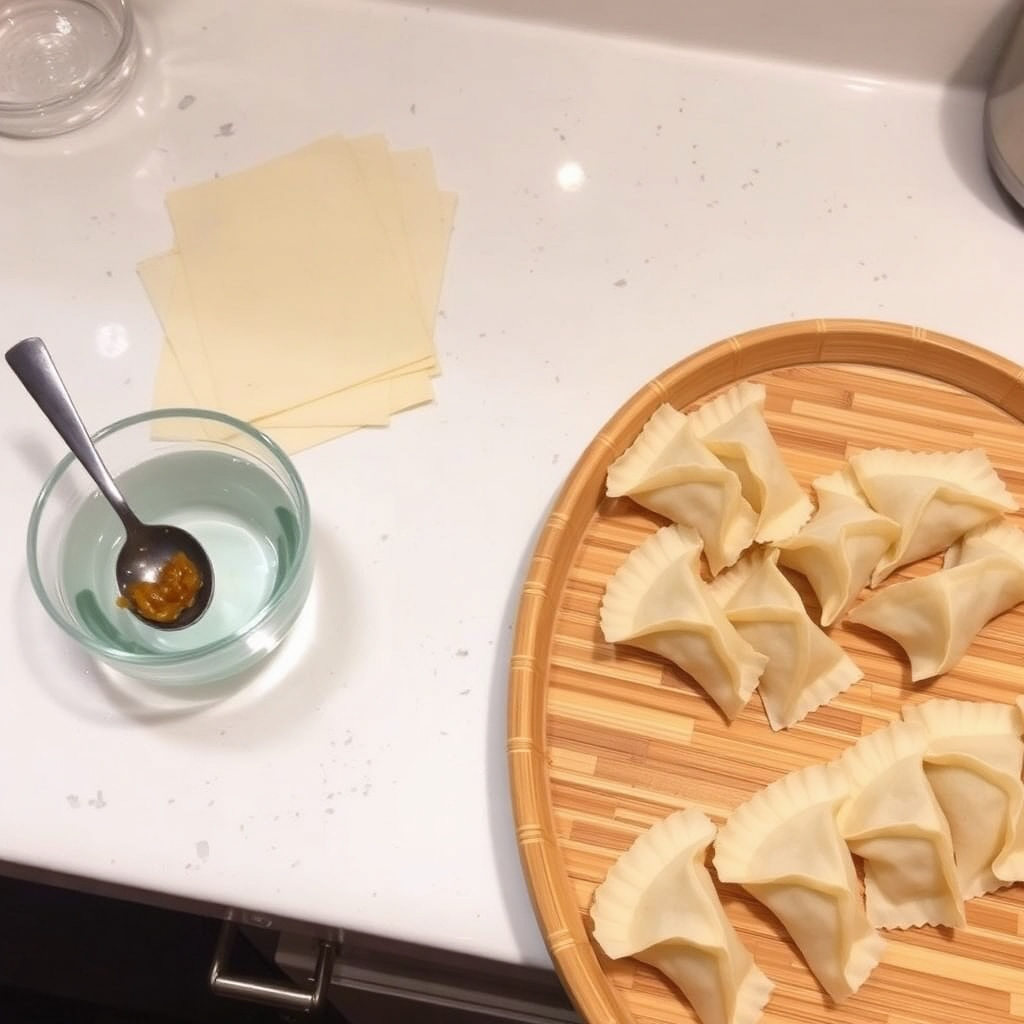
Wonton wrappers come in various sizes and thicknesses, usually made from wheat flour and water. For most recipes, 3.5-inch square wrappers provide an ideal balance between handling ease and filling capacity. Thinner wrappers cook faster and offer a delicate texture, but they tear more easily, so handle them gently.
You can find fresh, refrigerated, or frozen wonton wrappers at many grocery stores. If fresh wrappers are unavailable, frozen ones thaw quickly and hold up well for folding. Avoid using very thick wrappers as they may result in a doughy texture after cooking.
- Square wrappers, approximately 3.5 inches
- Thin yet durable for easy folding
- Fresh, refrigerated, or frozen options
Prepping Filling and Moistening Water
The wrapper edges need to be moistened with water or egg wash before folding to seal the wonton effectively. Use a small bowl or brush to lightly wet the borders. Keep the edges damp but not soaking wet to avoid soggy wrappers.
Filling usually consists of finely chopped meat, vegetables, or seafood combined with seasonings. Make sure your filling is not too wet, as excess moisture can cause the wrapper to break during cooking. A firm, well-mixed filling packs better and supports various folding methods.
- Use water or egg wash for sealing edges
- Keep filling moist but not watery
- Small bowl or brush for even moistening
Classic Wonton Folding Techniques

The Basic Triangle Fold
Place a wonton wrapper flat on your palm and add about one teaspoon of filling in the center. Lightly moisten two adjacent edges of the wrapper. Fold the wrapper diagonally in half to form a triangle, pressing out any trapped air as you seal the edges firmly.
This triangle fold is the foundation that is quick and easy to master. It’s excellent for boiling or steaming and creates a compact wonton shape that holds the filling securely.
- Add about 1 tsp filling center
- Moisten two edges with water
- Fold diagonally and press edges
For more on this, see our related guide: How to Fold Dumplings: Step-by-Step Techniques for Perfect Pleats.
The Envelope or Pouch Fold
After folding the wrapper in half diagonally into a triangle, bring the two opposite corners of the triangle together and moisten to seal, forming a small pouch or envelope shape. This creates a wonton with a rounded bottom and a pointed top, good for frying or soup.
This technique adds a decorative touch while keeping the filling contained. The shape helps the wonton float nicely in broth and creates crisp edges when fried.
- Fold into a triangle first
- Seal two corners together to form pouch
- Ideal for soups and deep-fried wontons
Advanced Wonton Folding Variations

The Ingot or Boat Shape
For the ingot shape, place the filling on the center of a wrapper. Fold opposite edges vertically to meet at the center, moistening the edges to seal. Then fold the corners inward, creating an elongated shape resembling an ancient Chinese gold ingot.
This shape holds more filling and looks elegant in presentation. It’s best for steaming as it maximizes holding capacity without risking open edges.
- Fold opposite edges to center
- Seal edges with water
- Fold corners inward to finish shape
The Bonnet or Hat Style Fold
Start with a square wrapper and add filling. Fold one corner over to the opposite corner to form a triangle, then gather the ends of the triangle and pinch them together at the top, creating a bonnet shape. This design is visually impressive and holds the filling tightly.
Because of its compact form, this shape works well for deep-frying or steaming, offering a crispy or tender texture depending on cooking style.
- Fold into triangle initially
- Pinch top corners together
- Great for frying and steaming
Tips for Handling and Cooking Folded Wontons

Storage Before Cooking
If you’re not cooking immediately, arrange folded wontons on a tray lined with parchment paper to prevent sticking. Cover them lightly with a damp cloth or plastic wrap to keep the wrappers moist. Refrigerate if cooking within a few hours or freeze flattened on a tray before bagging for longer storage.
Freezing won’tons individually avoids sticking and makes it easy to cook portions as needed. Cook frozen wontons directly, adding extra cooking time to allow thorough heating.
- Use parchment paper to prevent sticking
- Cover with damp cloth until cooking
- Freeze individually for longer storage
For more on this, see our related guide: How to Make Crab Rangoon: A Simple Homemade Recipe.
Cooking Methods for Folded Wontons
Wontons can be boiled, steamed, or fried depending on the recipe. Boiling is straightforward: drop wontons carefully into rapidly boiling water and cook until they float plus one to two minutes. Steaming preserves delicate texture and flavor, while frying creates a crispy and golden crunch.
Keep an eye on cooking time, as overcooking makes wrappers fall apart. Use gentle stirring when boiling, and sufficient oil temperature when frying to avoid soggy results.
- Boil until wontons float plus extra 1-2 minutes
- Steam in a basket for tender texture
- Fry in hot oil for crispiness
Common Folding Mistakes and How to Avoid Them

Sealing Errors Leading to Leaks
One typical issue is not moistening the wrapper edges evenly or using too much filling, causing the wonton to burst open during cooking. Press edges firmly after moistening to create an airtight seal. Avoid overstuffing and keep edges dry right up to the seal line.
Filling moisture is also a factor; watery mixtures soften wrapper edges and make sealing difficult. Drain or pat dry ingredients to reduce excess liquid.
- Moisten edges lightly and evenly
- Press edges firmly to seal
- Don’t overfill the wonton wrapper
For additional details on wonton history and folding variations, check the wonton folding techniques at Wikipedia. wonton folding techniques at Wikipedia.
Folding Wrappers Without Trapped Air
Trapped air pockets inside folded wontons often cause uneven cooking or bursting. Before sealing, gently press the filling down and smooth out the wrapper to expel air. Flatten any bubbles by running fingers along the edges.
Properly folded wontons have smooth, flat edges without bulges. This also helps them cook evenly and stay intact.
- Press filling down before sealing
- Smooth edges to eliminate air pockets
- Ensure flat, tight folds
Wonton Folding Techniques Comparison
Here's a breakdown of popular wonton folding styles, highlighting their ease, appearance, and ideal cooking methods.
| Technique | Complexity | Best Cooking Method | Appearance |
|---|---|---|---|
| Triangle Fold | Easy | Boiling, Steaming | Simple and Classic |
| Envelope Fold | Moderate | Soup, Frying | Decorative Pouch Shape |
| Ingot Fold | Moderate | Steaming | Elegant, Holds More Filling |
| Bonnet Fold | Advanced | Frying, Steaming | Compact and Eye-Catching |
Frequently Asked Questions
Can I use homemade wonton wrappers instead of store-bought ones?
Yes, homemade wonton wrappers made with flour and water can be used. They offer fresher taste and texture but require more time and practice to roll thinly and evenly.
How much filling should I put in each wonton wrapper?
Approximately one teaspoon of filling is ideal to avoid overstuffing, which can cause the wrapper to tear or leak during cooking.
What is the best way to store folded wontons before cooking?
Arrange wontons on parchment-lined trays, cover them with a damp cloth, and either refrigerate for up to a few hours or freeze individually for longer storage.
How long should I boil wontons to know they are cooked?
Boil wontons until they float to the surface, then cook for an additional 1-2 minutes to ensure the filling is thoroughly cooked.
Can I freeze wontons after folding?
Yes, freeze wontons laid out individually on trays to prevent sticking, then store in bags. Cook them directly from frozen, adding extra cooking time.
Key Takeaways
- Use the right size and type of wonton wrappers for easy folding
- Moisten wrapper edges lightly to create a secure seal
- Master basic folds like the triangle and envelope before trying advanced shapes
- Handle wontons gently to prevent tearing and leaking during cooking
Conclusion
Mastering how to fold wontons requires patience and attention to detail, starting with selecting appropriate wrappers and preparing your filling properly. The key is to keep the edges moist just right and avoid overstuffing, enabling you to seal each wonton cleanly. Different folding styles offer a balance between ease and presentation, but practicing a simple triangle fold is an excellent foundation for beginners to build confidence and speed.
If you’re new to making wontons, beginning with the classic triangle fold will allow you to focus on sharpening your sealing technique and handling. Once comfortable, try the envelope fold for soups or the ingot fold for steamer presentations. For crispy appetizers, the bonnet fold adds visual appeal and holds up well in hot oil. Choosing the right filling consistency and using a small brush or fingertip to wet edges helps achieve that perfect, leak-proof seal every time.
After perfecting folding techniques, experiment with cooking methods like boiling, steaming, or frying to explore different textures and flavors. Always store unused folded wontons on parchment to prevent sticking, refrigerating or freezing as needed. Whether you want quick homemade soup dumplings or fancy fried snacks, learning how to fold wontons opens the door to delicious recipes and a rewarding hands-on cooking experience.