How to Tell If Fried Rice Is Bad: Safety Tips and Signs to Watch For
Determining if fried rice is bad starts with observing its smell, texture, and appearance. Spoiled fried rice often smells sour or unpleasant, may feel slimy or sticky, and can show discoloration like dullness or mold spots. If any of these signs are present, it’s best to discard the rice immediately.
Fried rice is particularly prone to bacteria like Bacillus cereus if not stored or handled properly. Consuming spoiled fried rice can lead to foodborne illness with symptoms such as nausea and vomiting. Understanding these warning signs helps prevent health risks associated with eating bad fried rice.
This article will explain how to tell if fried rice is bad by analyzing odor, texture, and visual cues, plus storage tips to prolong freshness and keep your meals safe. We’ll also cover common mistakes and when to throw fried rice out to avoid health issues.
Identifying Spoiled Fried Rice by Smell and Appearance
Recognizing Off or Sour Odors
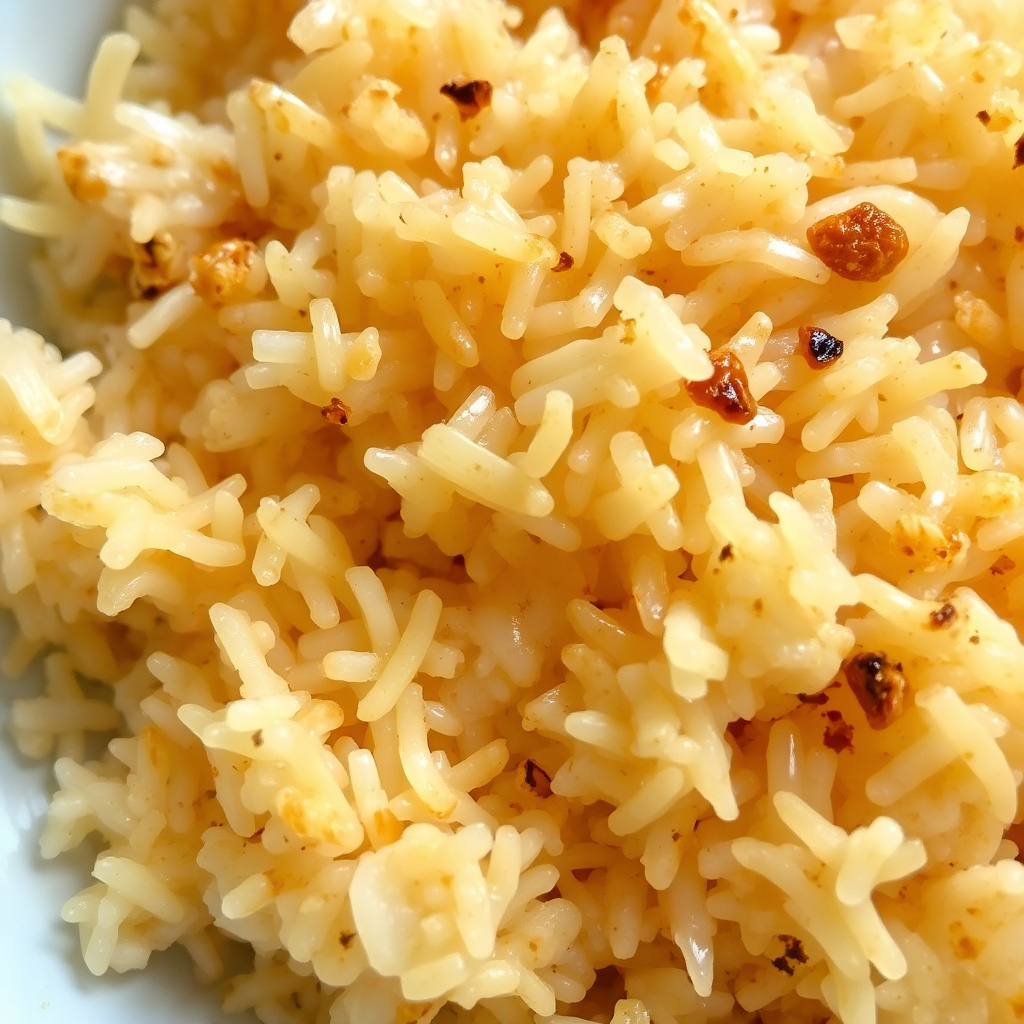
Fresh fried rice has a mild, savory aroma influenced by ingredients like soy sauce and vegetables. If it smells sour, musty, or otherwise off, this is a strong indicator of spoilage caused by bacterial growth.
The development of a sour smell often results from fermentation or bacterial activity that breaks down starches in the rice, signaling that it's unsafe to eat.
Visual Changes to Watch For
Spoiled fried rice may exhibit discoloration such as dull, grayish hues instead of its usual golden or brown tones. Mold spots can appear as green, blue, or white fuzzy patches.
Texture alterations visible to the eye, like soaking wet or hardened grains stuck together unusually, can also suggest the rice is past safe consumption.
- Discoloration or fading color
- Visible mold patches
- Excessive moisture or clumping
Texture and Taste Changes Indicating Fried Rice Has Gone Bad

Feeling Slimy or Sticky Texture
One common sign of bad fried rice is a sticky or slimy feel when touched. This occurs due to bacterial growth producing a biofilm, which can be slippery and unpleasant.
Normal fried rice grains are separate and slightly firm, so a change toward stickiness often means the rice should be discarded to avoid digestive issues.
Bitter or Strange Taste Test
If you choose to taste a small amount, spoiled fried rice might taste bitter, sour, or simply off compared to freshly cooked rice.
However, tasting rice suspected to be spoiled carries risk, so it’s safer to rely on smell and visual signs to judge freshness instead.
Proper Storage Techniques to Keep Fried Rice Fresh

Cooling and Refrigeration Best Practices
Cooked fried rice should be cooled quickly, ideally within two hours of cooking, before placing it in an airtight container in the refrigerator. This minimizes the opportunity for bacteria to multiply.
Maintaining the refrigerator temperature below 40°F (4°C) is crucial to keep fried rice fresh and safe to eat for 3-4 days.
- Cool rice promptly after cooking
- Store in an airtight container
- Refrigerate at or below 40°F (4°C)
For more on this, see our related guide: How Long Can Chinese Food Sit Out Safely at Room Temperature?.
Avoiding Common Storage Mistakes
Leaving fried rice out at room temperature for extended periods increases spoilage risks dramatically. Avoid reheating multiple times, as this stresses the rice and encourages bacterial growth.
Freezing leftover fried rice is an option to extend shelf life for up to one month, but always thaw thoroughly before reheating.
- Do not leave rice out more than 2 hours
- Limit reheating to one time
- Freeze if storing beyond 4 days
Health Risks of Eating Spoiled Fried Rice

Understanding Bacillus cereus Poisoning
Fried rice is a common source of Bacillus cereus bacteria, which can survive cooking and multiply if rice is improperly stored. Consumption of contaminated rice leads to food poisoning symptoms like vomiting and diarrhea within hours.
Recognizing signs of rice spoilage before eating can prevent this avoidable but unpleasant illness.
Symptoms and When to Seek Medical Help
Typical symptoms include nausea, abdominal cramps, vomiting, and diarrhea usually appearing 1-6 hours after eating bad fried rice.
If symptoms become severe or persist beyond 24 hours, especially in vulnerable groups like children or the elderly, medical attention should be sought promptly.
- Nausea and vomiting
- Diarrhea and stomach cramps
- Seek medical help if severe or lasting
Signs to Throw Out Fried Rice Immediately
When Smell and Appearance Are Clearly Off
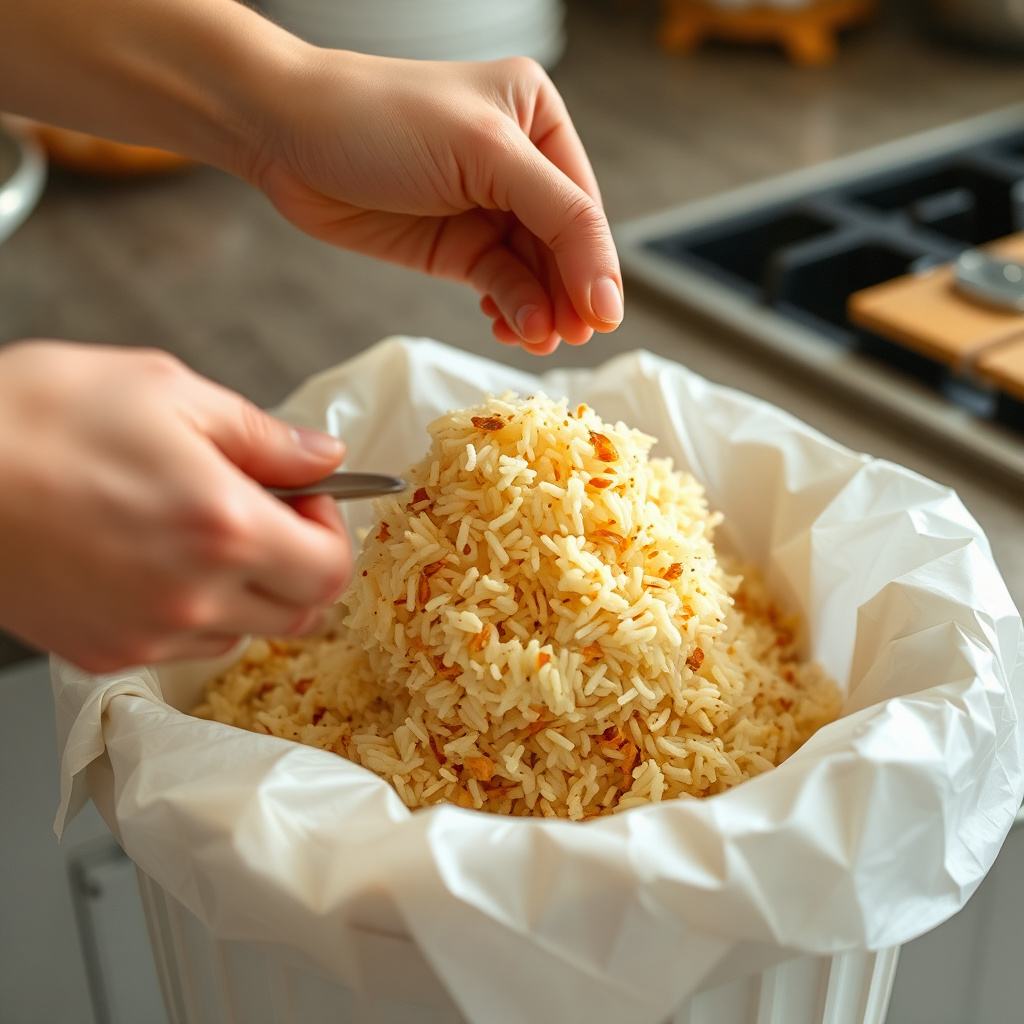
If your fried rice shows any mold, emits an unusual sour or rancid odor, or looks discolored and wet, these are strong signals to discard it without tasting.
Keeping such rice poses avoidable health risks, so it’s safer to err on the side of caution.
For more on this, see our related guide: How Long Can Sushi Sit Out Safely? Expert Food Safety Tips.
Discarding Rice That Has Been Left Out Too Long
Rice left at room temperature for more than two hours falls into the danger zone for bacterial growth, even if it appears fine.
Always throw out fried rice that has remained unrefrigerated beyond this time to reduce the chance of foodborne illness.
Using Fried Rice Food Safety Tips to Prevent Waste

Portioning and Timing Consumption
Preparing fried rice in smaller portions helps consume leftovers quicker, lowering the chance of spoilage. Plan meals to use rice within a few days of cooking.
Meal prepping effectively balances safety and convenience.
- Cook and store manageable portions
- Consume leftovers within 3-4 days
For more detailed information on the risks posed by Bacillus cereus bacteria commonly linked to fried rice, visit this CDC resource. Bacillus cereus food poisoning.
Reheating Safely Without Compromising Quality
Reheat fried rice thoroughly until steaming hot (165°F or 74°C) to kill any bacteria before eating.
Avoid reheating multiple times; only take out the amount you plan to eat to keep the rest fresh.
- Heat to at least 165°F (74°C)
- Only reheat once
Fried Rice Storage Methods Comparison
Here’s a comparison of common fried rice storage options to help keep your rice fresh and safe to eat.
| Storage Method | Shelf Life | Convenience | Recommended Uses |
|---|---|---|---|
| Refrigeration in airtight container | 3-4 days | High | Daily leftovers |
| Freezing in freezer-safe bag | Up to 1 month | Moderate | Long-term storage |
| Room temperature (not recommended) | Less than 2 hours | Low | Initial cooling only |
| Vacuum-sealed refrigeration | 5-7 days | Low | Extended freshness |
Frequently Asked Questions
Can you eat fried rice the day after cooking?
Yes, fried rice stored properly in the refrigerator can be safely eaten the next day, ideally within 3-4 days to avoid spoilage.
What happens if you eat bad fried rice?
Eating spoiled fried rice can cause food poisoning with symptoms like nausea, vomiting, and diarrhea due to bacteria such as Bacillus cereus.
How can I keep fried rice fresh longer?
Cool fried rice quickly after cooking, store it in airtight containers, refrigerate promptly, and consume within 3-4 days or freeze for longer storage.
Is it safe to reheat fried rice multiple times?
Reheating multiple times increases bacterial risk. It’s safer to reheat fried rice just once and only the portion you intend to eat.
Can frozen fried rice spoil?
Frozen fried rice can last up to a month safely but may lose texture and flavor over time. Always thaw and reheat thoroughly.
Key Takeaways
- Spoiled fried rice often smells sour and looks discolored or moldy.
- Sticky or slimy texture indicates bacterial growth and spoilage.
- Store fried rice properly by cooling fast and refrigerating within 2 hours.
- Consume leftovers within 3-4 days or freeze to extend shelf life.
Conclusion
Checking whether fried rice is bad involves careful attention to smell, texture, and appearance. These simple cues help avoid eating spoiled rice that could cause foodborne illness. By observing signs like sour odors or mold and discarding food that looks or feels off, you prioritize your health effectively. The decision to toss or keep fried rice should always err on the side of safety given the potential risks involved.
When managing leftover fried rice, proper cooling and storage can minimize waste and keep your food safe. Refrigeration in airtight containers typically keeps rice fresh for up to four days, while freezing can preserve it for longer periods. Avoid leaving rice at room temperature too long or reheating multiple times. Different storage methods each have strengths, and choosing the right one depends on how quickly you plan to consume the rice.
Practically, the best approach is to prepare only the amount you will eat soon or promptly refrigerate and properly reheat leftovers. Trust your senses—if you notice any off smells, textures, or appearance changes, discard the fried rice immediately. Following these guidelines will help you enjoy tasty fried rice safely and reduce the risk of illness.