How to Make Shrimp Tempura Roll: A Step-by-Step Guide for Sushi Lovers
Making a shrimp tempura roll involves preparing crispy fried shrimp tempura and rolling it carefully with sushi rice and nori seaweed. The key is getting the tempura batter light and crunchy, then assembling the roll with complementary ingredients like avocado and cucumber to balance texture and flavor.
Shrimp tempura rolls are popular in Japanese cuisine for their satisfying crunch and savory taste. Creating this dish at home offers control over freshness, ingredient quality, and portion size, allowing you to customize the roll to your preferences and impress guests with authentic sushi.
This guide will walk you through every stage: how to batter and fry shrimp tempura perfectly, prepare sushi rice, assemble the nori roll, and slice your shrimp tempura roll for serving. Plus, tips on variations and common pitfalls will help you achieve a delicious, restaurant-style sushi roll right in your kitchen.
Understanding Shrimp Tempura: The Heart of the Roll

Selecting and Preparing Shrimp for Tempura
Choose fresh large shrimp with shells removed but tails intact for presentation. Devein and rinse the shrimp, then pat dry to ensure the batter adheres well. Slightly scoring the shrimp’s underside prevents curling during frying and ensures even cooking.
Cold shrimp works best to keep the tempura batter from activating too quickly. Keep shrimp chilled until just before dipping to get a light, crisp coating after frying.
Making a Light and Crispy Tempura Batter
Combine ice-cold water with cake flour or tempura flour to make a batter that’s lumpy and thin, avoiding overmixing which develops gluten and causes heaviness. Adding ice cubes keeps the batter cold while frying maintains crispiness.
Use a minimal amount of baking powder or cornstarch for extra crunch. The batter should coat shrimp in a thin layer that fries quickly to a delicate crunch without absorbing excess oil.
- Use ice-cold water
- Keep batter lumpy — do not overmix
- Add a bit of cornstarch for crispiness
- Fry at 350-375°F (175-190°C)
Preparing Sushi Rice for the Shrimp Tempura Roll

Cooking and Seasoning Sushi Rice
Rinse short-grain sushi rice thoroughly until water runs clear to remove excess starch. Cook using a rice cooker or stovetop with the correct water ratio for ideal texture—sticky but not mushy.
Season the hot cooked rice with a mixture of rice vinegar, sugar, and salt. Gently fold to combine and cool to room temperature while fanning to create a glossy, sticky texture perfect for rolling.
Getting the Right Consistency to Hold the Roll Together
Sticky but slightly firm rice is essential. Too wet, and the roll becomes soggy and hard to slice; too dry, and it won’t cling to the nori properly. Use wet hands or rice paddle when handling to prevent sticking.
Spread rice evenly but thinly over the nori sheet, leaving a small edge to seal the roll. Uniform rice layer ensures compact rolling without bursting.
Essential Tools and Ingredients for Shrimp Tempura Roll
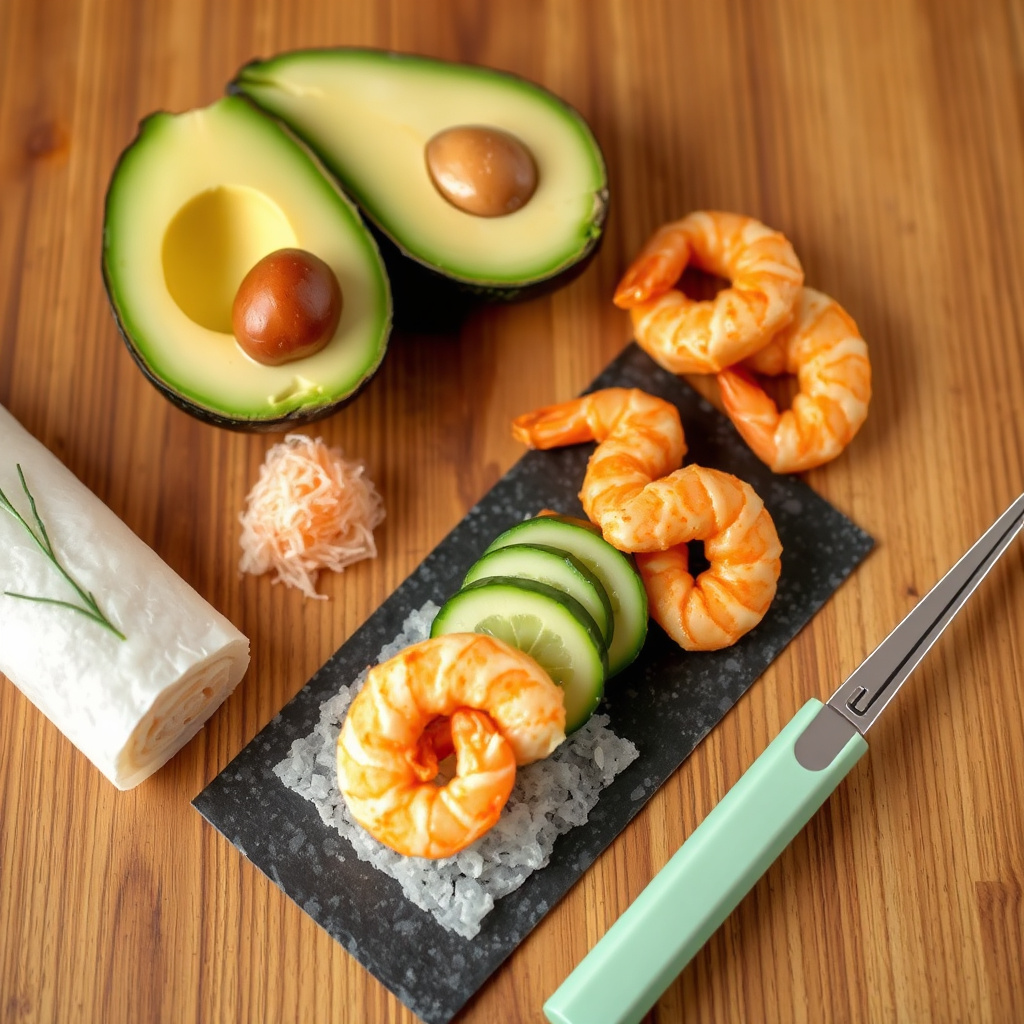
Must-Have Tools for Sushi Rolling
A bamboo sushi rolling mat (makisu) is crucial for shaping the roll tightly and evenly. Having a sharp knife helps slice rolls cleanly without crushing or tearing the delicate ingredients.
Rice paddles or wooden spoons assist in spreading rice without mashing grains. A deep fryer or heavy-bottomed pan with a thermometer ensures shrimp are fried at the right temperature for crispiness.
- Bamboo rolling mat
- Sharp sushi knife
- Rice paddle
- Deep fryer or saucepan with thermometer
For more on this, see our related guide: How to Make Dragon Roll Sushi at Home: A Step-by-Step Guide.
Fresh Ingredients to Assemble Your Roll
Besides shrimp tempura, commonly used fillings include ripe avocado, cucumber strips, and sometimes spicy mayo or fish roe to enhance flavor and texture. High-quality nori seaweed sheets provide a sturdy base and subtle umami taste.
Keep all ingredients chilled before assembly to preserve freshness and firmness, especially avocado and cucumber.
- Fresh shrimp
- Nori sheets
- Avocado
- Cucumber
- Spicy mayo or fish roe (optional)
How to Assemble Your Shrimp Tempura Roll

Step-by-Step Rolling Technique
Lay a sheet of nori on the bamboo mat and evenly spread a thin layer of sushi rice over it, leaving a 1-inch margin. Carefully place shrimp tempura pieces in a line along the bottom edge with avocado and cucumber beside them for balance.
Fold the edge of the bamboo mat upward and over the fillings while pressing gently but firmly. Continue rolling until the nori seals. Use a little water on the edge to close the roll securely.
Cutting and Presenting Your Shrimp Tempura Roll
Use a sharp, wet knife to slice the roll into even pieces, typically eight per roll. Wetting the knife between cuts prevents rice from sticking and preserves the roll's shape.
Arrange pieces on a plate with pickled ginger, wasabi, and soy sauce for dipping. Garnish with sesame seeds or tobiko for extra color and texture.
Serving Suggestions and Variations

Popular Complementary Sauces and Sides
Shrimp tempura rolls pair well with spicy mayonnaise, eel sauce, or ponzu for an added flavor kick. Side dishes like miso soup and seaweed salad enhance the meal experience without overpowering the roll’s delicate taste.
Using freshly grated wasabi instead of paste offers a more authentic and pungent bite that highlights the tempura’s crispiness.
- Spicy mayo
- Eel sauce
- Ponzu
- Miso soup
- Seaweed salad
For more on this, see our related guide: How to Make Rainbow Roll: A Step-by-Step Sushi Guide.
Creative Variations on Shrimp Tempura Rolls
Experiment with additions like cream cheese, jalapeño slices, or mango for sweetness to add new flavor profiles. Inside-out rolls replace the nori outside with rice for a different texture and look.
Vegetarian alternatives use tempura vegetables in place of shrimp, retaining the crispy tempura element while accommodating different dietary preferences.
- Inside-out shrimp tempura roll
- Tempura vegetable roll
- Spicy shrimp tempura roll with jalapeños
Health and Storage Tips for Shrimp Tempura Roll

Nutrition Considerations for Shrimp Tempura
Shrimp tempura rolls are indulgent due to frying and sauces, offering protein with moderate calories. Using minimal oil, fresh veggies, and limiting high-fat condiments makes the roll more balanced nutritionally.
Keep portion sizes moderate and pair rolls with light sides for a satisfying yet not overly heavy meal.
For a detailed background on the frying technique used in shrimp tempura, see the Wikipedia article on Tempura. Wikipedia article on Tempura.
How to Store and Reheat Leftover Rolls
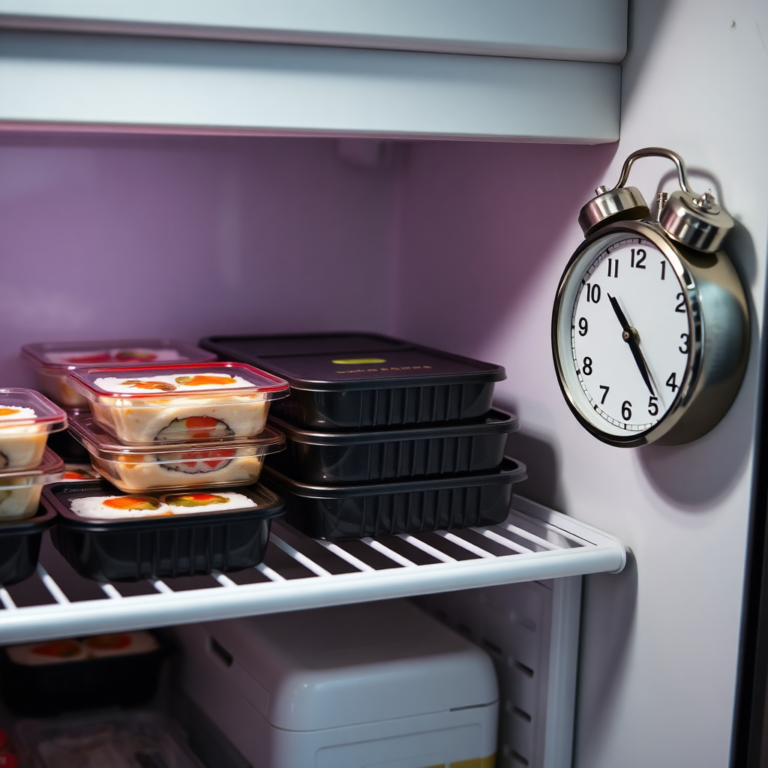
For best quality, consume shrimp tempura rolls immediately. If storing, keep them tightly wrapped in plastic wrap in the refrigerator for up to 24 hours to maintain moisture but expect some texture loss.
Reheating tempura rolls is tricky as frying crispiness diminishes; reheating in an oven at low heat briefly helps regain some crunch, but fresh is always preferable.
Types of Shrimp Tempura Roll Compared
Explore the differences in popular shrimp tempura roll styles to find the one that matches your taste and preparation preferences.
| Type | Rice Position | Additional Fillings | Texture | Ease of Preparation |
|---|---|---|---|---|
| Classic Shrimp Tempura Roll | Rice inside | Avocado, cucumber | Crunchy shrimp with soft rice | Moderate |
| Inside-Out Roll (Uramaki) | Rice outside | Avocado, cucumber, sesame seeds | Crunchy exterior with soft nori inside | More complex |
| Spicy Shrimp Tempura Roll | Rice inside | Spicy mayo, jalapeño | Crunchy with spicy kick | Moderate |
| Vegetable Tempura Roll | Rice inside | Tempura vegetables, avocado | Crunchy vegetables, lighter | Moderate |
| Shrimp Tempura Hand Roll | Rice inside | Minimal fillings | Crunchy and handheld | Easy |
Frequently Asked Questions
What type of shrimp is best for shrimp tempura rolls?
Large, fresh shrimp with tails on are ideal because they hold their shape during frying and offer a pleasing texture and presentation.
Can I use frozen shrimp for tempura?
Yes, but thaw completely and pat dry to avoid excess moisture, which can affect batter adhesion and oil splatter.
How do I prevent shrimp tempura from becoming soggy in the roll?
Fry shrimp at the right temperature until crispy, and assemble rolls just before serving to maintain texture.
Is shrimp tempura roll healthy to eat often?
While shrimp provide protein, tempura frying adds oil and calories, so enjoy shrimp tempura rolls in moderation as part of a balanced diet.
Can I prepare shrimp tempura batter in advance?
Tempura batter works best fresh and cold; preparing it in advance may cause it to lose its light, crisp qualities during frying.
Key Takeaways
- Light, cold tempura batter is essential for crisp shrimp.
- Properly seasoned sushi rice binds the roll without sogginess.
- Bamboo mats and sharp knives create neat, even rolls.
- Serve rolls fresh for the best texture and flavor.
Conclusion
Making shrimp tempura roll at home combines a few technical steps that bring a rewarding sense of accomplishment and delicious results. From selecting quality shrimp to preparing a well-balanced sushi rice, attention to detail at each stage impacts the final product. The rolling process, though delicate, becomes straightforward with practice and the right tools, demonstrating the appeal of handmade sushi for enthusiasts and casual cooks alike.
Different shrimp tempura roll styles—from the classic roll with cucumber and avocado to spicy variations or inside-out rolls—offer options suitable for various tastes. Vegetable tempura rolls provide a tasty alternative for those avoiding seafood. Choosing your preferred style depends on comfort with preparation and flavor preferences, but all benefit from fresh ingredients and timely assembly.
If you want to try making shrimp tempura roll, start with classic preparation ensuring crisp shrimp and properly seasoned rice, and invest in a bamboo rolling mat for ease. Gathering quality ingredients and practicing your rolling technique will yield satisfying sushi experiences. For further reading on sushi techniques and history, consider exploring reputable culinary sites or Japanese cooking guides to expand your skills after mastering this delicious dish.


3 Comments