How to Velvet Chicken for Tender, Juicy Stir-Fries
Velveting chicken is a cooking technique that involves marinating and briefly blanching the meat to achieve a tender, silky texture. By coating chicken pieces with a mixture of ingredients and par-cooking them in hot water or oil, you lock in moisture and prevent toughness during stir-frying. This method is common in Chinese cuisine and ensures the chicken remains juicy and tender even after high-heat cooking.
Knowing how to velvet chicken matters because chicken tends to dry out quickly when cooked at high temperatures. Velveting protects the proteins and keeps the meat supple, making it more enjoyable in dishes like stir-fries or cold salads. Without this step, chicken often ends up chewy and less flavorful, which can detract from the overall dish experience.
This article will cover various velveting methods, including the marinade ingredients, cooking techniques, and tips for using velveted chicken in different recipes. Additionally, we'll compare velveting by blanching versus deep-frying and outline how to fine-tune the process to your preference.
Understanding the Science Behind How to Velvet Chicken
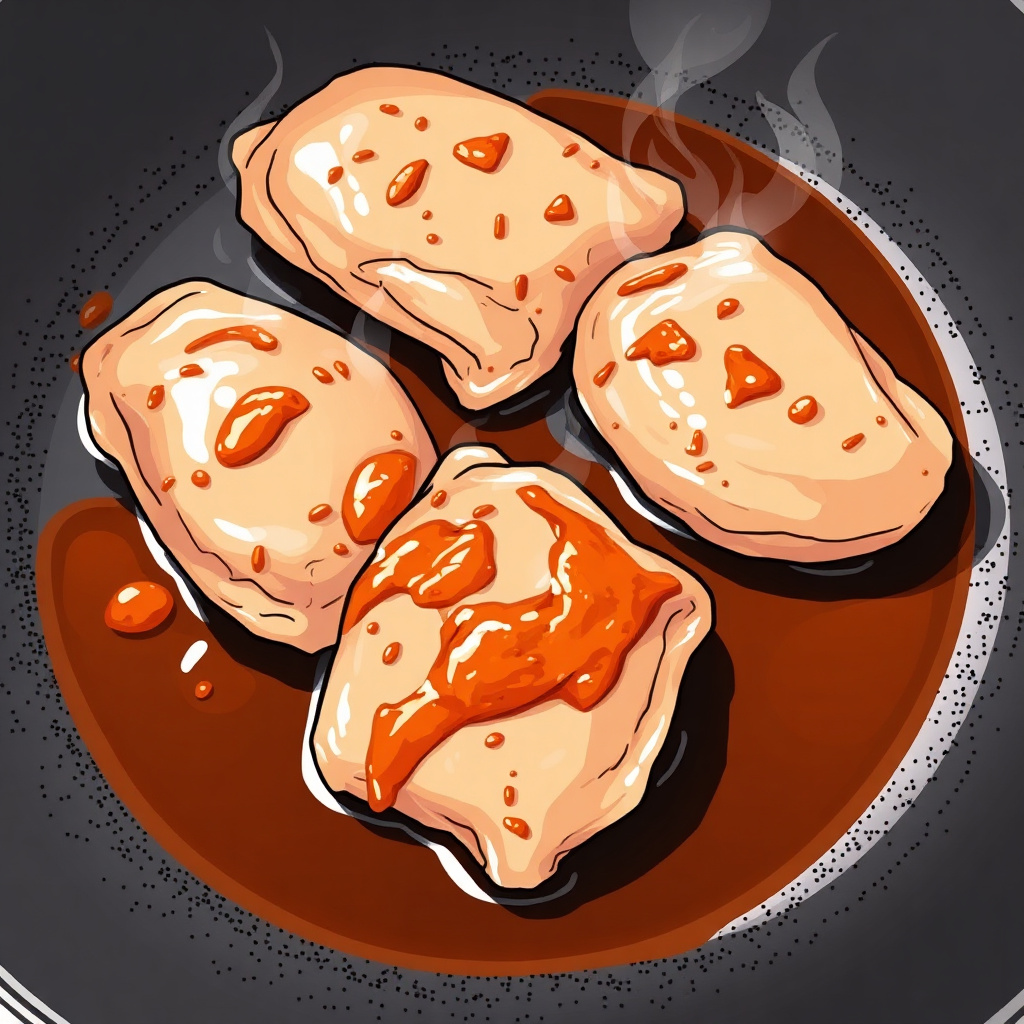
What Happens to Chicken During Velveting
Velveting works by coating chicken pieces with a mixture that typically includes cornstarch, egg white, and sometimes rice wine or baking soda, creating a protective barrier. This barrier prevents the rapid coagulation of proteins when exposed to heat, which causes toughness.
When velveted chicken is briefly cooked in hot water or oil, the surface proteins set gently, locking moisture inside. This results in chicken that stays tender and juicy through subsequent sautéing or stir-frying.
Common Ingredients in a Velveting Marinade
The basic velveting marinade consists of cornstarch and egg white, which combine to form a smooth coating. Some recipes add Shaoxing wine or soy sauce for flavor and a small pinch of baking soda to enhance tenderization by raising pH levels.
The marinade ratio and timing are key; typically, chicken pieces are marinated for 20-30 minutes before cooking to allow the ingredients to penetrate and coat evenly.
- Cornstarch – main coating agent
- Egg white – smooth texture and adhesion
- Shaoxing wine or rice wine – flavor enhancer
- Baking soda – tenderizes meat by raising pH
Techniques for Velveting Chicken: Blanching vs Deep-Frying

Velveting by Blanching in Hot Water
Blanching involves submerging marinated chicken pieces in simmering water or broth for about 30 seconds to a minute. This gently cooks the chicken’s surface without overcooking the interior, preserving tenderness.
Blanching is a healthier option as it uses no oil, and it's simple for most home cooks. After blanching, the chicken is drained and quickly stir-fried for flavor and caramelization.
- Use water just below boiling
- Cook for 30-60 seconds
- Drain immediately to stop cooking
For more on this, see our related guide: How to Make Lemon Chicken: A Step-by-Step Recipe for Tender, Flavorful Meat.
Velveting by Deep-Frying in Oil
Alternatively, velveted chicken can be deep-fried at a lower temperature (around 320°F/160°C) until the coating sets but before the chicken is fully cooked. This yields a slightly crisp exterior with a soft interior.
This method adds richness and texture but requires careful temperature control and oil use, making it less suited for low-fat cooking preferences.
- Oil temperature roughly 320°F (160°C)
- Fry for about 30-60 seconds until coating firms
- Drain excess oil before stir-frying
Best Velvet Chicken Marinade Tips for Flavor and Texture

Adjusting Ingredient Ratios for Desired Tenderness
Increasing cornstarch concentration makes the coating thicker and silkier, which enhances the velvet texture, but too much cornstarch can cause a gummy feel. Balancing egg whites keeps the coating light and smooth.
For extra tenderness, a small pinch of baking soda can be added, but it should be used sparingly to avoid a soapy taste.
- 3 tablespoons cornstarch per 1 pound chicken
- 1 egg white per 1 pound chicken
- Optional: 1 teaspoon baking soda for tenderization
Enhancing Flavor in the Velveting Marinade
Adding Shaoxing wine imparts a subtle aroma and depth that complements Chinese stir-fries. Soy sauce or sesame oil can add saltiness and nuttiness but should be used lightly to avoid overpowering.
Marinating time affects flavor penetration; at least 20 minutes is recommended to allow the chicken to absorb the marinade fully.
- 1 tablespoon Shaoxing wine
- 1 teaspoon soy sauce (optional)
- Marinate for 20-30 minutes
Incorporating Velveted Chicken into Stir-Fries

Timing and Temperature for Cooking Velveted Chicken
After velveting, chicken cooks quickly in a hot wok or skillet. Because the interior is already partially cooked, stir-fry it for just 1-2 minutes to finish cooking and develop browning without drying it out.
Keeping the heat high is essential to achieve caramelization and avoid sogginess in the final dish.
- Cook on high heat
- Stir-fry chicken for 1-2 minutes post-velveting
- Add sauce last to avoid steaming chicken
For more on this, see our related guide: How to Make Szechuan Chicken: A Spicy and Flavorful Guide.
Pairing Velveted Chicken with Vegetables and Sauces
Velveted chicken pairs well with quick-cooking vegetables like bell peppers, snap peas, or bok choy. These ingredients complement the tender chicken and add fresh texture.
Light sauces such as ginger-garlic, black bean, or light soy-based sauces enhance the flavor without overpowering the delicate velveted texture.
Storage and Reheating of Velveted Chicken

Proper Storage to Maintain Texture
Velveted chicken should be cooled quickly after cooking and stored in an airtight container in the refrigerator. It can last 2-3 days but is best fresh to preserve its tender texture.
Avoid freezing velveted chicken as freezing can alter the delicate coating and result in moisture loss after thawing.
- Store in airtight container
- Use within 2-3 days for best quality
- Avoid freezing to preserve texture
For more detailed information on velveting and its origins, refer to the Velveting technique on Wikipedia. Velveting technique on Wikipedia.
Reheating Without Drying Out Velveted Chicken
Reheat velveted chicken gently in a hot pan with a splash of water or sauce to maintain moisture. Microwaving can dry it out quickly, so pan reheating is preferable.
Stir-frying briefly with fresh vegetables can refresh the dish and restore juiciness during reheating.
- Use a hot skillet with splash of liquid
- Avoid prolonged reheating
- Combine with fresh veggies when reheating
Velveting Methods Compared: Blanching vs. Deep-Frying
Here's a comparison of the two most popular velveting methods, outlining their pros, cons, and ideal uses.
| Method | Cooking Time | Texture Result | Healthiness | Best For |
|---|---|---|---|---|
| Blanching in Hot Water | 30-60 seconds | Smooth, tender, soft | Healthier (no added oil) | Light stir-fries, healthy meals |
| Deep-Frying in Oil | 30-60 seconds | Tender with crispy edges | Less healthy (uses oil) | Crispy texture desired dishes |
Frequently Asked Questions
Can I velvet chicken without egg white?
Yes, you can skip egg white and use just cornstarch with a little water or rice wine, but the coating may be less silky and slightly less tender.
How long should I marinate chicken for velveting?
Marinate chicken for at least 20-30 minutes to allow the cornstarch and egg white to fully coat the pieces for best velvet texture.
Is velveting only used for chicken?
No, velveting is also commonly used with pork, beef, shrimp, and fish in Chinese cooking to maintain tenderness.
Can I prepare velveted chicken in advance?
Velveted chicken can be prepared ahead but is best cooked fresh. Store cooked velveted chicken in the fridge for 2-3 days but avoid freezing.
Key Takeaways
- Velveting locks in moisture to keep chicken tender and juicy during stir-frying.
- Marinade ingredients like cornstarch and egg white create a smooth protective coating.
- Blanching and deep-frying are two effective velveting methods with different textures.
- Velveted chicken cooks quickly and pairs well with light sauces and fresh vegetables.
Conclusion
Understanding how to velvet chicken involves recognizing the unique method of coating and partial cooking that preserves tenderness and moisture. The key is using cornstarch and egg white in a marinade and then briefly cooking the chicken by blanching or frying. This process stops proteins from toughening during subsequent high-heat cooking, resulting in irresistibly soft, juicy pieces that elevate any stir-fry or Asian-inspired recipe. Keeping balance with marinade timing and cooking temperature ensures the velveted chicken meets your texture preference without compromising flavor.
For cooks seeking a healthier option, velveting by blanching is perfect, maintaining delicate tenderness without adding oil. In contrast, deep-frying velveted chicken adds a subtle crisp exterior that some recipes demand. Adjust marinade ratios depending on whether you want extra silkiness or a firmer coating. If you plan to use chicken in quick, colorful stir-fries with light soy or ginger sauces, velveted chicken can handle fast cooking without drying out. Beginners should start with the blanching method to build confidence and then experiment with deep-frying once comfortable.
The best next step is to try velveting chicken in your favorite stir-fry recipe, testing both methods to find your preferred texture. Experiment with marinade ingredients like Shaoxing wine or baking soda sparingly for additional flavor and tenderness. Keeping a sharp eye on cooking times and heat will guarantee success. Incorporating velveted chicken transforms average stir-fries into tender, flavorful dishes enjoyed by your whole family.




One Comment