What Goes with Mongolian Beef: Perfect Side Dishes and Pairings
Mongolian beef pairs beautifully with a variety of side dishes that complement its rich, savory, and slightly sweet flavors. The classic choice is steamed white rice, which soaks up the flavorful sauce perfectly. However, you can also serve it with stir-fried vegetables or noodles to add texture and freshness to the meal.
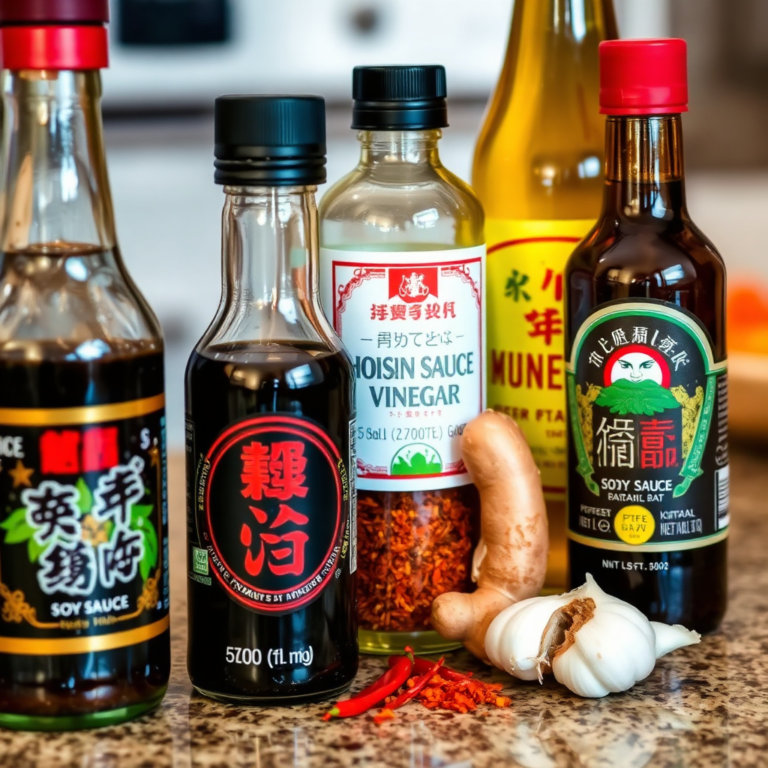
Choosing the right accompaniments matters because Mongolian beef is quite bold, with a sauce profile based on soy sauce, garlic, and hoisin. A neutral or lightly flavored side helps balance the intense flavors. Additionally, some crisp or fresh vegetable sides can break through the richness and add nutritional variety.
In this article, we'll explore traditional and creative options that go well with Mongolian beef, including grains, veggies, and appetizers. You'll find specific pairing ideas and preparation tips to craft a delicious, well-rounded meal.
Classic Side Dishes that Complement Mongolian Beef

Steamed White Rice: The Traditional Staple
Steamed white rice is the quintessential side dish for Mongolian beef because its mild flavor balances the dish's rich, sweet-savory sauce. Jasmine or long-grain rice works best due to their fragrant aroma and fluffy texture.
Preparing rice with proper moisture and fluffiness allows it to absorb the sauce without becoming mushy. This pairing also enhances the overall dining experience by lightening each bite and adding a textural contrast.
- Jasmine or long-grain white rice
- Cooked with a little less water to remain fluffy
- Served hot to mix well with the sauce
Fried Rice Variations for a Hearty Side
Fried rice is a satisfying alternative to plain rice, adding extra layers of flavor through aromatics like garlic, onions, and egg. It complements Mongolian beef by introducing mild savory notes without overpowering the main dish.
You can customize fried rice with peas, carrots, scallions, and even pineapple to contrast the savory beef sauce. This option works well if you’re aiming for a fuller, homestyle meal feel.
- Vegetable or egg fried rice
- Avoid overly spicy or heavy sauces in the fried rice
- Add mild vegetables like peas and carrots
Vegetable Sides for Freshness and Texture

Stir-Fried Greens for Crunch and Color
Lightly stir-fried greens like broccoli, bok choy, or snap peas add a pleasant crunch to your meal while cleaning the palate between bites of rich beef. Simply sauté them with garlic and a splash of soy sauce to keep flavors complementary.
These vegetables offer fiber and vitamins along with bright colors, making the meal more balanced and visually appealing. Their slight bitterness and crispness contrast well with the sweeter beef sauce.
- Broccoli florets
- Baby bok choy
- Snap peas or green beans
Fresh Cucumber Salad for Cooling Contrast
A refreshing cucumber salad seasoned with rice vinegar, sesame oil, and a sprinkle of chili flakes adds a cool, tangy contrast to Mongolian beef. This crisp side helps counterbalance the heavier meat’s richness and enhances the meal's complexity.
Quick to prepare, this salad also introduces a slight acidity and crunch that refreshes the palate, preventing the beef’s flavors from becoming overwhelming over time.
- Thinly sliced cucumbers
- Rice vinegar and sesame oil dressing
- Optional chili flakes or sesame seeds
Noodle-Based Sides to Complement the Main Dish

Lo Mein: Soft Noodles with Mild Flavor
Lo mein noodles are a popular pairing because their soft texture contrasts the tender beef slices. They absorb some sauce without stealing focus, making each mouthful satisfying yet balanced.
Typically stir-fried with light soy sauce and vegetables, lo mein brings additional body to the plate. It suits diners who prefer a combination of noodles and meat.
- Egg noodles or wheat-based lo mein
- Light vegetable stir-fry with soy sauce
- Garnished with scallions or sesame seeds
Rice Noodles for a Gluten-Free Option
For gluten-free diners, rice noodles offer a delicate base that pairs well with Mongolian beef’s bold flavors. Their neutral taste and slippery texture keep the focus on the meat while providing satisfying carbohydrate content.
You can serve them simply boiled or lightly tossed in sesame oil and soy sauce to maintain harmony with the main dish’s flavor profile.
- Thin or flat rice noodles
- Tossed lightly with sesame oil
- Plain or with minimal seasoning
Additional Sides and Appetizers to Expand Your Meal

Spring Rolls and Dumplings for Textural Variety
Crispy spring rolls or soft steamed dumplings can start the meal and add textural diversity. Their mild fillings and crunchy or chewy exterior complement Mongolian beef’s concentrated flavors without overwhelming the palate.
Choosing vegetable or pork-filled rolls offers different flavor profiles. These options also provide finger-food variety, making the meal feel more festive and complete.
- Vegetable or pork spring rolls
- Steamed or pan-fried dumplings
- Serve with soy or chili dipping sauce
Soups to Warm Up the Dining Experience
Light soups like hot and sour, egg drop, or miso soup work well as starters. Their mild broths introduce warmth and cleanse the palate before the bold Mongolian beef.
A bowl of soup adds a comforting element and rounds out the meal nutritionally without competing with the main dish.
- Hot and sour soup
- Egg drop soup
- Miso soup
Beverage Pairings to Enhance Mongolian Beef

Green Tea for a Refreshing and Balanced Drink
Green tea’s subtle bitterness and fresh aroma cut through Mongolian beef's rich flavors, cleansing the palate and preventing heaviness. Its natural antioxidants also offer a healthy complement.
Serve it hot or iced depending on preference. The tea’s simplicity pairs well without distracting from the main dish’s complexity.
- Hot brewed green tea
- Iced green tea with lemon
- Mild and unsweetened
For deeper insights into Mongolian beef’s origins and recipe variations, refer to the Mongolian beef details on Wikipedia. Mongolian beef details on Wikipedia.
Light Beers to Balance Sweet and Savory Notes
A crisp, light beer such as a pilsner or lager balances Mongolian beef’s sweetness and saltiness with carbonation and subtle bitterness. The cold beer refreshes the palate and enhances the dining experience.
Avoid heavy or very hoppy beers, which can overpower the dish.
- Pilsner or light lager
- Served cold
- Avoid overly bitter craft beers
Side Dish Category Comparison for Mongolian Beef
Here’s a comparison of popular side dish categories that go well with Mongolian beef, highlighting flavor compatibility, texture, and meal type suitability.
| Category | Flavor Profile Balance | Texture Contribution | Meal Suitability |
|---|---|---|---|
| Steamed Rice | Neutral and mild | Soft and fluffy | Traditional and simple meals |
| Stir-Fried Vegetables | Lightly savory and fresh | Crunchy and crispy | Balanced, nutritious meals |
| Noodles (Lo Mein) | Mild and slightly savory | Soft and chewy | Hearty and filling meals |
| Fried Rice | Savory with umami | Soft with slight bite from veggies | Comfort-style meals |
| Cucumber Salad | Tangy and refreshing | Crisp and fresh | Light and refreshing meals |
| Spring Rolls/Dumplings | Mild and savory | Crunchy or chewy | Finger food and festive meals |
Frequently Asked Questions
What is the best rice to serve with Mongolian beef?
Jasmine rice or long-grain white rice is ideal because its fragrant aroma and fluffy texture absorb the savory sauce well without overwhelming the beef.
Can I serve Mongolian beef with noodles instead of rice?
Yes, soft noodles like lo mein or rice noodles work well, offering different textures while complementing the beef’s rich sauce.
Are there vegetable sides that go well with Mongolian beef?
Yes, stir-fried greens like broccoli, bok choy, or snap peas add freshness and crunch that balance the rich flavors of Mongolian beef.
What drinks pair nicely with Mongolian beef?
Green tea or light beers like pilsners complement the dish by refreshing the palate and balancing its sweet and savory notes.
Can I include appetizers with Mongolian beef meals?
Definitely. Light appetizers such as spring rolls, dumplings, or mild soups offer textural variety and prepare the palate for the main dish.
Key Takeaways
- Steamed white rice is the classic companion that balances Mongolian beef’s rich flavors.
- Stir-fried vegetables add crunch and freshness to offset the beef’s sweetness.
- Noodle sides like lo mein provide soft texture and mild savoriness.
- Refreshing salads and light soups diversify textures and cleanse the palate.
Conclusion
Choosing what goes with Mongolian beef should focus on balancing its thick, savory sauce and tender meat with sides that offer mild flavors and varying textures. Neutral bases such as steamed rice or noodles help absorb the sauce, while crisp vegetables and light salads introduce contrast in flavor and mouthfeel. This approach makes the overall meal more enjoyable and well-rounded.
If you prefer traditional meals, steamed jasmine rice alongside stir-fried broccoli or bok choy is a reliable choice. For a more filling option, fried rice or lo mein noodles infused with mild seasonings complement rather than compete with Mongolian beef. Adding appetizers like spring rolls or egg drop soup can turn your dinner into a festive, multi-course experience. Beverage pairings such as hot green tea or light beer elevate the flavors further and refresh the palate.
Try starting with classic steamed rice and a side of stir-fried vegetables to see how well they harmonize with your Mongolian beef. From there, experiment with noodles, salads, or appetizers to create a customized meal suited to your taste and occasion. With these pairings, you'll enjoy a balanced and satisfying dish every time.