How to Use Wasabi: A Practical Guide for Flavorful Japanese Cuisine
Using wasabi correctly involves understanding its distinct pungency and how it complements Japanese cuisine like sushi and sashimi. The main technique is to apply wasabi sparingly due to its concentrated heat, mixing it gently with soy sauce or placing a small amount directly on the seafood to balance flavor without overwhelming the palate.
Wasabi’s sharp heat differs from chili peppers; it stimulates nasal passages more than the tongue, which is why too much can distract rather than enhance. Proper use heightens the overall dining experience, bringing out subtle flavors without masking delicate fish or rice components.
This article covers everything from how to prepare fresh wasabi root, the differences between wasabi paste and powder, ideal serving methods, and pairing tips. Whether you want to add wasabi to sushi at home or experiment with Korean dishes, you’ll find practical guidance here.
Understanding Wasabi Varieties and Preparation

Fresh Wasabi Root: Grating and Handling
Fresh wasabi root offers the purest flavor and aroma but requires immediate grating before use since its potency fades quickly once exposed to air. A fine sharkskin grater or ceramic tool works best to create a fluffy paste within minutes of grating, capturing its sharp, clean heat.
To handle fresh wasabi properly, grate in small amounts and use it immediately. Avoid preparing too much at once to prevent bitterness and flavor loss. The texture should be slightly moist, not watery or dry.
- Use a fine sharkskin or ceramic grater
- Grate just before serving
- Store fresh root refrigerated wrapped in damp paper towel
Wasabi Paste vs Wasabi Powder
Wasabi paste, often sold in tubes, is convenient but may contain fillers or horseradish and mustard substitutes. Some brands offer pure paste made from actual wasabi rhizome, which replicates the fresh flavor better than powders.
Wasabi powder requires rehydration with water to form a paste and typically has a longer shelf life. Quality varies, and many powders blend actual wasabi with horseradish. Understanding these forms helps you pick the right option depending on freshness and application needs.
- Paste: ready to use, convenient
- Powder: customizable strength, longer shelf life
- Watch for fake or mixed products
Incorporating Wasabi into Cuisine
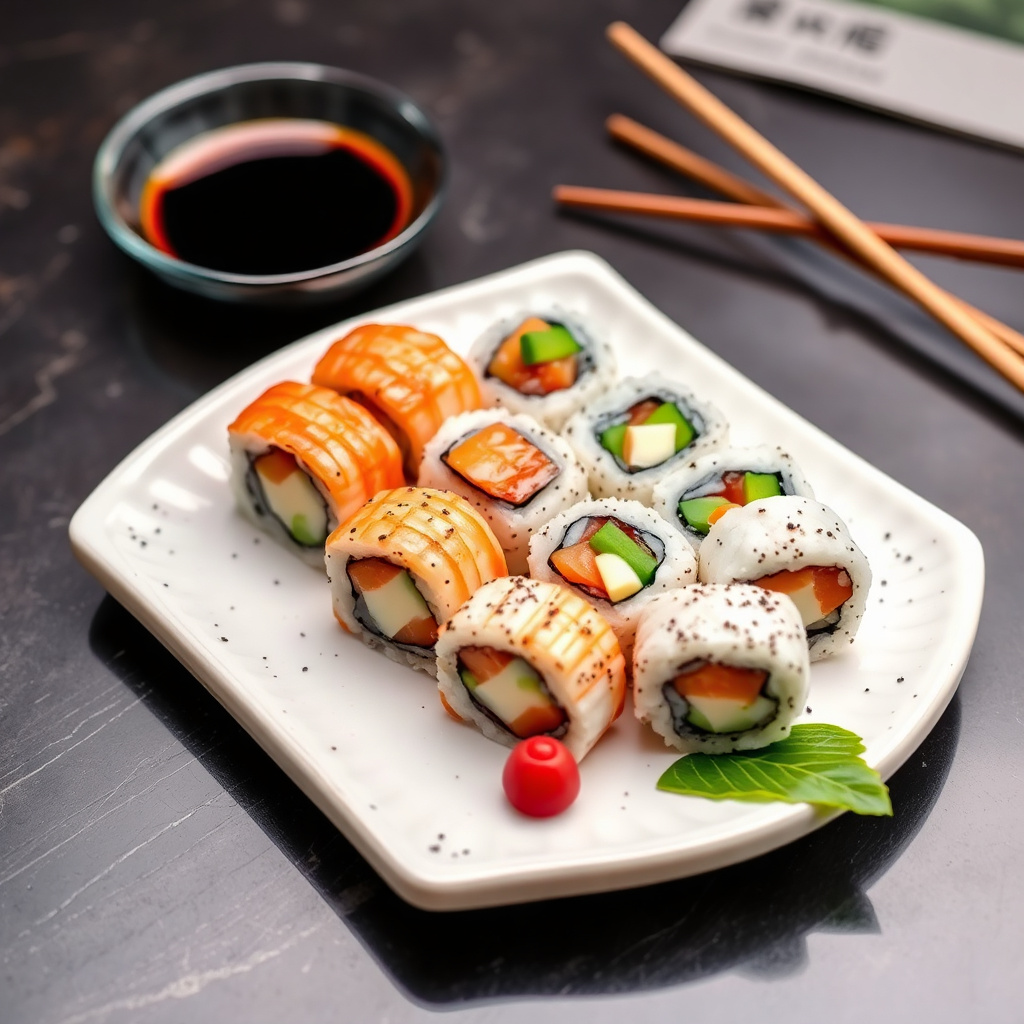
Using Wasabi with Sushi and Sashimi
Traditionally, wasabi is placed directly on the fish before folding the sushi rice, allowing a balanced flavor interaction. Alternatively, a small dab can be added to soy sauce for dipping—though purists prefer dipping the fish portion rather than mixing wasabi into soy sauce to avoid overpowering the taste.
Applying too much wasabi can mask the delicate flavor profiles of raw fish. Start with a pea-sized amount and adjust according to personal heat tolerance. Wasabi’s quick burst of heat dissipates rapidly, inviting multiple bites without residual burn.
- Place wasabi under fish on nigiri
- Dip fish lightly in soy sauce mixed with a small wasabi amount
- Avoid combining too much wasabi with soy sauce
Experimenting with Wasabi in Other Dishes
Wasabi can elevate grilled meats, salad dressings, and even mashed potatoes by adding a subtle spicy flavor that surprises without overwhelming. Mixing wasabi with mayonnaise or sour cream creates a flavorful dip for vegetables and seafood.
Incorporate wasabi carefully in dressings to avoid overpowering acidity balance. For sauces, whisk in small quantities and taste repeatedly to maintain harmony among ingredients.
- Mix wasabi with mayo for dips
- Blend into salad dressings cautiously
- Add to creamy sauces for kick
Storing and Shelf Life of Wasabi Products

Best Practices for Fresh Wasabi Storage
Fresh wasabi root is highly perishable and should be wrapped in damp paper towels inside an airtight container in the refrigerator. Optimal storage is in the vegetable drawer at around 5°C (41°F), where it can last up to two weeks.
Avoid freezing fresh wasabi, as it damages texture and flavor. Use small chunks within a few days for best results.
- Wrap in damp paper towel
- Store in airtight container
- Keep in refrigerator vegetable drawer
For more on this, see our related guide: What Is Wasabi? Exploring the Unique Japanese Condiment.
Shelf Life and Storage of Wasabi Paste and Powder
Commercial wasabi paste usually has preservatives and can last several months unopened. After opening, store it in a refrigerator and use within a few weeks for optimal flavor. Wasabi powder, stored airtight in a cool, dry place, stays usable for up to a year.
Proper sealing and avoiding moisture exposure extend shelf life for paste and powder alike.
- Keep paste refrigerated after opening
- Store powder airtight in a dark place
- Check expiration dates regularly
Health Benefits and Sensory Experience of Wasabi

Nutritional and Medicinal Aspects of Wasabi
Wasabi contains compounds with antimicrobial properties and antioxidants, which can help fight bacteria commonly found in raw fish. Its isothiocyanates may also have anti-inflammatory effects and promote digestion.
Eating wasabi with sushi not only adds spicy flavor but might reduce foodborne risks. However, most commercial wasabi contains horseradish, so benefits depend on purity.
- Antimicrobial isothiocyanates
- Contains antioxidants
- May aid digestion
Understanding Wasabi’s Unique Pungency
Unlike chili peppers, wasabi’s heat rises sharply through nasal passages with a fleeting duration and no lingering burn on the tongue. This quick, volatile sensation can enhance flavors and clear sinuses.
Knowing this sensory effect helps users dose wasabi correctly to appreciate its bright, fleeting spice rather than an overwhelming burn.
Common Mistakes and How to Avoid Them When Using Wasabi

Avoid Overusing Wasabi
A frequent error is applying too much wasabi, which can overpower delicate sushi ingredients and cause nasal discomfort. Start with very small amounts and add more gradually when necessary.
Wasabi’s sharpness is best enjoyed in moderation; heavy use often masks the dish’s intended flavors rather than complementing them.
- Start with tiny amounts
- Adjust based on flavor balance
- Remember wasabi’s nasal heat
For more on this, see our related guide: How to Eat Nigiri: A Simple Guide to Enjoying Authentic Sushi.
Don’t Mix Wasabi and Soy Sauce Heavily
Mixing wasabi thoroughly into soy sauce dilutes its vibrant flavor and can create an overly salty, pungent dip. Instead, dab wasabi on the fish and use soy sauce separately.
Purists recommend minimal soy sauce to avoid masking wasabi’s fresh piquancy and the fish’s natural taste.
- Use as separate condiments
- Avoid heavy mixing
- Dip fish lightly in soy sauce
How to Select Quality Wasabi for Home Use

Choosing Fresh Wasabi Root
Look for firm, unblemished rhizomes with a bright green color and fresh smell. Avoid roots that are shriveled or yellowish, as they indicate age or poor quality.
Seasonality and source matter—Japanese-grown wasabi is prized for flavor and purity. Buying from specialty Asian markets often yields fresher roots.
- Bright green color
- Firm texture
- Fresh aroma
For more detailed botanical and culinary information on wasabi, consult the wasabi Wikipedia page. wasabi Wikipedia page.
Selecting Commercial Wasabi Products
For paste, check ingredient lists for authentic wasabi rhizome versus horseradish substitutes. Higher-grade pastes disclose percent wasabi content. Powders with minimal additives and a strong aroma tend to perform better.
Buy from reputable brands or stores specializing in Japanese foods for better quality guarantee.
- Check wasabi percentage on label
- Prefer minimal additives
- Consider trusted brands
Wasabi Paste vs Powder vs Fresh Root: A Comparison
Here’s a quick comparison of the key characteristics of fresh wasabi root, wasabi paste, and wasabi powder for home use and culinary purposes.
| Type | Flavor Authenticity | Convenience | Shelf Life | Cost |
|---|---|---|---|---|
| Fresh Wasabi Root | Highest, pure and vibrant | Requires grating, short prep | Up to 2 weeks refrigerated | High, premium pricing |
| Wasabi Paste | Moderate, varies by brand | Ready to use, very convenient | Several months unopened | Moderate, budget-friendly to premium |
| Wasabi Powder | Variable, often mixed with horseradish | Needs rehydration before use | Up to 1 year dry storage | Low to moderate |
| Horseradish-Based Wasabi Substitute | Low, mostly horseradish flavor | Ready to use, convenient | Several months unopened | Low cost |
Frequently Asked Questions
Can I use regular horseradish instead of wasabi?
Horseradish can mimic wasabi’s heat but lacks its subtle aroma and flavor. It’s a common substitute in wasabi pastes outside Japan but doesn’t replicate authentic wasabi’s taste.
How long does freshly grated wasabi stay flavorful?
Freshly grated wasabi is best used within 15 minutes for maximum flavor and pungency; after that, it rapidly loses aroma and becomes bitter.
Is it safe to eat large amounts of wasabi?
Eating too much wasabi can cause nasal irritation and digestive discomfort. Moderate use is safe and recommended for enjoyable flavor without adverse effects.
Does wasabi kill bacteria in raw fish?
Wasabi contains antimicrobial compounds that may reduce bacteria, but it is not a substitute for proper fish handling and freshness.
How do I store opened wasabi paste?
Opened wasabi paste should be tightly sealed and refrigerated, ideally consumed within a few weeks for best flavor and safety.
Key Takeaways
- Use wasabi sparingly due to its potent, nasal heat
- Fresh wasabi root offers the best flavor but perishes quickly
- Wasabi paste and powder vary widely in authenticity and convenience
- Avoid mixing large amounts of wasabi with soy sauce to preserve flavor
Conclusion
Choosing how to use wasabi depends on your culinary goals and preferences for authenticity, convenience, and flavor intensity. Fresh wasabi root provides the clearest, sharpest taste but demands immediate preparation and proper storage. Paste and powder forms offer easier access and longer shelf life but vary in quality, with many commercial products blending horseradish to reduce cost and complexity. Understanding wasabi’s unique pungency and how it complements raw fish or other dishes helps you enjoy it responsibly without overpowering your food.
If you frequently prepare sushi or want a genuine wasabi experience, investing in fresh root or high-quality paste with a significant wasabi content is worthwhile. For occasional or experimental use, wasabi powder offers versatility, allowing you to tailor the paste strength by adjusting water ratios. Experimenting with wasabi in sauces, dressings, and cooked dishes can expand your flavor palette gently without overwhelming. Remember, moderation unlocks its best sensory appeal while respecting traditional flavor balances.
To start using wasabi confidently, try purchasing a small fresh root to grate and serve immediately on your favorite sushi or sashimi dishes. If freshness is an issue, choose premium paste or powder with clear wasabi labeling. Avoid mixing excessive wasabi into soy sauce, instead applying it directly to food for the best flavor harmony. With these tips, wasabi can become a refreshing, aromatic element in your kitchen that enhances various recipes.



One Comment