How Many Calories in Mongolian Beef: A Detailed Nutritional Guide
Mongolian beef typically contains between 300 to 500 calories per serving, depending on portion size and preparation methods. This popular Chinese-American dish often involves sliced beef cooked in a savory sauce with sugar and oil, contributing to its calorie count.
Understanding the calorie content of Mongolian beef helps you make informed decisions about your diet, especially if you are tracking your calorie intake for weight management or health reasons. Calories can vary widely based on ingredients like the amount of oil, sugar, and beef used.
This article will explore the typical calorie range in Mongolian beef, break down its nutritional composition, compare different variations, and provide tips for enjoying this flavorful dish with fewer calories.
Calorie Breakdown of Mongolian Beef

Typical Serving Size and Calorie Content
A standard serving of Mongolian beef weighs around 1 cup or 250 grams, containing approximately 350 to 450 calories. This includes the beef itself, the sauce, and any vegetables like scallions or onions.
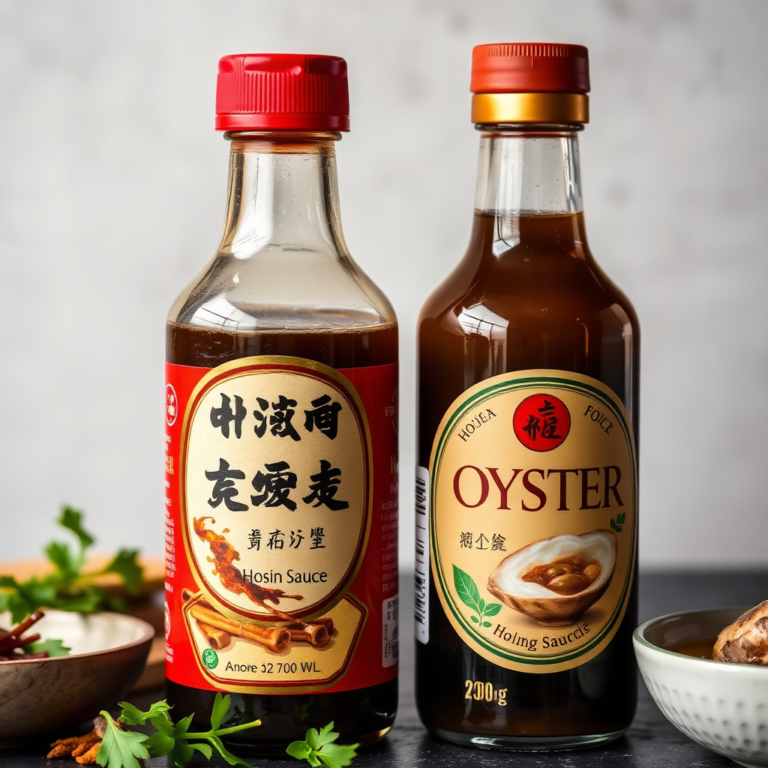
The calorie count depends on factors such as beef cut and quantity of oil and sugar used in the sauce, which often features soy sauce, brown sugar, and cornstarch. Homemade versions might differ significantly from restaurant-prepared portions.
Calories from Key Ingredients
Beef is the primary calorie source, contributing mostly protein and fat. A 3-ounce serving of cooked sirloin beef provides about 180-220 calories, with varying fat content based on the cut.
The sauce can add 100-150 calories per serving due to sugar and oil. The inclusion of vegetables adds minimal calories but enhances fiber and nutrients.
- Beef: 180-220 calories per 3 ounces
- Sauce (soy sauce, sugar, oil): 100-150 calories per serving
- Vegetables: 10-20 calories per serving
Nutritional Value and Health Considerations

Macronutrient Composition of Mongolian Beef
Mongolian beef offers a balance of macronutrients with roughly 20-30 grams of protein, 15-25 grams of fat, and 20-30 grams of carbohydrates per serving. Protein content mainly comes from the beef, while carbs come from the sauce’s sugar.
The fat content varies, especially saturated fat depending on the beef cut and cooking oil used. Choosing leaner cuts can lower total fat and saturated fat intake.
For more on this, see our related guide: Is Beef and Broccoli Healthy? A Nutritional Breakdown.
Dietary Considerations and Modifications
Due to its sugar and oil content, Mongolian beef can be high in calories and fats, which might not be ideal for those on low-calorie or low-fat diets. Reducing sugar and oil in homemade recipes can help improve its health profile.
Using lean beef cuts and adding more vegetables can increase fiber and micronutrients while keeping calories manageable. Serving with cauliflower rice instead of white rice can also lower the overall meal’s calorie load.
Variations of Mongolian Beef and Their Calorie Differences

Restaurant vs. Homemade Versions
Restaurant servings often contain more oil, sugar, and larger portion sizes, which increase calories to the 450-500 range. Homemade versions allow control over ingredients, typically resulting in lower calorie content.
Adjusting sugar quantity or using cooking sprays instead of oil are common ways to reduce calories when preparing Mongolian beef at home.
Alternative Ingredients Impacting Calories
Some recipes substitute beef with chicken or tofu, which alters calorie counts and macronutrients. Chicken Mongolian versions are generally lower in fat and calories, while tofu-based dishes reduce total calories and boost plant-based protein.
Sauce modifications such as using sugar substitutes or lower sodium soy sauce also affect the overall calorie and sodium content.
- Chicken version: approx. 300-350 calories
- Tofu version: approx. 250-300 calories
- Low sugar/sodium sauce reduces calories and sodium
How to Analyze Mongolian Beef Nutrition Labels

Key Nutrients to Watch on Labels
When buying pre-packaged or frozen Mongolian beef meals, focus on calories, total fat, saturated fat, sodium, and sugar content listed on the Nutrition Facts label.
High sodium levels are common in this dish due to soy sauce, so monitoring this helps in managing blood pressure or heart health risks.
- Calories per serving
- Total fat and saturated fat
- Sodium content
- Sugars and added sugars
Decoding Serving Sizes and Ingredients
Check the serving size on the label carefully—many frozen meals list smaller servings than typical homemade portions, which can mislead calorie counts.
Also review ingredient lists to gauge sugar sources, types of oils used, and presence of preservatives or MSG.
Tips for Enjoying Mongolian Beef with Fewer Calories
Cooking Techniques to Cut Calories
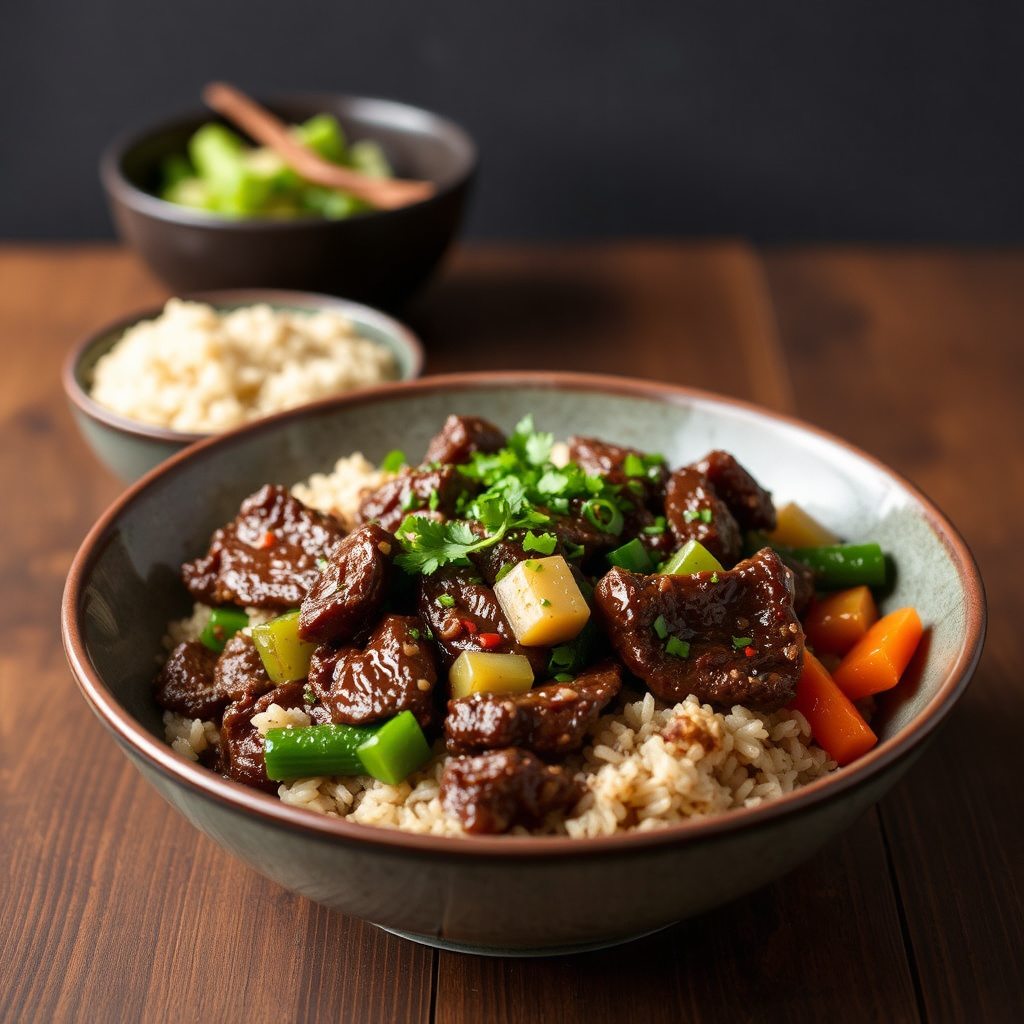
Using lean beef cuts like flank or sirloin reduces fat intake. Stir-frying with minimal oil or using non-stick pans limits cooking fat added. Incorporating more veggies bulk up the dish with fiber and volume.
Limiting sugar in sauces or replacing it with natural sweeteners also decreases total calories without losing flavor.
- Choose lean beef cuts
- Use less oil or cooking spray
- Add more vegetables
- Reduce sugar in sauces
For detailed background and variations of Mongolian beef, visit the Mongolian beef nutritional information on Wikipedia. Mongolian beef nutritional information on Wikipedia.
Portion Control and Side Dish Swaps
Serving smaller portions of Mongolian beef with larger servings of steamed or roasted vegetables balances meal calories. Replacing white rice with brown rice or cauliflower rice lowers carbs and glycemic load.
Eating mindfully and pausing between bites can prevent overeating this rich dish.
- Cut portion sizes
- Increase vegetable sides
- Substitute white rice with healthier grains
Comparison of Mongolian Beef Variations
Here’s a quick comparison of common Mongolian beef types to help identify calorie and nutritional differences.
| Type | Calories per Serving | Protein (g) | Fat (g) | Carbohydrates (g) |
|---|---|---|---|---|
| Traditional Restaurant | 450-500 | 25 | 20 | 30 |
| Homemade Classic | 350-400 | 30 | 15 | 25 |
| Chicken Mongolian | 300-350 | 28 | 10 | 25 |
| Tofu Mongolian | 250-300 | 20 | 8 | 20 |
| Low Sugar/Sodium Version | 300-350 | 30 | 12 | 20 |
Frequently Asked Questions
Is Mongolian beef high in calories?
Mongolian beef can be moderately high in calories, typically ranging from 300 to 500 calories per serving depending on recipe and portion size.
Can Mongolian beef fit into a weight loss diet?
By choosing lean cuts, reducing sugar and oil, and controlling portions, Mongolian beef can be enjoyed occasionally on a calorie-controlled diet.
What is the main source of calories in Mongolian beef?
The main calorie sources are the beef’s fat and protein, along with sugars and oils in the sauce.
Are there healthier alternatives to traditional Mongolian beef?
Yes, using chicken, tofu, or lower sugar sauces can reduce calories and fat while preserving flavor.
How can I reduce calories in homemade Mongolian beef?
Use lean beef, limit oil and sugar, bulk up with vegetables, and serve smaller portions to lower calories.
Key Takeaways
- Mongolian beef usually contains 300-500 calories per serving.
- Beef fat and sugary sauce significantly influence calorie content.
- Homemade versions allow better control over ingredients and calories.
- Healthier alternatives include using chicken, tofu, and fewer sugary sauces.
Conclusion
Figuring out how many calories are in Mongolian beef involves examining both the beef cut and preparation style. This dish’s calorie content varies mainly due to the sugar-rich sauce and cooking oils. To make balanced meal choices, it’s helpful to know these factors and consider portion sizes carefully alongside your overall daily nutritional goals.
If you prefer restaurant versions, expect around 450 to 500 calories per typical serving, largely driven by generous oil and sugar use. Homemade recipes provide flexibility for reducing calories by controlling sauce ingredients and selecting lean beef or alternative proteins like chicken or tofu. Incorporating more vegetables also adds volume and nutrients without many calories.
For those tracking calories or wanting a lighter meal, start by adjusting portion sizes and experiment with recipe modifications like lower sugar sauces or cooking with less oil. These changes maintain the Mongolian beef flavor while helping fit it into a calorie-conscious eating plan. A simple next step is preparing a homemade recipe that fits your taste and calorie needs.